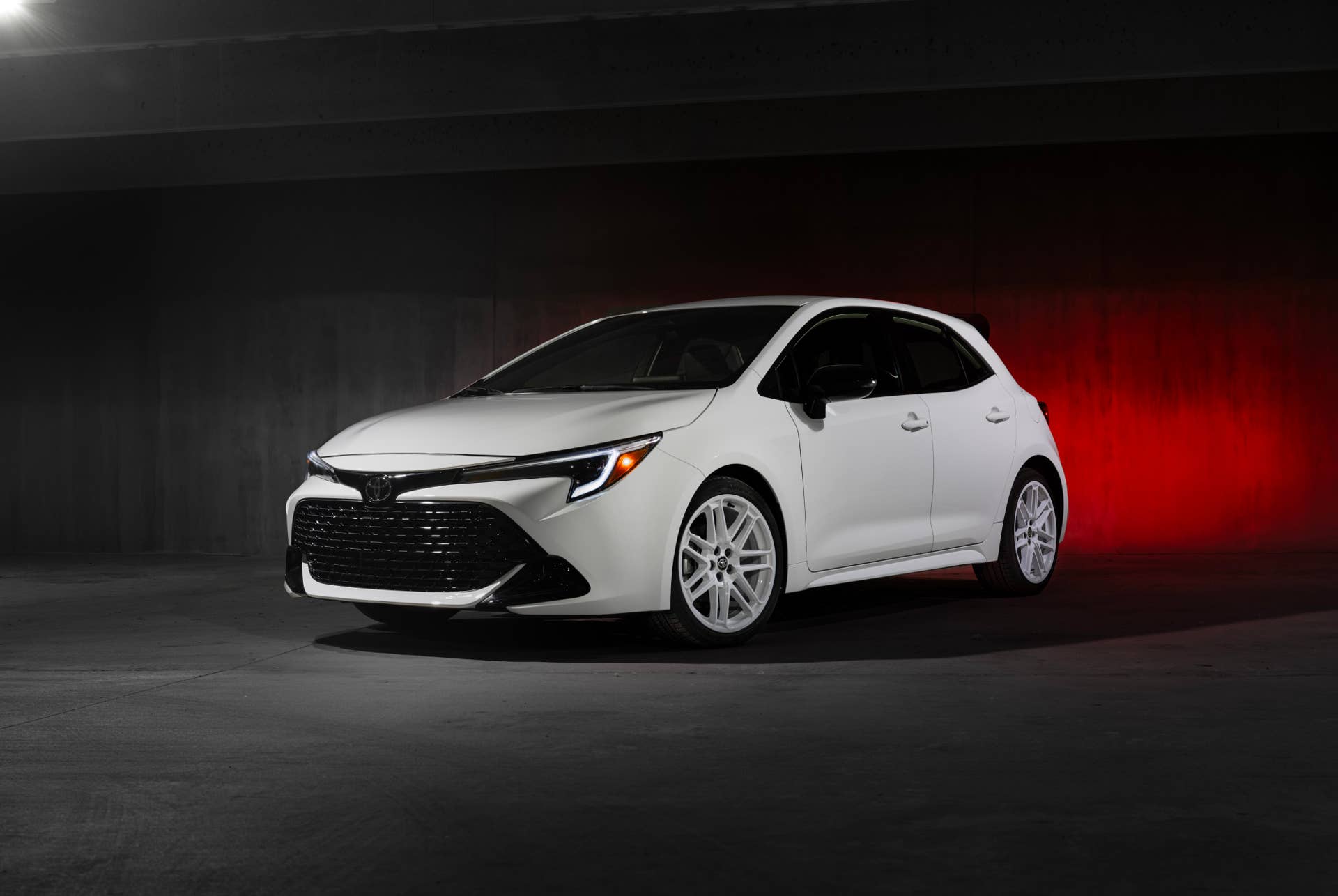
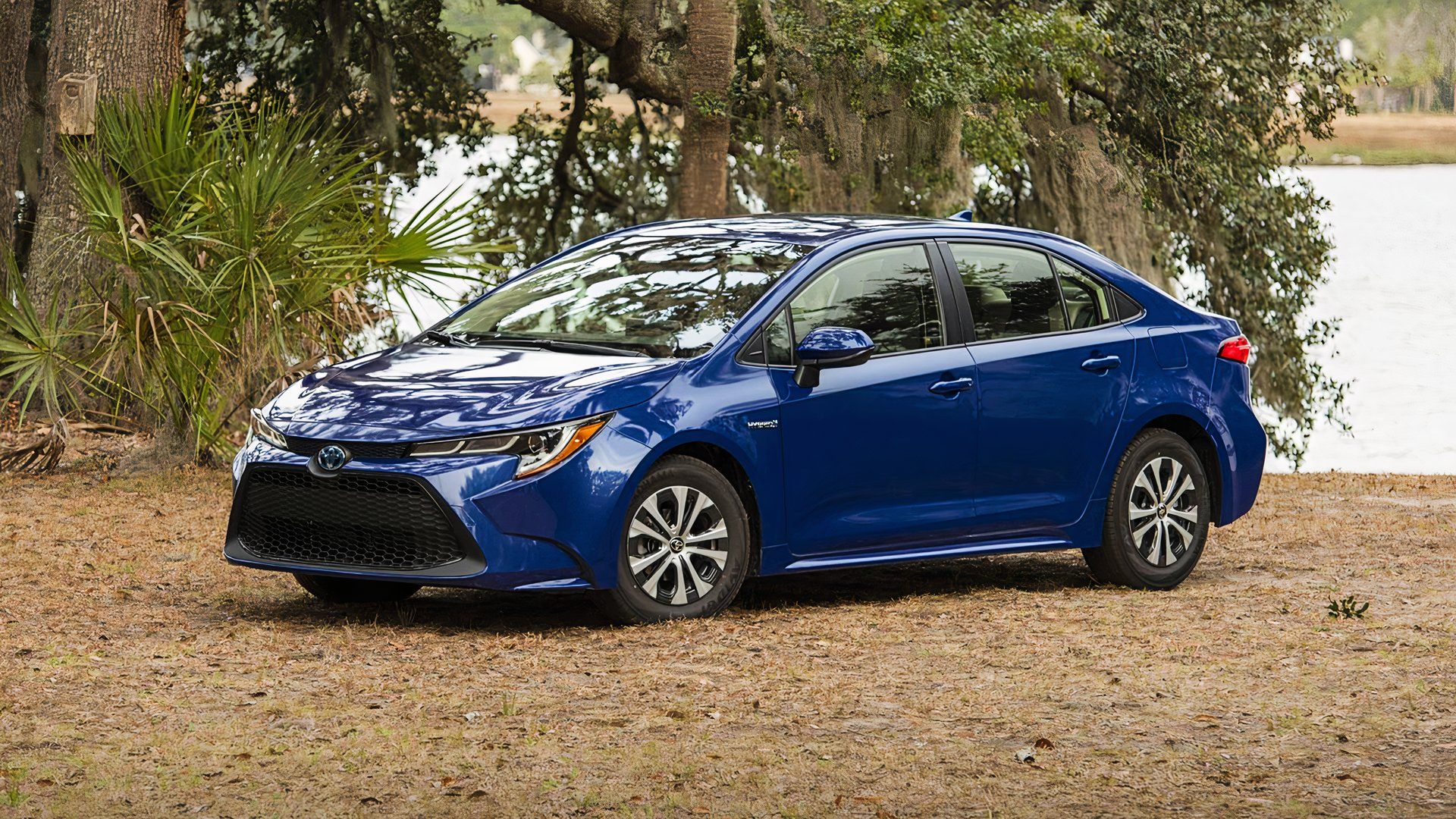
The 2021 Toyota Corolla offers an array of fuel-efficient configurations, with EPA-estimated ratings ranging from 30 mpg to 53 mpg combined. Efficiency varies significantly depending on the engine displacement, transmission type, and whether the vehicle is a standard gasoline model or the hybrid variant, allowing buyers to balance power needs with fuel economy.
Understanding the 2021 Corolla Powertrain Architecture
The 2021 Toyota Corolla in the United States was engineered to serve a broad spectrum of drivers, ranging from those prioritizing cost-effective urban commuting to those seeking a balance of highway performance and fuel savings. To accurately gauge the gas mileage of a 2021 Corolla, one must first identify the specific powertrain installed in the vehicle. The 2021 model year featured three primary engine configurations: a 1.8-liter four-cylinder, a 2.0-liter four-cylinder, and a 1.8-liter hybrid system.
The transmission pairings are equally critical to these efficiency figures. Toyota utilized the Continuously Variable Transmission (CVT) across most trims, which is specifically tuned to keep the engine within its most efficient power band. In the sport-oriented trims, a traditional 6-speed manual transmission was available, which generally alters the fuel consumption profile compared to the CVT-equipped models.
EPA-Estimated Efficiency by Configuration
Fuel economy for the 2021 Toyota Corolla is determined by the Environmental Protection Agency (EPA) through standardized laboratory testing. These figures represent averages and serve as a baseline for real-world expectations. It is important to note that the L, LE, and XLE trims are typically equipped with the 1.8-liter engine, while the SE and XSE trims feature the more powerful 2.0-liter engine.
1.8-Liter Four-Cylinder Engine
The 1.8-liter engine is designed for maximum efficiency within the non-hybrid lineup. When paired with the CVTi-S (Intelligent Continuously Variable Transmission), it offers consistent performance for daily driving.
- City: Approximately 30 mpg
- Highway: Approximately 38 mpg
- Combined: 33 mpg
2.0-Liter Four-Cylinder Engine
The 2.0-liter engine provides increased horsepower and torque, which necessitates a slightly different fuel consumption profile.
- CVT Models (SE/XSE): Achieving roughly 31–32 mpg city and 38–40 mpg highway, depending on the specific wheel size and aerodynamic trim packages.
- Manual Transmission Models (SE): Featuring a 6-speed manual, these models generally see a dip in efficiency compared to their CVT counterparts, averaging closer to 29 mpg city and 36 mpg highway.
1.8-Liter Hybrid Powertrain
The Corolla Hybrid stands as the leader in the lineup for fuel economy. By utilizing an electric motor paired with the internal combustion engine, it significantly reduces fuel consumption, particularly in stop-and-go traffic where conventional engines are least efficient.
- City: 53 mpg
- Highway: 52 mpg
- Combined: 52 mpg
Comparison of 2021 Corolla Fuel Economy Ratings
| Trim / Engine Configuration | Transmission | City (MPG) | Highway (MPG) | Combined (MPG) |
|---|---|---|---|---|
| L / LE (1.8L) | CVT | 30 | 38 | 33 |
| XLE (1.8L) | CVT | 29 | 37 | 32 |
| SE (2.0L) | CVT | 31 | 40 | 34 |
| SE (2.0L) | 6-Speed Manual | 29 | 36 | 32 |
| XSE (2.0L) | CVT | 31 | 38 | 34 |
| Hybrid (1.8L) | eCVT | 53 | 52 | 52 |
Factors Influencing Real-World Gas Mileage
While the EPA estimates provide a reliable benchmark, the gas mileage a driver experiences in the United States can fluctuate based on several environmental and operational factors. Understanding these variables is essential for optimizing fuel consumption.
Driving Habits and Urban vs. Highway Usage
The primary determinant of fuel efficiency is the driver's throttle control. Rapid acceleration and frequent high-speed braking prevent the transmission from maintaining an efficient gear ratio or, in the case of the hybrid, force the engine to engage more frequently than necessary. In the United States, highway driving at speeds exceeding 70 mph significantly increases aerodynamic drag, which impacts the fuel economy of the Corolla more substantially than city driving in some scenarios.
Tire Pressure and Maintenance
Proper tire inflation is one of the most overlooked aspects of fuel efficiency. Tires under-inflated by even a few pounds per square inch (PSI) increase rolling resistance, forcing the engine to work harder to maintain velocity. Furthermore, using engine oil that meets the manufacturer's viscosity requirements—typically 0W-16 for most 2021 Corolla models—ensures that internal friction is minimized. Neglecting regular maintenance, such as replacing clogged air filters or worn spark plugs, can also lead to a measurable decline in fuel economy over time.
External Environmental Conditions
Climate in the United States plays a substantial role in fuel economy. Extremely cold temperatures force the engine to stay in a "warm-up" phase longer, where the fuel mixture is richer and less efficient. Additionally, the heavy use of heating, ventilation, and air conditioning (HVAC) systems puts an extra load on the engine or the hybrid battery, which inevitably draws more fuel.
Hybrid vs. Gasoline: Determining the Right Fit
Choosing between the standard gasoline Corolla and the Hybrid version is a question of both budget and driving profile. The hybrid model offers a drastic reduction in fuel consumption, which is most noticeable for commuters who spend a significant amount of time in city congestion.
However, potential owners should consider the price premium of the hybrid model against their anticipated annual mileage. If the majority of driving is done on long, high-speed highway stretches, the efficiency advantage of the hybrid is slightly reduced, although it remains superior to the base engine. Conversely, for drivers in dense urban areas, the hybrid's ability to utilize the electric motor at low speeds makes it the undisputed champion of the 2021 lineup.
Troubleshooting Fuel Economy Issues
If a 2021 Toyota Corolla is consistently failing to meet the expected EPA mileage figures, owners should evaluate potential mechanical or operational issues before assuming a major fault.
- Check for "Drag": Ensure that the parking brake is fully disengaged and that the brake calipers are not sticking, which can cause constant friction.
- Monitor Idling: Excessive idling, whether waiting in drive-thru lines or warming up the vehicle for extended periods in winter, consumes fuel without adding mileage.
- Fuel Quality: Using the correct octane rating is vital. The 2021 Corolla is designed to run on 87-octane (regular) gasoline. Using premium fuel does not provide a benefit for this engine and can sometimes interfere with optimal combustion timing.
- Diagnostic Scans: If the "Check Engine" light is illuminated, a diagnostic scan may reveal a malfunctioning oxygen sensor or mass airflow sensor. These components are critical for the engine control unit (ECU) to calculate the precise air-fuel ratio. If these sensors provide inaccurate data, the car may default to a "rich" fuel mixture, plummeting fuel economy.
Frequently Asked Questions
Does the 2021 Toyota Corolla require premium gasoline? No, the 2021 Toyota Corolla is engineered to operate on 87-octane regular unleaded gasoline. Using higher octane fuel will not improve gas mileage or performance and is generally considered an unnecessary expense.
Why does my 2021 Corolla Hybrid get different mileage than the EPA estimate? The EPA estimates are averages based on controlled tests. Your real-world mileage may differ due to local road conditions, topography, tire choice, and your specific driving style. Extreme weather, such as heavy rain or freezing temperatures, also decreases fuel efficiency.
Does using the "Sport" mode affect gas mileage? Yes. Selecting Sport mode in the 2021 Corolla adjusts the transmission mapping and throttle response to be more aggressive. This prevents the vehicle from shifting into higher, more efficient gears as quickly as it would in Normal or Eco mode, which leads to increased fuel consumption.
How does the CVT transmission affect fuel efficiency? The Continuously Variable Transmission (CVT) is designed to operate without fixed gear ratios, allowing the engine to stay in its most efficient power band regardless of vehicle speed. This constant optimization is a primary reason the 2021 Corolla achieves higher fuel economy ratings compared to vehicles with traditional automatic transmissions.
Will aftermarket tires change my gas mileage? Yes. Changing to tires with a more aggressive tread pattern or a different rolling resistance rating can significantly impact your fuel economy. For maximum efficiency, always choose tires that are designed for low rolling resistance and maintain the recommended tire pressure listed on the driver's side door jamb.
Next Steps for Owners
To verify the fuel economy of your specific 2021 Toyota Corolla, track your fuel consumption over several tanks by dividing the number of miles driven by the gallons of fuel used. Using a mobile app or a simple spreadsheet can help you establish a baseline. If you find your mileage is consistently lower than the EPA ratings, start by ensuring your tires are properly inflated and that you are using the manufacturer-recommended oil weight. If issues persist, a professional inspection by a certified technician can rule out deeper mechanical irregularities.