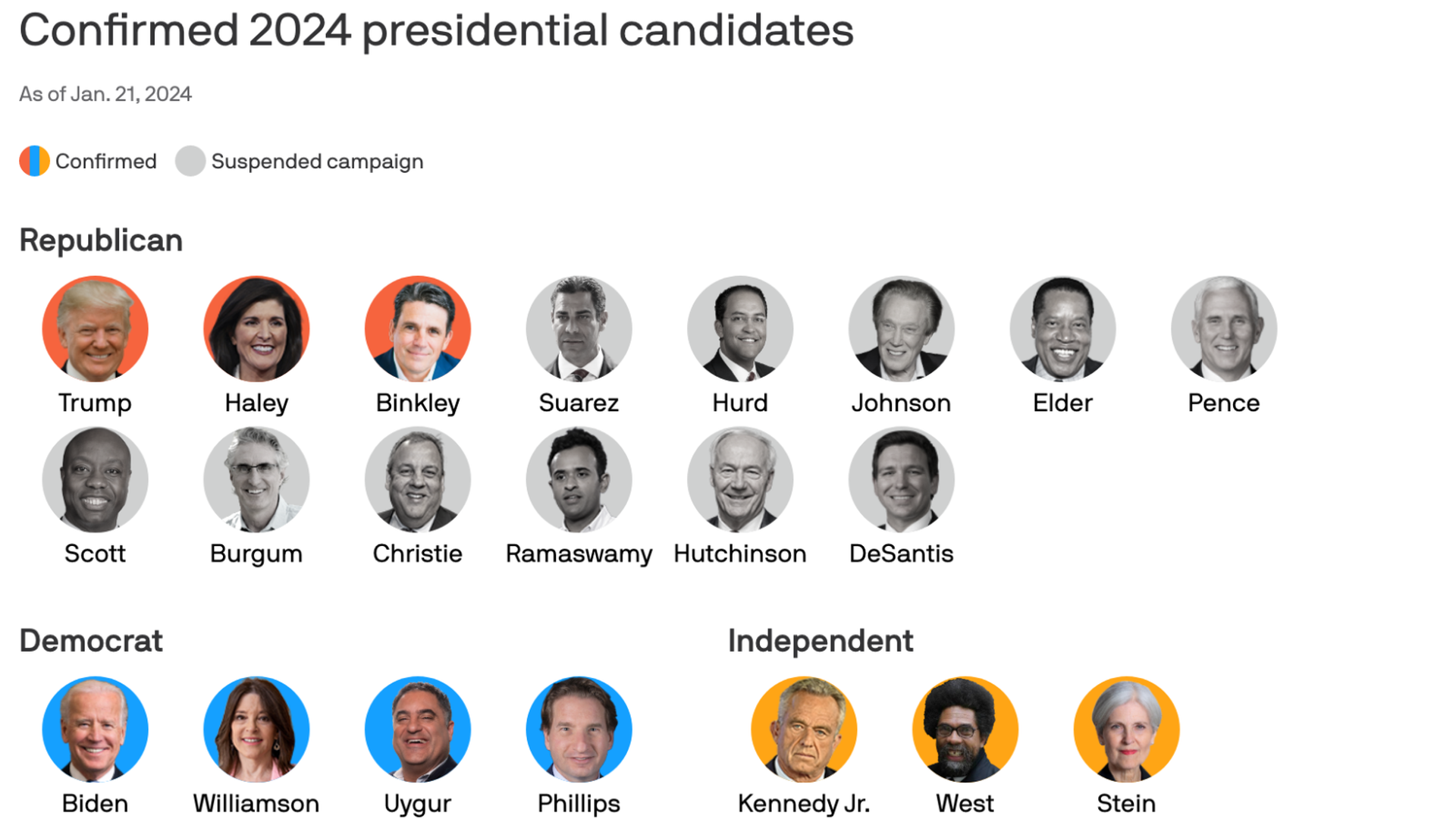
The 2020 United States presidential election featured an unprecedented field of candidates, with more than 250 individuals officially registering presidential campaign committees with the Federal Election Commission (FEC). While the national conversation focused primarily on the high-profile major party nominees, the complete historical record encompasses a vast and diverse cohort of minor-party contenders, independent challengers, and single-issue activists.
The Structure of the 2020 Presidential Race
Understanding the 2020 presidential election requires examining the mechanics of how individuals enter the race, how the Federal Election Commission tracks campaigns, and how candidates ultimately secure ballot access. The American electoral landscape is decentralized, meaning that running for president involves navigating both federal reporting requirements and state-by-state ballot qualification laws.
The Federal Election Commission (FEC) Threshold
Under United States federal election law, an individual becomes a candidate for president as soon as they raise or spend more than $5,000 in financial contributions or expenditures. Once this financial threshold is met, the individual has 15 days to file a Statement of Candidacy (FEC Form 2) and designate a principal campaign committee using FEC Form 1.
This reporting requirement creates the official government ledger of campaigns. However, filing with the FEC does not guarantee that a candidate will appear on any state ballots. Many individuals file FEC paperwork to establish a legal fundraising apparatus, promote a book, or advance a political platform without building a viable nationwide campaign apparatus.
Major Parties Versus Third Parties and Independents
The 2020 primary and general election cycles featured stark contrasts in how candidates accessed the electorate:
- The Democratic Primary: The Democratic Party primary featured the largest field of major-party contenders in modern political history, starting with nearly 30 high-profile candidates before narrowing down to Joe Biden, who secured the nomination and ultimately won the general election.
- The Republican Primary: Incumbent President Donald Trump faced nominal primary opposition from former Representative Joe Walsh, former Governor Bill Weld, and former Governor Mark Sanford, securing the Republican nomination with overwhelming delegate support.
- Third-Party and Independent Contenders: Parties such as the Libertarian Party and the Green Party conducted their own internal nomination processes, while numerous smaller parties and independent candidates campaigned outside the major structures.
The Democratic Party Primary Contenders
The 2020 Democratic presidential primary began in earnest in 2019 and featured a diverse array of U.S. senators, governors, members of the House of Representatives, mayors, and private citizens. The sheer volume of candidates required the Democratic National Committee (CNN/MSNBC/debating partners) to split debates across multiple nights for the earliest rounds.
Major Democratic Primary Candidates
The following candidates actively participated in primary debates, held significant polling standing, or qualified for official primary ballots across multiple states before suspending their campaigns:
- Joe Biden: Former Vice President of the United States and U.S. Senator from Delaware; ultimately won the nomination and the general election.
- Bernie Sanders: U.S. Senator from Vermont and runner-up in the 2016 Democratic primary.
- Elizabeth Warren: U.S. Senator from Massachusetts and former academic.
- Pete Buttigieg: Former Mayor of South Bend, Indiana, and military veteran.
- Michael Bloomberg: Former Mayor of New York City and billionaire businessman who entered the race late, bypassing early primary states.
- Amy Klobuchar: U.S. Senator from Minnesota.
- Tulsi Gabbard: U.S. Representative from Hawaii.
- Tom Steyer: Billionaire hedge fund manager and environmental activist.
- Cory Booker: U.S. Senator from New Jersey and former Mayor of Newark.
- Julián Castro: Former U.S. Secretary of Housing and Urban Development and former Mayor of San Antonio.
- Kamala Harris: U.S. Senator from California who later became the vice presidential nominee alongside Joe Biden.
Other notable Democratic primary participants included Montana Governor Steve Bullock, former South Bend Mayor Pete Buttigieg, former U.S. Representative John Delaney, New York City Mayor Bill de Blasio, former U.S. Representative Joe Sestak, billionaire businessman Andrew Yang, author Marianne Williamson, Colorado Governor John Hickenlooper, Washington Governor Jay Inslee, Massachusetts Representative Seth Moulton, former Texas Representative Beto O'Rourke, Ohio Representative Tim Ryan, and Miramar, Florida Mayor Wayne Messam.
The Republican Party Primary Contenders
While incumbent presidents historically face little opposition from within their own parties, the 2020 Republican primary saw challenges from several conservative and moderate figures seeking an alternative to Donald Trump.
Republican Primary Candidates
- Donald J. Trump: Incumbent 45th President of the United States, securing the Republican nomination at the 2020 Republican National Convention.
- Bill Weld: Former Governor of Massachusetts and the 2016 Libertarian Party vice-presidential nominee.
- Joe Walsh: Former U.S. Representative from Illinois and conservative talk radio host.
- Mark Sanford: Former Governor of South Carolina and former U.S. Representative.
While these challengers raised campaign funds and mounted localized efforts, President Trump secured the vast majority of delegates through state caucuses and primary elections, many of which were canceled by state Republican parties to consolidate support for the incumbent.
Third-Party and Independent Candidates in the General Election
Beyond the Democratic and Republican nominees, voters in many states had choices from various third parties and independent movements. Securing ballot access as an independent or minor-party candidate requires navigating complex, state-specific petitioning laws, filing deadlines, and signature thresholds.
Libertarian Party Nomination
The Libertarian Party held its national convention in May 2020, selecting its presidential ticket:
- Jo Jorgensen: Senior Lecturer in Psychology at Clemson University and the 1996 Libertarian vice-presidential nominee, who secured the 2020 presidential nomination. Her running mate was spike Cohen. The ticket appeared on the ballot in all 50 states plus the District of Columbia, winning over 1.8 million votes (approximately 1.2% of the popular vote).
Green Party Nomination
The Green Party selected its national ticket through an online nominating convention:
- Howie Hawkins: Longtime activist, trade unionist, and co-founder of the Green Party, who won the presidential nomination. His running mate was Angela Nicole Walker. The ticket achieved ballot access in 30 states and secured write-in status in several others, finishing with over 405,000 votes.
Other Notable General Election Candidates
Several other independent and minor-party candidates mounted national campaigns, though their ballot access was limited compared to the Libertarians and Greens:
- Rocky De La Fuente: A recurring candidate who ran under the nomination of the Alliance Party and the Reform Party, with running mate Darcy Richardson.
- Kanye West: Musician and entrepreneur who launched an independent campaign under the "Birthday Party" banner, securing ballot access in 12 states.
- Blaine Cooper / Vermin Supreme: Participated in various alternative party primaries and independent efforts, with Supreme maintaining a visible satirical platform.
Summary of Major 2020 Presidential Contenders
| Candidate | Political Affiliation | Primary Status / General Election Outcome | Notable Role or Background |
|---|---|---|---|
| Joe Biden | Democratic Party | Won Democratic Nomination & General Election | Former Vice President of the United States |
| Donald Trump | Republican Party | Won Republican Nomination / Lost General Election | Incumbent 45th President of the United States |
| Jo Jorgensen | Libertarian Party | Secured Libertarian Nomination | Academic and 1996 VP Nominee |
| Howie Hawkins | Green Party | Secured Green Nomination | Political activist and union organizer |
| Bernie Sanders | Democratic Party | Withdrew from Primary (March 2020) | U.S. Senator from Vermont |
| Elizabeth Warren | Democratic Party | Withdrew from Primary (March 2020) | U.S. Senator from Massachusetts |
| Bill Weld | Republican Party | Withdrew from Primary (March 2020) | Former Governor of Massachusetts |
The FEC Long-Tail: Hundreds of Unregistered and Single-Issue Candidates
While major and third-party candidates dominated news coverage, the Federal Election Commission database contains records for hundreds of individuals who filed paperwork but did not mount active nationwide campaigns.
These filings include satirical candidates, write-in campaign organizers, local activists utilizing federal registration to advance single-issue platforms, and individuals who filed paperwork as a symbolic gesture or personal milestone. Under federal campaign finance regulations, any citizen meeting the basic constitutional requirements—being a natural-born citizen of the United States, at least 35 years old, and a resident of the United States for 14 years—is legally entitled to register a presidential campaign committee.
Frequently Asked Questions
How many total candidates ran for president in 2020?
Over 1,200 individuals registered campaign committees with the Federal Election Commission for the 2020 election cycle, though this figure includes inactive filers, duplicate filings, and exploratory committees. Approximately 250 to 300 candidates maintained active compliance records through the primary and general election phases.
Who won the 2020 presidential election?
Joe Biden, running as the Democratic Party nominee with vice-presidential running mate Kamala Harris, won the 2020 presidential election against incumbent Republican President Donald Trump.
What are the legal requirements to run for U.S. president?
According to Article II, Section 1, Clause 5 of the United States Constitution, a presidential candidate must be a natural-born citizen of the United States, at least 35 years old, and a resident within the United States for 14 years. Additionally, candidates must comply with FEC financial reporting rules if they raise or spend over $5,000.
How do third-party candidates get on the ballot?
Third-party and independent candidates must meet individual state election laws to secure ballot access. This typically involves collecting a specified number of registered voter signatures on petitions, paying filing fees, or holding a recognized party nomination in that jurisdiction.
Where can official records of 2020 campaign finances be found?
The Federal Election Commission (FEC) maintains public databases containing all official campaign finance reports, candidate filings, and expenditure disclosures submitted by every registered 2020 presidential committee.
Next Actions and Further Research
For researchers, historians, and political scientists examining the complete administrative record of the 2020 election, the primary repository of verifiable data is the official Federal Election Commission candidate search portal. Detailed election results, state-by-state certified vote totals, and ballot access breakdowns are publicly accessible through the archives of the Office of the Federal Register within the National Archives and Records Administration (NARA).