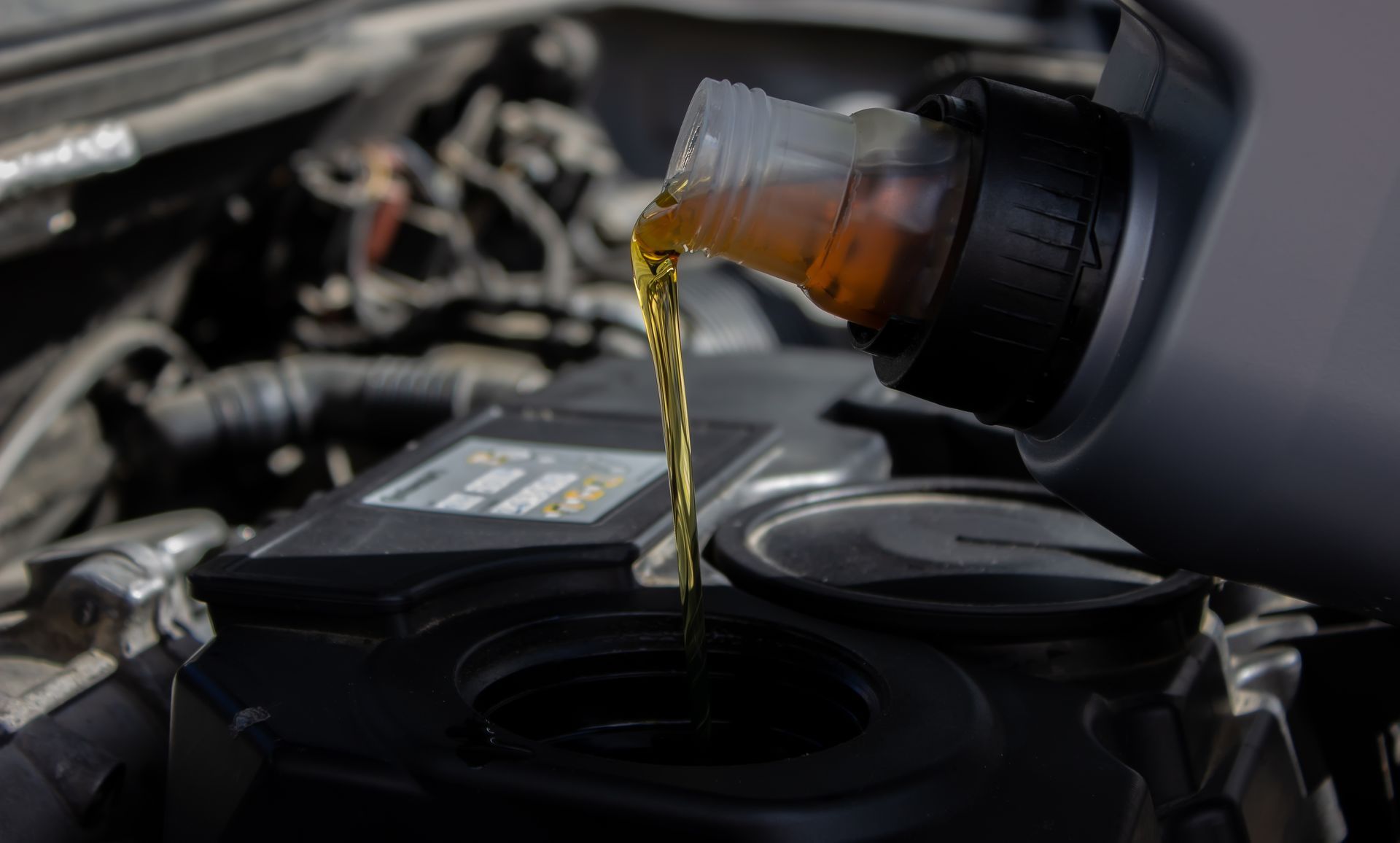
The 2019 Toyota Camry requires a full synthetic 0W-16 engine oil for its 2.5-liter 4-cylinder Dynamic Force engine, or 0W-20 for the 3.5-liter V6 engine, with a standard change interval of every 10,000 miles or 12 months. Regular oil changes are essential to maintain engine longevity, fuel efficiency, and to satisfy the manufacturer’s warranty obligations for your vehicle.
Understanding Your 2019 Camry Engine Specifications
The 2019 Toyota Camry was produced with two primary gasoline engine configurations, both of which have distinct lubrication requirements. Understanding which engine your vehicle possesses is the first step in ensuring you select the correct viscosity and volume of motor oil.
The standard 2.5-liter 4-cylinder engine (A25A-FKS) utilizes 0W-16 synthetic oil. This specific viscosity was engineered to reduce internal friction and improve fuel economy in the high-efficiency Dynamic Force engine design. Using a thicker oil than specified can increase mechanical drag and potentially impact the precise operation of the variable valve timing systems.
Conversely, the optional 3.5-liter V6 engine (2GR-FKS) requires 0W-20 synthetic oil. While 0W-20 is a common standard in many modern Toyota vehicles, it remains distinct from the 0W-16 used in the 4-cylinder model. Always verify your specific engine type—found on the engine block, in the owner’s manual, or via the Vehicle Identification Number (VIN)—before purchasing supplies.
Oil Change Intervals and Monitoring
Toyota officially recommends an oil change interval of 10,000 miles or 12 months, whichever comes first, for normal operating conditions. However, "normal" is a subjective term. If you frequently drive in "special operating conditions," the interval should be shortened to 5,000 miles or 6 months.
Special operating conditions include:
- Frequent short trips: Driving in cold temperatures where the engine does not reach full operating temperature prevents moisture evaporation from the oil.
- Extensive idling or low-speed driving: Common in heavy city traffic, this increases the workload on the engine without cooling airflow.
- Driving on dusty or unpaved roads: Contaminants can bypass air filtration more easily, leading to faster oil degradation.
- Towing or heavy loading: High-torque demands increase internal heat, which breaks down oil additives prematurely.
Monitoring your oil life is facilitated by the Camry’s Multi-Information Display (MID). The system tracks mileage since the last reset. When the "Maintenance Required" light illuminates, it is a programmed reminder based on your mileage accumulation, not necessarily an analysis of the oil's chemical condition.
The Importance of Synthetic Oil and Filtration
The 2019 Camry is designed exclusively for synthetic oil. Synthetic motor oil offers superior chemical stability compared to conventional mineral oils. It maintains a consistent viscosity across a wider range of temperatures, ensuring that the engine receives lubrication immediately upon a cold start, even in freezing conditions.
When performing an oil change, the oil filter must be replaced simultaneously. The filter is responsible for trapping abrasive particles such as carbon, metal shavings, and dust. For the 2019 Camry, using an Original Equipment Manufacturer (OEM) Toyota oil filter or a high-quality aftermarket equivalent that meets the exact bypass valve pressure and micron-rating specifications is critical. A substandard filter can restrict oil flow or, conversely, allow dirty oil to bypass the filtering media entirely, accelerating engine wear.
Technical Requirements and Capacities
Accurate filling is as vital as using the correct oil type. Overfilling the crankcase can lead to oil foaming, where air bubbles become trapped in the oil, causing a loss of oil pressure and potential seal failure. Underfilling results in insufficient lubrication and increased engine temperatures.
Fluid Capacity Comparison Table
| Engine Type | Oil Viscosity | Oil Capacity (with filter) | Recommended API Standard |
|---|---|---|---|
| 2.5L 4-Cylinder | 0W-16 | 4.8 Quarts (4.5 Liters) | SN Plus / SP |
| 3.5L V6 | 0W-20 | 5.7 Quarts (5.4 Liters) | SN Plus / SP |
Note: Capacities are approximate. Always verify the level using the dipstick after filling.
Step-by-Step Overview of the Oil Change Process
For owners who prefer to perform their own maintenance, the process for the 2019 Camry is straightforward, provided the proper safety equipment is utilized.
- Preparation: Park on a level surface, engage the parking brake, and allow the engine to cool for at least 15-20 minutes to prevent burns.
- Lifting: Use a hydraulic floor jack at the designated jacking points and secure the vehicle on jack stands. Never rely on the jack alone while working under the car.
- Draining: Place a drain pan under the oil pan. Remove the drain plug using a socket wrench. Allow the oil to drain completely into the pan.
- Filter Replacement: Locate the oil filter. The 2019 Camry uses a cartridge-style filter housing. Use an appropriate filter wrench to unscrew the housing, remove the old cartridge, and replace the O-ring seal provided with the new filter.
- Reassembly: Reinstall the drain plug with a new crush washer to ensure a leak-free seal. Torque the plug to the manufacturer’s specification.
- Refilling: Add the specified amount of oil through the oil filler cap located on top of the engine.
- Verification: Start the engine and let it run for one minute to circulate the oil and fill the filter. Check for leaks, turn the engine off, wait for the oil to settle, and verify the level on the dipstick.
Resetting the Maintenance Required Light
After the oil change is complete, you must manually reset the Maintenance Required system so it can accurately track the next interval.
- Turn the ignition switch to the "ON" position (do not start the engine).
- Using the steering wheel controls, navigate to the "Settings" (gear icon) on the MID.
- Select "Vehicle Settings" and hold the "OK" button.
- Navigate to "Scheduled Maintenance" and select "Yes" to reset the data.
- Confirm the message "Reset Data" appears on the display.
Common Mistakes and Troubleshooting
The most frequent error is using the wrong oil viscosity. If you use 5W-30 instead of 0W-16 in a 2.5L engine, you may notice a decrease in fuel efficiency. More importantly, if the oil is not the correct specification, it may not circulate correctly in the variable valve timing solenoid, potentially triggering a check engine light.
Another common oversight is the failure to replace the crush washer on the drain plug. This small copper or aluminum ring deforms to create a seal. Reusing an old, flattened washer is the most common cause of slow, persistent oil drips after a change. If you find a leak after your service, check the torque of the drain plug first; if it is tight, the issue is almost certainly the lack of a fresh washer.
If the oil pressure light stays on after the engine starts, turn the vehicle off immediately. This may indicate that the oil filter was not seated correctly or that the oil level is critically low, causing an air lock in the pump.
Professional Maintenance vs. DIY
When deciding between professional service at a Toyota dealership or a local shop versus performing the task yourself, consider the documentation requirements. If your 2019 Camry is still under a certified pre-owned warranty or an extended service contract, you must keep meticulous records of your oil changes. This includes receipts for the oil and filter, dated to correspond with your mileage.
Professional shops provide the benefit of a multi-point inspection, where technicians can identify unrelated issues like worn brake pads, thinning tires, or leaking coolant hoses—items often overlooked during a DIY oil change. However, performing the service yourself ensures that the highest quality synthetic oil is used and that the drain plug and filter housing are not overtightened by pneumatic impact tools, which can strip threads on the aluminum oil pan.
Next Actions
To keep your 2019 Camry running reliably through 2026 and beyond, adhere strictly to the viscosity requirements listed in your owner's manual. If you have exceeded 10,000 miles since your last service, schedule an oil change immediately. If you are unsure of the last date of service, perform the change now to establish a new, clear maintenance baseline for your vehicle.