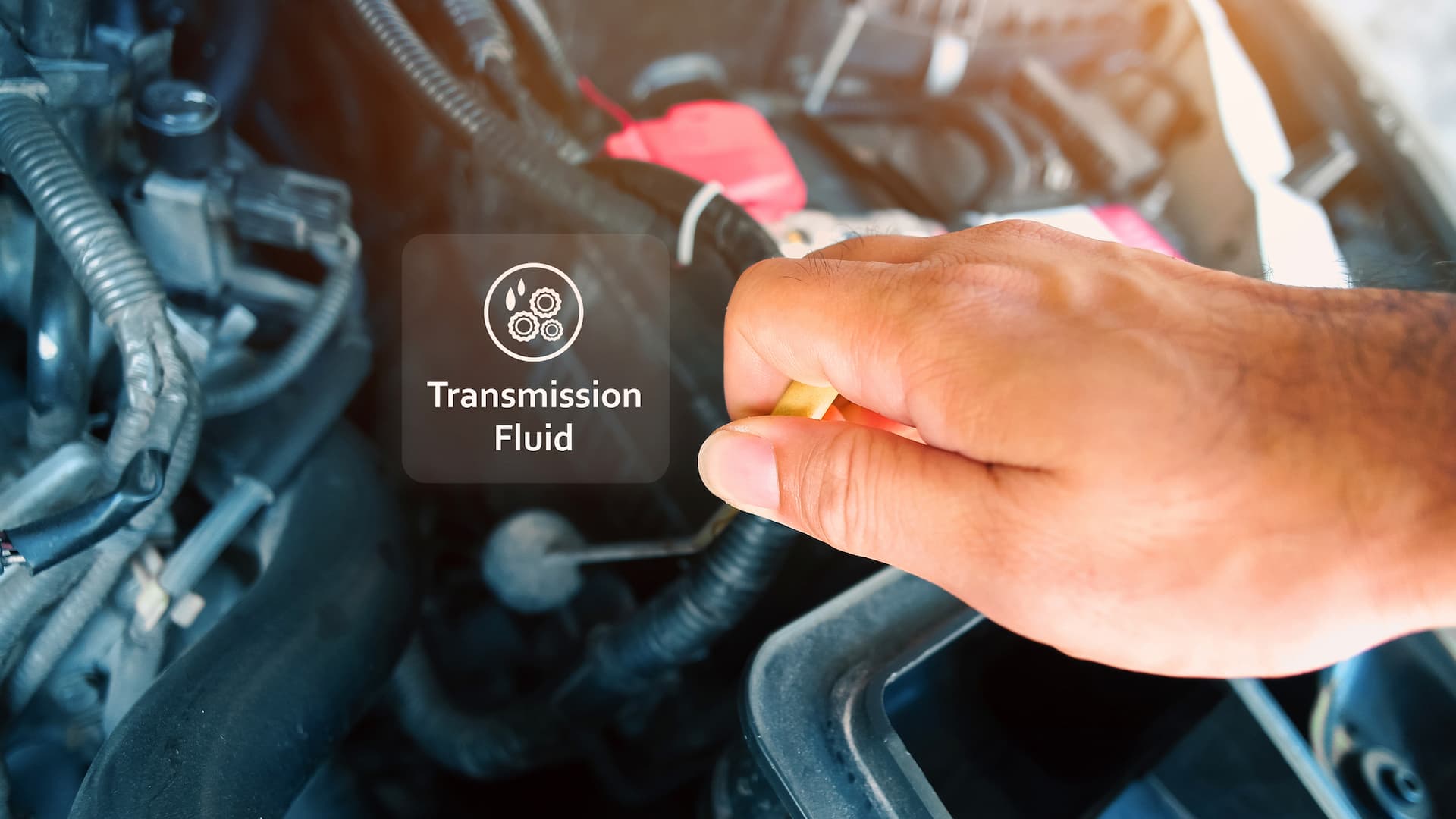
A transmission fluid change on the 2017 Audi Q7 requires draining the existing fluid from the ZF 8-speed automatic transmission, replacing the integrated pan and filter, refilling with Audi-approved fluid, and precisely setting the fluid level using an OBD scan tool while the fluid temperature is strictly between 35°C and 45°C.
Understanding the 2017 Audi Q7 Transmission
The second-generation 2017 Audi Q7 (4M chassis) comes equipped with either a 2.0-liter turbocharged inline-4 (2.0 TFSI) or a 3.0-liter supercharged V6 (3.0 TFSI) engine. Both engine options send power to the Quattro all-wheel-drive system through an 8-speed torque-converter automatic transmission designed and manufactured by ZF Friedrichshafen AG (typically the ZF 8HP55A or 8HP65A series).
This transmission is widely celebrated for its rapid shift times, smooth torque delivery, and thermal efficiency. However, maintaining its long-term performance requires proper fluid management.
- Engine Torque Output
- ZF 8-Speed Transmission
- Torsen Center Differential
- Front & Rear Axles
- Hydraulic Control Unit / Mechatronic
- ZF Lifeguard Fluid 8 Fluid Loop
- Torsen Center Differential
- ZF 8-Speed Transmission
The "Lifetime Fill" Myth vs. Reality
Audi officially lists the automatic transmission fluid in the 2017 Q7 as a "lifetime fill," meaning no routine maintenance interval is specified in standard factory maintenance schedules under normal operation. In manufacturer terms, "lifetime" typically refers to the designated design lifecycle of the vehicle (often around 100,000 miles or the original warranty period).
In contrast, ZF—the actual manufacturer of the transmission—recommends changing the fluid and filter every 80,000 to 120,000 kilometers (approximately 50,000 to 75,000 miles) or every 8 years, whichever comes first. Off-road driving, heavy towing, aggressive driving, or sustained high-speed operation degrade the fluid faster, making maintenance necessary to prevent thermal degradation and valve body wear.
Signs Your 2017 Audi Q7 Needs Fresh Transmission Fluid
Automatic transmission fluid (ATF) performs three primary functions: hydraulic pressure transmission, lubrication of planetary gear sets, and cooling. As heat and friction degrade the fluid's friction modifiers and viscosity index improvers, several symptoms may emerge:
- Hesitant or Harsh Shifting: Slipping, delayed gear engagement, or hard downshifts (especially when coming to a complete stop or shifting between 2nd and 1st gear).
- Transmission Flare: A temporary spike in engine RPM between gear shifts without an increase in acceleration.
- Thermal Discoloration or Odor: Used ATF that appears dark brown or black instead of translucent green/amber, accompanied by a burnt smell.
- Increased Operating Noise: Whining or humming noises from the transmission pump area due to fluid cavitation or reduced viscosity.
- Diagnostic Trouble Codes (DTCs): OBD2 codes related to gear ratio errors, torque converter clutch slip, or hydraulic pressure anomalies stored in the Transmission Control Module (TCM).
Required Tools, Parts, and Fluid Specifications
Servicing the ZF 8-speed transmission in the 2017 Audi Q7 requires precise tools and correct fluid formulations. Using generic multi-vehicle transmission fluids can impair shift quality or cause clutch slippage.
Fluid Specification
- Fluid Type: ZF LifeguardFluid 8 or Audi Genuine Transmission Fluid meeting spec G 060 162 A2.
- Capacity: Full system dry capacity is roughly 9 to 10 liters. A standard fluid and filter drain-and-fill service requires 5.5 to 7.0 liters, as a portion remains inside the torque converter and cooler lines.
Key Tools & Equipment
- Diagnostic Scanner: VCDS (Ross-Tech), OBDeleven, or an equivalent professional diagnostic tool capable of reading real-time Transmission Control Module (TCM) live data (specifically Transmission Fluid Temperature).
- Fluid Transfer Pump: A fluid fill pump equipped with a curved or threaded fluid filler adapter (M22x1.5 or universal hook adapter for European bottom-fill ports).
- Torque Wrench: Capable of low torque values (in-lbs / Nm range: 4 Nm to 30 Nm).
- Socket and Hex Set: T27, T30 Torx bits, 8mm Hex bit, 10mm socket, 13mm socket.
- Safety Gear & Catch Basin: Eye protection, chemical-resistant gloves, and a graduated drain pan to measure fluid volume removed.
Step-by-Step Guide: 2017 Audi Q7 Transmission Fluid & Filter Change
- Step 1: Vehicle Prep & Leveling
- Step 2: Cool Down & Drain Fluid
- Step 3: Remove Pan & Replace Filter
- Step 4: Initial Cold Fill
- Step 5: Start Engine & Cycle Gears
- Step 6: Diagnostic Temp Level Check
Step 1: Vehicle Preparation and Leveling
- Drive the vehicle until warmed up, then park it over a vehicle lift or four heavy-duty jack stands.
- Crucial: Ensure the vehicle is perfectly level in both front-to-back and side-to-side orientations using a spirit level on the subframe or rocker panels. Imbalance will lead to inaccurate fluid level measurement.
- Remove the engine splash shields and transmission acoustic belly pans using a Torx driver to access the transmission oil pan.
Step 2: Draining the Old Fluid
- Ensure the engine is off and the transmission fluid has cooled to below 30°C (86°F).
- Place a graduated drain basin underneath the transmission drain plug.
- Remove the fill plug first (located on the side or rear of the transmission case) to ensure it is not seized before draining the fluid.
- Remove the main drain plug located on the bottom of the plastic pan using the appropriate hex key. Allow the fluid to drain completely into the measuring container. Expect roughly 3.5 to 4.5 liters during this initial drain.
Step 3: Pan Removal and Filter Replacement
- Loosen the plastic transmission pan bolts in a diagonal cross pattern from the outer edges inward to prevent warping the sealing surface.
- Carefully lower the pan. Note that residual fluid will remain in the pan reservoir.
- Inspect the pan's integrated magnets. A thin coating of fine metallic sludge is normal; large metal flakes or brass particles indicate structural mechanical wear.
- Clean the transmission housing mating surface using clean shop towels and isopropyl alcohol or residue-free brake cleaner.
- Install the new transmission pan kit (which includes a new integrated filter screen, pan gasket, and fresh plastic or coated metal mounting bolts).
- Torque the new pan bolts in a cross pattern according to factory sequence. Plastic pan bolt torque is typically 10 Nm (always verify against the specific kit manufacturer guidelines).
Step 4: Initial Cold Fluid Fill
- Reinstall the bottom drain plug with a new O-ring/crush washer to 30 Nm.
- Connect your fluid transfer pump adapter securely to the fill port on the side of the housing.
- Pump fresh ZF LifeguardFluid 8 into the transmission until fluid begins to overflow out of the fill hole. This initial cold fill usually accepts roughly 3.5 to 4.5 liters.
- Loosely reinstall the fill plug. Do not fully torque it yet.
Step 5: Engine Run and Gear Cycling
- Connect your OBD diagnostic tool (VCDS or OBDeleven) to the vehicle's OBD-II port and select the Transmission Control Module (Address 02). Monitor live data field for Transmission Fluid Temperature.
- Start the engine while keeping your foot firmly on the brake pedal. Allow the engine to idle.
- With the engine idling, shift the gear selector slowly through each gear position: P -> R -> N -> D -> manual mode (1st and 2nd gear), holding each position for at least 3 to 5 seconds to purge air pockets from the valve body solenoids and clutch channels.
- Return the gear selector to Park (P) and leave the engine running at idle.
Step 6: Fluid Temperature-Dependent Level Adjustment
- Monitor the live transmission fluid temperature readout on your scanner. The level MUST be set while the temperature is between 35°C (95°F) and 45°C (113°F) (in cold climates, do not exceed 50°C).
- With the engine still running in Park, remove the fill plug.
- If no fluid drips out, pump additional fluid into the fill port until a light continuous stream drips out of the fill hole.
- Once the fluid flow tapers off to a steady drip within the 35°C–45°C window, install the fill plug and torque it to 35 Nm.
- Turn off the engine. Clean off any residual fluid from the case, reinstall the underbody protection shields, and clear any historical DTCs stored during the procedure.
Technical Specifications and Fastener Torque Reference
| Parameter / Fastener | Specification / Torque Value | Notes |
|---|---|---|
| Transmission Type | ZF 8HP55A / ZF 8HP65A | 8-Speed Torque Converter Automatic |
| Approved Fluid Specification | Audi G 060 162 A2 / ZF LifeguardFluid 8 | Green/Amber fluid color |
| Service Fill Volume | ~5.5 to 7.0 Liters | Drain & filter replacement standard |
| Full Dry Capacity | ~9.5 Liters | Includes torque converter & cooler lines |
| Fluid Check Temperature Range | 35°C to 45°C (95°F to 113°F) | Must be verified via OBD live data |
| Transmission Pan Bolts | 10 Nm | Replace bolts if aluminum/stretch type |
| Bottom Drain Plug | 30 Nm | Replace sealing washer |
| Side Fill Plug | 35 Nm | Check O-ring condition |
Service Cost Analysis: DIY vs. Independent Specialist vs. Dealership
Maintaining a 2017 Audi Q7 involves choosing between self-service, an independent specialist, or an official dealership. The breakdown below details typical regional cost ranges:
DIY Approach: $200 - $350 (Parts/Fluid only)
Independent Shop: $550 - $850 (Parts + 2-3 hrs Labor)
Audi Dealership: $900 - $1,400+ (OEM Rates + Flush protocols)
DIY Method:
- Parts Cost: Kit including 7 liters of ZF Lifeguard 8, new pan/filter assembly, new gasket, hardware, and plugs costs $200 to $350.
- Required Investment: Diagnostic tool ($100–$200 if not already owned) and fluid transfer pump ($40–$80).
Independent European Specialist:
- Labor & Parts: Most independent shops charge 2 to 3 hours of labor at $130–$200/hour plus parts markup. Total cost generally spans $550 to $850.
Authorized Audi Dealership:
- Cost: Often ranges from $900 to $1,400+. Note that some dealerships may decline fluid changes on high-mileage units citing Audi's official "lifetime fill" policy, unless specifically requested or required due to component repair.
Common Mistakes to Avoid
- Checking Fluid Level with the Engine Off: Checking the fluid level with the engine turned off will cause an severe underfill. When the engine is off, fluid drains back out of the torque converter and cooler system into the pan, creating a false reading. The engine must be idling during the final fill check.
- Ignoring the Temperature Window: ATF expands significantly as its temperature rises. Setting the level above 50°C results in an underfilled transmission once cooled. Setting the level below 35°C results in an overfilled transmission when warm, leading to fluid foaming and pressure drops.
- Using Generic Multi-Vehicle ATF: The ZF 8-speed uses specific friction modifiers. Generic multi-vehicle fluids can lead to torque converter clutch judder, slip, and accelerated friction plate wear.
- Reusing Stretched Pan Hardware: Many ZF 8HP plastic pans use single-use aluminum or specially coated bolts. Reusing old, stretched bolts can cause improper clamping pressure and leaks.
Frequently Asked Questions
Can I flush the transmission fluid instead of doing a drain and fill?
A conventional high-pressure fluid flush is not recommended for the ZF 8-speed transmission in the 2017 Audi Q7. High-pressure external flushing can dislodge debris and force it into the fine micro-passages of the Mechatronic valve body. A drain, pan/filter replacement, and fluid refill procedure is the safe, factory-approved method.
What happens if the transmission fluid level is too low?
Low fluid levels can cause delayed gear engagement, severe slipping under acceleration, noisy pump cavitation, harsh gear shifts, and elevated operating temperatures. Over time, friction plates will burn out due to insufficient pressure and lubrication.
Should I reset the transmission adaptation values after changing the fluid?
Resetting transmission adaptation values is generally not required for a simple fluid change on a smooth-shifting transmission. The Transmission Control Module (TCM) will naturally adapt to fresh fluid over time. However, if the service was performed to solve shift quality issues, an adaptation reset via VCDS followed by a structured adaptation drive cycle may be beneficial.
Is the filter built into the transmission pan on the 2017 Audi Q7?
Yes, for most 2017 Audi Q7 models equipped with plastic pans, the suction filter element and fine mesh screen are permanently integrated into the bottom of the plastic oil pan. Changing the filter requires replacing the entire oil pan assembly.
How do I verify if my Q7 has a metal or plastic transmission pan?
Inspect the underside of the vehicle. A plastic pan features molded cooling ribs and a recessed plastic drain plug, whereas a metal pan has a flat stamped steel surface with a traditional metal hex drain bolt. Most 2017 4M Q7 variants utilize the integrated plastic pan.
Final Recommendations
To maximize the reliability of your 2017 Audi Q7's ZF 8-speed transmission, do not rely strictly on factory "lifetime fill" claims if you intend to keep the vehicle long-term. Plan a complete transmission fluid and filter service every 50,000 to 60,000 miles.
If performing the service yourself, ensure you have an accurate OBD live-data scanner, a level workspace, and genuine ZF LifeguardFluid 8 (or Audi specification G 060 162 A2). If you do not have access to an OBD scanner or a means to level the vehicle safely, have the procedure completed by a qualified independent European automotive technician.