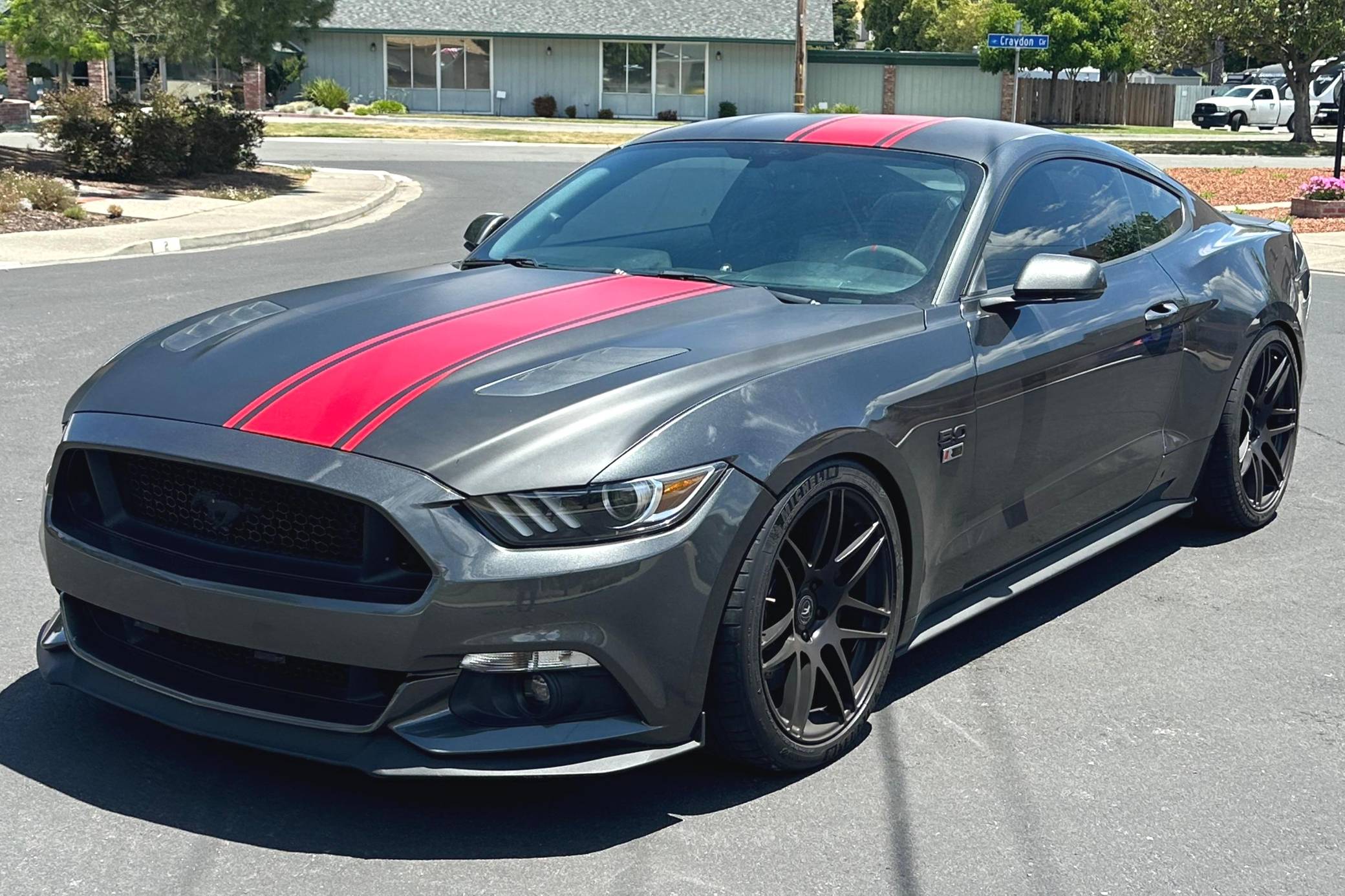
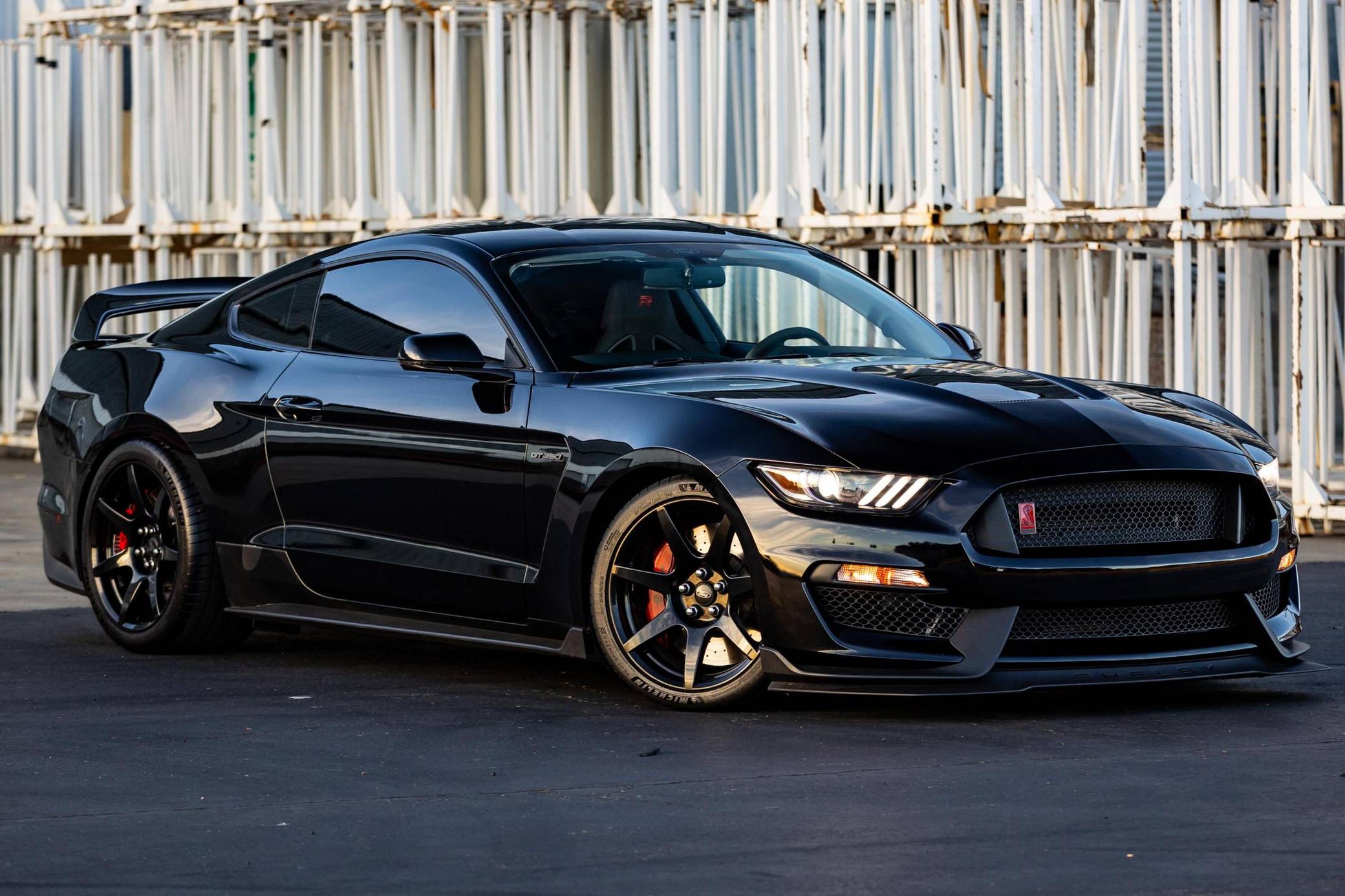
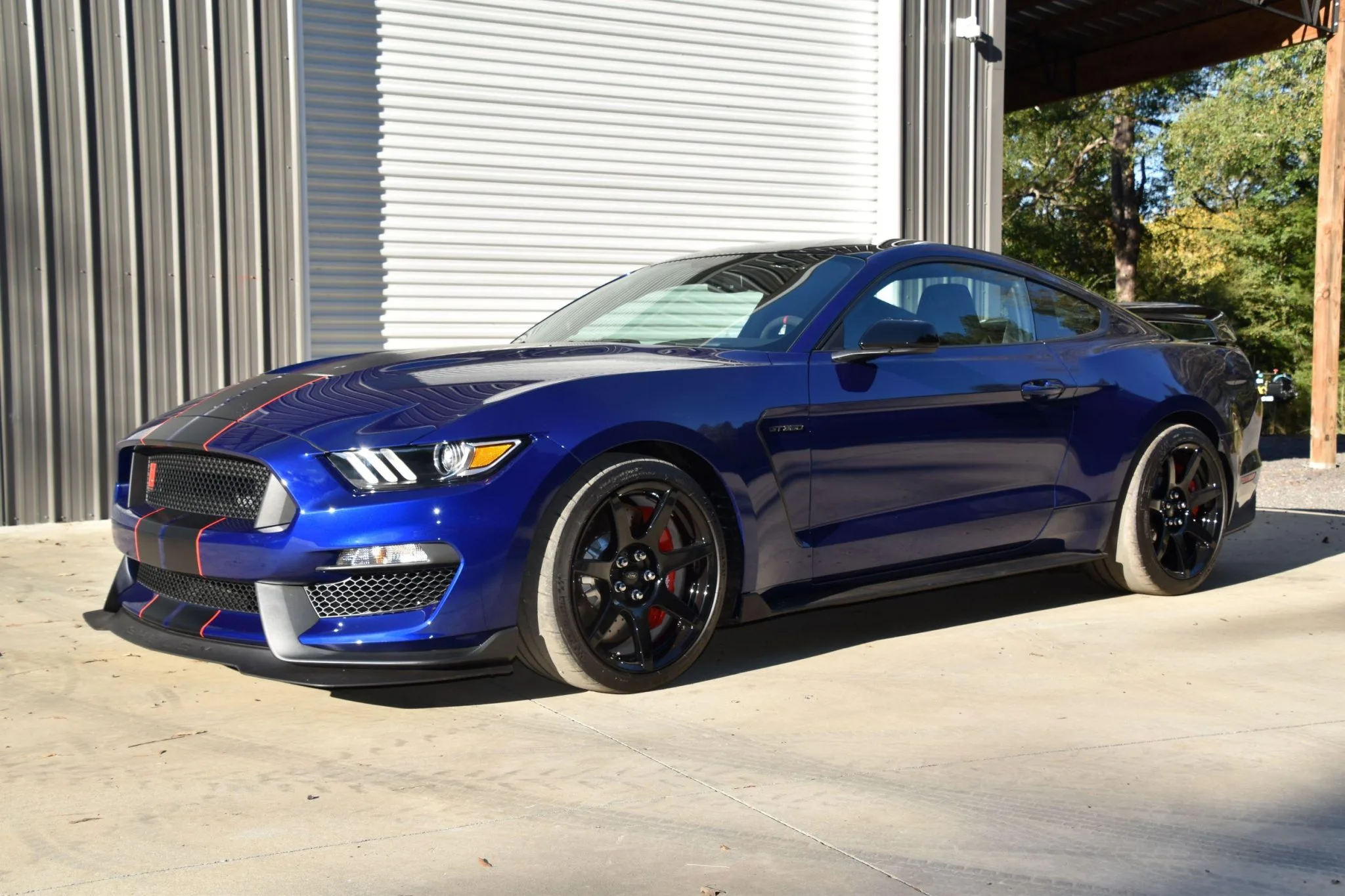
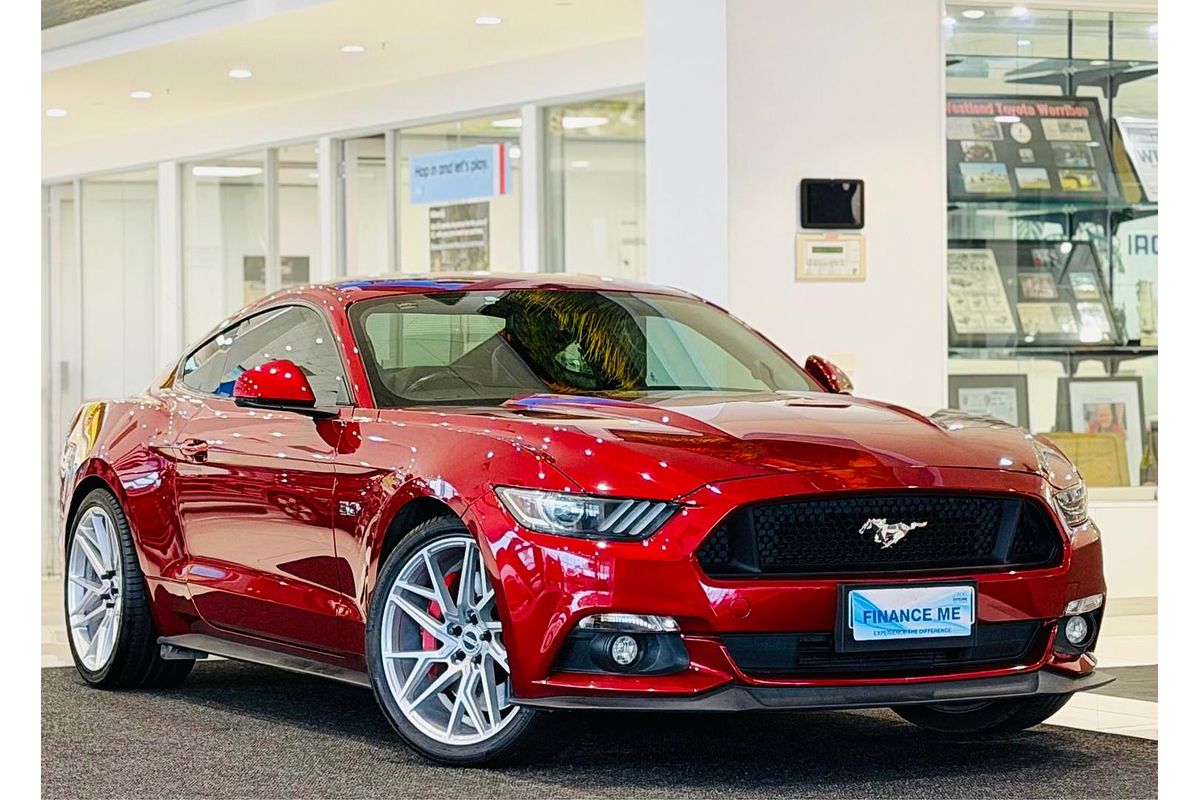
The 2016 Mustang GT, equipped with the 5.0L Coyote V8 engine, carries an official EPA fuel economy rating of 15 mpg in the city and 25 mpg on the highway for the manual transmission, resulting in a combined 19 mpg. The automatic transmission variant is rated slightly lower at 15 city, 24 highway, and 18 combined mpg.
As we look at the 2016 Ford Mustang GT from the perspective of 2026, this vehicle remains a benchmark for the "S550" generation of American muscle. While buyers primarily choose the GT for its 435-horsepower V8 and visceral exhaust note, understanding its fuel consumption is critical for managing ownership costs—especially as these vehicles have now reached a decade of service. This guide breaks down the technical reasons behind these ratings, real-world expectations, and how various factory configurations impact your trips to the pump.
Official EPA Fuel Economy Ratings for the 2016 Mustang GT
When Ford released the 2016 Mustang GT, it was tasked with balancing high-performance output with increasingly stringent federal fuel economy standards. The 5.0-liter "Coyote" V8 engine utilized several advanced technologies to achieve its ratings, but the sheer displacement and cylinder count naturally limit its efficiency compared to the turbocharged EcoBoost variants.
The fuel economy ratings for the 2016 Mustang GT vary based on the transmission choice:
- 6-Speed Manual Transmission: 15 City / 25 Highway / 19 Combined MPG
- 6-Speed SelectShift Automatic: 15 City / 24 Highway / 18 Combined MPG
It is interesting to note that, unlike many modern vehicles where automatics are more efficient due to higher gear counts (like the 10-speed found in 2018+ models), the 2016 Mustang’s 6R80 automatic transmission actually lags slightly behind the manual in highway efficiency. This is largely due to the mechanical losses inherent in the torque converter and the specific gear spacing of the six-speed unit used during this production year.
According to the U.S. Department of Energy’s Fuel Economy database, the estimated annual fuel cost for a 2016 Mustang GT (based on 15,000 miles per year and historical premium fuel averages) was significantly higher than the industry average, a fact that remains true in 2026 as fuel prices and inflation have evolved.
Technical Factors Influencing 2016 Mustang GT Fuel Efficiency
The 2016 Mustang GT’s fuel economy is not just a product of engine size; it is a result of complex engineering choices regarding air intake, valve timing, and aerodynamics.
The Coyote V8 and Ti-VCT
The heart of the 2016 GT is the 5.0L V8, which features Twin Independent Variable Cam Timing (Ti-VCT). This technology allows the engine control module (ECM) to adjust the timing of the intake and exhaust camshafts independently. At cruising speeds or low loads, the system can optimize valve overlap to reduce pumping losses, which significantly helps the car reach that 25 mpg highway mark. However, under heavy acceleration, the system shifts to maximize power, causing fuel consumption to spike.
Aerodynamics and Weight
The S550 chassis introduced in 2015 (and carried into 2016) was more aerodynamic than the previous S197 generation, but it also became heavier. The 2016 Mustang GT fastback has a curb weight of approximately 3,700 to 3,800 pounds. This mass requires substantial energy to move from a standstill, which is why the city mpg remains a relatively low 15. The drag coefficient varies depending on whether the car is a fastback or a convertible, with the convertible typically seeing a slight dip in real-world highway efficiency due to increased air turbulence.
Rear Axle Ratios
One of the most significant "hidden" factors in a 2016 Mustang GT's MPG is the optional rear axle ratio. Ford offered three main ratios for this year:
- 3.31 Gears: The standard gear for the automatic and manual. This provides the best fuel economy by keeping engine RPMs low at highway speeds.
- 3.55 Gears: An optional mid-range gear that offers slightly more acceleration at the cost of a small percentage of fuel economy.
- 3.73 Gears: Found on the Performance Package (manual only). This gear set provides the most aggressive acceleration but keeps the engine spinning at higher RPMs on the highway, often resulting in real-world highway fuel economy closer to 21–22 mpg rather than the EPA-rated 25.
2016 Mustang Trim Comparison Table
To understand where the GT sits within the 2016 lineup, it is helpful to compare it to the other available engines for that year.
| Engine Option | Horsepower | Torque (lb-ft) | EPA Rating (City/Hwy/Comb) | Fuel Type |
|---|---|---|---|---|
| 3.7L V6 | 300 | 280 | 17 / 28 / 21 (Auto) | Regular |
| 2.3L EcoBoost | 310 | 320 | 22 / 32 / 25 (Manual) | Premium |
| 5.0L GT V8 | 435 | 400 | 15 / 25 / 19 (Manual) | Premium* |
| 5.2L Voodoo (GT350) | 526 | 429 | 14 / 21 / 16 | Premium |
*While the GT can run on 87 octane regular fuel, Ford recommends 93 octane premium to achieve the advertised 435 horsepower and 400 lb-ft of torque. Using lower octane fuel may slightly decrease both performance and fuel efficiency as the engine computer retards timing to prevent knocking.
Real-World Driving: What to Expect in 2026
While EPA numbers provide a standardized baseline, real-world results for a 2016 Mustang GT vary wildly based on driving style. In the enthusiast community, it is often joked that the "MPG" stands for "Smiles Per Gallon," but for those using the car as a daily driver, the data is more specific.
Highway Cruising
On flat terrain with the cruise control set to 65–70 mph, owners of the 2016 GT with 3.31 gears frequently report achieving 26 or even 27 mpg. The 6th gear in both transmissions is a deep overdrive designed specifically to facilitate this. However, once speeds exceed 75 mph, the aerodynamic drag increases exponentially, and fuel economy usually drops back down to the 22–23 range.
City and Spirited Driving
In stop-and-go urban traffic, the 2016 Mustang GT struggles. Frequent idling and the energy required to get 3,700 lbs moving mean that 13–14 mpg is common in heavy city use. Furthermore, "spirited" driving—utilizing the car's 435 hp to its full extent—can easily drop the fuel economy into the single digits. This is because the engine moves into an "open loop" fuel map under wide-open throttle, prioritizing engine cooling and maximum power over stoichiometric efficiency.
Impact of Modifications
By 2026, many 2016 Mustangs on the road have been modified. Common modifications include:
- Cold Air Intakes & Tunes: These can sometimes improve fuel efficiency slightly by optimizing the air-fuel ratio, but most "performance" tunes prioritize power and may actually decrease mpg.
- Wider Tires: Upgrading from the base 235mm tires to 275mm or 305mm performance tires increases rolling resistance and aerodynamic drag, usually costing 1–2 mpg.
- E85 Conversions: Many 5.0L owners switch to E85 (85% Ethanol) for more power. Because ethanol has lower energy density than gasoline, fuel economy typically drops by 25–30% when running this fuel.
Maintenance and Its Effect on MPG at 10 Years Old
As the 2016 Mustang GT reaches its 10th anniversary in 2026, maintenance becomes a primary factor in maintaining its original EPA ratings. A neglected GT will see a marked decline in efficiency.
Oxygen Sensors and Air-Fuel Ratio
The S550 Mustang uses wideband oxygen sensors from the factory. Over time, these sensors can become "lazy" or fouled by carbon deposits. If the sensors do not report accurately, the ECM may run the engine "rich" (too much fuel), which wastes gas and can eventually damage the catalytic converters. Replacing these sensors at the 100,000-mile mark is a standard recommendation to restore fuel economy.
Spark Plugs and Ignition
The 5.0L Coyote engine is sensitive to spark plug gap and condition. Worn plugs can cause micro-misfires that don't always trigger a Check Engine Light but do result in unburnt fuel exiting the exhaust. In 2026, any 2016 GT that hasn't had a spark plug change in the last 50,000 miles is likely underperforming in terms of fuel efficiency.
Intake Manifold Carbon Buildup
The 2016 GT uses port fuel injection (unlike the 2018+ models which use a dual port/direct injection system). While port injection keeps the intake valves cleaner than direct injection, the Intake Manifold Runner Control (IMRC) butterflies can still accumulate grime over a decade of use. Ensuring these mechanical components move freely is essential for the engine to breathe efficiently at low RPMs.
Frequently Asked Questions
Does the 2016 Mustang GT require premium gas to get good MPG?
The 2016 Mustang GT is designed to run on 87-octane regular gasoline, but the engine's compression ratio of 11.0:1 means it is most efficient with 93-octane premium. Using premium fuel allows the engine to run more advanced ignition timing, which can lead to a slight improvement (roughly 1–2 mpg) in highway cruising compared to regular fuel, in addition to providing the full rated horsepower.
How does the 2016 Mustang GT MPG compare to the 2016 Camaro SS?
The 2016 Chevrolet Camaro SS featured a 6.2L LT1 V8 with Direct Injection and Active Fuel Management (cylinder deactivation). Because of these technologies, the automatic 2016 Camaro SS was rated at 17 city / 28 highway, outperforming the Mustang GT in efficiency. The Mustang GT, however, did not use cylinder deactivation, which some enthusiasts prefer for its consistent exhaust note and mechanical simplicity.
Does the "Drive Mode" affect fuel economy in the 2016 GT?
Yes, but primarily on models equipped with the automatic transmission. In "Normal" or "Snow/Wet" modes, the transmission shifts early to keep RPMs low. In "Sport+" or "Track" modes, the transmission holds gears longer and downshifts aggressively, which will significantly decrease your fuel economy. In manual transmission cars, the drive mode mainly changes throttle mapping and steering weight, so the MPG is almost entirely dependent on your shifting habits.
What is the fuel tank capacity and range of the 2016 Mustang GT?
The 2016 Mustang GT has a 16.0-gallon fuel tank. Based on the combined EPA rating of 19 mpg, the theoretical range is approximately 304 miles per tank. However, most drivers will see the "Low Fuel" warning around 250–270 miles. On a pure highway trip at 25 mpg, a total range of 400 miles is mathematically possible but rarely achieved in practice due to the reserve fuel buffer.
Why is my 2016 Mustang GT getting much lower than 15 mpg in the city?
Short trips where the engine does not reach full operating temperature are the most common cause of poor city MPG. A cold V8 engine runs in "warm-up" mode, which uses significantly more fuel. Other factors include heavy wheels, low tire pressure, or a sticking brake caliper, which are more common as the vehicle ages into 2026.
Final Recommendation for Owners and Buyers
For those looking to maximize the efficiency of a 2016 Mustang GT in 2026, the best approach is a combination of meticulous maintenance and strategic driving. Ensure that the tires are inflated to the door-sticker pressure (usually 32–35 PSI), as even a 5 PSI drop can noticeably increase rolling resistance. If you are shopping for a used 2016 GT and fuel economy is a secondary concern, look for a model with the 3.31 rear axle ratio and the manual transmission to achieve the highest possible highway returns.
Ultimately, while the 2016 Mustang GT is not an "economy car" by any modern definition, its ability to deliver 25 mpg on the highway makes it a surprisingly capable long-distance grand tourer. Keeping the 5.0L Coyote engine in peak mechanical condition will ensure that you continue to get the best possible balance of performance and fuel consumption for years to come.