Maintaining a 2014 Toyota Tundra requires selecting the correct engine oil weight, meeting proper fluid capacity specifications, and adhering to strict maintenance intervals to ensure long-term reliability and peak performance. Depending on whether your Tundra is equipped with the 4.0-liter V6, the 4.6-liter V8, or the powerhouse 5.7-liter V8 engine, the oil requirements, filter types, and fluid capacities will vary significantly, making precise identification essential for proper vehicle service.
2014 Toyota Tundra Engine Specifications and Oil Viscosity Overview
Understanding your specific engine option is the first step toward proper fluid maintenance. The 2014 Toyota Tundra was offered with three distinct powerplant configurations, each engineered with specific lubrication requirements designed to minimize internal friction, optimize fuel efficiency, and withstand heavy towing and hauling demands.
4.0L V6 (1GR-FE)
The 4.0-liter V6 engine utilizes a dual overhead cam (DOHC) design with Dual VVT-i (Variable Valve Timing with intelligence). For this engine, Toyota specifies 0W-20 synthetic oil. Synthetic 0W-20 oil flows rapidly during cold winter startups while maintaining a stable protective film under high operating temperatures, reducing wear on precision timing components and valve train mechanisms.
4.6L V8 (1UR-FE) and 5.7L V8 (3UR-FE)
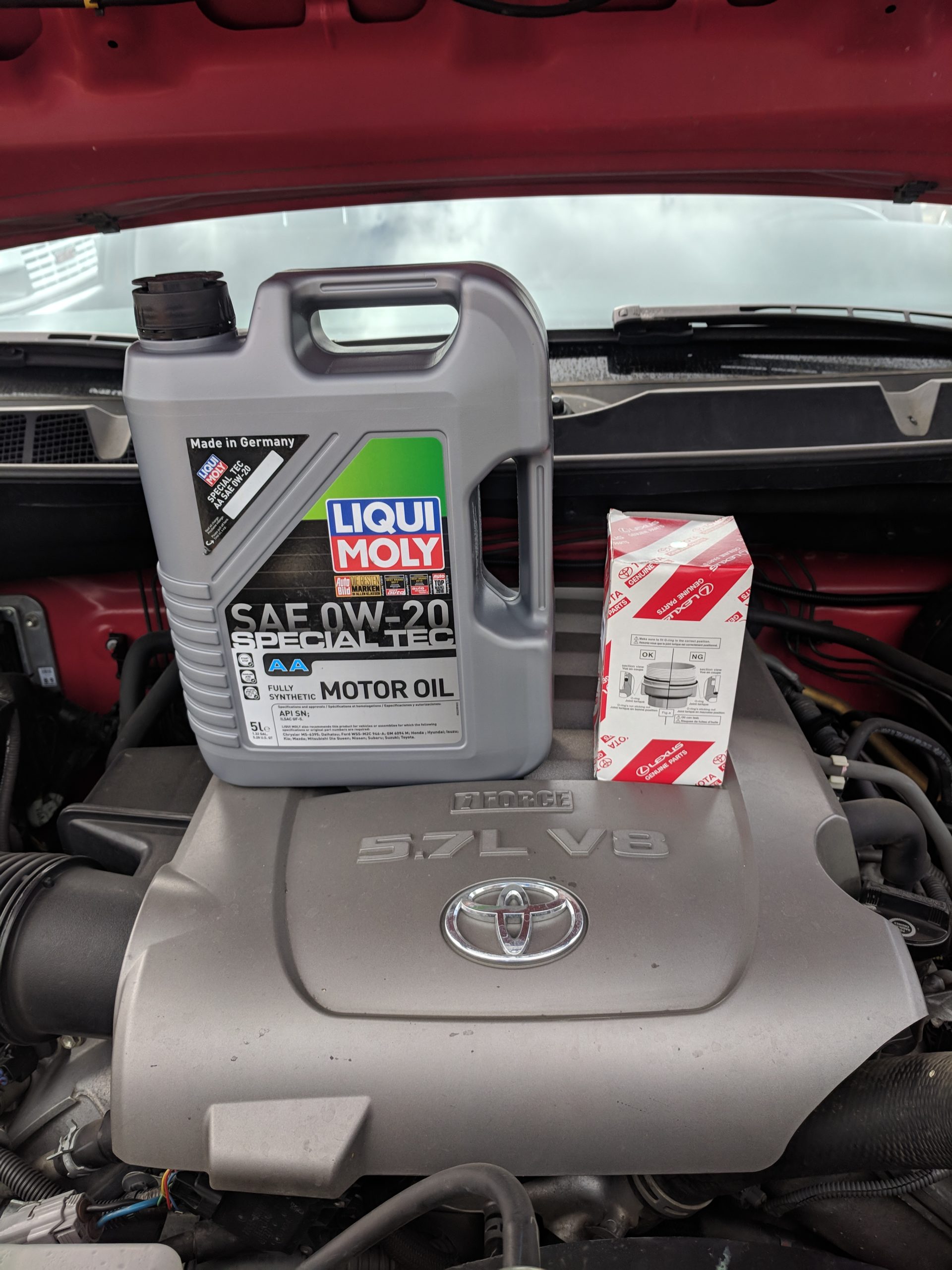
Both the 4.6-liter and the larger 5.7-liter V8 engines also require 0W-20 synthetic oil. Toyota transitioned these heavy-duty truck engines to low-viscosity full synthetic formulations to enhance fuel economy without sacrificing high-load protection. Using conventional oil or incorrect viscosities in these engines can lead to premature wear, reduced fuel efficiency, and potential damage to the variable valve timing actuators.
Oil Capacity with Filter Replacement
When performing a routine oil change on a 2014 Toyota Tundra, replacing the oil filter is standard practice. The total fluid volume required includes the oil held within the filter canister and internal engine galleries.
| Engine Size | Engine Code | Oil Viscosity | Oil Capacity (with Filter) | Oil Type |
|---|---|---|---|---|
| 4.0L V6 | 1GR-FE | 0W-20 | 5.5 Quarts (5.2 Liters) | Full Synthetic |
| 4.6L V8 | 1UR-FE | 0W-20 | 7.9 Quarts (7.5 Liters) | Full Synthetic |
| 5.7L V8 | 3UR-FE | 0W-20 | 7.9 Quarts (7.5 Liters) | Full Synthetic |
Note: Always verify the oil level using the dipstick after filling. Add oil gradually, run the engine for a brief moment to fill the new oil filter, shut it down, wait a few minutes for oil to drain back into the pan, and recheck the level against the full mark.
Step-by-Step Oil Change Procedure for the 2014 Toyota Tundra
Performing an oil change on a 2014 Toyota Tundra is a straightforward task, but the V8 models feature a cartridge-style oil filter housing rather than a traditional spin-on metal canister. Having the correct specialty tools prevents damage to the plastic housing components.
Tools and Supplies Needed
- 0W-20 Full Synthetic Engine Oil (at least 8 quarts for V8 models, 6 quarts for V6)
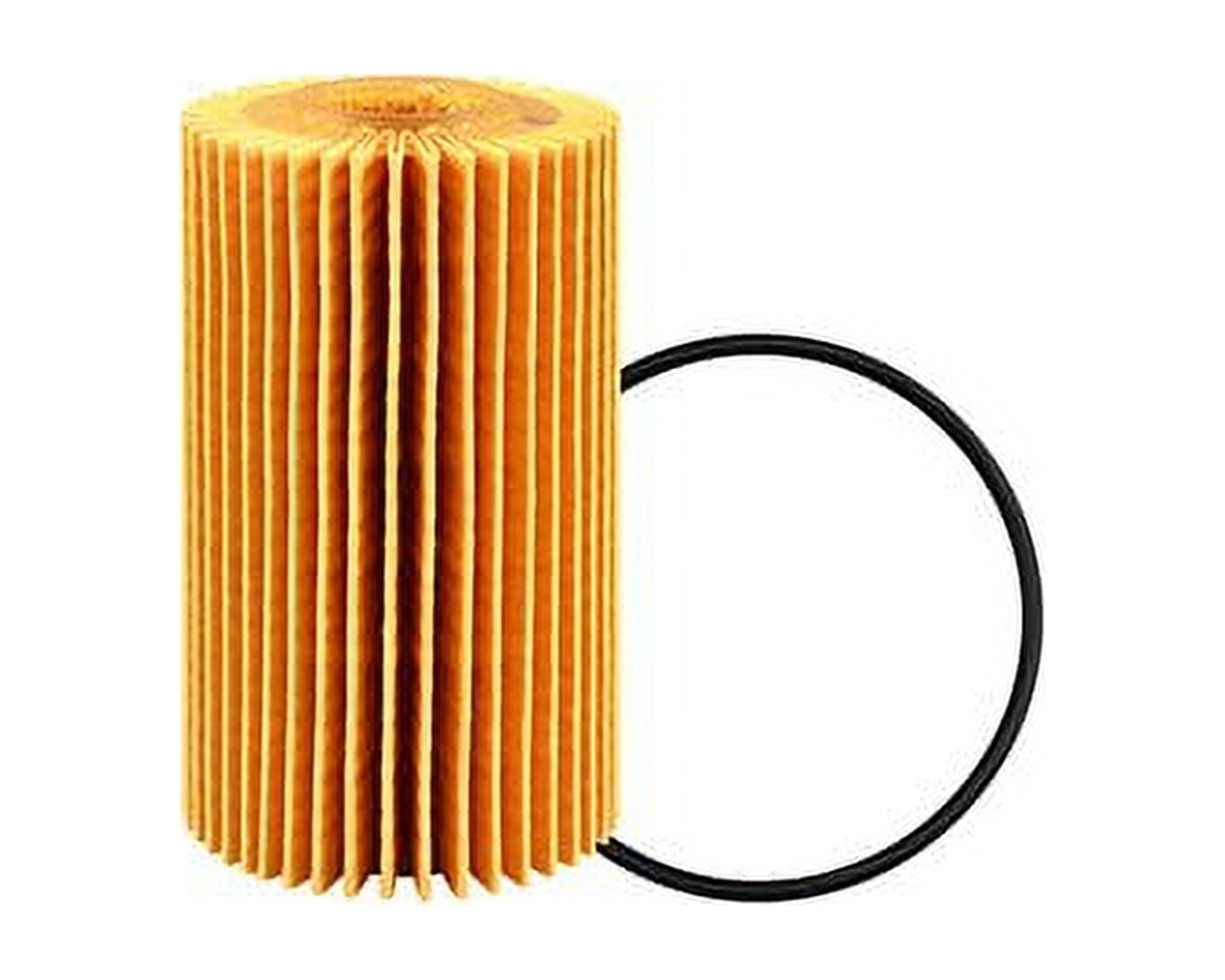
- Replacement Oil Filter cartridge (Toyota OEM Part No. 04152-YZZA4 or equivalent high-quality brand)
- Oil filter wrench adapter (specifically designed for Toyota/Lexus 64mm-65mm cartridge housings)
- 14mm socket and ratchet (for the oil pan drain plug)
- New crush washer for the drain plug
- Drain pan, funnel, shop rags, and safety glasses
- Hydraulic floor jack and heavy-duty jack stands (wheel ramps can also be used safely)
Step 1: Preparation and Safety
Park your Tundra on a flat, level surface, set the emergency brake, and chock the rear wheels. If you are lifting the vehicle with a floor jack, secure it firmly with certified jack stands before crawling underneath. Never rely solely on a hydraulic jack to support the vehicle while you work.
Step 2: Draining the Old Oil
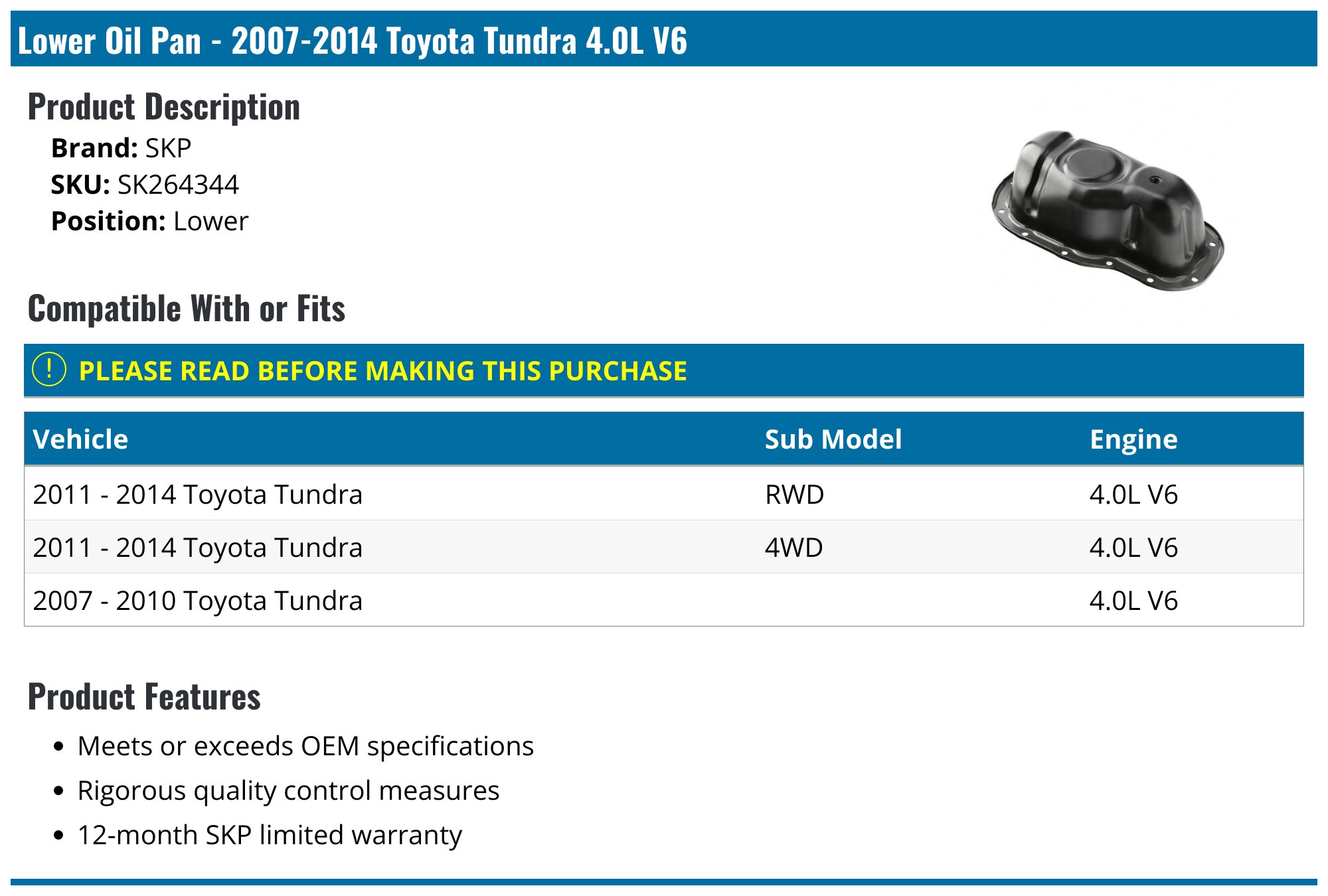
Locate the oil drain plug on the bottom of the oil pan. Place your drain pan underneath the plug. Use your 14mm socket to loosen the drain plug counterclockwise, then carefully remove it by hand, making sure to avoid contact with any warm engine oil. Allow the oil to drain completely until it drops to a slow drip. Inspect the old crush washer on the drain plug and replace it with a fresh one to prevent future leaks. Thread the drain plug back in by hand to avoid cross-threading, then torque it securely to manufacturer specifications.
Step 3: Replacing the Oil Filter
Position your drain pan under the oil filter housing. On the 4.6L and 5.7L V8 models, the filter housing features a small threaded plug at the bottom. Remove this small plug using a small hex key or drain tool to empty the housing before unscrewing the main canister. Attach your Toyota filter housing wrench and loosen the housing counterclockwise.
Remove the old filter element from the housing, discard it, and pry off the old rubber O-rings. Clean the housing thoroughly with a rag. Install the new O-rings supplied with your replacement filter kit, lubricating them lightly with fresh clean engine oil. Insert the new paper filter element into the housing and screw it back onto the engine block, tightening it securely according to the torque markings printed on the housing.
Step 4: Refilling with Fresh Oil
Remove the engine oil filler cap located on top of the valve cover. Insert a clean funnel and pour in the appropriate amount of 0W-20 full synthetic oil based on your engine size. Reinstall the oil filler cap tightly.
Step 5: Verification and Resetting the Maintenance Light
Start the engine and let it idle for 30 to 60 seconds while observing the dashboard oil pressure warning light, which should turn off almost immediately. Check underneath the truck for any signs of leaks around the drain plug and filter housing. Shut off the engine, wait five minutes, and pull the dipstick to confirm the oil level is correct. Finally, reset the maintenance reminder light on your instrument cluster using the multi-information display controls on your steering wheel.
Maintenance Intervals and Operating Conditions
Toyota specifies standard maintenance intervals for the 2014 Tundra, but these schedules can change depending on how and where the vehicle is driven.
- Standard Interval: Change the oil and filter every 10,000 miles or 12 months, whichever comes first, when using certified 0W-20 full synthetic oil meeting API certification standards.
- Severe Driving Conditions: Shorten the oil change interval to every 5,000 miles or 6 months if the Tundra frequently operates under severe conditions. Severe conditions include extensive idling, driving in dusty or sandy environments, making frequent short trips under sub-freezing temperatures, or regularly towing heavy trailers and hauling maximum payload capacities.
Frequently Asked Questions
Can I use conventional or synthetic blend oil in my 2014 Toyota Tundra?
No. Toyota explicitly specifies 0W-20 full synthetic oil for the 2014 Tundra engines. Using conventional or synthetic blend oils can alter internal lubrication properties, reduce fuel economy, and cause varnish buildup or premature wear on precision engine components.
What happens if I accidentally put 5W-30 or 10W-30 into my 2014 Tundra?
While running a slightly heavier oil for a brief period will not instantly ruin the engine, it is not recommended. Heavier oils restrict flow through tight internal clearances, impair cold-weather startup protection, and negatively affect variable valve timing operation, which relies on precise oil pressure and viscosity.
How do I reset the maintenance required light on a 2014 Tundra?
Turn the ignition key to the "ON" position without starting the engine. Use the steering wheel controls to navigate the multi-information display to "Settings," select "Vehicle Settings," find the "Scheduled Maintenance" or "Oil Maintenance" reset option, and confirm the reset prompt.
Is an OEM Toyota oil filter better than aftermarket options?
OEM Toyota oil filters (specifically designed for cartridge housings) feature precise internal bypass valves and high-grade filter media engineered specifically for Toyota's lubrication systems. While premium aftermarket brands meeting OEM specifications are acceptable, OEM filters guarantee exact fitment and filtration efficiency.
Practical Recommendations
When servicing your 2014 Toyota Tundra, always purchase genuine full synthetic 0W-20 oil that displays the American Petroleum Institute (API) certification seal and meets ILSAC standards. Keep detailed records of your oil changes, including mileage and date stamps, to protect your engine's longevity and maintain a verifiable maintenance history.