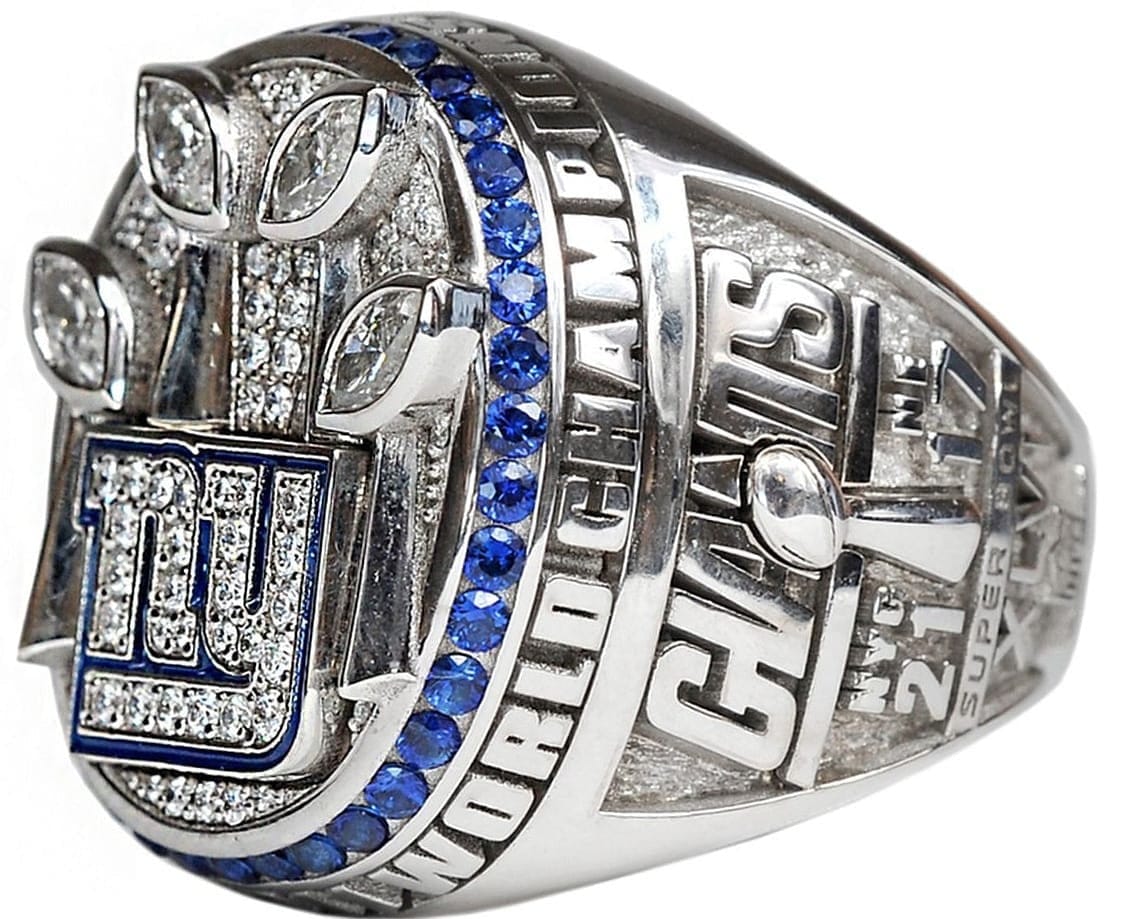
The New York Giants were the 2011 NFL champions, securing their fourth franchise Super Bowl title by defeating the New England Patriots 21–17 in Super Bowl XLVI. Led by quarterback Eli Manning and head coach Tom Coughlin, the Giants completed a historic postseason run on February 5, 2012, after entering the playoffs with a 9–7 regular-season record.
As of 2026, the 2011 Giants remain a subject of intense study for sports analysts and historians. Their victory represents one of the most significant examples of a "Cinderella story" in professional football, proving that regular-season momentum is often less critical than peaking at the exact right moment during the tournament phase. The 2011 season was also notable for being the first following the 2011 NFL lockout, a period of labor unrest that threatened the season but ultimately gave way to one of the most prolific passing years in league history.
The 2011 Regular Season: A Rollercoaster of Resilience
The path for the 2011 NFL champions was anything but certain. Coming off a 10–6 season in 2010 that saw them miss the playoffs due to a tiebreaker, the New York Giants entered the 2011 campaign with moderate expectations. The season was characterized by extreme volatility, featuring both high-scoring victories and devastating late-season collapses.
A Mid-Season Slump
After a promising 6–2 start, the Giants hit a four-game losing streak in November and December. During this stretch, they lost to the San Francisco 49ers, Philadelphia Eagles, New Orleans Saints, and Green Bay Packers. These losses exposed vulnerabilities in the secondary and a rushing attack that ranked last in the league for much of the year. Critics and fans alike questioned whether Tom Coughlin’s coaching style had lost its effectiveness and if Eli Manning could truly be considered an "elite" quarterback—a term Manning himself had used to describe his status in a preseason interview.
The Christmas Eve Turning Point
The season was saved in Week 16 during a high-stakes "Snoopy Bowl" matchup against the New York Jets. With their playoff hopes on the line, Victor Cruz ignited the team with a legendary 99-yard touchdown reception. This single play shifted the momentum of the franchise. The Giants defeated the Jets and followed it up with a Week 17 victory over the Dallas Cowboys to clinch the NFC East title. They finished 9–7, making them the first team in NFL history to win a Super Bowl after finishing the regular season with fewer than 10 wins and a negative point differential (having allowed more points than they scored).
The Postseason Path: Defying the Odds
To become the 2011 NFL champions, the Giants had to navigate an incredibly difficult NFC bracket. Their journey through the playoffs required them to defeat three teams that had significantly better regular-season records.
The Wild Card Round: Shutting Down Atlanta
The Giants began their run at home against the Atlanta Falcons. In a game defined by defensive dominance, New York held Matt Ryan and the Falcons to zero offensive points (Atlanta's only score came on a safety). The 24–2 victory served as a warning to the rest of the league that the Giants' pass rush, led by Jason Pierre-Paul, Justin Tuck, and Osi Umenyiora, had rediscovered its elite form.
The Divisional Round: Silencing Lambeau Field
The most daunting task of the postseason was a trip to Wisconsin to face the 15–1 Green Bay Packers. The Packers, led by MVP Aaron Rodgers, were the defending champions and heavy favorites to repeat. However, Eli Manning delivered a masterful performance, including a "Hail Mary" touchdown to Hakeem Nicks at the end of the first half. The Giants' defense harassed Rodgers throughout the afternoon, resulting in a 37–20 upset that shocked the football world.
The NFC Championship: Survival in the Mud
The Giants faced the San Francisco 49ers at a rain-soaked Candlestick Park for the right to go to the Super Bowl. It was a brutal, physical game that tested the endurance of both rosters. Eli Manning was hit a staggering 20 times during the contest but refused to leave the field. The game was eventually decided in overtime after two critical fumbles by 49ers returner Kyle Williams. Lawrence Tynes kicked a 31-yard field goal to secure a 20–17 victory, setting up a Super Bowl XLII rematch against the New England Patriots.
Super Bowl XLVI Breakdown: Giants vs. Patriots
Super Bowl XLVI took place at Lucas Oil Stadium in Indianapolis, Indiana. The matchup featured a fascinating dynamic: a rematch of the 2007 championship game where the Giants had ended the Patriots' pursuit of a perfect season.
The Opening Safety and Early Lead
The game began with a rare occurrence. Under heavy pressure from Justin Tuck, Tom Brady was called for intentional grounding while in his own end zone. This resulted in a safety, giving the Giants an early 2–0 lead. New York capitalized on the momentum, moving the ball effectively with short passes to Victor Cruz and Hakeem Nicks. By the end of the first quarter, the Giants led 9–0.
The Patriots' Surge
New England, ever the resilient powerhouse, responded in the second and third quarters. Tom Brady orchestrated two long touchdown drives, finding Danny Woodhead and Aaron Hernandez. The Patriots scored 17 unanswered points to take a 17–9 lead. It appeared as though Bill Belichick and Tom Brady were on the verge of avenging their previous loss to New York.
The Manningham Catch: A Moment of Brilliance
With less than four minutes remaining in the game and the Giants trailing 17–15, Eli Manning took over at his own 12-yard line. On the first play of the drive, Manning launched a deep pass down the left sideline to Mario Manningham. Despite tight coverage from two Patriots defenders, Manningham secured the catch while keeping both feet in bounds—a play that required near-perfect precision. This 38-yard gain flipped the field and is widely regarded as one of the greatest throws in Super Bowl history.
The Accidental Touchdown
As the Giants moved into the red zone, the Patriots faced a tactical dilemma. With very little time left, New England intentionally allowed Ahmad Bradshaw to score a touchdown so they could get the ball back for one final drive. Bradshaw attempted to stop himself at the one-yard line to bleed the clock, but his momentum carried him into the end zone. The Giants took a 21–17 lead, but Brady had 57 seconds left to work a miracle. The Giants' defense held firm, and a final "Hail Mary" pass from Brady fell incomplete as time expired.
| Category | New York Giants | New England Patriots |
|---|---|---|
| Total Points | 21 | 17 |
| Total Yards | 396 | 349 |
| Passing Yards | 296 | 276 |
| Rushing Yards | 114 | 83 |
| Turnovers | 0 | 1 |
| Time of Possession | 37:05 | 22:55 |
| First Downs | 25 | 21 |
| Penalties/Yards | 4-24 | 5-28 |
Strategic Analysis: How the Giants Won
The Giants' status as the 2011 NFL champions was built on specific strategic advantages that neutralized the Patriots' high-powered offense.
The "NASCAR" Package
The Giants utilized a specific defensive sub-package known as the "NASCAR" package. This involved putting four defensive ends on the field at the same time (Tuck, Umenyiora, Pierre-Paul, and Mathias Kiwanuka). This alignment prioritized speed and interior pressure, preventing Tom Brady from stepping up in the pocket. By disrupting Brady's rhythm without needing to blitz extra players, the Giants could keep seven defenders in coverage to limit New England’s elite tight ends, Rob Gronkowski and Aaron Hernandez.
Eli Manning’s Elite Evolution
Throughout the 2011 season and playoffs, Eli Manning set a new NFL record for the most passing yards in a single postseason (1,219 yards). His ability to remain calm under pressure and deliver accurate passes to a trio of diverse receivers—the explosive Victor Cruz, the physical Hakeem Nicks, and the reliable Mario Manningham—allowed the Giants to overcome a lack of a consistent running game.
Historical Significance and Legacy
The 2011 New York Giants are often compared to their 2007 counterparts. While both teams defeated the Patriots in the Super Bowl, the 2011 team is unique because of the statistical anomalies surrounding their season.
- The 9–7 Record: They remain the team with the worst regular-season record to ever win a Super Bowl. This has frequently sparked debates regarding the NFL's playoff format and whether the "best" team always wins the championship.
- The Manning Legacy: This victory earned Eli Manning his second Super Bowl MVP award, placing him in an elite group of quarterbacks with multiple Super Bowl rings and MVPs. It effectively cemented his eventual candidacy for the Pro Football Hall of Fame.
- Tom Coughlin’s Hall of Fame Credentials: The win made Tom Coughlin one of the few coaches to win multiple Super Bowls against the same legendary opponent (Belichick), further validating his "old school" disciplinary approach in a modern era.
As we look back from 2026, the 2011 NFL season is remembered as the pinnacle of the "Manning-Coughlin" era in New York. It was a season where statistical probability was discarded in favor of grit and timely execution.
Frequently Asked Questions
Who was the MVP of Super Bowl XLVI?
Eli Manning was named the Super Bowl MVP. He completed 30 of 40 passes for 296 yards and one touchdown with no interceptions. His completion percentage of 75% and his leadership during the 88-yard game-winning drive were the primary factors in his selection. This was his second Super Bowl MVP award, having previously won it for Super Bowl XLII.
What was the New York Giants' regular-season record in 2011?
The Giants finished the regular season with a 9–7 record. They won the NFC East by defeating the Dallas Cowboys in the final game of the season. Despite their modest record, they were able to secure the #4 seed in the NFC playoffs, which granted them one home game before they had to travel for the remainder of the postseason.
Who did the Giants beat in the 2011 playoffs?
On their way to becoming the 2011 NFL champions, the Giants defeated the Atlanta Falcons (Wild Card), the Green Bay Packers (Divisional), and the San Francisco 49ers (NFC Championship). Their victory over the 15–1 Packers is considered one of the greatest playoff upsets in the history of the league.
Where was Super Bowl XLVI played?
Super Bowl XLVI was played at Lucas Oil Stadium in Indianapolis, Indiana. This was significant as it was the home stadium of the Indianapolis Colts, the team Eli Manning's brother, Peyton Manning, played for at the time. The 2011 season was also the year Peyton Manning missed due to neck surgery, making Eli's victory in that specific stadium a major storyline.
What were the key statistics for the 2011 Giants defense?
While the defense struggled during the regular season (ranking 27th in yards allowed), they excelled in the playoffs. The unit was led by Jason Pierre-Paul, who had 16.5 sacks during the regular season. In the Super Bowl, the defense held the Patriots to just 17 points and limited New England to a 1-for-3 conversion rate in the red zone.
Final Recommendation for Fans and Historians
For those looking to study the 2011 NFL champions further, it is highly recommended to review the all-22 coaching film of the 2011 NFC Championship game against the San Francisco 49ers. While the Super Bowl provides the glamour, the NFC Championship game truly showcases the resilience and physical toughness that defined this championship squad. Understanding the defensive rotations used by coordinator Perry Fewell provides deep insight into how a "middle-of-the-pack" defense can transform into a championship-caliber unit over the course of four weeks.