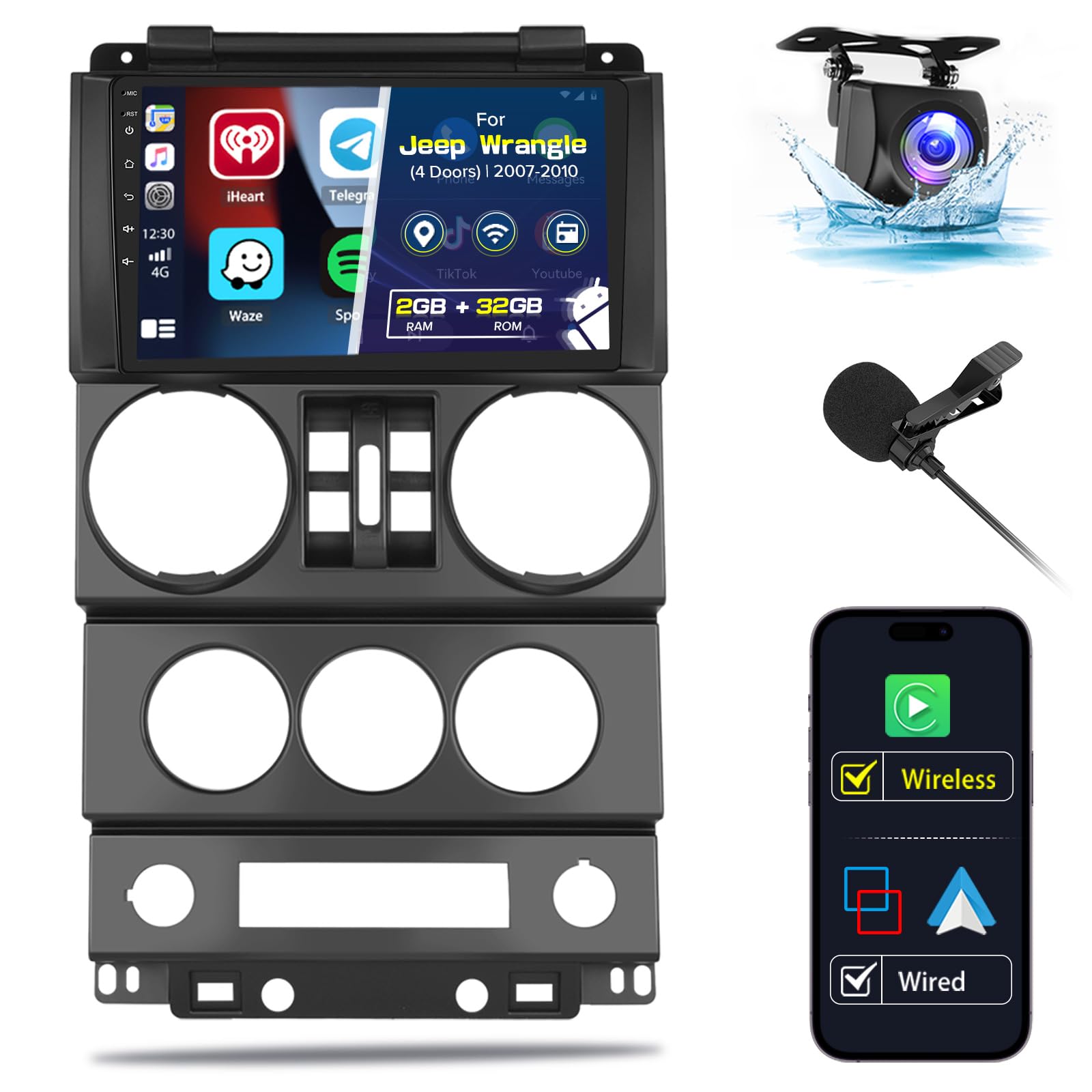
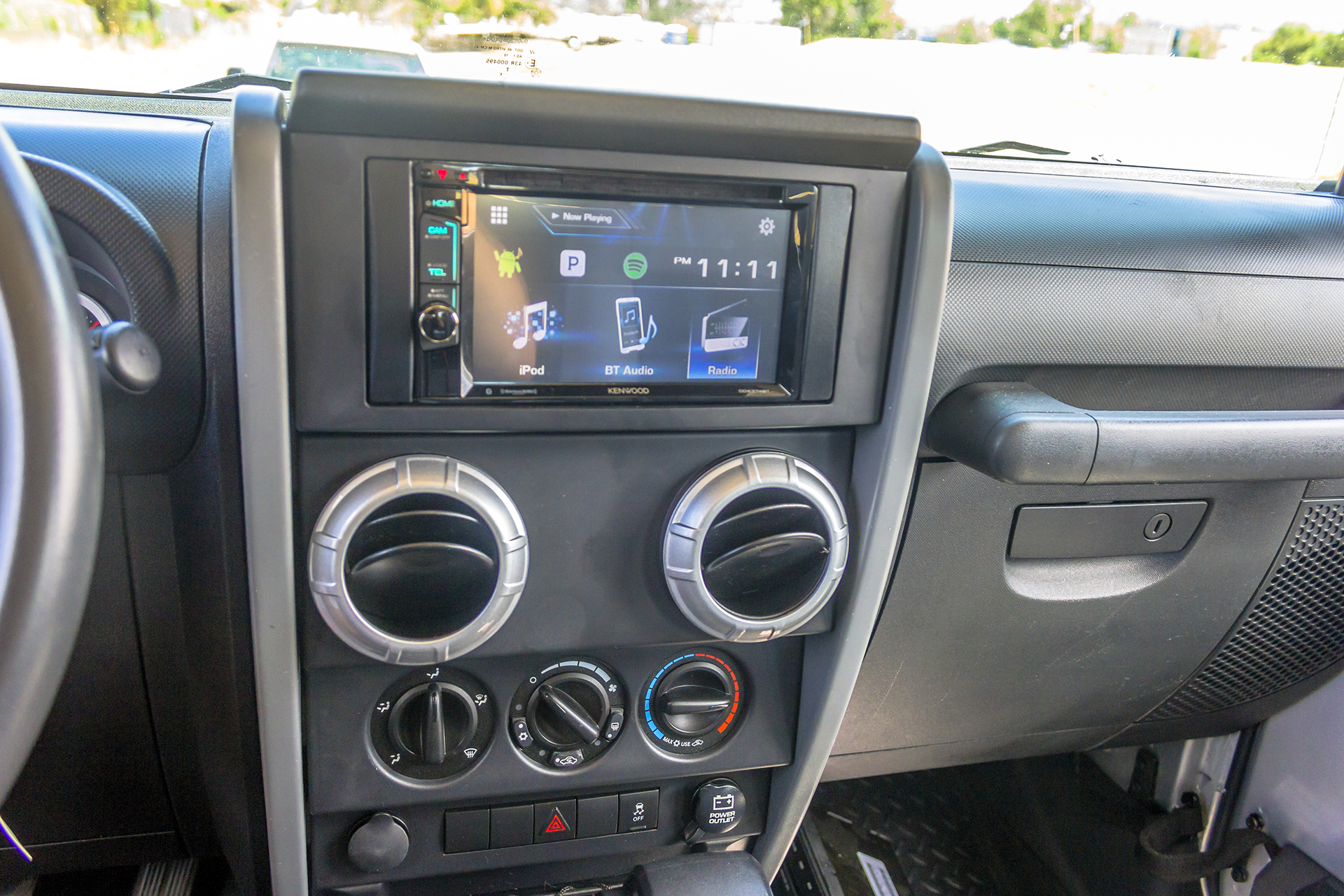
The 2010 Jeep Wrangler radio system, typically comprised of the RES, REQ, or REN factory head units, serves as the primary hub for audio and vehicle telematics. Whether you are troubleshooting connectivity, seeking to replace an aging factory unit with a modern touchscreen, or simply looking to optimize your existing sound stage, understanding the unique electrical and physical constraints of the JK-platform dashboard is essential for a successful audio project.
Understanding the Factory Audio Landscape
The 2010 Jeep Wrangler (JK generation) featured a standardized double-DIN dash opening, which provided a significant advantage for owners looking to upgrade their technology. Chrysler’s "MyGIG" multimedia systems were the flagship offerings for that model year. These units were categorized by specific three-letter codes found on the faceplate:
- RES: The base single-disc CD/MP3 radio with an auxiliary input jack.
- REQ: A 6-disc CD/DVD changer that supports MP3 files.
- REN/RER: The premium navigation-equipped head units featuring an internal hard drive (HDD) for music storage and touch-screen interfaces.
The 2010 model year sits in a transitional period for vehicle electronics. While the CAN-bus (Controller Area Network) system manages power and steering wheel controls, the physical installation of aftermarket hardware requires specific interface modules to ensure the vehicle’s data communication remains intact. Without these modules, features such as accessory power (retained accessory power), door chimes, and steering wheel audio controls will not function correctly.
Prerequisite: Preparing for a Head Unit Replacement
Before attempting an upgrade, you must verify your vehicle's specific audio configuration. Jeep Wranglers from 2010 may be equipped with the standard audio system or the optional Infinity premium sound system.
1. Identifying the Premium Sound System If your 2010 Wrangler features the Infinity system, you will see a badge on the rear subwoofer housing located in the trunk area or on the front door speaker grilles. This system utilizes a dedicated external amplifier. Replacing the head unit in an Infinity-equipped Jeep requires a specialized wiring interface that can "turn on" the factory amplifier via the data bus. If you bypass this, you will have no sound output regardless of how well the new radio is wired.
2. Physical Requirements
- Dash Kit: You will need a double-DIN installation kit specifically designed for the 2010 Jeep Wrangler. These kits include the plastic trim panels required to fill the gap between the aftermarket screen and the textured dash plastic.
- Wiring Interface: A CAN-bus adapter (such as those from iDatalink or PAC) is non-negotiable. It translates the vehicle’s digital "turn on" signal into a standard 12V switched signal that aftermarket radios require.
- Antenna Adapter: The factory antenna connector is a specific Chrysler-style plug. You will need a simple male-to-female antenna adapter to connect the stock cable to your new radio's standard Motorola-style port.
The Technical Installation Process
Once you have acquired the necessary hardware, the installation follows a logical sequence. Always disconnect the negative battery terminal before touching any wiring to prevent blowing the Integrated Power Module (IPM) fuses.
Step-by-Step Overview:
- Dashboard Disassembly: The center console trim is held in place by friction clips. Use a plastic pry tool to gently pull the lower dash trim panel away, then remove the screws securing the upper tray. Carefully unsnap the main center console panel to expose the radio bracket.
- Removing the Factory Unit: Remove the four 7mm screws holding the head unit to the metal bracket. Pull the unit forward and disconnect the main wiring harness and antenna lead.
- Interface Wiring: Connect your new radio’s harness to the CAN-bus interface module. Match the color-coded wires: yellow to yellow (constant power), red to red (switched power), black to black (ground). Ensure the interface is configured (often via dip switches) to match your vehicle's features, such as steering wheel controls.
- Integration and Testing: Before fully reassembling the dash, plug the new radio in and test the ignition-on power, the subwoofer activation, and the steering wheel button response. If the radio fails to power up, double-check the interface module's ground connection.
Comparative Hardware Features
| Feature | Factory RES/REQ | Factory RER (Navigation) | Aftermarket Double-DIN |
|---|---|---|---|
| Connectivity | Aux Port | Aux/Bluetooth (limited) | Wireless CarPlay/Android Auto |
| Storage | Physical CD | 20GB-30GB HDD | Cloud/Streaming |
| Integration | Native | Native | Interface Required |
| Sound Quality | Standard | Standard | Advanced DACs/EQs |
Troubleshooting Common Issues
Owners often encounter specific, repeatable issues when dealing with the 2010 Jeep Wrangler radio.
- The "No Sound" Problem: This is almost exclusively an issue with the Infinity amplifier. Ensure the blue/white "Amp Turn-On" wire from the aftermarket harness is securely connected to the interface module’s output wire.
- Clock/Chime Loss: If you hear no door chimes or the clock on the instrument cluster becomes impossible to set, the CAN-bus module is either faulty or not receiving data. Verify that the harness is seated firmly into the vehicle’s factory plug.
- Bluetooth Connectivity Lag: If you are still using the factory UConnect module, note that it is limited to the Bluetooth standards of 2010. It may struggle with modern high-bandwidth smartphones. The most effective solution is to bypass the factory module entirely by using the Bluetooth features of a modern aftermarket head unit.
Practical Expert Advice
When choosing an aftermarket unit, prioritize a model with a resistive touchscreen and physical volume knobs if you frequently drive with the top off. Glare from direct sunlight can make capacitive screens difficult to read; anti-glare screen protectors are highly recommended for the Jeep platform. Furthermore, verify that your steering wheel control module supports the 2010-specific resistor values used in the Jeep’s steering wheel buttons to ensure full functionality of your volume, skip, and source buttons.
Frequently Asked Questions
Can I install a 2015+ Jeep Wrangler touchscreen in my 2010? It is generally not recommended. Newer Wrangler radios use a different CAN-bus architecture. While physically they may fit the dash, they will not communicate with your 2010 vehicle’s computer, resulting in a dead unit or constant error messages on your instrument cluster.
Do I need a new microphone for Bluetooth calls? Yes. While the factory Wrangler had an integrated microphone, it is designed for the specific Chrysler head unit. When installing an aftermarket radio, you should use the microphone provided in the box, typically routed up the A-pillar to the top of the windshield for optimal voice clarity.
How do I keep my steering wheel controls working? You must purchase a steering wheel control (SWC) interface module. Many modern wiring interfaces have the SWC logic built-in, but ensure the product packaging explicitly states "Steering Wheel Control Compatible" for the 2010 Jeep Wrangler.
Will an aftermarket radio improve my sound quality? Yes. Even with the factory speakers and amplifier, an aftermarket head unit will provide better digital-to-analog conversion and more robust equalization options, allowing you to fine-tune the sound stage to account for the unique acoustics of the Wrangler’s cabin.
Is the installation reversible? If you keep your factory wiring harness intact and use a high-quality wiring adapter, the process is completely reversible. By utilizing an aftermarket harness, you avoid cutting any original vehicle wires, allowing you to reinstall the factory radio if you decide to sell the vehicle in the future.
Final Recommendation
For the 2010 Jeep Wrangler, the most reliable path to modernizing your audio experience is to pair a reputable double-DIN head unit from a major manufacturer (such as Pioneer, Kenwood, or Alpine) with a high-quality, vehicle-specific CAN-bus interface module. This combination preserves the safety chimes and vehicle integration while providing the modern connectivity required for 2026 driving standards. Before finalizing your purchase, confirm whether your vehicle has the premium Infinity system, as this determines which specific interface module you must buy to avoid audio failure.