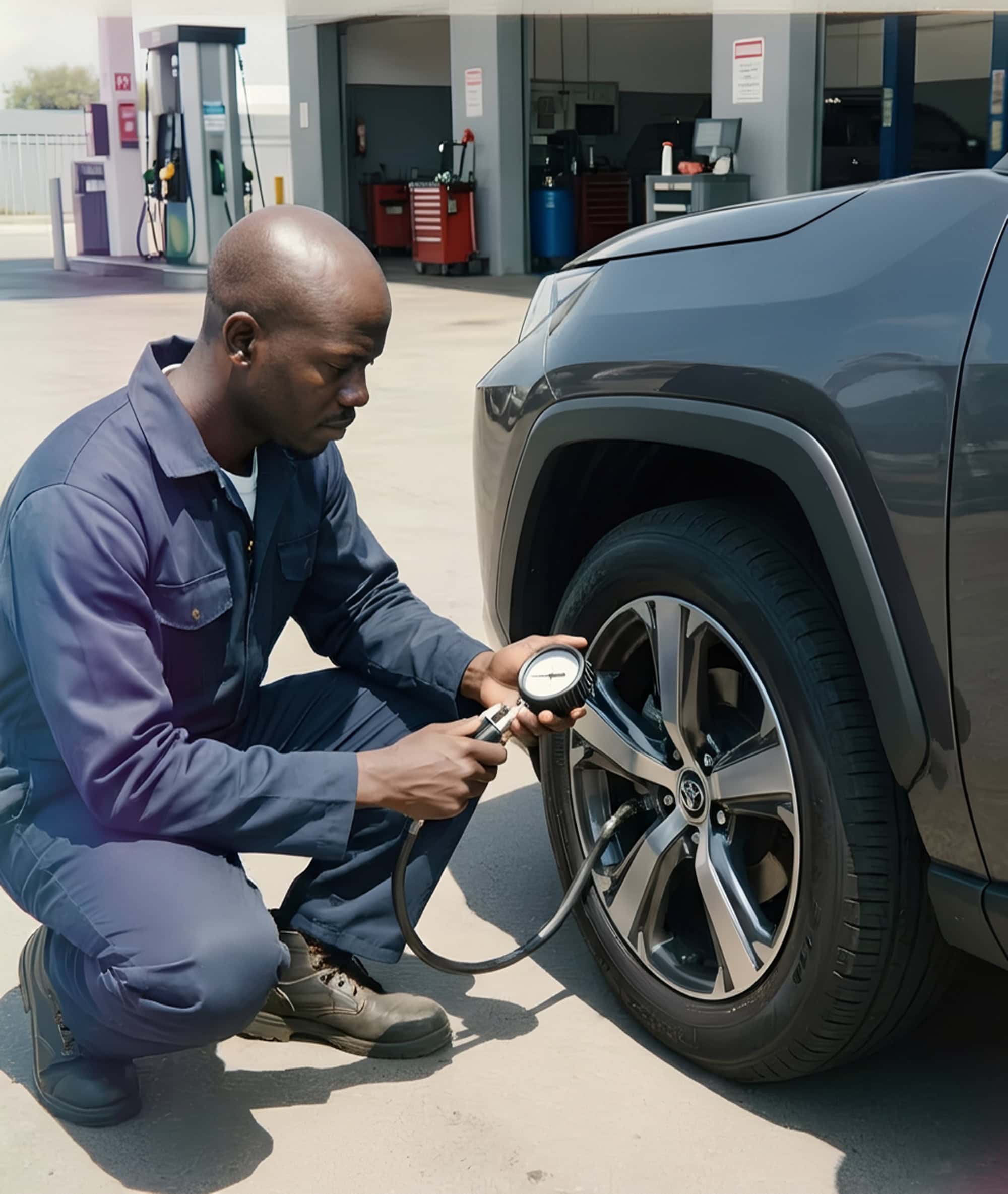
For the 2006 Honda Pilot, the manufacturer-recommended tire pressure is typically 32 PSI (pounds per square inch) for all four tires under normal driving conditions. Always verify this figure by checking the tire information placard located on the driver-side door jamb, as this is the definitive specification provided by Honda for your specific vehicle configuration and load requirements.
Maintaining the correct tire pressure is one of the most fundamental yet overlooked aspects of vehicle ownership. For a mid-size SUV like the 2006 Honda Pilot, tire pressure directly influences handling, fuel economy, braking distance, and the overall lifespan of the rubber components. Because the 2006 model was designed during a period when tire pressure monitoring systems (TPMS) were not yet universal across all trim levels of the Pilot, the responsibility for maintaining these levels rests largely on the operator.
Understanding the 2006 Honda Pilot Tire Requirements
The 2006 Honda Pilot was equipped with standard 16-inch alloy wheels across its EX, EX-L, and LX trim levels. While aftermarket wheels or tire upgrades may have been installed by previous owners over the last two decades, the factory-specified pressure remains the primary reference point.
The Driver-Side Door Jamb Placard
The most reliable source for your vehicle's tire pressure is the certification label attached to the driver’s door pillar. This label is specific to your vehicle’s year and model. Unlike the information embossed on the sidewall of the tire itself—which usually indicates the maximum pressure the tire can withstand—the door placard indicates the optimal pressure for vehicle stability, comfort, and load distribution. Never inflate your tires to the "max pressure" listed on the tire sidewall, as this can lead to a harsh ride, uneven tire wear, and compromised traction.
Seasonal Fluctuations and Physics
As the temperature changes throughout the year, the pressure inside your tires will fluctuate. Air is a gas that expands when heated and contracts when cooled. A common rule of thumb is that tire pressure drops approximately 1 PSI for every 10-degree Fahrenheit decrease in ambient temperature. In colder months, you may find your low-pressure warning light (if equipped) or a visual inspection suggests a loss of pressure. Conversely, during hot summer months, pressure can increase. It is essential to check your tires monthly and whenever there is a significant shift in local weather patterns.
Why Correct Tire Pressure Matters
Operating a 2006 Honda Pilot with incorrect tire pressure creates several cascading issues that affect both the vehicle's mechanics and the safety of the occupants.
- Safety and Handling: Under-inflated tires cause the tire sidewalls to flex excessively, generating heat that can lead to tread separation or a blowout. Over-inflated tires reduce the contact patch between the rubber and the road, which can make the vehicle slide more easily on wet or icy surfaces.
- Fuel Efficiency: The 2006 Honda Pilot is a heavy vehicle with a V6 engine. Under-inflated tires increase rolling resistance, meaning the engine must work harder to move the vehicle forward, leading to a measurable decline in fuel economy.
- Tire Longevity: Improper inflation causes uneven tread wear. Under-inflation wears the outer edges of the tire, while over-inflation wears out the center of the tread. Both conditions necessitate premature replacement of tires, which can be a significant cost for a vehicle of this size.
Recommended Tire Pressure Reference Table
The following table provides standard guidance for the 2006 Honda Pilot. While 32 PSI is the standard for stock tires, always refer to your door placard if you have modified your wheel size or load capacity.
| Condition | Recommended Pressure (PSI) | Impact of Deviation |
|---|---|---|
| Normal Daily Driving | 32 PSI | Optimal balance of comfort and wear |
| Long-Distance Highway | 32-34 PSI | Can slightly improve fuel efficiency |
| Cold Weather (Below 30°F) | 32 PSI (+1-2 for cold) | Compensates for natural contraction |
| Maximum Payload | Refer to Door Placard | Prevents sidewall failure under load |
Note: Always use a calibrated tire pressure gauge to check levels when the tires are "cold," meaning the vehicle has been parked for at least three hours or driven for less than one mile.
How to Properly Check and Adjust Tire Pressure
Checking the tire pressure on a 2006 Honda Pilot is a straightforward process that requires only a basic pressure gauge. Digital gauges are generally more accurate and easier to read than traditional stick-style gauges.
- Check Cold: Ensure the vehicle has not been driven recently. Friction from the road warms the tires, which artificially inflates the pressure reading. Checking them in the morning before the day's heat sets in is ideal.
- Remove Valve Caps: Unscrew the valve stem cap and set it aside in a secure location.
- Measure: Press the gauge firmly onto the valve stem. You may hear a short hiss of air; maintain pressure until the gauge provides a steady reading.
- Adjust: If the pressure is low, use an air compressor (available at most gas stations or as a portable home unit) to add air in short bursts. Re-check the pressure frequently to avoid over-inflation.
- Replace Caps: Once you reach the desired 32 PSI, replace the valve stem cap. These caps prevent debris and moisture from entering the valve, which can lead to leaks.
Troubleshooting Common Tire Issues
If you find that one tire consistently loses pressure faster than the others, you likely have a slow leak. A common culprit is a small puncture from road debris like nails or screws. In many cases, these can be patched by a professional tire shop. However, if the puncture is in the sidewall, the tire must be replaced for safety reasons.
Another common issue is a leaking valve stem. If the air continues to escape even after the tire is inflated and the valve core appears tight, the rubber or metal valve stem may be degraded due to age. On a 2006 vehicle, if the rubber valve stems have never been replaced, they may be brittle and prone to leaking. It is standard practice to replace valve stems whenever you install new tires.
When to Seek Professional Assistance
While DIY maintenance is encouraged, certain conditions require an expert. If your Honda Pilot displays persistent "shimmying" or pulling to one side of the road even after you have balanced all tire pressures, you may have a wheel alignment issue or a suspension component that has worn out.
Suspension components, such as control arm bushings or ball joints, have a finite lifespan. If these components wear out, they can cause "cupping" or uneven wear patterns on the tires regardless of how perfectly you maintain the tire pressure. If you observe jagged, uneven wear patterns across the tread, take the vehicle to a certified alignment shop to have the suspension geometry inspected.
Frequently Asked Questions
Does the 2006 Honda Pilot have a TPMS light? The 2006 Honda Pilot does not feature a factory-installed Tire Pressure Monitoring System. Unlike modern vehicles that provide real-time alerts, you must manually check your tires with a gauge regularly.
Can I use a higher PSI for better gas mileage? While slightly higher pressure reduces rolling resistance, exceeding the recommended 32 PSI can make the ride uncomfortable, reduce traction, and cause premature wear in the center of the tire tread. Stick to the manufacturer's recommendation.
How often should I check my tire pressure? At a minimum, you should check your tires once a month. Additionally, you should check them before any long road trips or if you notice a significant change in the season's temperature.
Should all tires have the same pressure? Yes, unless specified otherwise by the manufacturer for specific load conditions, all tires should be kept at the same PSI to ensure the vehicle handles predictably and the tires wear evenly.
What happens if I over-inflate the tires? Over-inflating reduces the contact patch, making the vehicle less stable during emergency braking or cornering. It also puts undue stress on the tire's internal structure, increasing the likelihood of damage from potholes or road hazards.
Final Recommendation
The best way to ensure the longevity of your 2006 Honda Pilot’s tires is to purchase a high-quality digital pressure gauge and keep it in your glove box. Make it a habit to check your tire pressure on the first day of every month. By keeping your tires at the factory-specified 32 PSI, you protect your investment, maximize your safety on the road, and ensure that your Pilot continues to provide the reliable performance it was engineered to deliver.