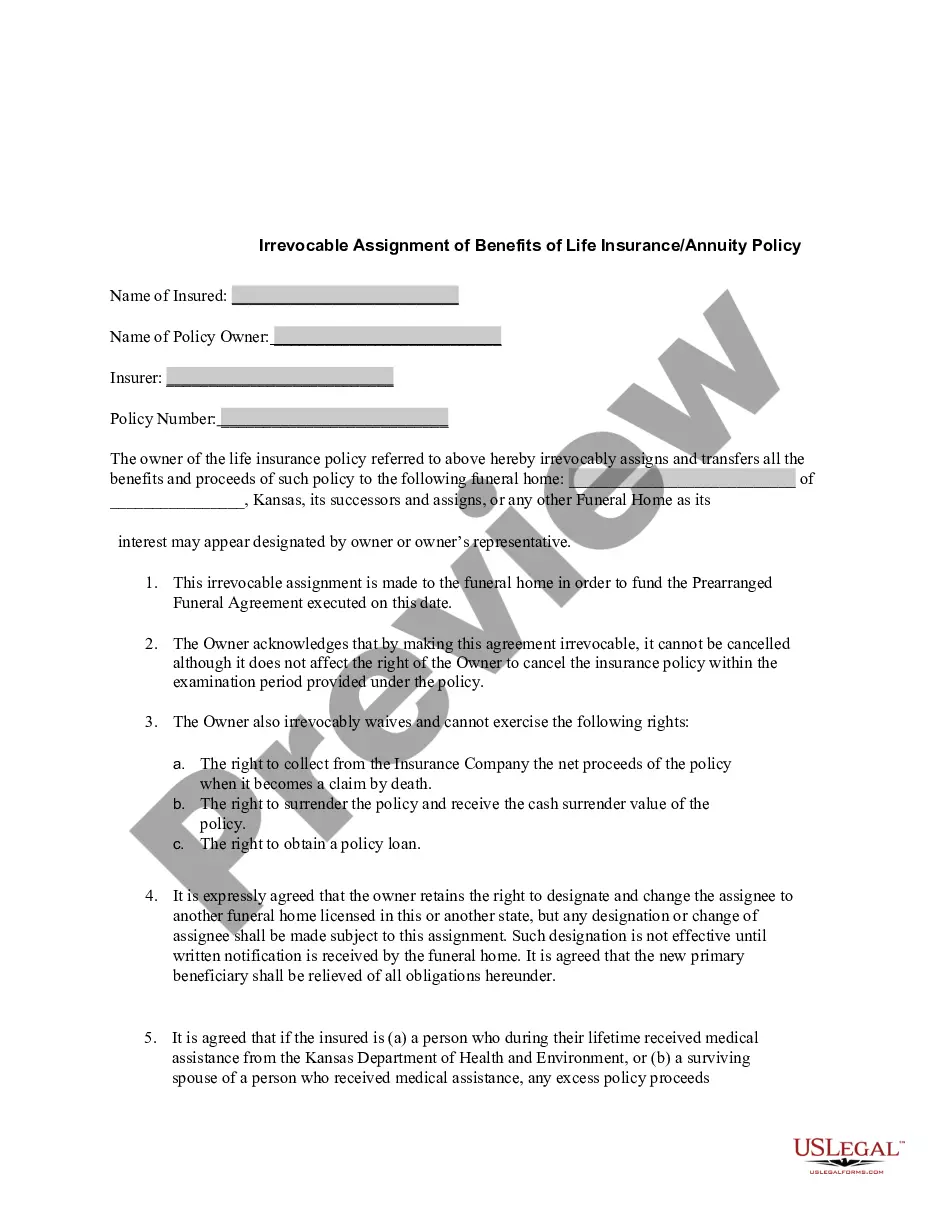
A 1035 exchange allows a policyholder to transfer cash value from an existing life insurance policy to a new annuity tax-free, provided the transfer adheres to strict Internal Revenue Code guidelines. Successfully executing this transaction requires completing specific carrier paperwork, coordinating between the relinquishing and issuing insurance companies, and carefully evaluating potential surrender charges, new contract fees, and shifting financial objectives.
Understanding the Internal Revenue Code Section 1035 Exchange
Section 1035 of the Internal Revenue Code (IRC) provides a mechanism for investors and policyholders to restructure their financial portfolios without triggering an immediate tax liability. When applied to insurance products, this provision permits the direct transfer of accumulated cash value from a life insurance policy into a qualified annuity contract. Without this statutory provision, the liquidation of a life insurance policy's cash surrender value would typically be treated as ordinary income to the extent that the cash value exceeded the policy's cost basis, resulting in a substantial tax bill.
The primary objective of utilizing a 1035 exchange form for a life insurance-to-annuity transfer is to preserve the tax-deferred status of accumulated earnings. However, policyholders must understand that this is not a blanket exemption from all financial costs. While the Internal Revenue Service (IRS) does not view the transaction as a taxable event, the underlying insurance carriers may assess administrative fees, and the new annuity contract will introduce its own fee structure, surrender schedules, and payout provisions. Furthermore, the IRS strictly enforces a "same-insured" rule for life insurance to annuity exchanges. This means the owner of the life insurance policy and the owner of the target annuity must be identical, and the insured individual on the life policy must generally be the annuitant on the new contract.
Transitioning from life insurance to an annuity fundamentally changes the financial purpose of the asset. Life insurance is designed primarily to provide a death benefit to beneficiaries upon the insured's passing, with cash value acting as a secondary accumulation vehicle. Conversely, an annuity is a retirement income tool designed to accumulate wealth on a tax-deferred basis and distribute a steady stream of income—potentially for the rest of the owner's life. Initiating a 1035 exchange form signals a strategic pivot away from legacy planning and estate protection toward retirement income generation and principal protection.
Prerequisites and Eligibility Requirements
Before requesting and completing a 1035 exchange form, policyholders must verify that their current life insurance policy and the intended annuity contract meet strict statutory and contractual eligibility criteria. Overlooking these prerequisites can lead to rejected paperwork, processing delays, or unintended tax consequences.
The most critical requirement is that the exchange must be executed as a direct, trustee-to-trustee (or carrier-to-carrier) transfer. The policyholder cannot take physical possession of the cash surrender value check. If the insurance company issues the check directly to the policyholder—even for a single day before it is deposited into the new annuity—the IRS treats the transaction as a cash surrender. This triggers an immediate taxable event, making any gains fully taxable as ordinary income in the year the transfer occurred.
Additional eligibility and structural prerequisites include:
- Identical Ownership: The Internal Revenue Code mandates that the owner of the life insurance policy must be the exact same individual, trust, or entity as the owner of the new annuity.
- The Same-Insured Rule: For life insurance-to-annuity exchanges, the insured person on the life policy must be the annuitant on the destination contract.
- Absence of Encumbrances: The life insurance policy must be free of outstanding policy loans. If there is an active loan against the life insurance cash value, transferring that value via a 1035 exchange becomes highly complicated. The IRS treats the outstanding loan amount as "boot," which is taxable as ordinary income in the year of the exchange.
- Free-Look Periods and Timing: Policyholders should review whether their existing life insurance policy is past its surrender charge period. Exchanging a policy during an active surrender schedule can result in steep financial penalties imposed by the relinquishing carrier.
Step-by-Step Breakdown of the 1035 Exchange Form Process
Executing a 1035 exchange requires precise coordination between the issuing company (the new annuity provider) and the relinquishing company (the current life insurance provider). The paperwork is typically initiated through the new insurance carrier, as they are eager to secure the incoming funds and provide the necessary documentation to satisfy IRS reporting requirements.
Step 1: Selection and Application for the New Annuity
The process begins by working with a licensed financial professional or directly through an insurance carrier to select the appropriate annuity contract. This involves completing the primary annuity application, risk tolerance questionnaires, and product disclosure forms. At this stage, the applicant indicates on the application paperwork that the purchase will be funded via a 1035 exchange from an existing life insurance policy.
Step 2: Completing the 1035 Exchange Form and Transfer Request
Concurrently with the main application, the policyholder must complete the specific 1035 exchange form provided by the new carrier. This document serves as both a transfer instruction and a legal assignment of the life insurance policy's cash value. Required information on this form typically includes:
- The name and address of the current life insurance company (relinquishing carrier).
- The existing life insurance policy number.
- The approximate cash surrender value being transferred (can be noted as "100% of cash surrender value" or a specific partial dollar amount).
- The Social Security number or tax identification number of the policy owner.
- Signatures of all registered policy owners and irrevocable beneficiaries, if applicable.
Step 3: Paperwork Submission and Processing by the Issuing Carrier
Once the forms are signed and verified for completeness, the new annuity carrier packages the 1035 exchange form and sends a formal request (along with a collateral assignment or absolute assignment form) to the relinquishing life insurance company.
Step 4: Relinquishing Carrier Review and Asset Transfer
The current life insurance company reviews the paperwork to ensure signatures match records, verify that no unauthorized loans or liens exist, and calculate the final cash surrender value. Once verified, the relinquishing carrier liquidates the policy, terminates the life insurance coverage, and issues a direct wire transfer or check made payable directly to the new annuity carrier for the benefit of the policy owner.
Step 5: Contract Issuance and Confirmation
Upon receipt of the funds, the new annuity carrier establishes the contract, applies the transferred funds as the initial premium, and issues a confirmation statement and contract schedule to the policyholder.
| Stage of Process | Primary Responsible Party | Key Action or Document Required |
|---|---|---|
| 1. Selection | Policyholder & Advisor | Complete annuity application and identify funding source. |
| 2. Documentation | Policyholder | Complete and sign the carrier-specific 1035 exchange form. |
| 3. Submission | Issuing Carrier | Transmit transfer paperwork and assignment forms to old carrier. |
| 4. Liquidation | Relinquishing Carrier | Verify ownership, calculate cash value, and wire funds. |
| 5. Finalization | Issuing Carrier | Issue the new annuity contract and confirmation statement. |
Financial Implications, Costs, and Comparative Analysis
Transitioning from life insurance to an annuity alters an individual's financial landscape. While the tax deferral is a primary advantage, policyholders must weigh several financial friction points, fee structures, and permanent losses of coverage before signing a 1035 exchange form.
- Life Insurance Policy
- Provides Death Benefit
- Cash Value Accumulation
- 1035 Exchange Form Executed
- New Annuity Contract
- Tax-Deferred Growth
- Guaranteed Retirement Income Stream
Surrender Charges and Administrative Fees
If the existing life insurance policy is relatively young—typically within its first 5 to 10 years—the relinquishing carrier will likely assess a surrender charge. This fee is a percentage of the cash value or premiums paid, designed to recoup the underwriting and distribution costs incurred by the insurer when the policy was first issued. These charges directly reduce the amount of capital transferred into the new annuity. Additionally, the new annuity contract may introduce its own set of fees, including mortality and expense (M&E) risk charges, administrative fees, and rider costs for guaranteed lifetime withdrawal benefits.
Loss of the Death Benefit
The most profound trade-off in a life insurance-to-annuity exchange is the permanent forfeiture of the life insurance death benefit. Life insurance guarantees a tax-free payout to heirs upon the insured's death. Once the 1035 exchange form is processed, the life insurance policy is terminated. While some annuities offer death benefits that return remaining principal to beneficiaries, these payouts are generally subject to ordinary income taxes on any earnings, unlike the income-tax-free status of life insurance death benefits.
Comparative Overview of Life Insurance vs. Annuity Post-Exchange
| Feature | Life Insurance (Pre-Exchange) | Annuity (Post-Exchange) |
|---|---|---|
| Primary Purpose | Estate protection and income replacement via death benefit. | Wealth accumulation and guaranteed retirement income generation. |
| Tax Treatment of Growth | Tax-deferred cash value growth. | Tax-deferred interest and earnings growth. |
| Tax Treatment of Death Benefit | Generally income-tax-free to beneficiaries. | Earnings subject to ordinary income tax for beneficiaries. |
| Liquidity & Access | Policy loans available against cash value (may incur interest). | Surrender charges and IRS 10% penalty prior to age 59½. |
Common Mistakes and Troubleshooting the Exchange Process
Executing a 1035 exchange requires meticulous attention to detail. Even minor discrepancies in paperwork can stall the transfer for weeks or months, creating administrative headaches and potential market exposure risks if funds are uninvested during the transition.
1. Partial Exchanges and IRS Aggregation Rules
Executing a partial 1035 exchange—where only a portion of the life insurance cash value is moved to an annuity—carries complex regulatory traps. Under current IRS rules, if a partial exchange is followed by a withdrawal or surrender from either contract within 180 days of the exchange, the IRS may recharacterize the transaction. Instead of treating the exchange as tax-free, the IRS can apply "LIFO" (Last-In, First-Out) taxation rules, treating the withdrawn funds as taxable gains first. Policyholders should consult a tax professional before attempting partial exchanges.
2. Outstanding Policy Loans
As noted previously, transferring a life insurance policy with an active loan is a primary trigger for unexpected tax bills. If a loan balance exists, the policyholder must either repay the loan in full prior to executing the 1035 exchange or face the consequences of the loan balance being treated as taxable boot by the IRS. Relinquishing carriers will immediately reject or flag any transfer request that attempts to move an encumbered policy without addressing the loan balance.
3. Mismatched Ownership and Beneficiary Records
Discrepancies between the ownership records of the relinquishing insurance company and the issuing insurance company are the leading cause of processing rejections. Every name, middle initial, address, and tax identification number must match identically. If a life insurance policy is owned by a revocable living trust, the 1035 exchange form must clearly designate the trust as the owner and applicant on the new annuity contract, complete with the trust's tax identification details.
4. Lapse of Coverage During Transfer
Policyholders must maintain awareness of their life insurance coverage status during the processing window. Once the 1035 exchange form is submitted and the process is initiated, the life insurance policy is in a pending termination state. It is crucial not to cancel premium payments on the old policy prematurely unless explicitly instructed by the carrier, as doing so can cause the policy to lapse improperly before the transfer is completed.
Frequently Asked Questions
Can I do a 1035 exchange from a life insurance policy to an annuity tax-free?
Yes. Under Internal Revenue Code Section 1035, the transfer of cash value from a life insurance policy to an annuity is completely tax-free, provided the transaction is executed as a direct, carrier-to-carrier transfer and meets all ownership and structural requirements. No taxable income is realized at the time of the exchange.
What happens to my existing life insurance coverage after a 1035 exchange?
Your life insurance policy is permanently terminated. The death benefit is eliminated, and the policy cannot be reinstated. The cash value is liquidated and transferred to fund the new annuity contract. Ensure you no longer need estate protection before proceeding with this transaction.
Can I reverse a 1035 exchange if I change my mind?
No. Once the 1035 exchange form is processed, the relinquishing life insurance policy is permanently surrendered and closed. Insurance carriers do not allow policyholders to reverse the transaction or restore the original life insurance policy under its original underwriting terms and premium rates.
Are there any fees associated with completing a 1035 exchange?
While the IRS does not charge a tax or fee for a 1035 exchange, the insurance carriers involved may assess costs. The relinquishing company may charge surrender fees if the policy is within its surrender charge period. Additionally, the new annuity contract will have its own ongoing administrative, mortality, and rider fees.
What should I do if my life insurance policy has an outstanding loan?
You must resolve the outstanding loan before executing the 1035 exchange. If you transfer a policy with an active loan, the IRS treats the loan amount as taxable income (boot) for that tax year. Most carriers will require you to pay off the loan balance out of pocket prior to approving the transfer paperwork.
Conclusion and Recommended Next Actions
Executing a 1035 exchange form to transition from a life insurance policy to an annuity is a major financial decision that shifts your strategy from legacy protection to retirement income generation. Before signing any transfer paperwork, request a complete in-force illustration from your current life insurance carrier to verify your exact cash surrender value, current cost basis, and any applicable surrender schedules. Next, review your long-term financial goals with a fiduciary or licensed financial advisor to ensure that sacrificing your life insurance death benefit aligns with your overall retirement plan. Once you are certain the move is financially sound, work directly with your chosen annuity provider to complete the carrier-specific exchange paperwork accurately, ensuring seamless execution without unexpected tax liabilities.