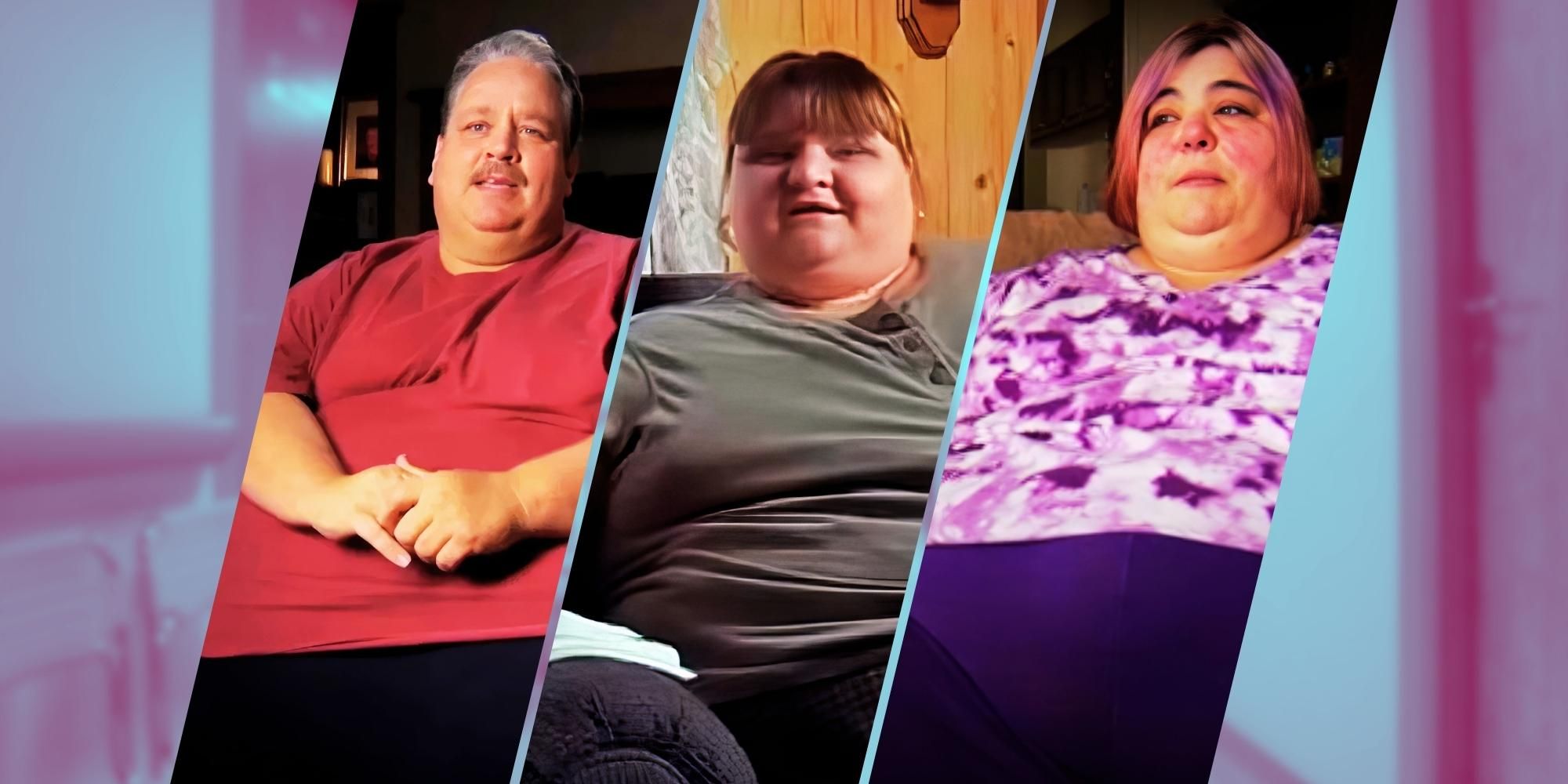
Thederick Barnes, a memorable participant from the hit reality series My 600-lb Life, has remained a subject of significant interest for viewers following his journey toward weight loss. While public updates have been sporadic since his appearance on Season 9, Episode 10, those tracking his progress continue to look for clarity regarding his current health, lifestyle changes, and long-term commitment to the program’s rigorous medical requirements.
Understanding the Journey of Thederick Barnes
When Thederick Barnes appeared on My 600-lb Life, he faced the profound physical and psychological challenges associated with extreme obesity. At the start of his documentation, he weighed over 740 pounds. His struggle was characterized by a heavy reliance on food for emotional comfort, a lack of mobility that impacted his basic daily functions, and a complex relationship with his family members who served as his caregivers.
The premise of the show, overseen by Dr. Younan Nowzaradan (commonly referred to as Dr. Now), is centered on a strict, medically supervised weight loss regimen. This process requires patients to adhere to a low-calorie, high-protein diet to qualify for bariatric surgery. The surgical procedure is not a standalone "fix" but rather a tool to facilitate long-term change. For Thederick, the journey was marked by significant personal revelations about his eating habits and the necessity of independent living to ensure his survival.
Clinical Prerequisites for Bariatric Success
To appreciate the weight loss journey of individuals like Thederick Barnes, one must understand the clinical threshold that must be crossed before surgery is performed. Dr. Now’s protocol is notoriously demanding, designed to test the psychological readiness of the patient as much as their physical ability to shed weight.
- Nutritional Reform: Patients must demonstrate the ability to follow a specific dietary plan, which is usually around 1,200 calories per day, focusing on lean proteins and complex carbohydrates while strictly eliminating sugars and processed snacks.
- Behavioral Assessment: Since emotional eating is often a primary driver of morbid obesity, patients are expected to engage in psychotherapy to address past traumas and coping mechanisms.
- Weight Loss Milestone: Before the surgeon approves a gastric bypass or sleeve gastrectomy, the patient must lose a significant amount of weight on their own. This proves that the patient is committed to the lifestyle changes required to maintain the surgery's results.
- Mobility and Physical Therapy: Increasing daily activity is essential. Even when physical movement is painful, gradual increases in exercise are required to improve cardiovascular health.
Challenges Faced After Reality Television
Post-show life for My 600-lb Life participants is rarely documented in the same public manner as their initial episodes. The transition from the high-pressure, closely monitored environment of the show back to day-to-day life is where many individuals face their most difficult tests.
For Thederick, the challenge lied in maintaining the momentum he achieved under Dr. Now's guidance. The absence of film crews and the regular, stern oversight of a medical professional can lead to a phenomenon often observed in weight loss journeys: a plateau or a recurrence of old habits. The sustainability of such extreme weight loss depends heavily on a patient's internal support system and their willingness to integrate these health habits into a routine that persists long after the cameras stop rolling.
Table: Expectations vs. Reality in Long-Term Weight Management
| Aspect | Initial Phase (During Filming) | Maintenance Phase (Post-Production) |
|---|---|---|
| Medical Oversight | Weekly check-ins with Dr. Now | Independent check-ups with primary physicians |
| Dietary Discipline | Rigid, externally enforced | Self-managed, requiring high personal accountability |
| Support System | Focused on family as primary caregivers | Development of community or professional support groups |
| Goal Focus | Achieving surgery eligibility | Long-term weight maintenance and physical health |
| Psychological Work | Addressing acute trauma | Maintaining mental stability and preventing relapse |
Evaluating Progress Beyond the Screen
Public interest in Thederick Barnes often stems from the audience's desire to see a "success story." However, it is essential to distinguish between a patient’s health trajectory and their social media footprint. Many participants move away from the limelight to focus on their private health journeys.
While some viewers look for drastic physical changes, medical professionals emphasize that the true measure of success is often found in the internal markers: lowered blood pressure, reduced strain on the joints, improved glucose levels, and the ability to perform activities of daily living without assistance. In 2026, it is important for observers to recognize that a lack of public updates does not equate to a failure of progress. For many, privacy is a critical component of their continued success, allowing them to focus on health without the scrutiny of public opinion.
Common Misconceptions About Bariatric Surgery
A frequent misconception is that bariatric surgery is a "cure" for obesity. In reality, it is a metabolic intervention. If a patient does not adhere to the dietary restrictions mandated by the surgery, the stomach can stretch, and the patient may regain weight.
Furthermore, patients often struggle with the "addiction transfer," where an individual swaps food addiction for another coping mechanism. Successful long-term outcomes—such as those seen in patients who sustain significant weight loss for years—are usually characterized by a total shift in lifestyle, including consistent exercise and ongoing psychological support. Thederick’s journey remains a case study for viewers on the extreme difficulty of reversing decades of conditioned behavior.
Frequently Asked Questions
1. Is Thederick Barnes still losing weight as of 2026? Thederick’s specific weight status in 2026 has not been publicly updated through official channels or the My 600-lb Life franchise. As with many participants who have completed their initial filming, his health journey is now a private matter.
2. Did Thederick Barnes have skin removal surgery? Often, patients who lose hundreds of pounds require excess skin removal surgery to improve mobility and hygiene. While this is a standard goal for many on the show, there has been no public confirmation regarding Thederick’s status on this procedure.
3. Why do some participants disappear from the public eye? Many individuals who appear on reality television choose to step away from the public eye to prioritize their recovery and personal well-being. Avoiding the pressures of public judgment can be a strategic choice for long-term mental health.
4. What is the most difficult part of the diet Thederick had to follow? The diet prescribed by Dr. Now is extremely restrictive, often forcing the elimination of all comfort foods and massive calorie reduction. For patients like Thederick, the challenge is not just the food itself but the loss of food as a primary coping mechanism for life's stresses.
Next Steps for Followers of the Show
If you are interested in the clinical aspects of the weight loss journey seen on My 600-lb Life, the best approach is to focus on the medical principles advocated by professionals rather than individual public updates. If you or someone you know is considering significant lifestyle changes or bariatric consultation, consult with a licensed bariatric surgeon or a registered dietitian who specializes in metabolic health. Seeking professional, personalized guidance is the only way to replicate the medical successes seen in clinical settings.
The story of Thederick Barnes serves as a reminder that the path to health is a marathon, not a sprint, and that for many, the most important work happens in the quiet years after the public spotlight has faded.