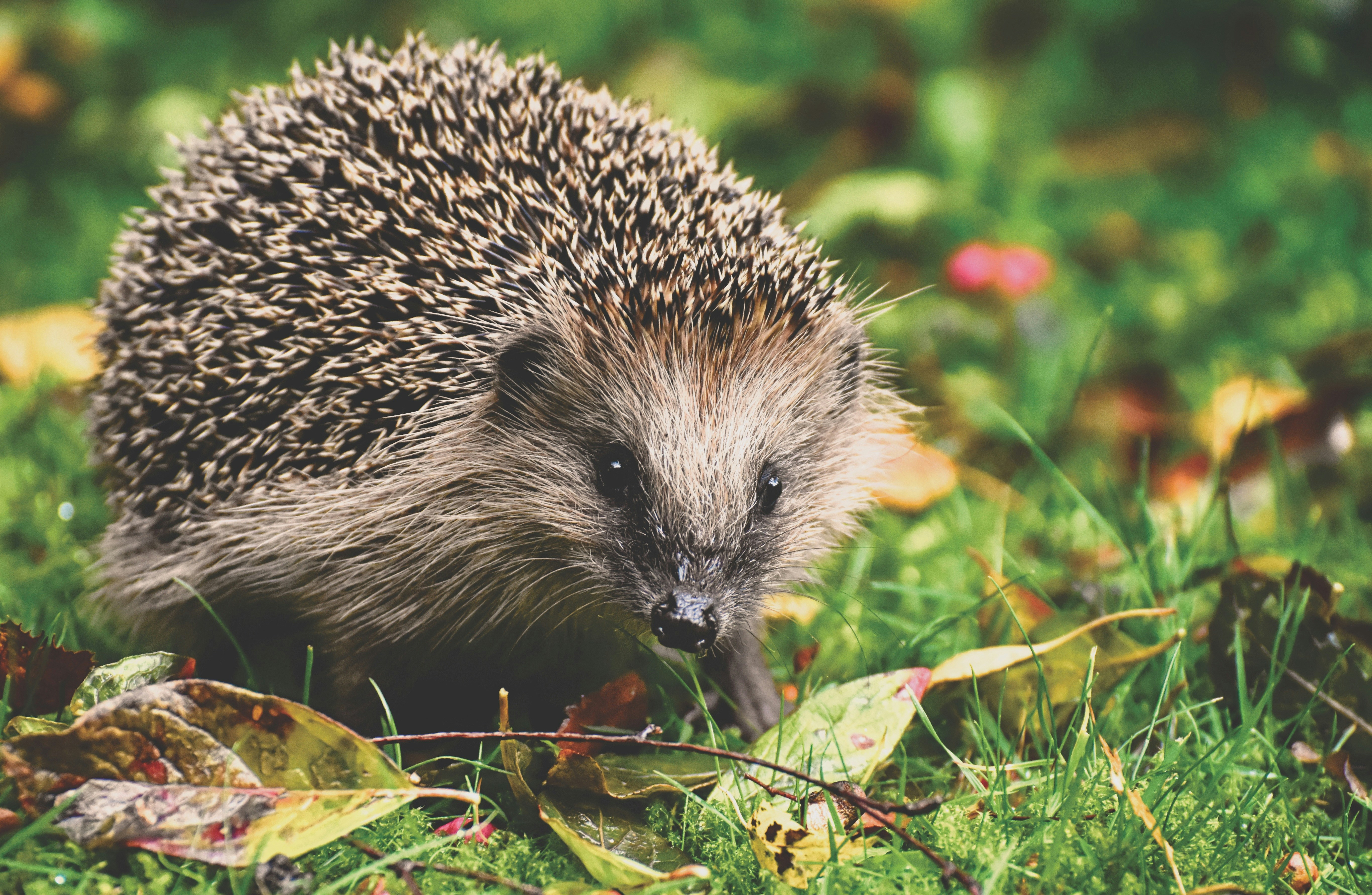
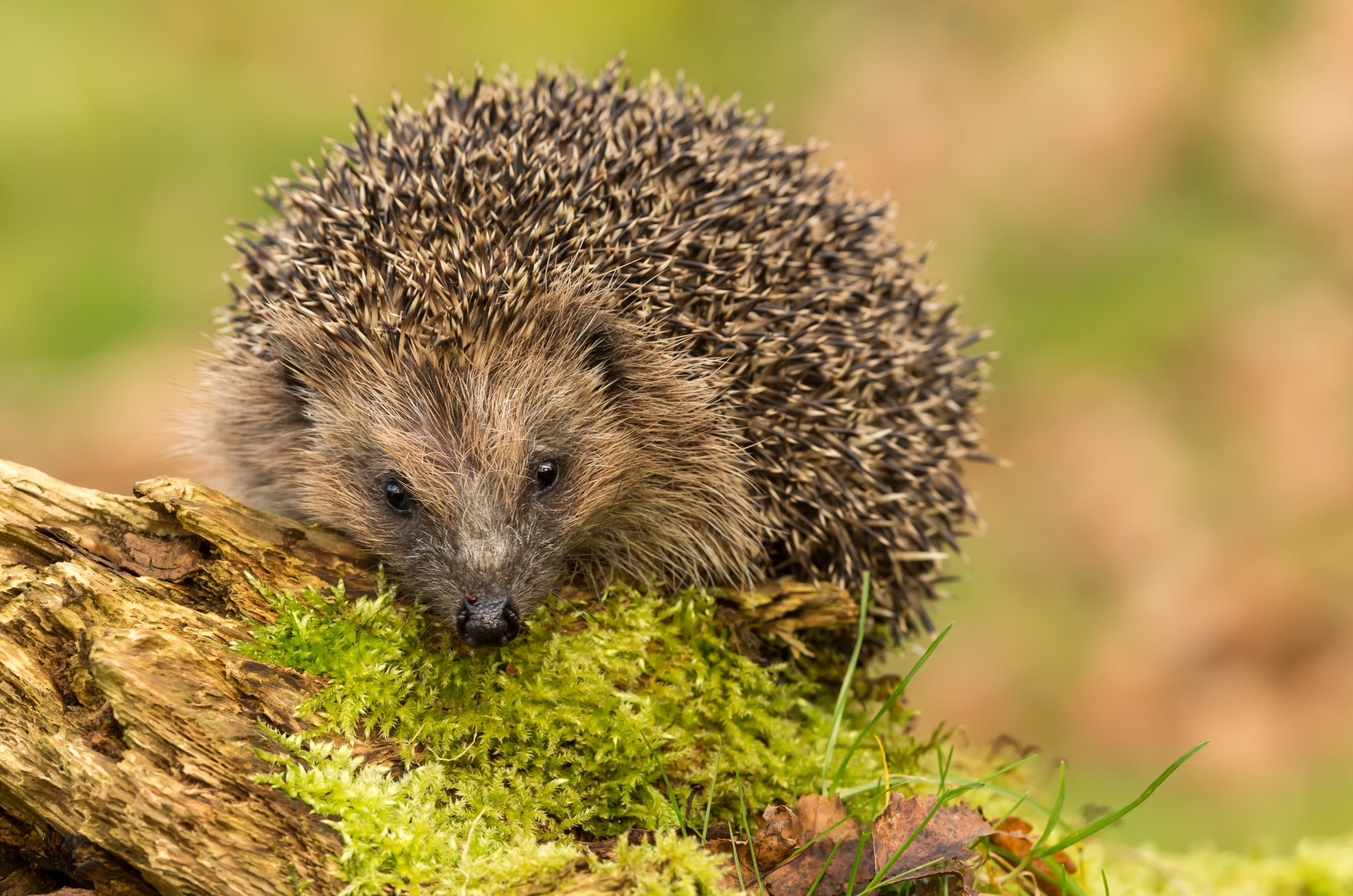
National Hedgehog Day 2026 falls on Monday, February 2, 2026. This annual observance celebrates the ecological importance of hedgehogs, explores their ancient role in weather forecasting—predating the modern Groundhog Day—and promotes conservation efforts for both wild populations and the welfare of domesticated hedgehog species kept as pets.
The Significance of February 2, 2026
National Hedgehog Day is more than just a quirky date on the calendar; it is a bridge between ancient folklore and modern environmentalism. In 2026, the holiday takes on particular importance as wildlife experts continue to monitor the shifting hibernation patterns of wild hedgehogs due to fluctuating winter temperatures.
While many people in North America are accustomed to Groundhog Day, the origins of this mid-winter weather prediction actually trace back to the hedgehog. As we observe the day this year, it serves as a dual-purpose occasion: a time to look back at European traditions and a time to look forward at the survival of these "gardeners' friends" in an increasingly urbanized world.
The Historical Meaning: From Rome to Modern Folklore
The meaning of National Hedgehog Day is rooted in the Roman tradition of "Hedgehog Day." According to historical accounts, Romans observed the behavior of hedgehogs on the second day of February to predict the arrival of spring. The belief was that if a hedgehog emerged from its hibernation and saw its shadow by the light of the moon, it would be frightened back into its burrow, signaling six more weeks of winter.
When the tradition migrated to Germany, the animal of choice shifted to the badger. Later, when German immigrants settled in Pennsylvania, they found neither hedgehogs nor badgers in abundance and turned to the groundhog (woodchuck) to continue the tradition. Thus, the Groundhog Day we know today is actually a linguistic and cultural evolution of the original Hedgehog Day.
In 2026, the "meaning" of the day has expanded. It is no longer just about weather folklore; it represents a global movement to protect the various species of the subfamily Erinaceinae. This includes advocating for the protection of the European Hedgehog (Erinaceus europaeus) and providing education on the proper care of the African Pygmy Hedgehog (Atelerix albiventris), which is common in the pet trade.
Understanding Hedgehog Species
To celebrate National Hedgehog Day 2026 effectively, one must distinguish between the species found in the wild and those living in our homes. They have vastly different needs, behaviors, and conservation statuses.
The European Hedgehog (Wild)
Native to Europe and parts of Asia, these are the classic "garden hedgehogs." They are significantly larger than pet varieties and are strictly nocturnal. In recent years, their populations have seen a decline due to habitat fragmentation and the use of chemical pesticides in gardens. On February 2, 2026, conservationists emphasize "Hedgehog Highways"—small gaps in garden fences that allow these animals to roam safely between gardens in search of food.
The African Pygmy Hedgehog (Domestic)
This is the most common species kept as a pet. They are hybrids, smaller than their wild European cousins, and thrive in warmer climates. Because they are domesticated, they cannot survive in the wild in temperate regions. National Hedgehog Day serves as a reminder for pet owners to review their husbandry practices, ensuring their pets have adequate heat, nutrition, and enrichment.
Comparison of Primary Hedgehog Species
| Feature | European Hedgehog (E. europaeus) | African Pygmy Hedgehog (A. albiventris) |
|---|---|---|
| Primary Habitat | Wild (Gardens, Woodlands) | Domestic (Indoor Enclosures) |
| Average Weight | 600g – 1,200g | 300g – 600g |
| Hibernation | Necessary for survival | Dangerous (Torpor/Fatal) |
| Diet in Wild | Beetles, caterpillars, slugs | Insects, spiders, small vertebrates |
| Legal Status | Protected in many regions | Illegal as pets in some US states |
| Conservation Status | Vulnerable/Declining | Stable (as captive population) |
Hedgehog Conservation in 2026: Challenges and Solutions
As of 2026, the European hedgehog remains on several "red lists" of threatened species. The primary threats include road traffic accidents, the "tidying up" of gardens which removes nesting sites, and the depletion of their natural food sources.
Creating a Hedgehog-Friendly Garden
For those living in regions where wild hedgehogs are native, National Hedgehog Day 2026 is an ideal time to prepare your outdoor space for their spring emergence.
- Eliminate Slug Pellets: Metaldehyde and other chemical pesticides are toxic to hedgehogs. Since hedgehogs naturally eat slugs and snails, they act as an organic pest control.
- Provide a Water Source: Shallow dishes of fresh water are vital, especially during dry spells. Never provide milk, as hedgehogs are lactose intolerant and it can lead to fatal dehydration.
- Build a Log Pile: A simple pile of logs or leaves in a quiet corner of the garden provides a safe nesting site and attracts the insects that hedgehogs eat.
- Check Before Mowing: One of the most common causes of hedgehog injury in 2026 is gardening equipment. Always check long grass or brush piles before using mowers or strimmers.
Domestic Hedgehog Care: Best Practices for 2026
For the pet-owning community, National Hedgehog Day 2026 is an opportunity to highlight the specific needs of the African Pygmy Hedgehog. These animals are often "fad pets," and many suffer from improper care due to misinformation.
Temperature Regulation
Unlike wild hedgehogs, African Pygmy hedgehogs are native to central Africa and require a consistent environment between 72°F and 80°F (22°C – 26°C). In 2026, advanced ceramic heat emitters (CHEs) and digital thermostats are the industry standard for maintaining these temperatures. If a domestic hedgehog becomes too cold, it may attempt to enter "torpor"—a false hibernation that their bodies are not equipped to survive.
Nutrition and Health
The dietary understanding for hedgehogs has evolved. While high-quality cat food was once the only recommendation, experts now advocate for a varied diet that includes:
- Gut-loaded Insects: Mealworms, dubia roaches, and crickets provide essential chitin.
- Lean Proteins: Small amounts of cooked unseasoned chicken or scrambled eggs.
- Weight Management: Domestic hedgehogs are prone to obesity, which can lead to fatty liver disease. Encouraging exercise on a solid-surface (not wire) wheel is crucial.
Legal Considerations and Ownership
It is important to note that as of 2026, pet hedgehogs are not legal everywhere. In the United States, states such as California, Georgia, Hawaii, and Pennsylvania, as well as several municipalities like New York City, have bans or strict permit requirements for owning hedgehogs. These laws are often in place to protect local ecosystems or due to concerns about the potential for hedgehogs to carry diseases like Salmonella. Before celebrating National Hedgehog Day by adopting a pet, always verify the local statutes in your jurisdiction.
The Role of Rescues and Shelters
National Hedgehog Day 2026 is a major fundraising period for specialized wildlife rescues. These organizations take in injured or orphaned wild hedgehogs, provide veterinary care, and over-winter "autumn orphans" (hoglets born too late in the year to gain enough weight for hibernation). Supporting these organizations through donations or volunteering is one of the most impactful ways to observe the holiday.
Signs a Wild Hedgehog Needs Help
If you spot a hedgehog during the day in early 2026, it is usually a sign of distress. Hedgehogs are nocturnal, and daytime activity often indicates:
- Dehydration or starvation.
- Severe parasite infestation (lungworm or ticks).
- Injury from a predator or garden tool.
- Disorientation due to cold.
In these cases, the recommended action is to place the hedgehog in a high-sided box with a towel and a heat pad (or a warm water bottle wrapped in a cloth) and contact a local wildlife rehabilitator immediately.
Frequently Asked Questions
Why is National Hedgehog Day on the same day as Groundhog Day?
The two holidays share a date because Groundhog Day is a direct descendant of the European Hedgehog Day. When European settlers arrived in America, they found groundhogs more plentiful than hedgehogs and transferred the weather-predicting folklore to the local rodent. Both occur on February 2nd, which is also Candlemas in the Christian calendar, a day traditionally associated with winter's midpoint.
Can I feed wild hedgehogs bread and milk?
No. This is a common misconception that persists in 2026 despite decades of evidence. Hedgehogs are lactose intolerant, and milk causes severe digestive issues. Bread provides no nutritional value and can cause stomach blockages. The best things to offer are specialized hedgehog kibble, wet cat food (meaty varieties, not fish), and fresh water.
Do hedgehogs hibernate in February?
In many temperate climates, wild hedgehogs are still in hibernation during National Hedgehog Day on February 2nd. However, if the winter is particularly mild, they may wake up early to forage for food. Domestic hedgehogs should never be allowed to hibernate, as it is a sign their enclosure is too cold and can be fatal for them.
Are hedgehogs good pets for children?
Hedgehogs are generally considered "intermediate" pets rather than "beginner" pets. They are nocturnal, meaning they are most active when children are asleep. They also have sharp quills and can be shy or huffy if not handled correctly. In 2026, experts recommend that an adult always be the primary caregiver for a pet hedgehog.
How can I make my fence "hedgehog-friendly"?
The most effective way is to create a "Hedgehog Highway." This involves cutting a 13cm x 13cm (5in x 5in) hole at the base of your fence. This is large enough for a hedgehog to pass through but too small for most pets. Connecting multiple gardens in this way allows hedgehogs to travel the several miles they need each night to find enough food.
What is Wobbly Hedgehog Syndrome (WHS)?
WHS is a progressive, degenerative neurological disease found in domestic African Pygmy hedgehogs. It is similar to Multiple Sclerosis in humans, causing a loss of muscle control that usually starts at the back of the body and moves forward. While there is no cure as of 2026, supportive care can maintain a hedgehog's quality of life for a period of time.
Recommended Actions for February 2, 2026
To make the most of National Hedgehog Day 2026, consider a multi-faceted approach to celebration. Start by educating your local community about the "Hedgehog Highway" concept to ensure local wildlife has the habitat connectivity required for the upcoming spring. If you are a pet owner, use this day to deep-clean your hedgehog's enclosure and verify that your heating systems are functioning at peak efficiency.
Finally, consider a donation to a reputable rescue organization. These non-profits are the frontline of defense for hedgehog populations. By combining historical appreciation with modern conservation and responsible pet ownership, we can ensure that hedgehogs remain a vibrant part of our ecosystem and our homes for years to come.