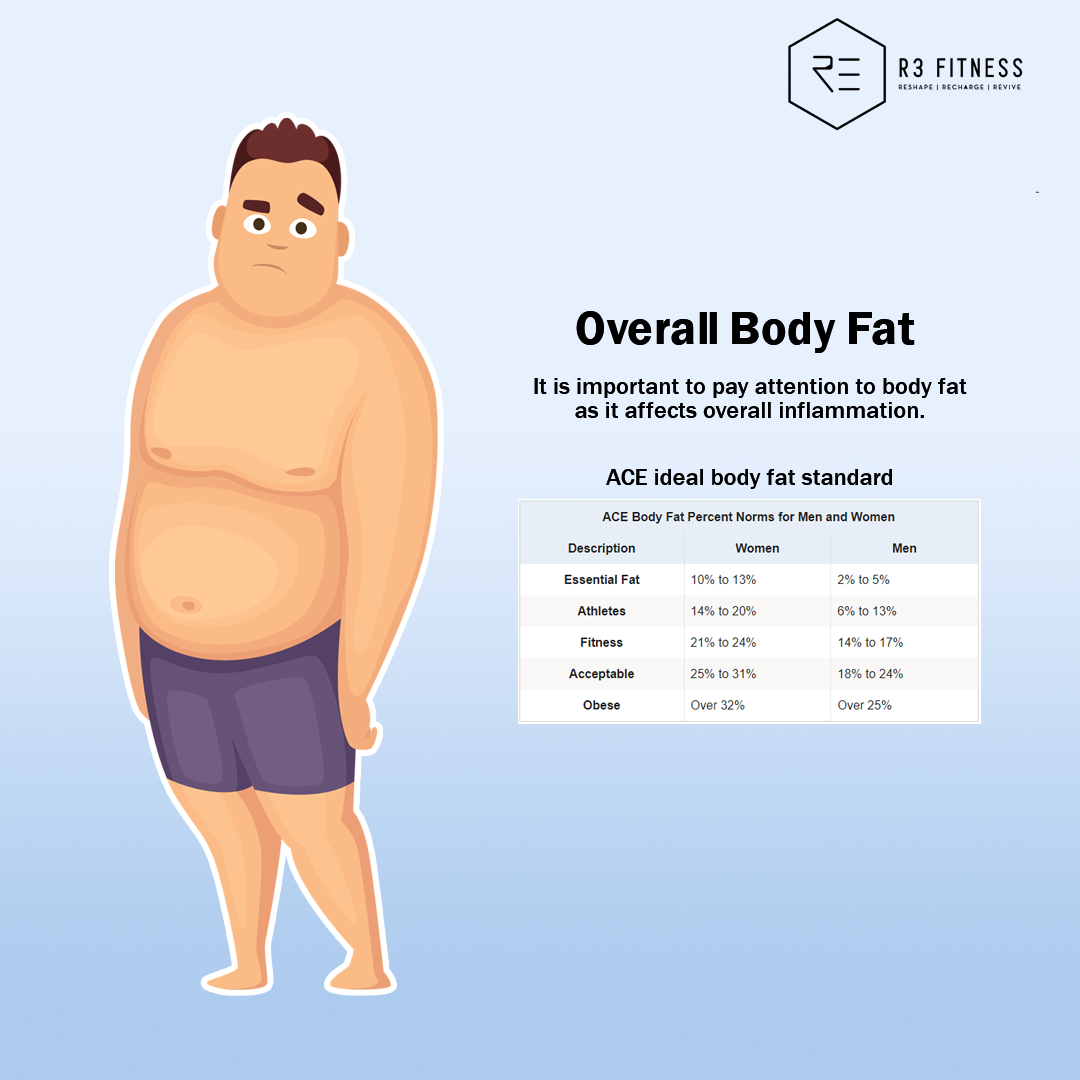
The consensus among nutritional scientists and medical researchers is that 1 kilogram of human body fat represents approximately 7,700 kilocalories (kcal). While this figure is often cited as a foundational metric for weight management, it serves as a theoretical benchmark rather than an absolute biological constant, as individual metabolic efficiency, water retention, and body composition nuances influence real-world outcomes.
The Scientific Basis for the 7,700 kcal Estimation
To understand where the 7,700 kcal figure originates, one must examine the chemical composition of human adipose tissue. Adipose tissue is not composed purely of lipids (fats); it is a biological storage organ that also contains water, proteins, and cellular structures.
Pure triglyceride fat is widely accepted in biochemistry to contain approximately 9,000 to 9,400 kcal per kilogram. If human body fat were 100% pure lipid, the energy density would be significantly higher. However, biopsy analyses of human adipose tissue suggest that it is generally composed of roughly 85% to 87% lipids, with the remaining mass consisting of water and supporting connective tissue.
When you perform the arithmetic—calculating 87% of 9,000 kcal—you arrive at approximately 7,830 kcal. Given the variability in individual fat cells and hydration levels, the nutrition and medical community generally rounds this figure down to 7,700 kcal as a standard reference point for clinical planning and metabolic modeling. This figure is frequently utilized in calculations meant to estimate the energy deficit required to achieve a specific reduction in mass.
Factors Influencing Energy Density in the Human Body
The "7,700 kcal per kg" rule is an essential tool for approximating weight change, but it is prone to variation due to several biological factors. Relying on this number as a perfect predictor of weight loss is a common error in dietary planning.
Hydration and Water Weight
Adipose tissue contains water. When a person enters a caloric deficit and begins to burn fat, the cellular environment shifts. Often, the initial loss of "weight" on a scale is not purely adipose tissue but a combination of glycogen depletion and associated water release. Conversely, inflammation or hormonal shifts can lead to water retention, which masks actual fat loss. Because water does not contain calories, its presence or absence within fat tissue alters the energy density of the mass being lost or gained.
Metabolic Adaptation
The human body is an adaptive organism. As you lose weight, your Basal Metabolic Rate (BMR) changes. The "7,700 kcal" rule assumes that the body's energy expenditure remains static throughout the process of burning that kilogram. In reality, as body mass decreases, the energy required to maintain the body's functions also decreases. This biological phenomenon often creates a "plateau" where the mathematical deficit predicted to result in weight loss no longer matches the observed outcome.
Tissue Composition
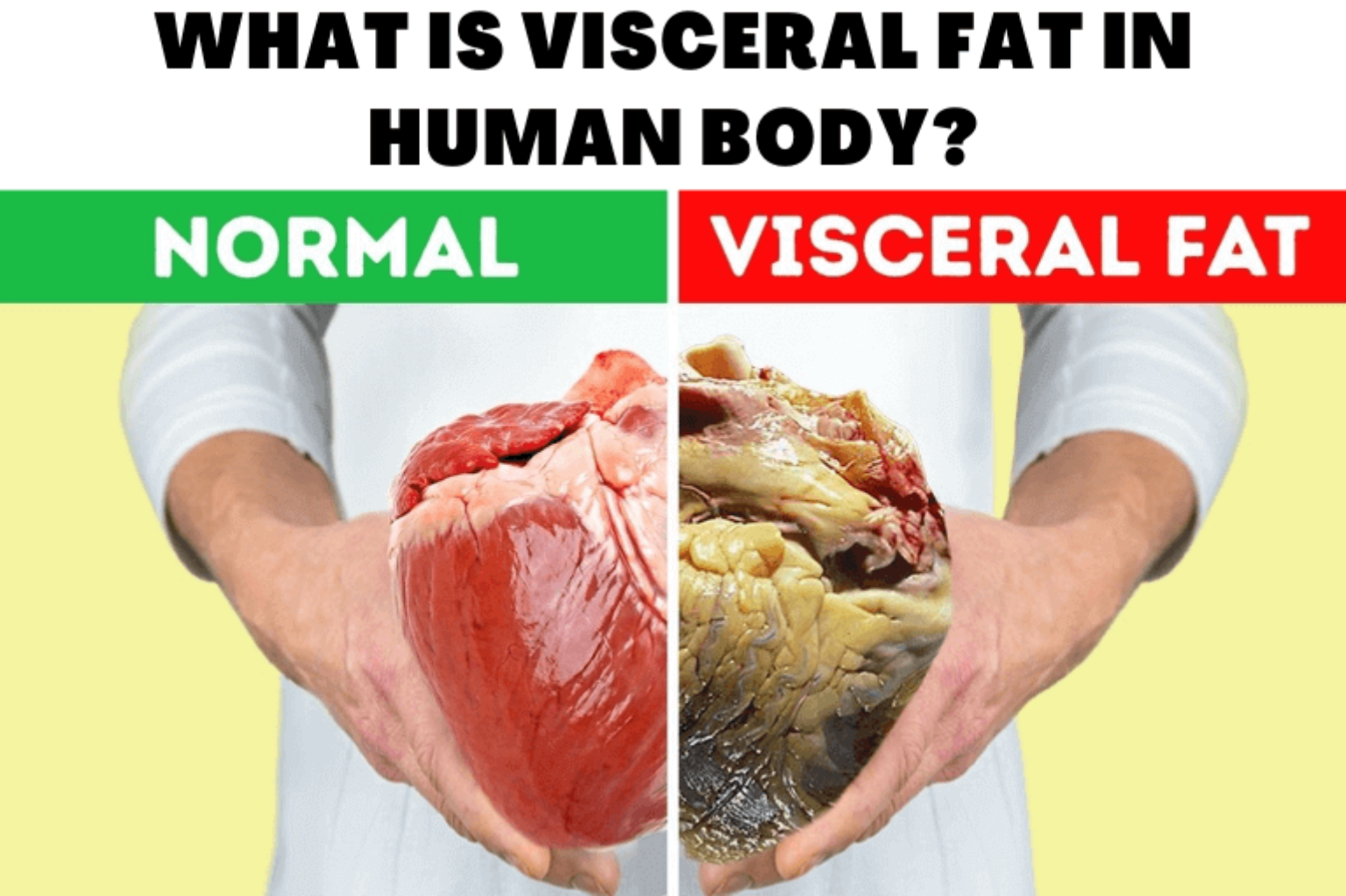
Not all fat is distributed equally. Subcutaneous fat (the fat stored under the skin) and visceral fat (the fat stored around internal organs) have slightly different metabolic profiles and compositions. While the average is often cited, the precise calorie density of these deposits can vary between individuals based on their genetics, age, and long-term nutritional status.
Comparative Energy Density of Body Tissues
To gain a clearer perspective on weight loss, it is helpful to contrast the energy density of fat with other components of the human body. This comparison explains why losing weight purely through a caloric deficit is often a complex process involving multiple tissues.
| Body Component | Estimated Energy Density (kcal/kg) |
|---|---|
| Adipose Tissue (Fat) | ~7,700 |
| Muscle Tissue | ~1,200 – 1,500 |
| Glycogen (Stored Carbohydrate) | ~4,000 (plus ~3g water per 1g) |
| Protein | ~4,000 (when oxidized) |
As shown in the table, muscle tissue is significantly less energy-dense than fat. This is because muscle is composed primarily of protein and water. When an individual follows an aggressive, poorly structured weight-loss program, the body may catabolize muscle mass rather than fat. Because muscle holds more water and contains fewer calories per unit, the scale might move faster, but the metabolic "cost" of that weight loss is higher in terms of tissue health and future energy regulation.
Common Misconceptions Regarding the 7,700 kcal Metric
A frequent point of confusion is the application of this number to daily intake. Many individuals believe that if they simply subtract 770 kcal from their daily diet, they will lose exactly 0.1 kg of fat every day. While mathematically sound in a vacuum, human biology is not a closed system.
The Linear Fallacy
The assumption that weight loss is linear is perhaps the most significant hurdle for those tracking their progress. If you consume 500 kcal fewer than you expend, you might expect to lose 0.5 kg of fat per week. However, the body compensates for reduced intake by adjusting non-exercise activity thermogenesis (NEAT)—the energy expended during daily movements like fidgeting or standing. If your body senses a significant deficit, it may naturally reduce these subconscious movements to conserve energy, thereby narrowing the gap between your intake and output.
The Role of Nutrient Partitioning
Not all calories are processed by the body with equal efficiency. The Thermic Effect of Food (TEF) means that different macronutrients require different amounts of energy to digest. Protein, for instance, has a higher TEF than fat or carbohydrates. Therefore, while a kilogram of fat stored in the body contains 7,700 kcal, the dietary composition of your intake can influence how much of that energy is actually available for storage versus how much is burned through metabolic processing.
Practical Application: How to Use This Metric Safely
If you are looking to manage body composition, the 7,700 kcal figure should be used as a compass, not a GPS. Use it to set broad, long-term expectations rather than rigid daily targets.
Setting Reasonable Goals
If your goal is to lose a specific amount of weight, calculate your Total Daily Energy Expenditure (TDEE). This includes your BMR plus the energy you burn through daily activity and exercise. A sustainable deficit is generally considered to be 300–500 kcal per day. Using the 7,700 kcal metric, this equates to losing roughly 0.3 to 0.5 kg of body weight per week. This pace is widely regarded by medical professionals as sustainable and less likely to trigger significant hormonal down-regulation or muscle mass loss.
Tracking Progress Beyond the Scale
Because weight fluctuates due to water retention, hormonal cycles, and food intake, do not rely solely on the scale to verify your progress. Use the following metrics alongside weight:
- Body Circumference Measurements: Measuring the waist, hips, and limbs can help determine if the mass lost is likely fat or water.
- Body Composition Scans: Dual-energy X-ray absorptiometry (DEXA) or professional-grade bioelectrical impedance analysis can provide insight into how much of your weight is lean tissue versus fat.
- Energy Levels and Performance: If you feel chronically exhausted or your physical strength declines rapidly, your caloric deficit may be too deep, leading to muscle catabolism.
Frequently Asked Questions
Does every person have exactly 7,700 kcal in a kilogram of fat?
No. The 7,700 kcal value is an average biological estimation. Individual differences in the water content of adipose tissue, genetic factors, and cellular health mean that for some individuals, the number might be slightly higher or lower, but 7,700 is the most reliable consensus for general calculation.
Why does the scale show a different weight every day if I’m in a deficit?
Daily fluctuations are almost always due to water weight, sodium intake, carbohydrate storage (glycogen), and digestive contents. These factors can cause weight to shift by 1–2 kg in a 24-hour period, which has nothing to do with actual fat loss. Focus on weekly or monthly trends rather than daily spikes.
Is it possible to lose weight without creating a 7,700 kcal deficit?
Weight loss occurs when energy intake is lower than energy expenditure. While the 7,700 kcal rule explains the energy density of the tissue being lost, you do not need to "count" exactly 7,700 kcal to lose weight. Simply maintaining a consistent, moderate deficit will eventually lead to the loss of adipose tissue.
Can I change the calorie content of my body fat through exercise?
You cannot change the energy density of fat tissue through exercise, but you can change the "metabolic cost" of your body. By building muscle through resistance training, you increase your resting metabolic rate, which makes it easier to maintain a caloric deficit over the long term.
Next Steps for Health and Fitness Planning
When approaching weight management, prioritize consistency over intensity. Start by determining your TDEE using a reputable calculator and aim for a modest deficit of 300–500 kcal per day. If you find your weight has stalled for more than two weeks, reassess your daily caloric intake, as your metabolic needs likely decreased as your body mass shifted.
If you have underlying health conditions, such as metabolic syndrome, thyroid dysfunction, or are currently under medical supervision, consult with a registered dietitian or a physician before significantly altering your caloric intake. These professionals can help you determine a deficit that is safe for your unique physiological needs, ensuring you lose fat while preserving essential muscle mass and metabolic health.