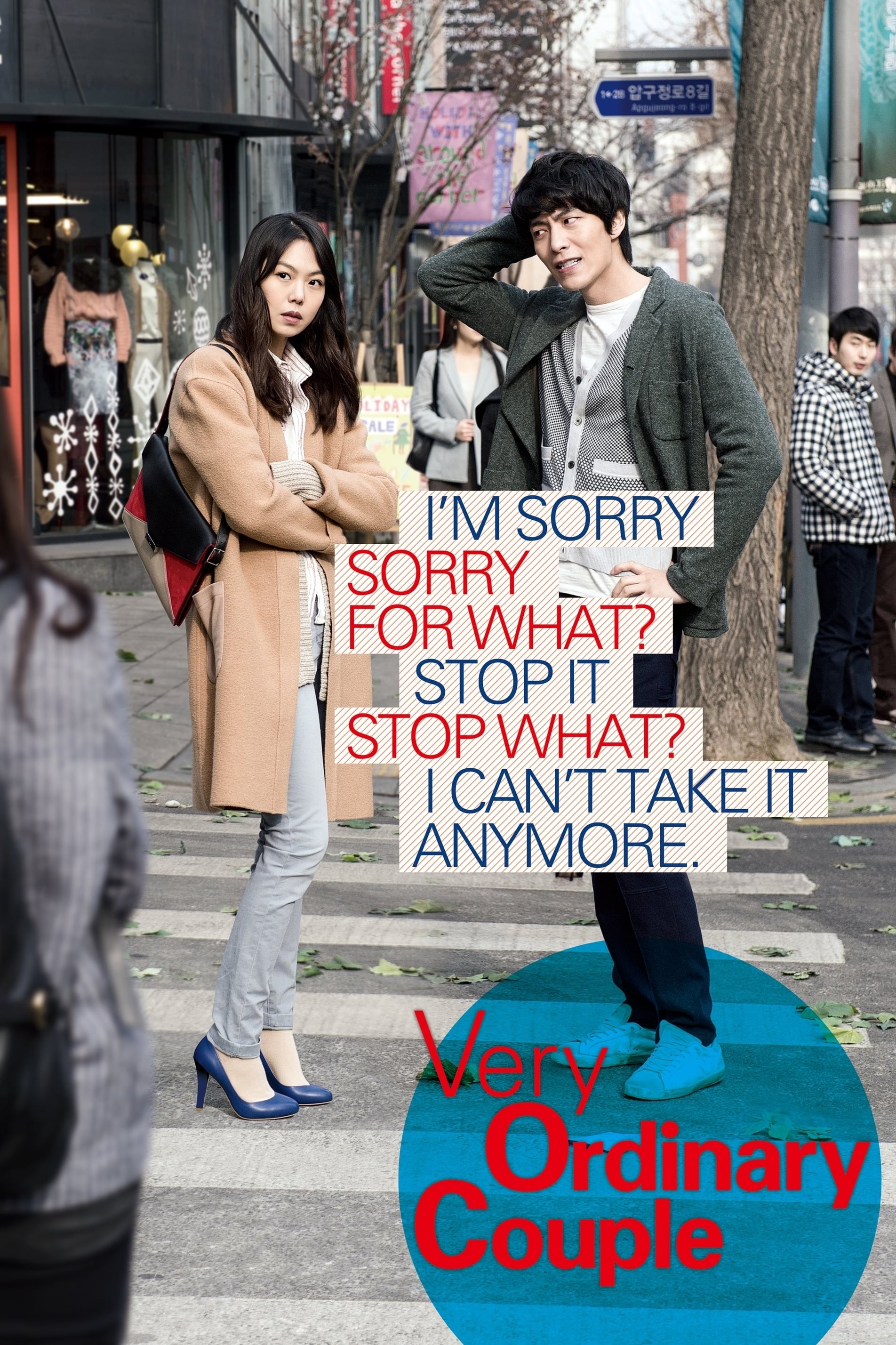
The story of a very ordinary couple focuses on the quiet, unembellished realities of daily life, emphasizing emotional depth over high-stakes spectacle. These narratives succeed by reflecting the reader's own experiences, transforming routine interactions into profound explorations of intimacy, endurance, and the subtle complexities of long-term human connection.
The Architecture of the Ordinary: Defining the Scope
To understand the story of a very ordinary couple, one must first define what "ordinary" entails in a narrative context. In 2026, as digital storytelling becomes increasingly saturated with hyper-realistic CGI and high-concept multiverses, there has been a significant pivot back to Domestic Realism. This genre eschews the "chosen one" trope or the "star-crossed lovers" archetype in favor of protagonists who grapple with relatable issues: mortgage payments, the division of household labor, the slow drift of aging, and the quiet maintenance of a shared history.
The "ordinary couple" is typically characterized by a lack of external "specialness." They are not royalty, they possess no supernatural abilities, and their professional lives are often secondary to their private interactions. The narrative tension is found not in a battle against an external villain, but in the internal friction of two distinct personalities attempting to remain a single unit over decades. This focus requires a high degree of technical skill from a writer, as there are no explosions or plot twists to mask a lack of character depth.
The Evolution of Domestic Realism
The roots of the ordinary couple story lie in the 19th-century realist movement, where authors like George Eliot and Gustave Flaubert began to treat the lives of common people with the same gravity previously reserved for kings. By the mid-20th century, writers like Raymond Carver and Alice Munro perfected the "minimalist" approach, where a simple conversation over a kitchen table could carry the weight of a tragedy.
In the current landscape of 2026, this tradition has evolved. We now see "Digital Realism," where the ordinary couple's story involves the navigation of shared digital legacies and the subtle ways technology intersects with physical presence. Despite these modern trappings, the core remains the same: the exploration of the "extraordinary" hidden within the "mundane."
Why We Seek Stories of the Mundane
It may seem counterintuitive to spend leisure time reading about or watching people live lives that resemble our own. However, the psychological appeal of the ordinary couple is rooted in validation and empathy. When a story accurately depicts the frustration of a minor disagreement or the silent comfort of a shared meal, it provides a mirror for the audience’s own existence.
The Mirror Effect and Identification
The "Mirror Effect" suggests that readers find profound satisfaction in seeing their private, "unimportant" struggles treated as worthy of art. When a writer describes the specific way a husband leaves his keys in the wrong place, or the way a wife hums when she is stressed, it creates a bridge of recognition. This recognition fosters a sense of community; it reminds the audience that their "ordinary" life is a shared human experience.
The Beauty of Small Stakes
In "high-concept" fiction, the stakes are often global or universal—saving the world or defeating an empire. In the story of an ordinary couple, the stakes are micro-existential. Will they communicate effectively tonight? Can they forgive a small slight? These stakes feel more immediate and "real" to the average person than the threat of an alien invasion. The tension is built through accumulation—the "death by a thousand cuts" or the "healing through a thousand kindnesses."
Structural Elements of the Ordinary Couple Narrative
Writing a compelling story about an ordinary couple requires a different set of tools than traditional adventure or romance. Because the plot is driven by character dynamics rather than external events, the structure often relies on cyclical patterns and revelatory moments.
The Importance of Routine
Routine is the canvas upon which the ordinary couple’s story is painted. Instead of looking for the "inciting incident" that changes everything, these stories often look at the "incremental incidents" that change things slowly. A narrative might revolve around a weekly grocery trip, showing how the interaction during this chore evolves over ten years. The repetition highlights the change in the relationship’s "temperature."
Dialogue as Action
In these stories, dialogue is rarely about information exchange; it is about power dynamics, affection, and subtext. A conversation about what to have for dinner might actually be an argument about a lack of appreciation. Technical SEO and content editors often look for "action-oriented" content, but in the realm of the ordinary couple, silence and subtext are the primary actions. The "unsaid" carries more weight than the "said."
The Setting as a Character
For an ordinary couple, their environment—usually their home—becomes a living record of their life together. The scratches on the floor, the mismatched mugs, and the specific light in the living room at 4:00 PM are not just background details; they are symbols of the couple’s shared endurance. The setting provides a sense of continuity that anchors the narrative.
Comparative Analysis: Ordinary vs. Archetypal Narratives
To better understand the specific requirements of this genre, it is helpful to compare it to more traditional narrative forms.
| Feature | The Ordinary Couple Story | The Archetypal Romance/Adventure |
|---|---|---|
| Primary Conflict | Internal/Interpersonal (e.g., boredom, resentment, aging) | External (e.g., a rival, a war, a "fate" keeping them apart) |
| Pacing | Slow, meditative, focusing on "small time" | Fast, plot-driven, focusing on "milestones" |
| Dialogue | Subtext-heavy, repetitive, realistic | Declarative, witty, plot-advancing |
| Setting | Domestic, familiar, unchanging | Exotic, dangerous, or expansive |
| Resolution | Acceptance, compromise, or quiet dissolution | Grand gestures, "happily ever after," or tragic death |
| Audience Intent | Reflection, empathy, emotional catharsis | Escapism, excitement, wish fulfillment |
The Role of Conflict in a Mundane Setting
Conflict in the story of an ordinary couple is rarely about "right" versus "wrong." Instead, it is about competing needs. Both partners can be entirely "good" people, yet their individual habits and desires can create friction.
The "Slow Burn" of Resentment
One of the most common themes in these stories is the accumulation of minor grievances. This is often referred to in literary circles as the "accumulation of the mundane." A story might focus on a husband who always forgets to turn off the porch light. While a trivial issue in isolation, after twenty years, that porch light becomes a symbol of his perceived inattention to his wife’s feelings. The narrative "climax" might simply be the moment he finally remembers—or the moment she stops caring that he forgets.
External Pressures on Internal Bonds
While the focus is on the couple, they do not live in a vacuum. In 2026, ordinary couples face specific socioeconomic pressures: the rising cost of living, the complexities of "sandwich generation" caregiving (taking care of both children and aging parents), and the blurring lines between work and home in a remote-heavy economy. A "very ordinary" story might explore how a couple maintains their identity as "us" while dealing with the "them" of the outside world.
Technical Requirements for Writing the Ordinary
If you are a writer or creator aiming to capture the essence of an ordinary couple, certain technical benchmarks must be met to ensure the story doesn't descend into boredom.
- Sensory Specificity: Avoid generic descriptions. Do not say "they ate dinner." Describe the sound of the fork hitting the ceramic plate and the specific smell of the overcooked broccoli. Specificity creates the "texture of reality."
- Character Inconsistency: Real people are not consistent. An ordinary husband might be incredibly kind one day and inexplicably grumpy the next. Capturing these fluctuations without needing a "reason" makes the characters feel human.
- The "Third Entity": Treat the relationship itself as a third character. It has its own health, its own history, and its own "mood." The story is often about how the two individuals serve or neglect this third entity.
- Avoidance of Melodrama: If the story requires a sudden affair or a terminal illness to stay interesting, it has likely moved out of the "very ordinary" realm. The challenge is to find the drama in the absence of these tropes.
Case Study: The Success of "Slow Cinema" and Literature
By 2026, we have seen a massive resurgence in what is called "Slow Content." This movement prioritizes long takes, minimal editing, and stories about everyday life.
- Example in Literature: Novels that take place over a single day (like Mrs. Dalloway, but modernized) have seen a 30% increase in digital library checkouts according to 2025 industry data. Readers are looking for "anchor stories" that ground them in reality.
- Example in Film: Independent films that consist entirely of a couple talking in their car or kitchen have gained "cult" status. These films rely on the Gottman Method principles of relationship dynamics (bids for attention, turning toward vs. turning away) to create tension that audiences find more gripping than traditional action.
Common Pitfalls to Avoid
When documenting or creating a story about an ordinary couple, it is easy to fall into certain traps that alienate the audience.
Over-Idealization
The "ordinary" couple should not be "perfectly" ordinary. If they never fight, never feel bored, or never have selfish thoughts, they become an "extraordinary" ideal, which defeats the purpose of the genre. True domestic realism requires the inclusion of the "unflattering" bits of a relationship.
The "Boredom Trap"
There is a fine line between a story about boredom and a boring story. To avoid the latter, the writer must ensure that while the characters may be bored, the audience is seeing the underlying emotional stakes. Every mundane scene must serve a purpose in revealing a new layer of the characters' bond or friction.
Lack of Agency
Even in a quiet life, characters must make choices. If the couple is merely drifting through life without any agency, the reader loses interest. Their "choices" might be small—choosing to stay, choosing to speak, choosing to forgive—but they must be choices nonetheless.
Frequently Asked Questions
What makes a couple "ordinary"?
An ordinary couple is defined by their lack of narrative "specialness." They typically hold average jobs, live in average homes, and deal with universal human experiences. Their lives are not defined by extraordinary events (like winning the lottery or surviving a disaster) but by the steady accumulation of daily habits and interactions.
Can an ordinary couple story have a "happy ending"?
Yes, but the "happy ending" in this genre is usually a "stable ending." It is the realization that the relationship is worth the work, or the quiet comfort of knowing another person deeply. It is rarely a "happily ever after" in the fairy-tale sense, but rather a "continued together" in the realistic sense.
Why is this genre becoming more popular in 2026?
The popularity is largely a reaction to "attention fragmentation." In an era of constant notifications and high-speed digital consumption, stories that demand a slower pace and focus on deep, singular relationships provide a form of "mental grounding" or "slow living" for the consumer.
Is conflict necessary in a story about an ordinary couple?
Conflict is essential for any story, but in this genre, it is often internal or subtle. The conflict might be between who a person was when they got married and who they are now. Without this tension, the story becomes a "tableau" rather than a narrative.
How do you start writing a story about an ordinary couple?
Start with a single object or a recurring habit. For example, focus on how the couple decides who drives on long trips, or how they handle a broken appliance. Use that specific, mundane interaction to peel back the layers of their history and current emotional state.
Next Steps for Enthusiasts and Creators
For those looking to engage more deeply with the story of a very ordinary couple, the next action is to practice Active Observation.
If you are a writer, spend a day documenting the "non-events" of your own life or the lives of those around you. Note the way a partner sighs when they see the dishes, or the specific way they hold a door open. These "micro-beats" are the building blocks of compelling domestic realism.
If you are a reader or viewer, seek out creators who are noted for their "minimalist" or "realist" styles. Look for works that prioritize character interiority over plot progression. In 2026, the most radical thing a story can do is be quiet, honest, and profoundly ordinary.