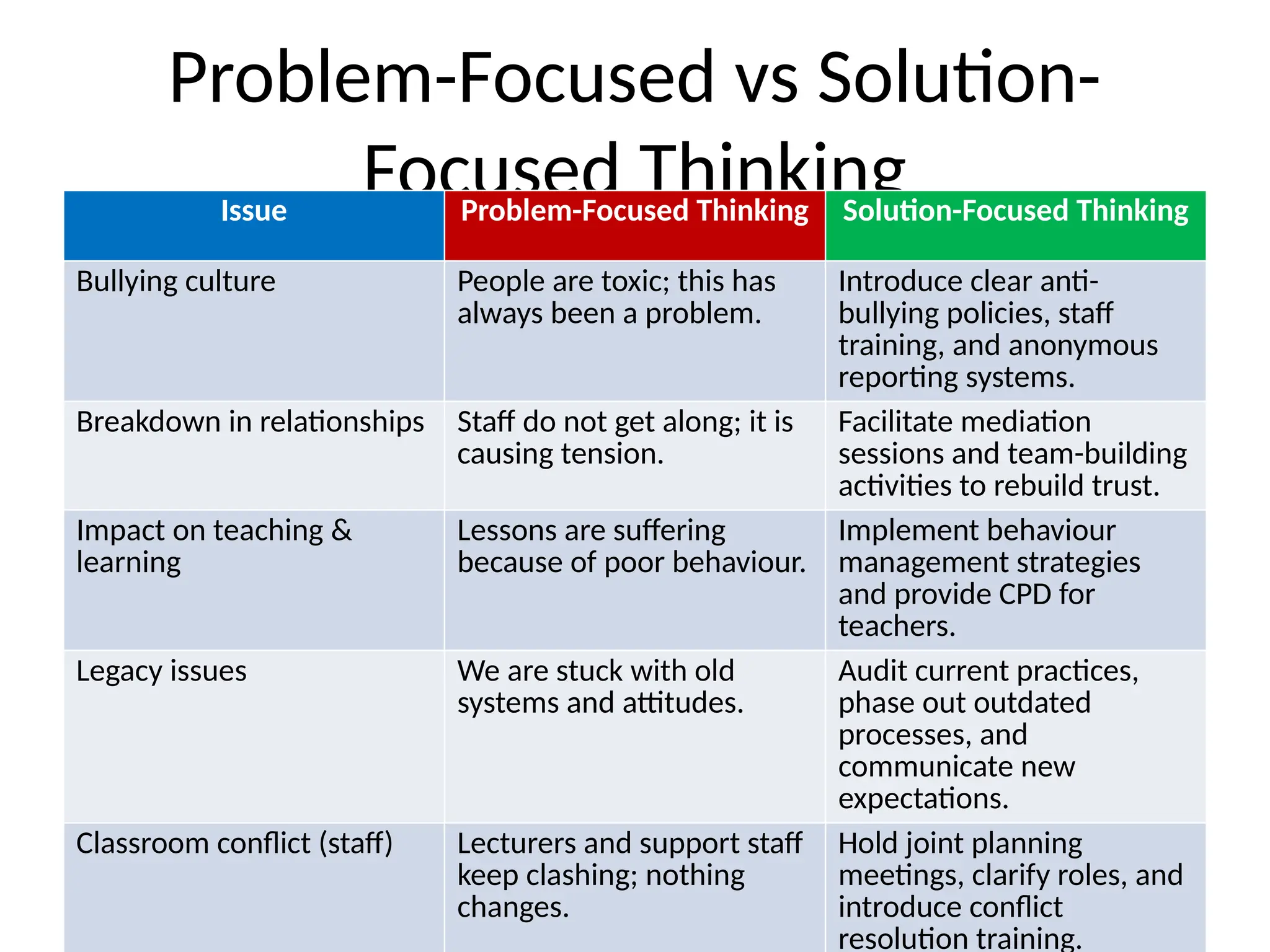
A problem focused strategy in home design shifts the emphasis from aesthetic trends to the functional correction of specific living constraints. By prioritizing identified challenges—such as inadequate storage, poor traffic flow, or environmental discomfort—homeowners can create a space that objectively improves daily efficiency and long-term usability through evidence-based planning and structural refinement.
The Philosophy of Functional Prioritization
In contemporary residential architecture and interior design, there is often a tension between visual appeal and practical performance. A problem focused strategy serves as a methodology to reconcile this. Instead of starting with a desired "look"—such as a specific color palette or an ornamental style—the process begins with a diagnostic phase. This approach treats a home as an ecosystem of problems that require optimized solutions.
For instance, if a homeowner struggles with a kitchen that feels disorganized, the design strategy does not begin with selecting cabinet finishes or countertop materials. It begins by mapping the user’s movement (the "work triangle"), identifying bottlenecks in food preparation, and auditing the volume of inventory requiring storage. By focusing on the specific problem—the lack of accessible, organized storage and poor workflow—the resulting design inherently dictates its own aesthetic form. The "design" emerges as a consequence of solving the problem, rather than the problem being an afterthought to the aesthetic choice.
Phase 1: Identifying and Categorizing Constraints
The effectiveness of this strategy relies entirely on the accuracy of the problem diagnosis. Before committing capital or labor to a renovation, homeowners must categorize their issues into three distinct groups: structural, operational, and environmental.
Structural Issues
These are the most immutable constraints. They include load-bearing wall locations, ceiling heights, window placements, and the overall footprint of the dwelling. If a space is too small for its intended function, structural modification is required. Using a problem focused strategy here involves questioning whether a wall needs to be removed or if the space can be reconfigured through built-in furniture that adapts to the existing envelope.
Operational Issues
These concerns relate to how the space functions during the course of a day. Common examples include:
- Congestion points: Areas where traffic paths cross (e.g., the transition between the kitchen and the mudroom).
- Accessibility: Difficulty in navigating thresholds or cabinetry for individuals with mobility challenges.
- Utility density: Not enough electrical outlets for the technology required in a modern home office or kitchen.
Environmental Issues
These are factors that influence how a space feels and performs on a sensory level. Poor natural light distribution, acoustic reverberation in large rooms, and thermal instability (drafts or heat traps) are classic environmental problems. A design strategy focused on these issues would prioritize the installation of sound-absorbing materials or window glazing modifications over decorative enhancements.
Phase 2: Developing Solution-Based Design Criteria
Once the problems are documented, the next step involves creating a brief that outlines the performance requirements for the solution. This prevents "scope creep," where the renovation becomes distracted by unnecessary vanity features.
When developing criteria, each solution must be measurable. For example, if the problem is a lack of storage, the criteria should state, "The design must provide 20% more linear storage capacity without reducing floor area by more than 5%." This creates a quantifiable metric that guides the designer and ensures the solution is effective.
| Problem Category | Common Indicator | Metric for Success |
|---|---|---|
| Operational | Traffic bottlenecks | Reduction in cross-path intersection points |
| Environmental | Insufficient task lighting | Minimum of 500 lux on active work surfaces |
| Structural | Inefficient layout | Increased square footage of usable counter/storage |
| Maintenance | Rapid wear and tear | Life cycle of materials exceeding 10 years |
Integration of Technical Requirements
A problem focused strategy requires a higher level of technical engagement. If you are solving a sound insulation issue, you must understand the difference between sound transmission class (STC) ratings and noise reduction coefficients (NRC). If the problem is thermal, one must look at the R-value of insulation materials rather than the price per square foot.
In 2026, the integration of smart home systems has become a frequent "solution" for operational problems. However, a disciplined problem-focused approach warns against "tech-splaining" a space. Technology should only be introduced if it addresses a specific, persistent problem that manual design cannot solve. For example, installing an automated lighting system is a legitimate solution for a home where the elderly find physical switches difficult to reach, but it is a superfluous addition if the problem is simply that the room is poorly lit.
Addressing Common Mistakes
One frequent error in this strategy is the confusion between a symptom and a root cause. A homeowner might complain that their living room is "too messy." The immediate reaction might be to buy more decorative baskets. A problem focused strategy, however, asks why it is messy. If the underlying cause is that the living room has become the primary entry point for coats and bags, the solution is not more baskets, but a redesign of the mudroom or entrance area to handle the incoming traffic.
Another mistake is failing to consider long-term life cycle costs. When solving a problem, it is tempting to choose the cheapest quick fix. However, the most effective solutions are those that minimize future maintenance. A "problem focused" strategy inherently includes the problem of future degradation. Selecting durable materials, even at a higher initial cost, is a strategic response to the problem of high maintenance requirements.
Implementation Sequence: From Diagnosis to Execution
- Audit: Record all points of friction in your daily routine for one full week.
- Filter: Distinguish between personal annoyances and actual design flaws.
- Specify: Define the technical requirements for the solution (e.g., "The hallway must accommodate two people passing comfortably").
- Evaluate Alternatives: Compare at least three ways to solve the problem—varying in cost, construction time, and complexity.
- Verification: After the design is completed, test it against the initial constraints. Did the traffic flow improve? Is the space easier to maintain?
FAQ: Navigating a Problem Focused Strategy
How do I decide which problem to solve first when multiple issues exist? Prioritize problems based on impact and dependency. Operational bottlenecks that occur daily (like an awkward door swing) take precedence over aesthetic issues. Furthermore, if one solution (like moving a wall) solves both an operational and an environmental problem simultaneously, that should be your primary project.
Is a problem focused strategy inherently expensive? Not necessarily. In fact, it often prevents overspending. By focusing on specific deficiencies, you avoid the cost of decorative "add-ons" that do not improve your quality of life. You are directing your budget toward high-impact functional changes rather than cosmetic trends.
Can I use this strategy if I am renting a home? Yes. For renters, the "problems" must be solved through modular, non-permanent, or additive means. This includes using smart storage furniture, temporary lighting solutions, or area rugs to define acoustic zones, rather than structural changes.
How do I know if my problem is a "home design" issue or a "lifestyle" issue? If a problem persists regardless of how you organize your belongings or adjust your habits, it is a design issue. If the problem is purely behavioral, architectural intervention will not provide a lasting solution.
When should I hire a professional for this strategy? If the problem involves structural load-bearing elements, electrical systems, or plumbing re-routing, professional intervention is mandatory to ensure building code compliance and safety. A professional architect or interior designer can help translate your problem definitions into technical drawings.
Next Action: The One-Week Audit
To begin your problem focused strategy, start with a "friction log." For the next seven days, every time you feel frustrated, limited, or inconvenienced by your home, write it down immediately. Do not worry about how to fix it yet. At the end of the week, review your list. You will likely find that your frustrations fall into three or four repeated categories. Group these, define the physical manifestation of each problem, and establish your core project goals. By identifying the specific barriers, you have already completed the most difficult part of the design process.