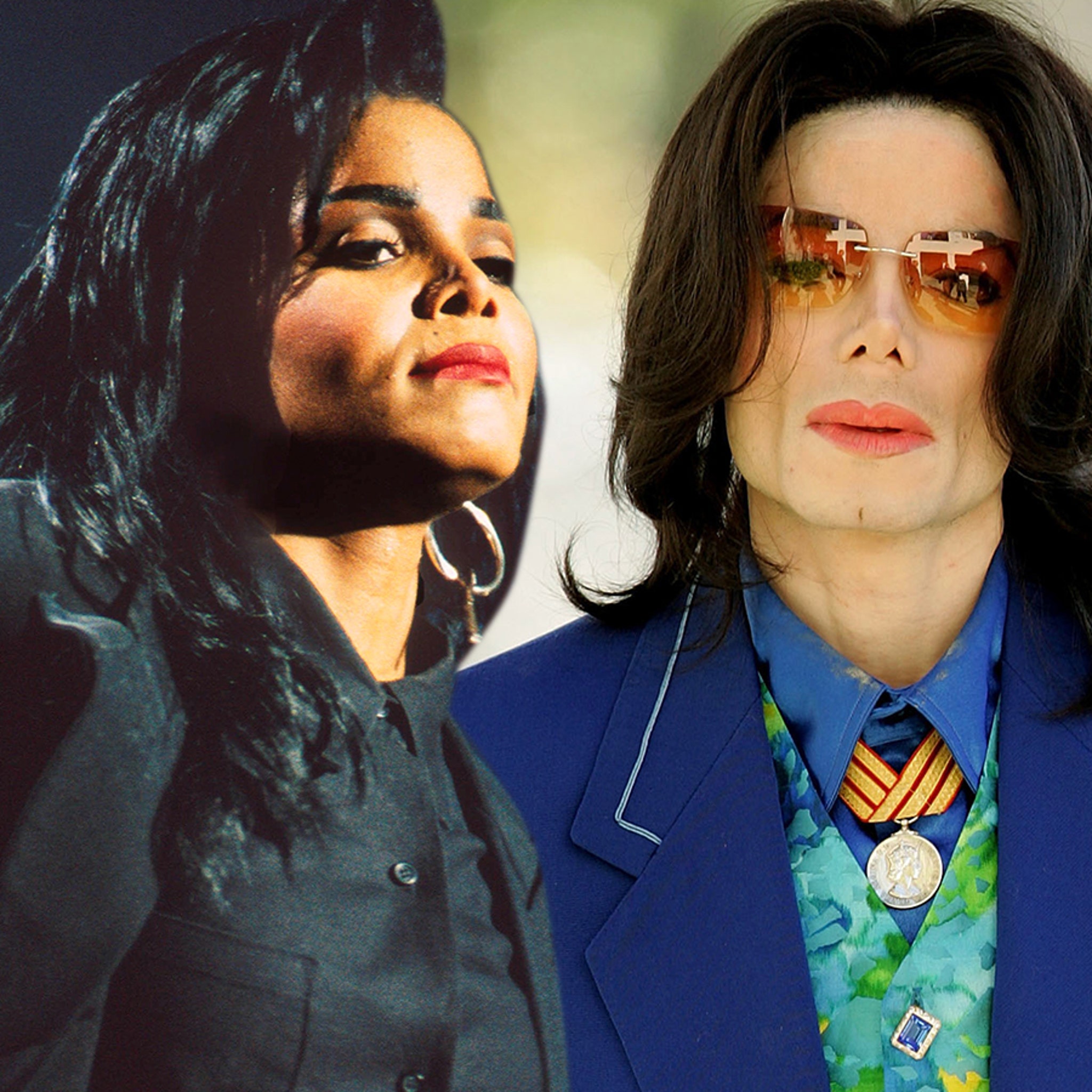
To understand a picture of Michael Jackson in context, one must analyze the intersection of his evolving public persona, the specific photographic techniques of the era, and the cultural milestones of the time. These images serve as historical documents that track his transition from a child prodigy to a global icon, reflecting shifts in fashion, racial representation, and the very nature of celebrity branding.
The Visual Narrative of Michael Jackson’s Career
A photograph of Michael Jackson is rarely just a snapshot; it is a meticulously crafted piece of media designed to convey a specific narrative. Throughout his career, Jackson understood the power of the "image" better than almost any other entertainer of the 20th century. To view a picture of him in context, we must first categorize his visual history into distinct eras, each defined by a specific aesthetic and set of goals.
In the early 1970s, the context was one of youthful exuberance and the "Black is Beautiful" movement. Photos of the Jackson 5 emphasized unity, vibrant patterns, and the natural afro. By the time we reach the late 1970s and early 1980s, the context shifts to individual stardom. The imagery of the Off the Wall era, characterized by the tuxedo and the glowing disco lights, represented a young man coming of age and claiming his place in the adult music world.
By 2026, many of these photographs have been digitally restored and archived. However, the original context remains anchored in the analog era. When we see a picture from the 1980s, we are seeing the work of photographers who used film stock like Kodak Ektachrome or Kodachrome, which provided a specific warmth and saturation that defined the "look" of the King of Pop’s peak years.
The Technical Mastery of the Thriller Era (1982–1984)
Perhaps the most scrutinized imagery in music history comes from the Thriller era. The primary photograph that defined this period was the album cover shot by Dick Zimmerman. To view this picture in context, one must understand the technical requirements of the early 1980s music industry.
Zimmerman used a large-format camera to ensure the highest possible resolution for vinyl LP jackets. The lighting was soft and directional, designed to emphasize Jackson’s features while maintaining an approachable, "boy next door" quality that was essential for breaking across racial lines on MTV. The white suit Jackson wore was a deliberate choice to provide high contrast against the dark background, ensuring the image popped on retail shelves.
In this context, the photograph was not just an artistic choice but a commercial strategy. It bridged the gap between R&B and Pop, creating a visual language that was universally accessible. In 2026, historians look back at this specific image as the pinnacle of "crossover" branding, where the visual identity was as important as the sonic production of Quincy Jones.
The Evolution of Style: Bad, Dangerous, and Beyond
As Jackson moved into the Bad (1987) and Dangerous (1991) eras, the context of his photography became increasingly complex. The "Bad" imagery, often shot by Greg Gorman or Annie Leibovitz, moved away from the soft lighting of the early 80s toward a sharper, more aggressive aesthetic.
- The Bad Era: This was the era of buckles, leather, and high-contrast black-and-white photography. The context here was a "street-smart" persona designed to answer critics who questioned his toughness. The lighting often used "rim light" techniques to highlight his silhouette, creating a more mythological figure.
- The Dangerous Era: By the early 90s, the context had shifted toward the baroque and the mysterious. The Dangerous album cover, while an illustration by Mark Ryden rather than a photograph, set the stage for a new visual style. Photography from this era often featured Jackson in military-inspired regalia, reflecting his status as global royalty.
Understanding these photos requires recognizing the shift in Jackson’s own skin tone and features. In 2026, medical and historical consensus provides the context of his struggle with vitiligo, a detail often missing from the tabloid-driven context of the 1990s. When viewing these pictures today, the context is one of a performer navigating a physical transformation while under the most intense public scrutiny in history.
Comparing Key Photographic Eras of Michael Jackson
To better understand how context changes the perception of an image, the following table compares three major photographic milestones in Jackson's career.
| Era | Primary Photographer | Visual Theme | Cultural Context |
|---|---|---|---|
| Off the Wall (1979) | Mike Salisbury | Elegance, Disco, Joy | Transition to solo adulthood; the rise of post-disco R&B. |
| Thriller (1982) | Dick Zimmerman | Crossover, Classicism | Breaking the "color barrier" on MTV and mainstream radio. |
| Bad (1987) | Greg Gorman / Annie Leibovitz | Edginess, Urban, Leather | Reasserting dominance; responding to the "Bad" persona. |
| HIStory (1995) | Herb Ritts | Statuesque, Iconic, Legacy | Dealing with public scrutiny; framing himself as a historical figure. |
The Role of the Photographer in Shaping Perception
The "context" of a Michael Jackson photo is heavily influenced by the person behind the lens. Each photographer brought a different philosophy to their sessions with the King of Pop.
Annie Leibovitz and the Human Element
Leibovitz’s photos of Jackson are notable for their attempt to find the human being behind the spectacle. In her sessions, the context is often more intimate. She used environmental portraiture to place Jackson in settings that felt less like a stage and more like a private world. These photos are essential for understanding Jackson not as a performer, but as a person.
Herb Ritts and the Sculptural Form
Herb Ritts, known for his mastery of natural light and the human physique, photographed Jackson during the mid-1990s. The context of a Ritts photo is often sculptural. He emphasized Jackson’s movement—the line of a dancing leg, the arch of a back. These images stripped away the glitter and focused on the physical discipline of Jackson as an athlete and dancer.
Archival Preservation and Digital Context in 2026
As of 2026, the context of "a picture of Michael Jackson" has entered a new phase: the era of high-fidelity digital restoration. Many original negatives from the 70s and 80s have been scanned at 8K or even 12K resolution. This allows contemporary viewers to see details—the texture of the fabric, the sweat on the brow, the grain of the film—that were invisible to fans in the 20th century.
However, this new clarity brings its own contextual challenges. AI-driven upscaling can sometimes "hallucinate" details that weren't there, changing the intent of the original photographer. For a researcher or fan in 2026, the primary task is verifying the authenticity of the visual data. Historical context now includes metadata—knowing the date, the camera model (such as a Nikon F3 or a Hasselblad), and the original film speed (ISO).
The Importance of Candid vs. Staged Imagery
When searching for "a picture of Michael Jackson in context," one must distinguish between staged promotional shots and candid photography.
- Staged Photos: These are the images we see on posters and album covers. Their context is marketing and myth-making. Every shadow is placed with intent, and every wardrobe choice is vetted by a team of stylists.
- Candid Photos: These include paparazzi shots or "behind-the-scenes" photos. The context here is often chaotic. These images provide a glimpse into the reality of "Jacksonmania"—the crowds, the security, and the isolation that came with his level of fame.
To get a full picture of the man, one must look at both. The staged photos show us who Jackson wanted to be; the candid photos show us the world he had to live in.
Common Misinterpretations of Jackson's Imagery
A common mistake is viewing a picture of Michael Jackson through a modern lens without considering the constraints and trends of the past. For example, the heavy makeup and stylized lighting of the 1990s are often mocked today, but in the context of 90s music videos and high-fashion photography, they were cutting-edge.
Similarly, the context of his physical changes is often stripped away in social media memes. In 2026, responsible media consumption requires looking at the timeline of his health, the evolution of cosmetic surgery in the 80s and 90s, and the lighting techniques used to mask or highlight specific features. Without this context, the images are often reduced to caricatures.
FAQs About Michael Jackson’s Iconic Photos
Who took the most famous picture of Michael Jackson?
While many photographers worked with him, Dick Zimmerman is credited with the Thriller album cover, which is arguably the most recognizable image of Jackson. However, Douglas Kirkland’s "Thriller" video set photos and Annie Leibovitz’s Vanity Fair shoots are also considered definitive.
Why does the lighting change so much in his photos over the decades?
The lighting changes reflect both technological advancements and Jackson’s changing public image. The 70s used warm, natural light; the 80s utilized "glamour lighting" with softboxes; and the 90s moved toward high-contrast, "stark" lighting that emphasized his silhouette and iconic dance poses.
Are there "unseen" pictures of Michael Jackson still being released in 2026?
Yes. Estate archives and private collections from photographers continue to yield previously unreleased outtakes. In 2026, these are often released as part of "anniversary" digital experiences, providing new context for well-known recording sessions.
How did Michael Jackson use photography for branding?
Jackson used photography to create "icons." By consistently wearing specific items—like the single sequined glove, the fedora, or the aviator sunglasses—he ensured that even a silhouette would be immediately identifiable. This is a primary example of visual branding where the "context" is the brand itself.
What is the significance of the "statue" imagery from the HIStory era?
The imagery for the HIStory album (1995) featured a massive statue of Jackson. The context was a response to the media trials of the early 90s; Jackson was literally "setting his legacy in stone" to assert his permanence in music history regardless of tabloid headlines.
Practical Recommendation for Researchers and Collectors
If you are looking for a picture of Michael Jackson to use for a project or for your own collection in 2026, always seek the original source and metadata. Look for images archived by reputable agencies like Getty Images or the Michael Jackson Estate.
To truly understand the "context," do not just look at the subject. Research the year the photo was taken, the event he was attending, and the photographer's body of work. This holistic approach will transform a simple "picture" into a meaningful historical artifact that tells the story of the most significant entertainer of our time.