Partnering with a payment plan collection agency is a strategic decision that prioritizes long-term revenue recovery over immediate, low-probability lump-sum demands. By offering structured installments, these agencies increase total recovery rates, preserve customer relationships, and ensure a steady stream of predictable cash flow while maintaining strict legal compliance.
In the fiscal landscape of 2026, the traditional "all-or-nothing" approach to debt collection is increasingly yielding to more flexible, data-driven strategies. For many businesses, the realization that a significant portion of their accounts receivable is tied up in "uncollectible" debt is a catalyst for change. When a customer cannot pay a $5,000 balance in full, they often go silent. A payment plan collection agency breaks that silence by providing a manageable path forward, transforming a static loss into an active, amortizing asset.
The Shift Toward Empathetic Recovery in 2026
The debt collection industry has undergone a massive transformation leading into 2026. Regulatory shifts and consumer expectations have moved away from aggressive "harassment" models toward a "financial advocacy" model. A payment plan collection agency acts as an intermediary that negotiates between the creditor’s need for capital and the debtor’s financial reality.
This shift is not merely about being "kind"; it is about the math of behavioral economics. In 2026, data shows that consumers are 65% more likely to engage with a collection attempt if the first communication includes an automated option for a payment plan. When a business chooses an agency that specializes in these structured settlements, they are choosing a partner that understands how to lower the "barrier to entry" for repayment.
Why Lump Sum Demands Often Fail
In previous decades, the standard operating procedure was to demand the full balance plus interest and fees immediately. While this works for high-liquidity debtors, it fails for the majority of modern consumers and small businesses facing temporary cash flow crunches. A demand for $10,000 can lead to "debtor paralysis," where the individual ignores all correspondence because they see no viable way to satisfy the debt.
Conversely, a payment plan collection agency might propose $400 a month. While it takes longer to recover the full amount, the likelihood of the first payment being made—and the debt being validated—increases exponentially.
Strategic Advantages of Payment Plan Specialization
Choosing a specialized agency offers several distinct advantages that go beyond simple check-collection. These agencies utilize specialized software, psychological profiling, and legal frameworks designed specifically for recurring transactions.
1. Improved Days Sales Outstanding (DSO)
The DSO metric is a critical health indicator for any business. While a payment plan doesn’t clear the balance instantly, it moves the account from "delinquent" to "current-paying status." This transition can significantly improve the appearance of a company's balance sheet, making the business more attractive to lenders and investors who value predictable, recurring revenue over erratic, aged receivables.
2. Preserving the Customer Lifetime Value (CLV)
It is a well-known business axiom that acquiring a new customer is five to ten times more expensive than retaining an existing one. Sometimes, a loyal customer falls on hard times due to external economic factors. If a business uses an aggressive collection agency that burns bridges, that customer is gone forever.
A payment plan collection agency facilitates a "soft landing." By helping the customer resolve their debt through a manageable plan, the agency preserves the customer's dignity. In many cases, once the debt is cleared, these individuals return as paying customers, feeling a sense of loyalty to the brand that worked with them during their hardship.
3. Legal Risk Mitigation
The regulatory environment in 2026, governed by the Fair Debt Collection Practices Act (FDCPA) and the Consumer Financial Protection Bureau (CFPB) guidelines, is stricter than ever. Attempting to collect debt internally or using a cut-rate agency can expose a business to massive litigation risks.
Specialized agencies are experts in "Regulation F" compliance, ensuring that every payment plan agreement is documented, signed, and executed within the bounds of federal and state laws. They handle the "Right to Validate" notices and ensure that payment reminders do not cross the line into harassment.
Technical Mechanics of a Modern Payment Plan Agency
A "smart move" is defined by the technology the agency brings to the table. In 2026, this involves more than just a call center.
Automated Payment Portals
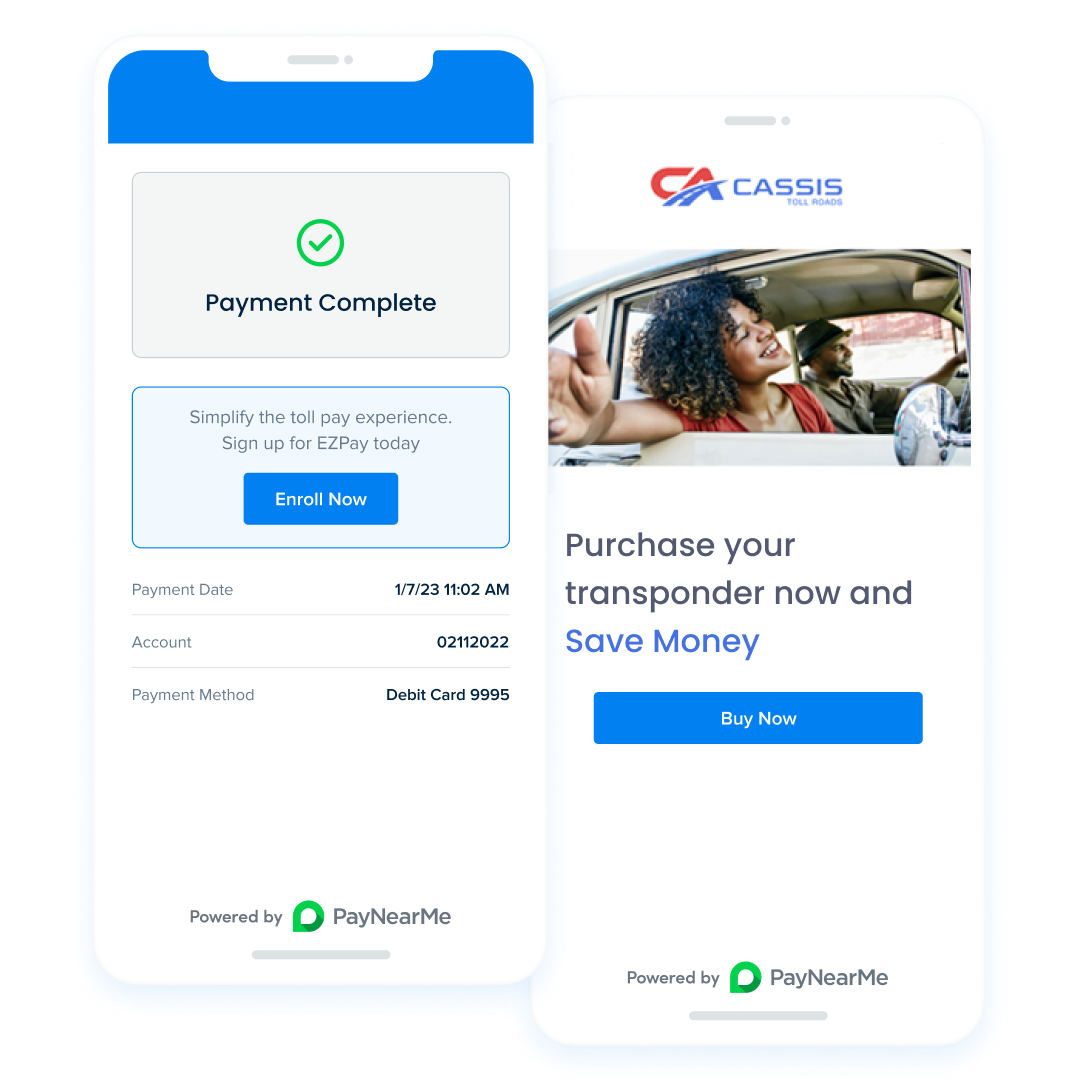
Modern agencies provide 24/7 self-service portals. Debtors are often embarrassed to speak with a collection agent. A portal allows them to log in, view their balance, and select a payment plan that fits their budget without the perceived judgment of a human interaction. These portals use AI to suggest "optimal" plans based on the debtor's credit profile and spending habits.
Skip Tracing and Data Enrichment
Before a plan can be established, the debtor must be found. Advanced agencies use "skip tracing"—the process of locating a person who has moved or changed contact info—using massive databases, social media footprints, and public records. Once located, "data enrichment" tools allow the agency to see if the debtor has recently gained employment or took out a new loan, which informs the negotiation of the payment plan.
Comparison: Traditional vs. Payment Plan Collection Agencies
The following table illustrates the operational differences between a standard "hard-line" agency and one focused on structured payment plans.
| Feature | Traditional Collection Agency | Payment Plan Collection Agency |
|---|---|---|
| Primary Goal | Immediate Lump-Sum Settlement | Long-Term Debt Amortization |
| Success Rate | Moderate (High Volatility) | High (Consistent Recovery) |
| Customer Impact | Often Terminated Relationship | Potential for Retention |
| Legal Risk | Higher (Aggressive Tactics) | Lower (Negotiated Agreements) |
| Revenue Stream | Irregular "Windfalls" | Predictable Monthly Cash Flow |
| Debtor Psychology | Confrontational/Stress-Inducing | Collaborative/Solution-Oriented |
| Technology Focus | Predictive Dialers | Self-Service Portals & Auto-Pay |
The Financial Impact of the Contingency Fee Model
Most payment plan collection agencies operate on a contingency fee basis. This means the business only pays if the agency successfully collects money. In a payment plan scenario, the agency typically takes a percentage of each installment as it is received.
For a business, this is a low-risk proposition. Instead of paying a flat fee upfront for an agency to "try" to collect, you only share a portion of the actual revenue recovered. In 2026, the standard contingency rates range from 20% to 40% depending on the age of the debt and the volume of accounts. While this might seem high, one must consider that 60% of something is infinitely better than 100% of nothing.
Navigating the Statute of Limitations
A critical technical detail often overlooked is how payment plans interact with the Statute of Limitations. In many jurisdictions, the clock on how long a creditor has to sue a debtor for a balance resets the moment a payment is made or a written acknowledgment of the debt is signed.
By moving a debtor into a payment plan, the agency effectively "re-ages" the debt legally. If the debtor makes three payments and then stops, the business often has a renewed window of time to pursue legal action if necessary. This provides an additional layer of security that traditional agencies, which might fail to get that first payment, cannot offer.
How to Verify and Onboard a Collection Partner
Not all agencies are created equal. To ensure that hiring a payment plan collection agency is truly a smart move, a business must perform due diligence.
- Verify Licensing: Ensure the agency is licensed to collect in all states where your customers reside. Debt collection is a state-regulated industry, and "reciprocal" licensing is required in 2026.
- Audit Security Standards: Since the agency will handle sensitive financial data, ensure they are PCI-DSS compliant and have robust SOC 2 Type II certifications.
- Review Communication Templates: Ask to see the letters and scripts they use. If they sound overly aggressive or "shady," they will damage your brand. Look for a tone that is professional and focused on "resolving" the account.
- Integration Capabilities: Ensure their software can talk to your ERP (Enterprise Resource Planning) or accounting software (like QuickBooks, Xero, or Oracle). Real-time updates prevent you from accidentally calling a customer who has already paid the agency.
Common Pitfalls to Avoid
Even with a great partner, businesses can make mistakes that hinder the success of a payment plan strategy. One common error is waiting too long to refer an account. In 2026, data suggests that the probability of collecting a debt drops by 10% every 30 days it remains delinquent.
Another mistake is failing to provide the agency with complete documentation. A payment plan is only as strong as the underlying contract. Ensure the agency has access to signed service agreements, invoices, and a history of internal collection attempts. This "chain of evidence" is vital if the debtor later disputes the plan.
FAQs
How do payment plans affect the statute of limitations on debt?
In most jurisdictions, making a partial payment on a debt or signing a payment plan agreement "tolls" or resets the statute of limitations. This means the legal period during which you can sue for the debt begins anew from the date of the last payment. This is a significant strategic advantage for creditors, as it extends their window for legal recourse if the debtor defaults on the plan later.
What happens if a debtor misses a payment in a structured plan?
Modern payment plan collection agencies use automated "broken promise" workflows. If a payment fails, the system immediately triggers a sequence of SMS, email, and phone reminders. If the debtor does not rectify the payment within a grace period (usually 3-7 days), the "settlement" or "plan" may be voided, and the agency returns to demanding the full balance or initiating legal action.
Are payment plan agencies more expensive than traditional ones?
Generally, the contingency fee percentage is the same. However, because payment plans require more ongoing administrative work (processing 12 payments instead of one), some agencies may charge a slightly higher percentage or a small "per-transaction" processing fee. Most businesses find this extra cost negligible compared to the increased total volume of recovered funds.
How does the 2026 regulatory environment impact payment plan structures?
As of 2026, the CFPB requires clear disclosure of the "Total Cost of Debt" when a payment plan includes interest or fees. Agencies must also provide an easy way for consumers to opt-out of electronic communications. Payment plan agencies are now required to provide "plain language" summaries of the plan to ensure the debtor fully understands the commitment, reducing the likelihood of future disputes.
Can I offer payment plans myself instead of hiring an agency?
You can, but it is often inefficient. Managing hundreds of small monthly payments, following up on expired credit cards, and staying compliant with varying state collection laws requires significant overhead. An agency brings the infrastructure, legal shielding, and "third-party impact"—the psychological reality that since the debt has been moved to an agency, the situation has become "serious."
Strategic Recommendation
For businesses looking to optimize their 2026 recovery strategy, the integration of a payment plan collection agency is highly recommended. The most effective approach is to segment your aging receivables. Accounts that are 60–90 days past due should be referred to an agency that specializes in "first-party" soft-touch payment plans. For accounts older than 120 days, a more traditional third-party contingency model with a strong focus on structured installments is the best way to maximize the net recovery value of your delinquent portfolio.