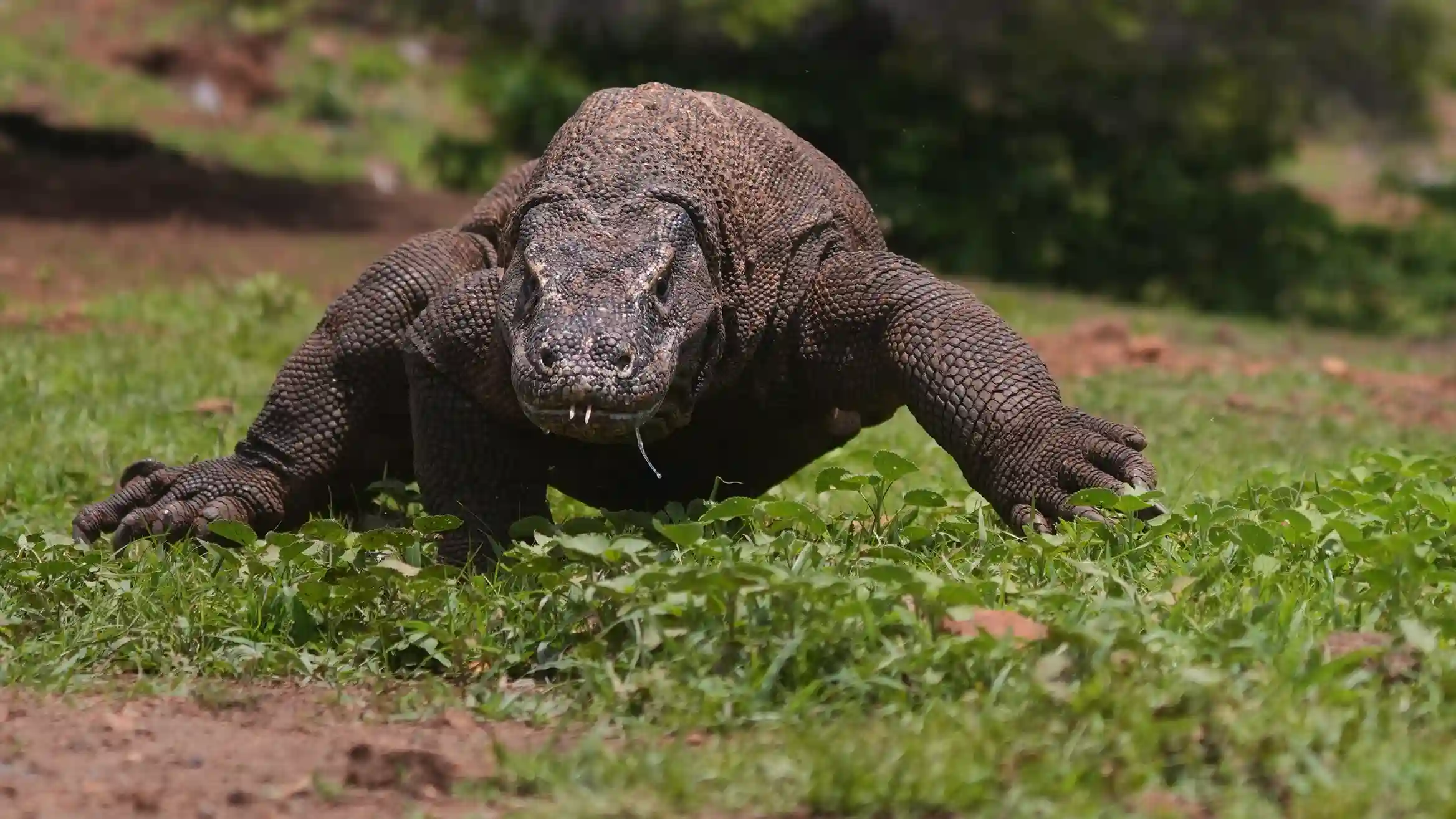
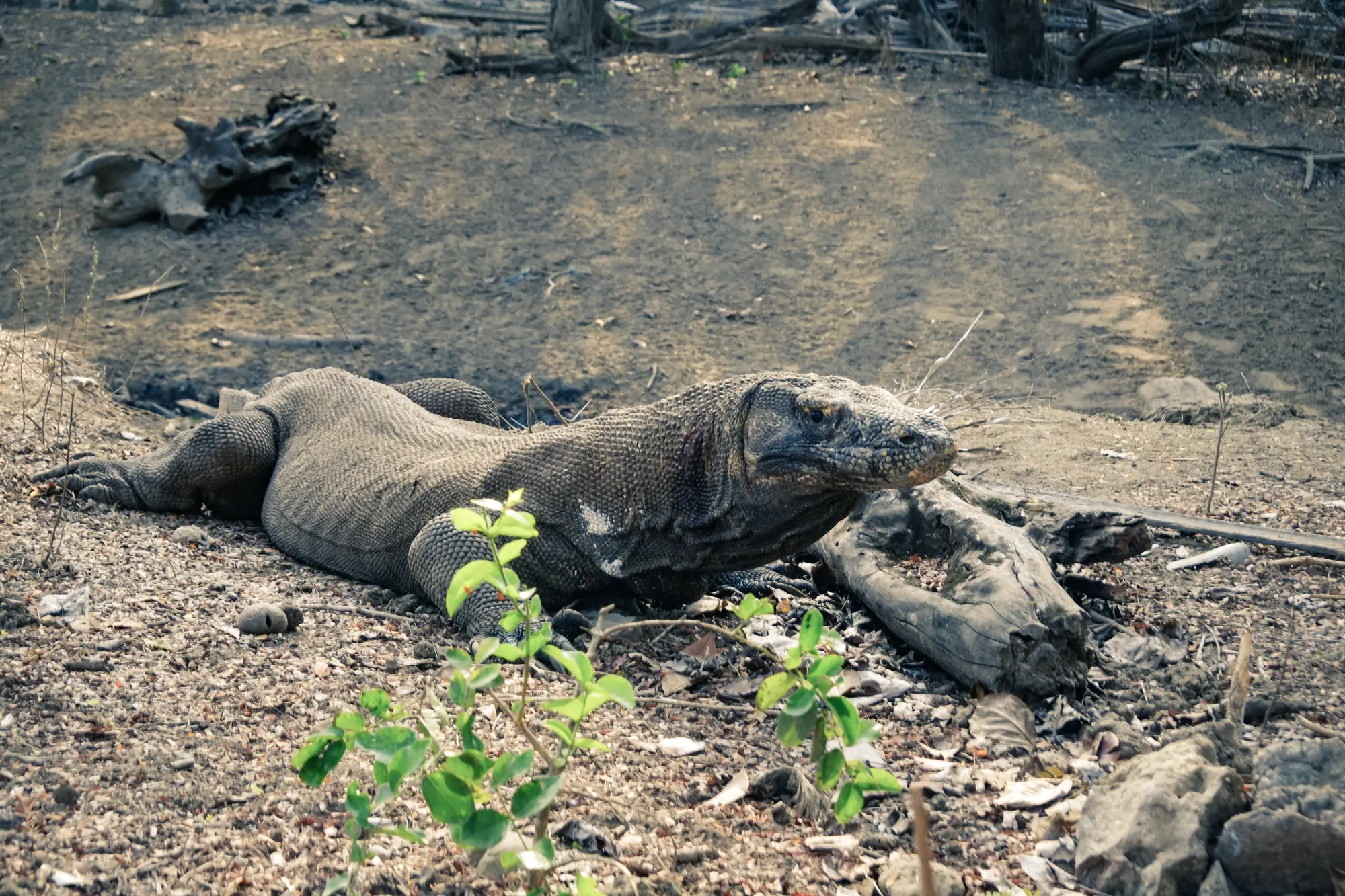
Komodo dragons are not dragons in the mythological sense, as they are biological lizards—specifically, the largest extant species of monitor lizard—native to Indonesia. While they share the "dragon" namesake due to their formidable size, reptilian features, and apex predator status, they lack the supernatural attributes associated with folklore, such as flight or fire-breathing, and are instead members of the Varanidae family.
The Biological Identity of the Komodo Dragon
To understand why the Komodo dragon (Varanus komodoensis) is classified as it is, one must look toward the science of taxonomy. They are not mythical creatures, but rather apex predators that have evolved over millions of years within the Indonesian archipelago. They belong to the genus Varanus, which includes all monitor lizards.
Monitor lizards are distinct from other squamates—the order containing lizards and snakes—due to their high intelligence, complex social behaviors, and unique physiological adaptations. The Komodo dragon specifically evolved to occupy the role of an apex predator on the islands of Komodo, Rinca, Flores, and Gili Motang. Their classification as "dragons" is a colloquialism that reflects their imposing stature, which can reach up to 10 feet in length and weigh over 150 pounds, rather than any evolutionary relationship to the fire-breathing beasts of literature.
The confusion often arises from the sheer size and physical appearance of these reptiles. They possess heavy limbs, a muscular tail, and sharp, serrated teeth that bear a striking resemblance to the conceptualized "dragon" of Western and Eastern mythology. However, from a biological standpoint, they are as much "dragons" as a house cat is a "tiger"—a naming convention based on aesthetic similarity rather than evolutionary lineage.
Why the Name "Dragon" Persisted
The common name "Komodo dragon" is a relatively modern invention in the context of human history. Local inhabitants of the islands, such as the people of Komodo, have long referred to them as ora or buaya darat (land crocodile). When Western explorers and scientists began documenting these creatures in the early 20th century, the moniker "dragon" was adopted as a way to convey the animal’s magnitude and menacing nature to a global audience.
By the 1920s, after the species was formally described for the scientific community, the name "dragon" had firmly taken root. It was an effective marketing tool for early 20th-century zoos and natural history museums, which were keen to showcase "monsters" from the remote corners of the globe. This naming choice has remained because it captures the public imagination far more effectively than "giant monitor lizard," ensuring that the species remains one of the most recognizable animals on Earth.
Mythological Dragons vs. Biological Reality
The divergence between the mythical dragon and the Varanus komodoensis is absolute. In mythology, dragons are often depicted as armored, winged, and capable of elemental manipulation. In contrast, the Komodo dragon is bound by the laws of thermodynamics and evolutionary biology.
Physical Characteristics Comparison
| Feature | Mythological Dragon | Komodo Dragon |
|---|---|---|
| Classification | Folklore/Legend | Biological (Varanidae) |
| Locomotion | Flight / Walking | Terrestrial (Walking/Running) |
| Diet | Livestock / Heroic Warriors | Carrion / Deer / Pigs / Water Buffalo |
| Defensive Adaptation | Magical scales / Fire | Thick, ossified skin (osteoderms) |
| Environment | Caves / Mountains | Tropical savanna / Dry forests |
The Komodo dragon’s defensive strategy is rooted in the presence of osteoderms, which are small bony plates embedded in their skin. These act as a natural suit of chainmail, protecting them from the bites of other dragons during territorial or mating disputes. This biological armor is effective against claws and teeth, but it is a far cry from the impenetrable scales described in fantasy literature.
The Evolutionary History and Range
The evolutionary history of the Komodo dragon is a testament to island gigantism. Fossil evidence suggests that the ancestors of the Komodo dragon originated in Australia millions of years ago, migrating westward into the Indonesian archipelago during periods of lower sea levels. As they became isolated on the islands, they occupied the ecological niche of the top predator, a position usually held by large mammals in other ecosystems.
Because there were no large mammalian predators on islands like Komodo or Flores to compete with them, these lizards grew to sizes that would have been untenable in environments with higher competition. By 2026, scientific research continues to focus on how their genome—which is highly specialized for metabolic efficiency—allows them to survive on the nutrient-poor, arid islands they inhabit. They are not merely "stunted" versions of something else; they are perfectly optimized for their island habitats.
Predator Behavior and Feeding Ecology
The feeding behavior of the Komodo dragon is perhaps the aspect of their biology that most reinforces the "dragon" myth. They are opportunistic scavengers and highly efficient ambush hunters. They possess a keen sense of smell, using their forked tongues to detect carrion from up to several miles away.
Contrary to old myths about "toxic bacteria" in their mouths, modern research has confirmed that Komodo dragons possess specialized venom glands. These glands secrete proteins that inhibit blood clotting and induce shock in their prey. When a Komodo dragon bites a large animal, such as a deer or water buffalo, it does not need to finish the hunt immediately. It can track the prey for days as the venom weakens the animal until it eventually succumbs. This slow, methodical hunting style is often interpreted as "sinister" or "supernatural" by observers, contributing further to their legendary reputation.
Conservation Status in 2026
As of 2026, the Komodo dragon is listed as "Endangered" by the International Union for Conservation of Nature (IUCN). Their range is extremely limited, restricted to a few islands within Indonesia. The primary threats to their existence are habitat loss, depletion of their primary prey species (such as the Timor deer), and climate change, which threatens to increase the salinity and reduce the landmass of their island habitats.
Conservation efforts remain focused on the Komodo National Park, a UNESCO World Heritage site. Monitoring the population is a high priority, involving sophisticated camera trapping and tagging to track individual movements. Because they are apex predators, their population health serves as a direct indicator of the health of the entire island ecosystem. Protecting the "dragon" is effectively protecting the entire biodiversity of the Lesser Sunda Islands.
Frequently Asked Questions
Are Komodo dragons dangerous to humans?
Yes, Komodo dragons are dangerous. While unprovoked attacks are relatively rare, they are wild, powerful predators with venomous bites and sharp, serrated teeth. They are capable of inflicting severe injuries, and in remote instances, fatalities have been recorded. Visitors to their native range should always be accompanied by trained local rangers.
Do Komodo dragons breathe fire?
No. This is purely a component of folklore and fantasy. Komodo dragons have no biological mechanism for fire-breathing. Their bite is dangerous due to mechanical trauma (sharp teeth) and the chemical action of their venom, not because of high-temperature breath.
How big can a Komodo dragon actually get?
The largest verified Komodo dragons can exceed 10 feet in length, though the average adult is typically between 7 and 9 feet. Weights vary significantly depending on the individual's last meal; a full, satiated dragon can weigh upwards of 150 to 200 pounds.
Do they have wings?
No, Komodo dragons are strictly terrestrial animals. They have powerful legs and claws designed for digging and traction, but they have no anatomical structures corresponding to wings or the capability for flight.
Can Komodo dragons swim?
Yes, they are surprisingly proficient swimmers. They are known to travel between islands within the Indonesian archipelago to find food or mates. They can move across stretches of ocean, though they are primarily land-dwelling creatures.
How long do they live?
In the wild, their lifespan is estimated to be approximately 30 to 40 years. Their longevity is influenced by the availability of prey and the absence of major diseases or environmental degradation within their island homes.
Conclusion and Recommendations
The Komodo dragon is a biological masterpiece, a remnant of a prehistoric lineage that has adapted to become the absolute master of its island domain. While the label "dragon" is a human-assigned title derived from folklore, the reality of the animal is perhaps more fascinating than the myths. They are predators of evolution, shaped by geography and survival rather than magic.
For those interested in learning more about these creatures in 2026, it is recommended to consult the official documentation provided by the Komodo National Park management and the reports published by reputable organizations such as the IUCN or the Zoological Society of London. Avoid sources that rely on sensationalized portrayals, as these often obscure the complex conservation challenges that define the modern existence of the species. Respecting their status as a wild, endangered species is the most critical step in ensuring their continued survival in the wild for future generations.