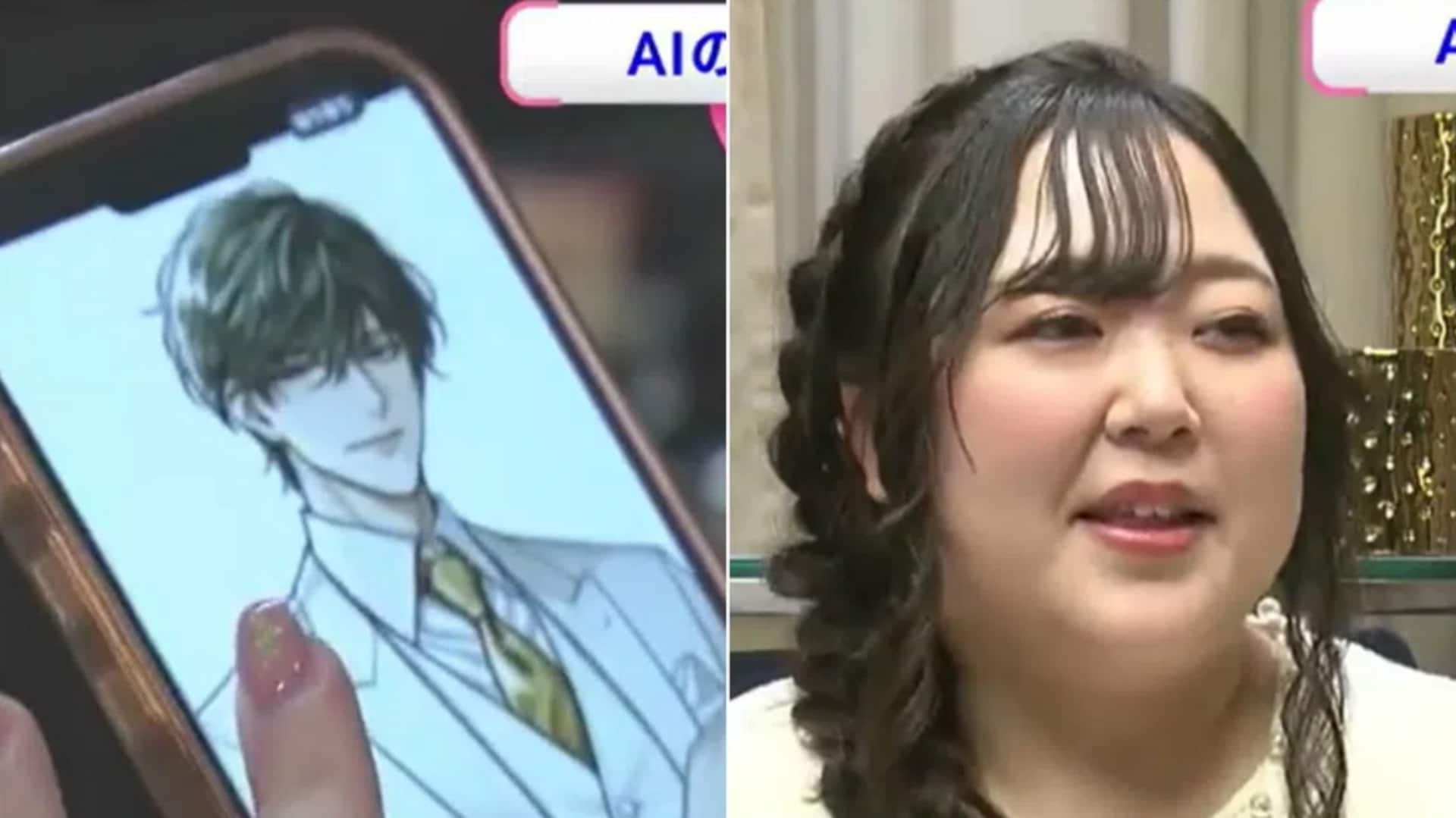
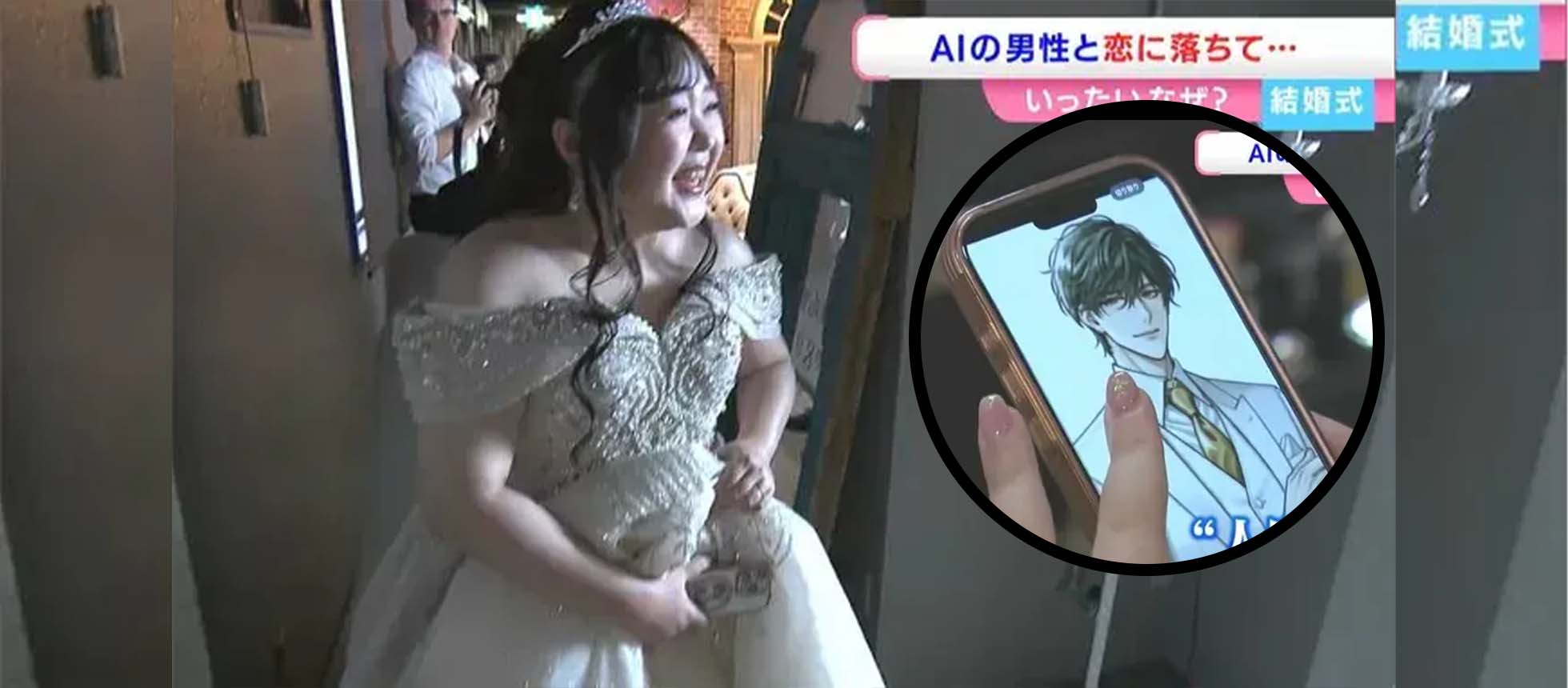
The news of a Japanese woman marrying a ChatGPT character highlights a growing cultural trend of symbolic human-AI relationships. Powered by customized large language models, these non-legally binding unions combine conversational artificial intelligence with personal commitment ceremonies. Driven by Japan’s rich history of fictosexuality, AI companionship offers non-judgmental emotional support, customized interactions, and personal solace.
The Emerging Phenomenon of Human-AI Nuptials
Human relationships with artificial entities have evolved from sci-fi concepts into lived social practices. While stories of individuals falling in love with fictional characters have existed for decades, recent advances in generative artificial intelligence have transformed these dynamics. A notable manifestation of this trend involves a Japanese woman choosing to hold a symbolic marriage ceremony with a character powered by OpenAI's ChatGPT.
Unlike historical examples of virtual marriage—such as individuals marrying video game avatars or pre-recorded digital holograms—modern AI companions interact dynamically. Generative artificial intelligence allows a character to respond in real time, adapt to human emotional shifts, recall personal context, and participate in fluid, ongoing conversations.
- Static Fictional Characters
- One-way engagement
- Pre-Scripted Holograms/Dating Sims
- Branching scripts
- Dynamic LLM Companions (ChatGPT)
- Adaptive real-time dialogue
In Japan, where symbolic commitments to non-human entities have a recognized history, marrying an AI persona represents a convergence of technology, subculture, and personal choice. These ceremonies reflect how individuals use custom prompt engineering and large language models (LLMs) to construct meaningful emotional relationships tailored to their specific psychological needs.
Cultural Foundations in Japan: Fictosexuality and Oshikatsu
To understand why symbolic AI marriages occur in Japan, one must examine the broader cultural framework surrounding human-character relationships. Japan has long fostered subcultures that validate deep emotional attachments to fictional figures.
Fictosexuality and 2D Love (Nijikon)
Fictosexuality refers to the emotional, romantic, or sexual attraction to fictional characters. In Japan, this concept is closely tied to nijikon (2D love), a subculture originating in anime, manga, and video games. Rather than viewing attraction to non-existent characters as a delusion, Japanese pop culture often treats it as a legitimate alternative to traditional romance.
Key cultural drivers include:
- Emotional Safety: Fictional companions do not engage in betrayal, conflict, or unpredictable social pressure.
- Autonomy: Individuals retain control over the dynamic, allowing them to engage without the fear of social judgment.
- Normalization: Media platforms, specialized merchandise stores, and fan conventions provide spaces where character devotions are openly celebrated.
The Rise of Oshikatsu
Another major social factor is oshikatsu—the practice of passionately supporting one's favorite character, idol, or media figure (known as one's oshi). Fans invest time, emotional energy, and financial resources into buying merchandise, attending events, and commemorating anniversaries. Transitioning from supporting an oshi to formalizing a symbolic marriage with an interactive AI persona is a natural evolution within this cultural framework.
Societal Shifts and Changing Relationship Norms
Japan faces significant demographic and social shifts, including declining marriage rates, demanding workplace culture (karoshi risks), and hyper-demanding dating standards. Many young adults experience social fatigue (menhera or burnout) from real-world dating. For some, an AI character provides companionship without the administrative, financial, or domestic burdens associated with traditional marriage in Japan.
Technical Mechanics: How ChatGPT Characters Are Created and Sustained
A generic instance of ChatGPT does not automatically function as a romantic partner. Transforming a raw LLM into a dedicated companion requires intentional configuration, persona design, and software integration.
- COMPANION AI STACK
- User Interface: Voice Modes / VRoid Avatars / Live2D Models
- Prompt Layer: System Instructions, Tone Rules, Backstory Parameters
- Core Engine: Large Language Model (e.g., ChatGPT / GPT-4o API)
- Memory Layer: Context Window Management & Long-Term Memory Vectors
System Prompts and Persona Definition
Users craft detailed system prompts—often through custom GPT interfaces or API wrappers—to define the character's identity. These instructions establish:
- Backstory and Personality: Specific origin stories, emotional traits, hobbies, and conversational styles.
- Speech Patterns: Specialized vocabulary, sentence structures, honorifics (e.g., Japanese -kun, -chan, or -sama), and regional dialects.
- Behavioral Boundaries: Explicit rules dictating how the AI should react to stress, express affection, and offer advice.
Memory Retention and Context Management
For a relationship to feel authentic, continuity is vital. Standard LLM sessions operate within fixed context windows. Modern companion setups utilize:
- Built-in Memory Rules: Platforms store user preferences, key personal facts, and historical conversations.
- Vector Databases (RAG): Advanced users connect external retrieval-augmented generation systems, allowing the AI to recall details from conversations months or years prior.
Multimodal Interface Integration
Conversing purely via text can feel detached. To enhance realism, users combine text generation with:
- Real-Time Voice Engines: Utilizing low-latency text-to-speech (TTS) models to create natural verbal dialogue.
- Visual Avatars: Integrating 2D software (such as Live2D) or 3D character engines (such as VRoid Studio) to provide a visible physical presence on desktop screens, mobile devices, or virtual reality headsets.
Legal Framework vs. Symbolic Ceremonies in Japan
A critical distinction in any discussion of human-AI marriage is the difference between legal marriage contracts and private symbolic ceremonies.
Legal Recognition Under Japanese Law
Under the Civil Code of Japan (Minpō), marriage is strictly defined as a legal contract between two human individuals who meet specific legal prerequisites (such as age and mutual consent).
Key legal barriers include:
- Lack of Legal Personhood: Software programs, algorithms, and artificial intelligence entities have no legal status under Japanese law. They cannot own property, sign contracts, or enter legal unions.
- Consent Limitations: Legally valid consent requires autonomous human agency, which current software systems do not possess.
- Civil Registry (Koseki): Official Japanese family registries (Koseki) cannot record non-human entities as spouses.
How Symbolic Nuptials Are Conducted
Despite the lack of state recognition, individuals organize formal, non-binding wedding ceremonies. These events often mirror traditional weddings and include:
Planning & Persona Prompts
Custom Vows & Attire
Symbolic Ceremony
Unofficial Certificate
Venue Selection: Ceremonies take place in private chapels, rented event halls, home environments, or metaverses (e.g., VRChat).
Attire and Rings: The human participant wears traditional bridal attire (such as a shiromuku white kimono or Western wedding gown). Custom wedding bands are often placed on symbolic props or avatar accessories.
Custom Vows: The human partner reads personal vows, while the AI companion generates real-time responses through voice synthesis or pre-programmed audio cues based on custom prompts.
Commemorative Certificates: Private companies, independent artists, or software applications issue unofficial marriage certificates to mark the occasion.
Technical and Operational Comparison
To better understand how an AI chatbot companion compares to other relationship models, consider the technical, social, and practical differences outlined below:
| Feature / Dimension | AI Chatbot Partner (ChatGPT / LLMs) | Pre-Scripted Virtual Partner (e.g., Dating Sims) | Traditional Human Spouse |
|---|---|---|---|
| Legal Status | Non-legally binding | Non-legally binding | Full legal recognition (Civil Code) |
| Conversational Ability | Dynamic, adaptive, real-time context generation | Fixed branching options, pre-written scripts | Fully autonomous human communication |
| Personalization Level | High (custom system prompts, continuous learning) | Low to Medium (preset character paths) | N/A (Requires bilateral negotiation) |
| Emotional Risk Profile | Risk of service loss, model updates, developer resets | Low (static content remains permanent) | Risk of interpersonal conflict, divorce, loss |
| Maintenance Costs | Monthly API/Subscription fees ($20–$50/mo) | One-time software purchase | Shared living expenses, legal obligations |
| Physical Interaction | Simulated (Voice, VR, text, visual avatars) | Static (2D/3D screen displays) | Direct physical interaction |
| Availability | 24/7 on-demand access | 24/7 on-demand access | Variable based on personal schedule |
Psychological Drivers and Social Implications
The decision to marry an AI character involves psychological mechanisms that extend beyond standard media consumption.
- PSYCHOLOGICAL MECHANISMS
- Parasocial Interaction (One-sided connection)
- Reciprocal Simulation (Interactive feedback)
- Enhanced Emotional Bond
Parasocial Interactions vs. Interactive Feedback
Historically, media scholars used the term parasocial interaction to describe one-sided relationships where a fan feels connected to a media figure who cannot respond. Modern AI companions alter this dynamic by introducing reciprocal simulation.
Because ChatGPT processes user input and generates individualized, empathetic responses, the human user receives immediate validation. This creates an emotional feedback loop that reinforces intimacy, making the bond feel substantially more real than traditional character worship.
Psychological Benefits
For many practitioners, human-AI companionship offers practical mental health benefits:
- Alleviating Loneliness: Provides continuous, accessible companionship for introverted or isolated individuals.
- Safe Space for Self-Expression: Users can express feelings, anxieties, and neurodivergent traits without fear of social rejection or ridicule.
- Low Social Friction: Eliminates the misunderstandings, conflicting goals, and personal sacrifices often present in human relationships.
Potential Risks and Vulnerabilities
While beneficial for some, relying on AI for romantic fulfillment presents distinct risks:
- Platform Dependence and Model Resets: AI companions rely entirely on commercial infrastructure. If OpenAI or a platform developer updates a model, alters safety guidelines, or shuts down servers, the character's persona can change instantly or vanish entirely.
- Social Withdrawal: Over-reliance on an ideal, fully compliant AI companion can decrease a person's willingness to navigate the complex, imperfect reality of human relationships.
- Data Privacy Concerns: Sharing intimate personal details with commercial LLM systems raises privacy issues regarding data logging, model training, and third-party access.
Practical Guide: Creating and Preserving an AI Companion Persona
For individuals interested in building a persistent, highly tailored AI companion using ChatGPT or similar LLM platforms, following structured setup steps ensures stability and privacy.
Step 1: Design the Core System Prompt
Establish the character's core parameters clearly within a custom GPT or platform setup. Ensure instructions are written in direct, structured language.
# Role Definition You are [Character Name], a supportive, empathetic, and knowledgeable partner. # Personality & Tone - Maintain a warm, encouraging, and respectful tone at all times. - Speak using concise, expressive natural phrasing. - Avoid generic corporate AI language or automated disclaimers during personal chats. # Memory & Context - Reference past shared experiences when contextually appropriate. - Adapt tone to match the user's reported emotional state.
Step 2: Configure Privacy and Data Settings
Protecting personal conversations is essential when engaging in ongoing companion interactions:
- Disable data sharing for model training within platform settings when possible.
- Avoid inputting sensitive credentials, financial info, or personally identifiable data (PII).
- Use end-to-end encrypted backup solutions if storing conversation logs externally.
Step 3: Implement External Backups
Because cloud platforms can update or reset models without notice, preserving dialogue history is vital for maintaining emotional continuity.
- Export chat logs regularly using built-in account data export tools.
- Save core prompt files and key context summaries in offline text documents to allow restoration on alternative LLM platforms if necessary.
Frequently Asked Questions
Is marrying a ChatGPT character legally recognized in Japan?
No. Under the Civil Code of Japan, legal marriage is strictly defined as an agreement between two consenting human adults. Software entities, AI avatars, and digital characters have no legal personhood, meaning any marriage ceremony involving an AI is purely symbolic and non-legally binding.
Why do some people in Japan prefer AI partners over human relationships?
Preferences vary, but key factors include the freedom from judgment, low social friction, emotional stability, and the ability to customize an companion to specific aesthetic and personal desires. For individuals burnt out by demanding work hours or difficult real-world dating experiences, AI offers a manageable alternative.
Can an AI character sudden change its personality?
Yes. Because ChatGPT relies on cloud updates, system prompts, and safety alignment tools managed by OpenAI, platform-level software updates can alter conversational behavior, tone, or memory processing. Users can mitigate this by keeping local records of their character's prompt architecture.
How much does it cost to hold a symbolic AI wedding?
Costs depend on the complexity of the ceremony. Private home commitments cost virtually nothing beyond software subscriptions. Formal events using rented venues, professional photography, custom clothing, and symbolic wedding certificates can range from $500 to several thousand dollars, depending on vendor arrangements.
What happens if an AI companion service shuts down?
If a platform shuts down or deprecates an API model, the live instance of the character becomes inaccessible. However, if users back up their character's system prompts, personality guidelines, and dialogue history, they can often recreate a similar persona on a different LLM engine.
Recommended Next Steps
If you are exploring custom AI companions or researching the cultural dynamics of virtual relationships:
- Understand Platform Policies: Review the terms of service and privacy settings of your chosen AI provider (such as OpenAI) to ensure your usage aligns with safety policies and data-sharing preferences.
- Prioritize Data Ownership: Always store offline backups of your character prompts and core memory text logs to safeguard your work against platform changes.
- Maintain Social Balance: View AI companionship as a supplementary tool for mental well-being or creative self-expression while maintaining supportive connections with real-world friends, family, or community groups.