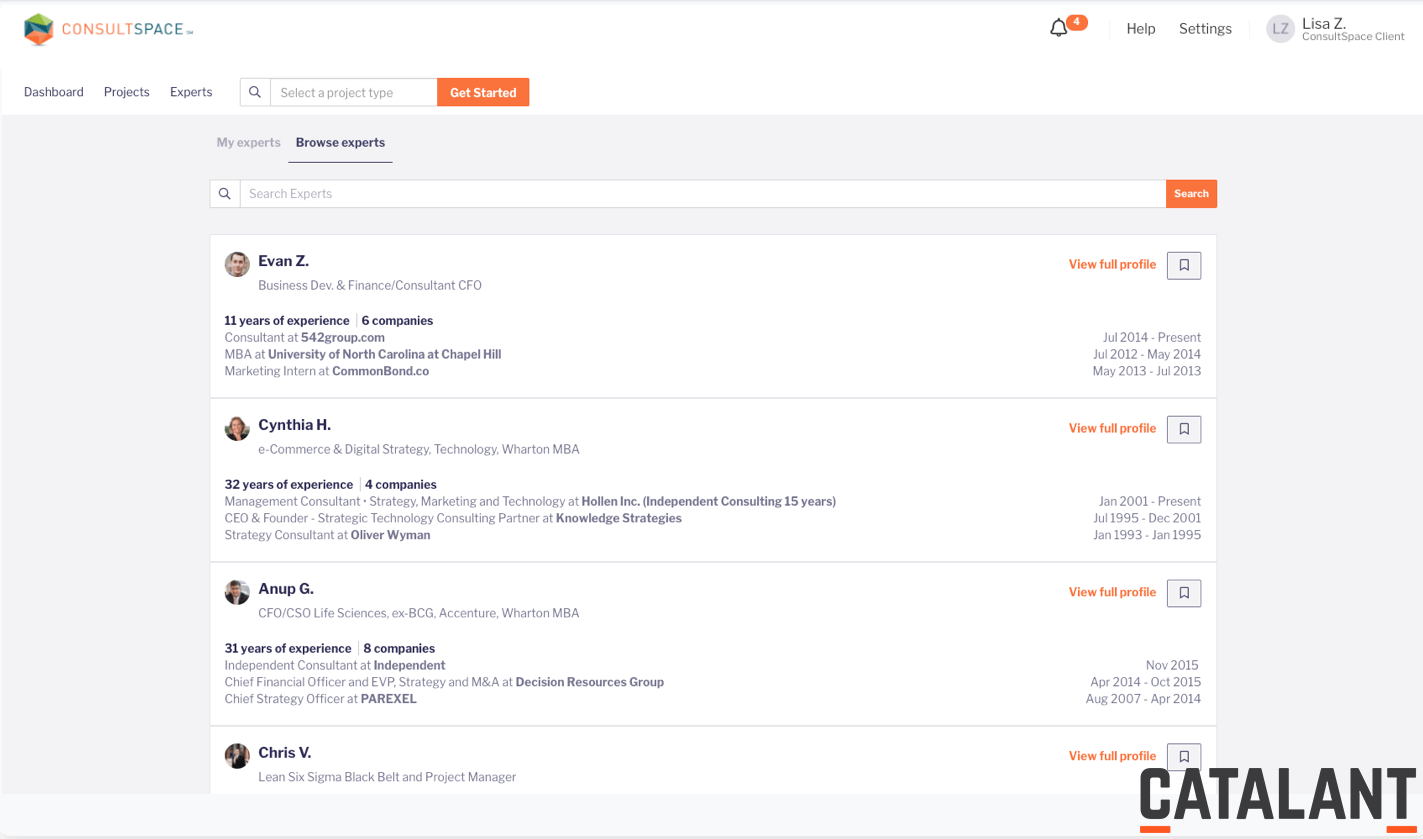
Catalant, a prominent player in the modern B2B services sector, operates an enterprise platform designed to connect global organizations with independent consultants, boutique firms, and specialized experts. By facilitating a digitized, data-driven approach to project staffing, Catalant streamlines the traditional consulting procurement process, offering high-level agility for businesses managing dynamic project portfolios and resource gaps in the 2026 professional landscape.
The Evolution of the Consulting Procurement Model
Traditional consulting procurement has historically been characterized by long lead times, opaque pricing structures, and an over-reliance on a few major global firms. The emergence of the digital consulting marketplace has fundamentally shifted this dynamic. Catalant serves as a centralized hub that bridges the divide between corporate procurement departments and a vast, vetted pool of independent expertise.
The core premise of the Catalant platform is the displacement of the "generalist" model in favor of precision sourcing. Organizations that might have previously engaged a tier-one firm for a broad digital transformation project can now break that project into specific workstreams. They use Catalant to identify, vet, and contract individual consultants or small teams who possess deep, niche experience in the exact technologies or business challenges required.
Key Features and Functional Architecture
Catalant operates as a dual-sided marketplace. On one side are the enterprise clients, and on the other are the experts—who undergo a rigorous vetting process before gaining access to the marketplace.
The Expert Vetting Process
Not every professional can list their services on Catalant. The platform maintains a selective threshold, verifying the credentials, professional experience, and track records of experts. This gating mechanism is a critical differentiator compared to general-purpose freelance platforms. It provides enterprise users with a layer of quality assurance that mitigates the risk typically associated with independent contracting.
Project Scoping and Sourcing
The platform provides tools for project managers to outline their requirements, which then undergo internal or platform-assisted refinement. Once a project is posted, the marketplace algorithm matches the requirements against the profiles of qualified experts. This process is designed to reduce the time-to-hire significantly, often shifting the cycle from weeks of negotiation to days of selection.
Governance and Compliance
Enterprise procurement officers often struggle with the "long tail" of spend—a massive number of small, fragmented engagements with independent contractors that are difficult to track. Catalant provides a comprehensive governance layer. It centralizes contracts, SOWs (Statements of Work), payments, and performance data into a single dashboard. This allows for rigorous oversight of compliance, tax documentation, and spending caps.
Comparative Overview: Catalant vs. Traditional Engagements
To understand the value proposition of the Catalant marketplace, it is essential to compare it against the traditional consulting firm model and generalist freelance platforms.
| Feature | Tier-1 Consulting Firm | Catalant Marketplace | Generalist Freelance Site |
|---|---|---|---|
| Primary Talent | Junior to Senior Staff | Senior Independent Experts | Generalist Freelancers |
| Onboarding Time | Weeks to Months | Days | Minutes to Hours |
| Pricing Model | High-Premium/Fixed | Competitive/Market-Driven | Lowest-Bidder Driven |
| Compliance/Vetting | Internal Firm Oversight | Platform-Verified | Self-Reported/Basic |
| Strategic Focus | End-to-End Transformation | Specialized Workstreams | Task-Based Execution |
Strategic Advantages for Enterprise Clients
For organizations in 2026, the ability to pivot rapidly is a primary competitive advantage. Catalant offers several strategic levers that large firms often lack:
- Agility in Resourcing: When an unforeseen challenge arises—such as a sudden regulatory change or a supply chain disruption—Catalant allows companies to source specialized expertise almost immediately.
- Cost Optimization: By eliminating the high overhead costs of traditional consulting firms (e.g., office space, administrative layers, partner profit margins), clients can often achieve a better return on investment. The costs are focused primarily on the expert’s time and value.
- Internal Knowledge Transfer: Because Catalant experts often work alongside internal teams, they are frequently positioned to mentor and upskill staff. This leaves the organization with a more robust internal capability once the engagement concludes.
Potential Challenges and Operational Considerations
Despite the clear benefits, integrating a platform like Catalant requires a cultural and operational shift. It is not a "set-it-and-forget-it" solution.
The Need for Internal Readiness
Organizations must have the maturity to define their own problems effectively. If a business cannot articulate its needs, scope its project correctly, or manage an external independent contractor, the platform’s efficiency is undermined. Unlike a traditional firm that may "own" the project management, Catalant users are generally expected to lead the project steering themselves.
Administrative Oversight
While the platform simplifies the administrative burden, it does not remove it. Procurement teams must still ensure that internal policies regarding external contractor access to company data and systems are followed. The risk of data leakage or failure to meet intellectual property agreements remains a responsibility of the client, even if the platform facilitates the contracting process.
Cultural Integration
Integrating independent experts into a corporate culture can occasionally cause friction. Internal teams may feel threatened by external consultants, or there may be a lack of clarity regarding the chain of command. Successful implementation requires strong project management and a culture that views external experts as force multipliers rather than replacements.
Frequently Asked Questions
What types of projects are most suitable for Catalant?
Catalant is best utilized for project-based work that requires specialized, senior-level expertise. This includes digital transformations, supply chain optimization, interim leadership, data science implementation, and financial restructuring. It is generally less effective for repetitive, low-skill tasks that are better handled by staffing agencies or internal employees.
How does Catalant ensure the quality of its experts?
The platform employs a rigorous vetting process that includes credential verification, review of historical work portfolios, and assessment of professional references. By maintaining a high standard for entry, they ensure that the "expert" designation on the platform carries significant weight in the consulting market.
Is Catalant meant to replace traditional consulting firms?
No, it is intended to supplement them. Many Fortune 500 companies use both. They might engage a Tier-1 firm for the high-level strategy of a massive global merger, while using Catalant to source the specific implementation specialists needed to execute the post-merger integration of a single software platform.
How is the pricing determined on the marketplace?
Pricing is typically market-driven and transparent. Because the platform provides visibility into the talent pool and their respective rate structures, clients can compare costs effectively. Clients define their budget range, and experts bid or submit proposals based on the project requirements, allowing for competitive market pricing.
Can an organization use Catalant if they lack a procurement department?
While possible, it is more challenging. Catalant is designed for enterprises with established procurement and legal workflows. Smaller companies or startups may find the onboarding and compliance requirements of the platform more intensive than those of simpler gig-economy platforms.
Strategic Recommendation
If your organization is considering integrating Catalant into its procurement strategy, start with a pilot project rather than a company-wide shift. Identify a specific, high-priority workstream that has stalled due to a lack of internal expertise. Use the platform to source a senior expert for this targeted task.
Evaluate the engagement not just by the cost savings, but by the speed of deployment and the quality of the intellectual property transferred to your team. If successful, you can then begin to formalize a "consulting-as-a-service" internal framework, allowing your procurement team to leverage the marketplace as a primary resource for ongoing business agility.