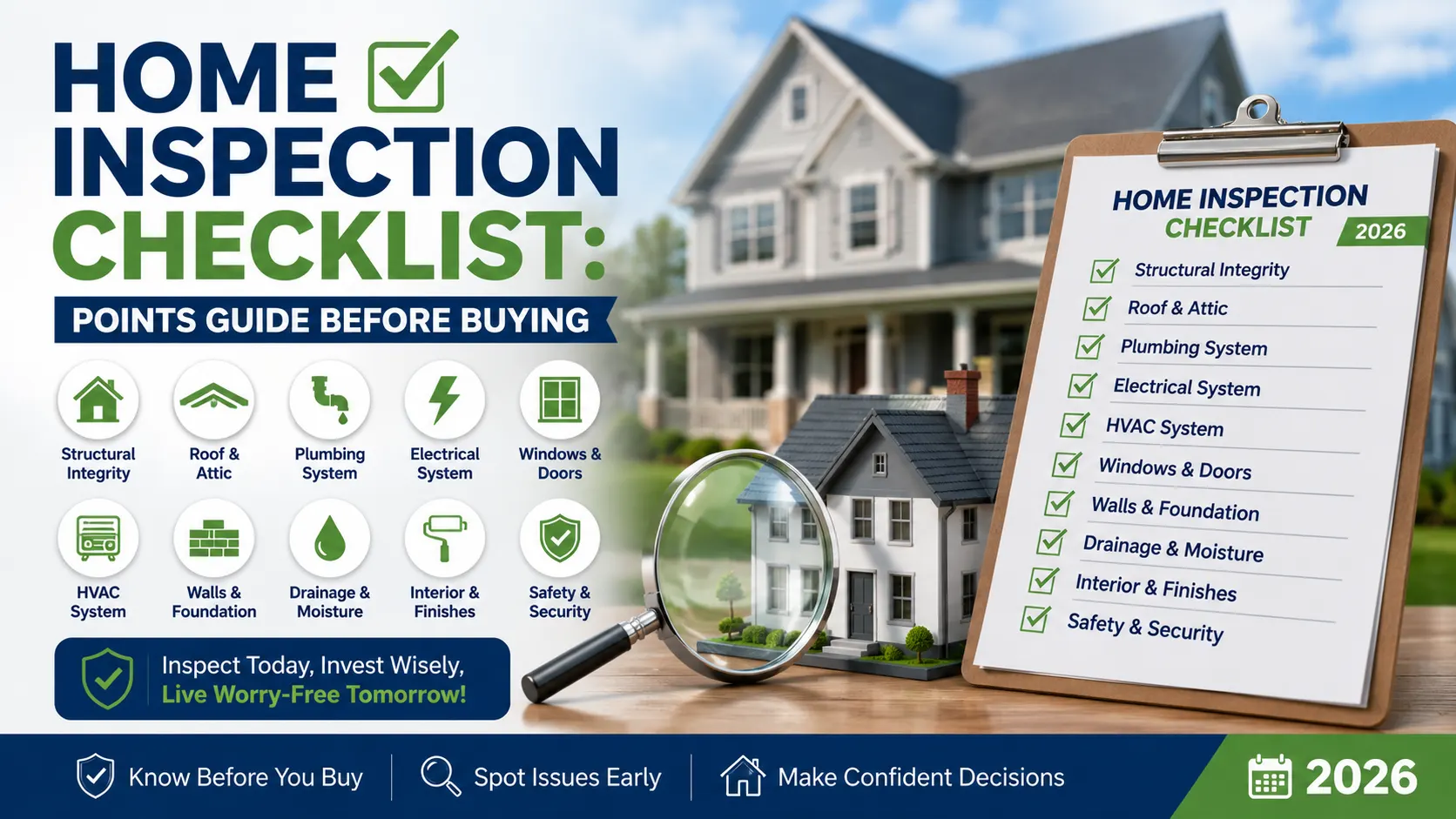
An Athens home inspection is a professional, non-invasive examination of a property's physical condition, typically performed during a real estate transaction to identify material defects in systems and components. By providing an objective assessment of structural integrity, electrical, plumbing, and HVAC functionality, the inspection empowers buyers and sellers to make informed financial decisions based on the current 2026 market standards.
Understanding the Role of a Home Inspector in Athens
In the context of a real estate transaction in Athens, a home inspector acts as a neutral third party. Their primary responsibility is to conduct a visual assessment of the home’s accessible areas to determine if major systems are performing their intended functions. It is important to note that a home inspection is not a warranty or a guarantee that a home is free of defects. Instead, it serves as a snapshot of the property's condition at the time of the walkthrough.
An inspector follows a standardized "Standards of Practice," often aligned with national bodies like the American Society of Home Inspectors (ASHI) or the International Association of Certified Home Inspectors (InterNACHI). In Athens, these professionals are tasked with reporting on the condition of the foundation, roof, exterior siding, electrical service panels, plumbing supply and waste lines, and the HVAC equipment.
When and Why You Need an Inspection
For most buyers, the inspection occurs after an offer has been accepted but before the final closing of the sale. This period, often called the "due diligence period," is critical. It provides the buyer with the legal window to review the inspector's findings and potentially negotiate repairs, price adjustments, or, in some cases, terminate the contract if significant, undisclosed issues are discovered.
Key Benefits of a Professional Inspection:
- Risk Mitigation: Uncovers hidden safety hazards such as faulty wiring, mold, or structural instability that could lead to catastrophic costs post-purchase.
- Negotiation Leverage: Armed with a professional report, buyers can request that sellers fix specific items or provide a credit toward the closing costs.
- Budgeting for Maintenance: Even if the home is in good shape, the inspection report provides a roadmap of the home’s current lifespan, helping new homeowners plan for future capital expenditures like a roof replacement or water heater upgrade.
- Peace of Mind: Knowing the exact condition of a major investment reduces the anxiety associated with the volatility of real estate transactions.
The Scope of an Athens Home Inspection
A standard inspection in Athens is systematic. While the specific methodology can vary slightly between firms, the core components assessed remain consistent. Inspectors generally categorize findings into "Working," "Marginal," or "Defective" statuses, supported by photographs and descriptive notes.
Structural and Exterior Components
The inspector starts from the outside, looking at the grading around the foundation, the condition of the roof shingles, chimney flashing, gutters, and downspouts. They also examine the exterior walls, siding, and any decks or porches for signs of rot, insect damage, or settling.
Interior Systems and Appliances
Inside, the focus shifts to the "bones" and the "veins" of the house.
- Electrical: Testing outlets for grounding and polarity, examining the main service panel for safety hazards, and verifying that ground fault circuit interrupter (GFCI) outlets are present in high-moisture areas like kitchens and bathrooms.
- Plumbing: Testing water pressure, checking for active leaks under sinks and around toilets, and ensuring all fixtures drain properly.
- HVAC: Running both heating and cooling systems (weather permitting) to evaluate temperature differentials and airflow.
- Insulation and Ventilation: Assessing attics and crawl spaces for proper insulation levels and sufficient ventilation to prevent moisture accumulation.
Comparison of Property Assessment Services
It is common for buyers to confuse a general home inspection with other specialized property reports. The table below clarifies the differences.
| Service Type | Primary Goal | Scope |
|---|---|---|
| General Home Inspection | Overall condition check | Structural, mechanical, safety |
| Pest/WDO Inspection | Damage from wood-destroying organisms | Termites, carpenter ants, rot |
| Radon Testing | Air quality safety | Radioactive gas levels |
| Sewer Scope | Sewer line integrity | Blockages, tree root intrusion, cracks |
| Appraisal | Market value determination | Comparables, size, location, condition |
Preparing for the Inspection Day
If you are the buyer, attending the inspection is highly recommended. While the written report is the formal output, walking through the property with the inspector allows you to ask questions in real-time. You will see firsthand why a specific finding is flagged as a safety concern or a maintenance item.
If you are the seller, preparation is equally important. Ensure the inspector has clear, unobstructed access to all major components. This includes clearing a path to the attic access, moving stored boxes away from the water heater and HVAC unit, and ensuring that all utilities (gas, water, and electricity) are turned on. If the power is off, the inspector cannot verify the function of the appliances or electrical systems, which can lead to costly delays.
Interpreting the Inspection Report
The final deliverable is a comprehensive report provided within 24 to 48 hours of the inspection. As of 2026, most inspectors utilize digital reporting platforms that include high-definition imagery and summary sections.
Do not be alarmed by a long list of defects. Nearly every home, even new construction, will have findings. Focus your attention on:
- Safety Issues: Items that pose an immediate risk of harm (e.g., exposed wiring, gas leaks, lack of emergency egress).
- Major Repairs: High-cost items that impact the home's value or habitability (e.g., foundation cracks, roof failure, failing HVAC systems).
- Routine Maintenance: Items that are not broken but are nearing the end of their useful life. These are often expected costs of homeownership and may not be appropriate targets for repair requests.
Common Myths About Home Inspections
Myth: "The home failed the inspection." There is no such thing as "passing" or "failing" a home inspection. It is an educational tool. A house is simply evaluated for its current condition.
Myth: "New homes don't need inspections." New construction often suffers from installation errors, incomplete tasks, or improper material choices. Even newly built homes benefit significantly from an independent inspection before the builder's final walkthrough.
Myth: "The inspector will tell me if I should buy the house." An inspector will never give advice on the purchase decision. Their role is to provide facts, not financial advice. The decision to proceed is entirely up to you and your agent.
Frequently Asked Questions
How long does an Athens home inspection usually take?
An average inspection takes between two and four hours, depending on the square footage, age of the property, and the complexity of the systems. Larger homes or those with multiple crawl spaces or outbuildings will naturally require more time.
Can I follow the inspector around during the process?
Yes, most inspectors encourage you to attend. However, it is essential to allow them to focus on their work. Save your questions for the end of each section or wait for the summary walkthrough to avoid distracting them from critical safety checks.
What if the inspector misses something?
Home inspectors are human and have limitations. They cannot see behind walls, under concrete, or through finished surfaces. If you have concerns about a specific area, such as a suspected buried oil tank or a chimney flue, you may need a specialist, such as a structural engineer or a chimney sweep.
Do I need to be present for the entire inspection?
While not mandatory, your presence provides the best opportunity to learn about your potential new home. If you cannot attend, ensure your real estate agent or a trusted representative is available to receive the inspector's summary.
Are there environmental tests I should include?
Depending on the age and location of the home in Athens, testing for radon, lead-based paint (in homes built before 1978), and asbestos is often recommended. Discuss these options with your inspector well before the inspection date.
How much does an Athens home inspection cost?
Pricing varies based on square footage, property type, and optional services like radon testing. Expect to pay a base fee that covers the visual inspection of core systems. Always ask for a clear quote that breaks down the cost of additional add-on tests.
Professional Guidance and Next Actions
When selecting an inspector, prioritize credentials over the lowest price. Verify that they hold the necessary licenses and carry adequate professional liability insurance. Ask for a sample report to ensure it is easy to read and comprehensive.
Once you receive the report, consult with your real estate agent to determine which findings, if any, warrant a formal repair request. If you are unsatisfied with the findings, do not hesitate to contact the inspector for clarification on their report. Your goal is to enter the closing process with your eyes wide open, fully aware of the condition of your future investment.