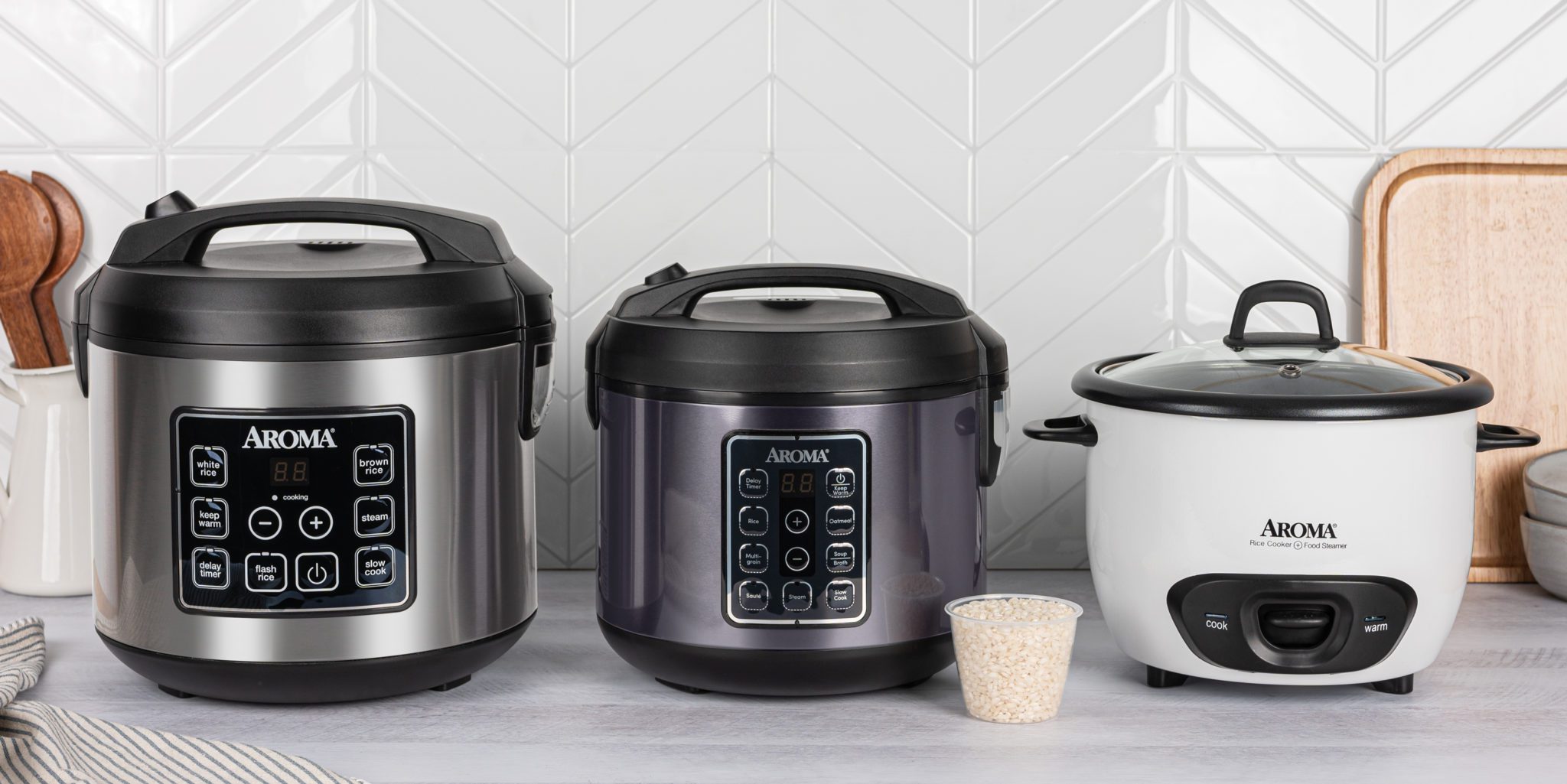
Standard white rice typically takes between 30 and 45 minutes to cook in an Aroma rice cooker, while brown rice requires 60 to 90 minutes due to its tough outer bran layer. These times vary based on the specific model, the quantity of grain, and whether you use the "Quick Rice" function.
Aroma Housewares has long been a staple in modern kitchens, known for producing reliable, budget-friendly rice cookers that range from basic "one-touch" pot-style models to advanced digital versions with "Fuzzy Logic" technology. Understanding the exact cook times for these machines is essential for meal planning and achieving the perfect texture. As of 2026, while the fundamental technology of heat conduction remains consistent, the programming in digital models has become more refined to handle a wider variety of grains.
Understanding the Aroma Rice Cooker Heat Cycle
To understand why an Aroma rice cooker takes a specific amount of time, one must understand the internal mechanism. Unlike a stovetop where you monitor the flame and clock, an Aroma rice cooker operates on a thermal sensor system.
The machine detects the temperature of the inner cooking pot. Water boils at 212°F (100°C) at sea level. As long as there is liquid water in the pot, the temperature will not rise above this boiling point. Once the rice has absorbed all the water, the temperature of the pot begins to rise rapidly. The sensor detects this jump in temperature and automatically switches the unit from "Cook" to "Warm."
Because this is a reactive process rather than a strictly timed one, variables like the initial water temperature, the amount of rice, and even the mineral content of the water can influence the total duration.
Detailed Cook Times by Rice Type and Model
The following table provides the approximate cook times for the most common grains used in Aroma units. These figures assume you are using the standard measuring cup provided with the unit (which is approximately 180ml, or 3/4 of a standard U.S. cup).
| Rice/Grain Type | Dry Amount (Aroma Cups) | Water Ratio (Cups/Line) | Approx. Cook Time (Standard) | Approx. Cook Time (Quick/Flash) |
|---|---|---|---|---|
| White Rice | 2 Cups | Line 2 | 30–35 Minutes | 20–25 Minutes |
| White Rice | 4 Cups | Line 4 | 35–40 Minutes | 25–30 Minutes |
| White Rice | 6+ Cups | Line 6+ | 40–50 Minutes | 30–35 Minutes |
| Brown Rice | 2 Cups | Line 2 | 60–70 Minutes | Not Recommended |
| Brown Rice | 4 Cups | Line 4 | 70–80 Minutes | Not Recommended |
| Brown Rice | 6+ Cups | Line 6+ | 80–90 Minutes | Not Recommended |
| Jasmine Rice | 2 Cups | Line 2 (slightly less) | 30–35 Minutes | 20–25 Minutes |
| Basmati Rice | 2 Cups | Line 2 | 30–35 Minutes | 22–27 Minutes |
| Quinoa | 1 Cup | 2 Cups Water | 25–35 Minutes | N/A |
| Oatmeal (Steel Cut) | 1 Cup | 3 Cups Water | 45–60 Minutes | N/A |
Digital vs. Manual Models: Timing Differences
The timeframe for your rice depends heavily on whether you own a digital "Cool-Touch" model or a traditional pot-style model.
The Digital Cool-Touch Series
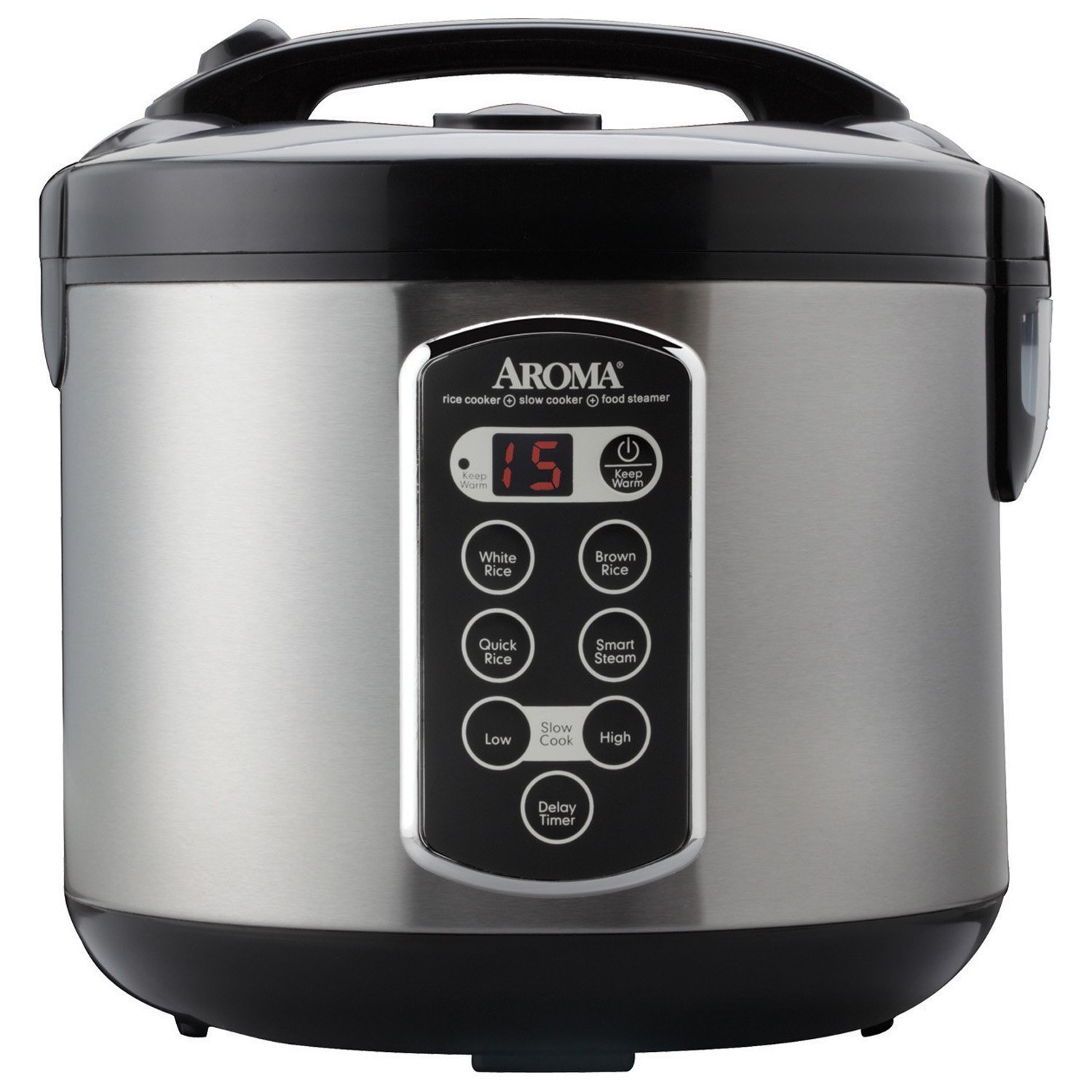
Digital Aroma cookers often feature specific buttons for "White Rice" and "Brown Rice." These models use a programmed delay and a sensor-driven simmer. The "Brown Rice" function on a digital Aroma cooker includes a pre-heat cycle that allows the water to soak into the tough grain before the actual boiling begins. This is why digital models often take 10 to 15 minutes longer than manual models but produce a more consistent, tender texture.
Pot-Style (One-Touch) Operation
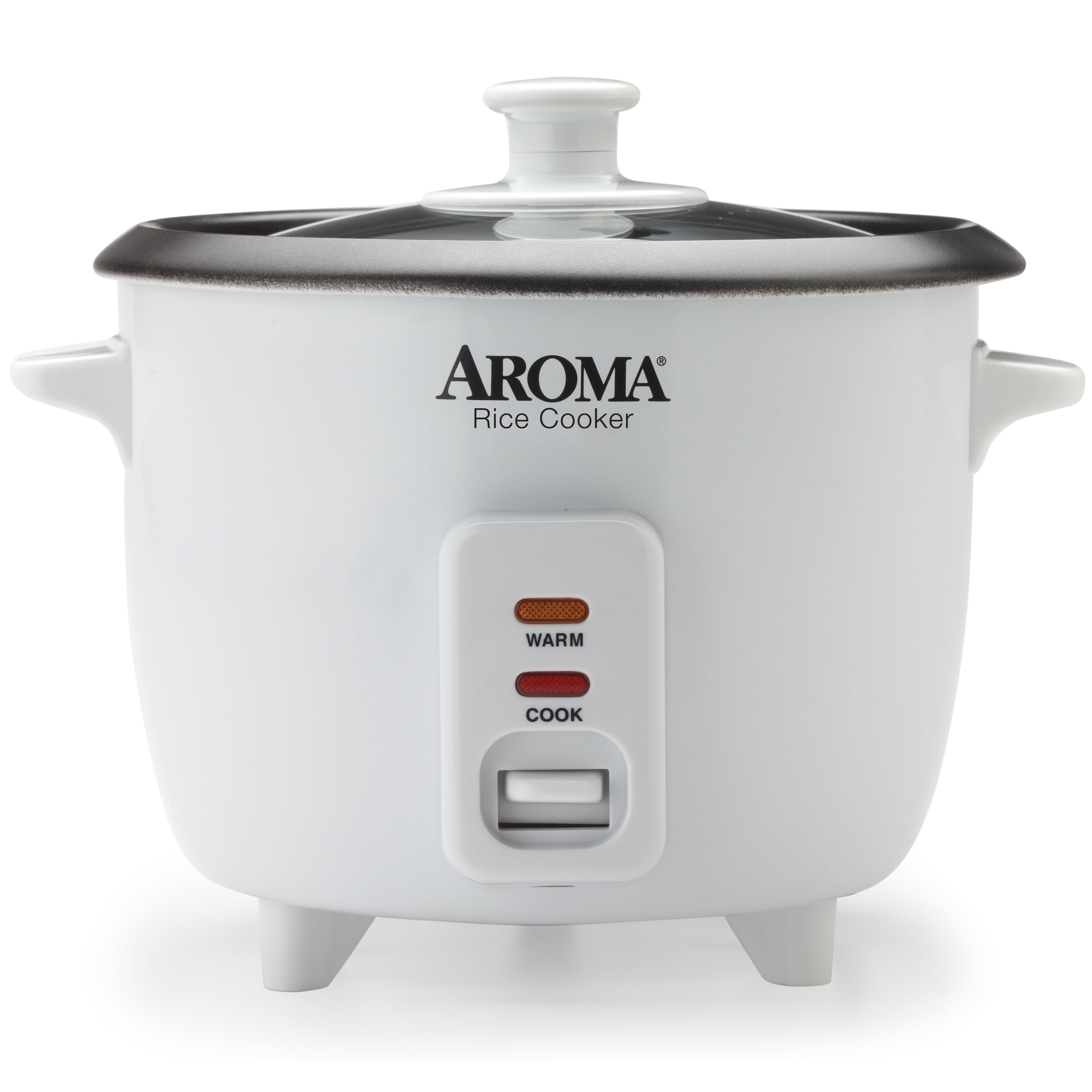
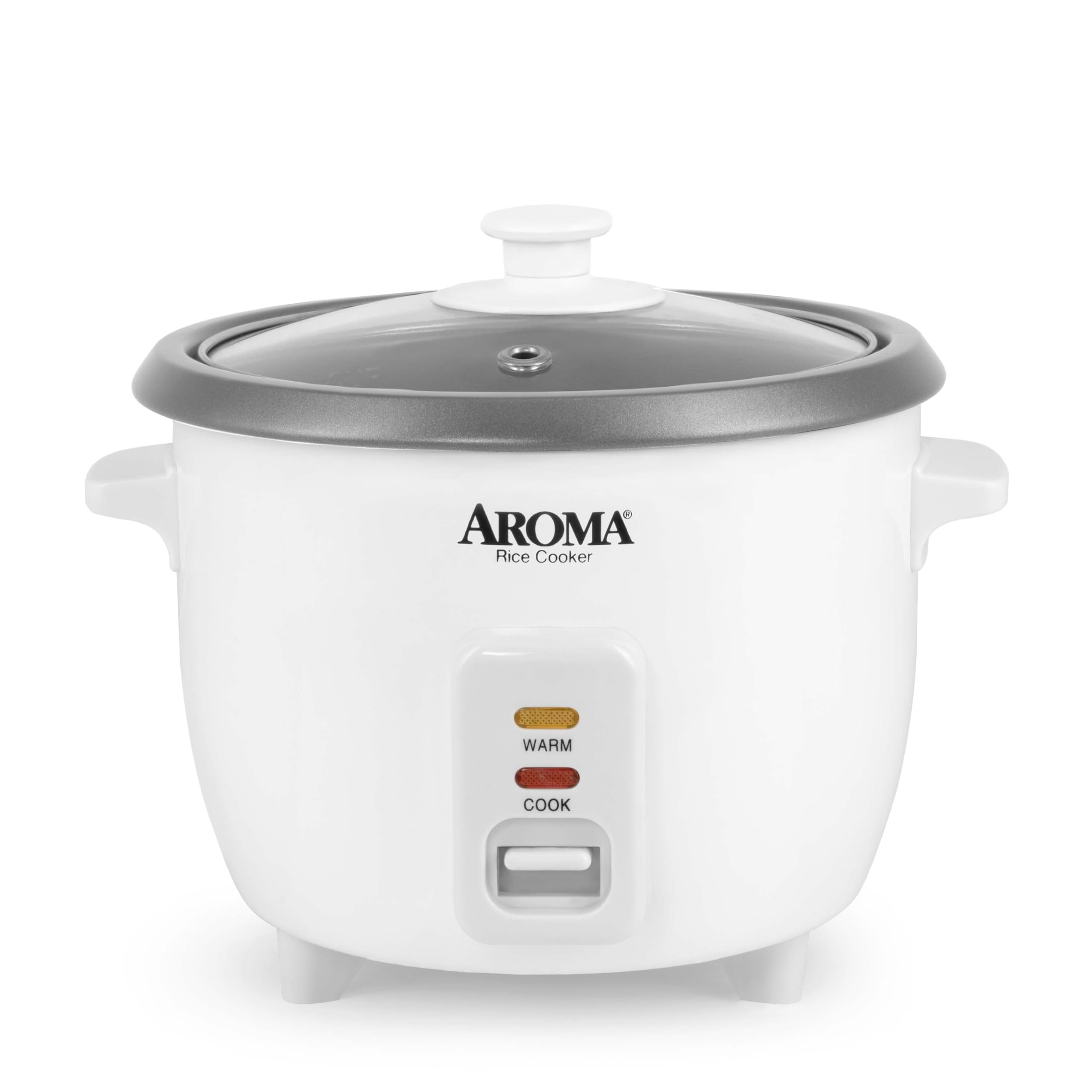
Manual Aroma cookers feature a single switch. You press it down to start, and it pops up when finished. These machines are generally faster because they lack the pre-soak "intelligence" of the digital versions. However, they are also more prone to scorching the bottom layer of rice if the water-to-rice ratio is slightly off. In 2026, these remain popular for their speed, often finishing 2 cups of white rice in under 30 minutes.
Specialized Grain Settings and Durations
Brown Rice: The 90-Minute Window
Brown rice is the most common source of confusion regarding Aroma rice cooker cook times. Because the bran layer is intact, heat takes longer to reach the starchy center. If you attempt to use the "Quick Rice" or "White Rice" setting for brown rice, the machine will likely switch to "Warm" while the grains are still crunchy. Always use the dedicated "Brown Rice" button, and expect it to take at least an hour. For the best results, many users allow the rice to "rest" on the "Warm" setting for an additional 10 minutes after the cycle completes.
Quinoa and Specialty Grains
While most Aroma units do not have a "Quinoa" button, the "White Rice" function is the standard choice. Quinoa typically finishes in about 30 minutes. The key is the ratio: 2 parts water to 1 part quinoa. If your model has a "Grain" or "Steam" function, refer to the official Aroma Housewares manuals for specific 2026 model adjustments, as some newer units have integrated sensors specifically for high-protein grains.
The "Quick Rice" Feature: Speed vs. Texture
The "Quick Rice" function (sometimes labeled "Flash Rice" on older models) is designed to shave about 10 to 15 minutes off the standard white rice cycle. It achieves this by bypassing the initial soak phase and aggressive heating of the pot.
While convenient, there is a trade-off in quality. Because the rice has less time to absorb water gradually, the grains may be slightly firmer or "toothy." This setting is best used for stir-fries where a firmer grain is desirable, or when time is the primary constraint. It is strongly recommended to avoid using "Quick Rice" for brown rice or wild rice, as the resulting texture is often inedible.
External Factors That Influence Cook Time
If you find that your Aroma rice cooker is taking significantly longer than the times listed in the manual, several environmental and technical factors may be at play.
Water-to-Rice Ratios
The more water you add, the longer the machine must boil to evaporate/absorb that liquid to trigger the sensor. Using too much water not only makes the rice mushy but can extend the cook time by 10 to 20 minutes. Conversely, too little water will result in an early "Warm" switch and undercooked grains.
Altitude and Ambient Temperature
At higher altitudes, water boils at a lower temperature. Because the Aroma rice cooker relies on the transition from the boiling point to a higher temperature to finish the cycle, high-altitude cooking can be unpredictable. Usually, it takes longer for the rice to soften at high altitudes, and you may need to add slightly more water.
Rinsing the Rice
Rinsing rice removes excess surface starch. If you do not rinse the rice, the water becomes a thick, starchy slurry. This slurry can bubble up and clog the steam vent, which may trap heat and pressure, causing the sensor to trip early or late. Rinsed rice typically cooks more evenly and adheres closer to the standard time estimates.
Using the Delay Timer for Precision Planning
Most digital Aroma models in 2026 come equipped with a Delay Timer. It is important to note that the delay timer is for the completion time in some models and the start time in others.
- Completion-based timers: If you set it for 4 hours, the rice will be finished and ready to eat in 4 hours.
- Start-based timers: If you set it for 4 hours, the machine will wait 4 hours before it even begins the 30-45 minute cook cycle.
Check your specific model's manual to determine which logic it uses. This feature does not change the actual cook time, but it allows the rice to soak, which can slightly reduce the active boiling time and improve the texture of tougher grains like Basmati or Brown rice.
Troubleshooting Slow or Inconsistent Cook Times
If your cooker is taking over an hour for white rice, or if it is shutting off after only 15 minutes, check the following:
- The Heating Plate: Ensure there is no dried rice or debris between the bottom of the inner pot and the heating plate. Even a single grain of rice can interfere with heat transfer and sensor accuracy.
- The Inner Pot Condition: If the inner pot is dented, it may not make full contact with the thermal sensor in the center of the heating plate. This leads to inaccurate temperature readings and inconsistent cook times.
- Voltage and Power: Using a rice cooker on a circuit shared with other high-draw appliances (like a microwave or toaster) can sometimes cause fluctuations, though this is rare in modern 2026 home electrical systems.
- Steam Vent Obstruction: Ensure the removable steam vent on the lid is clean. If steam cannot escape, the internal pressure can cause the cooker to behave erratically.
Maintenance for Optimal Performance
To ensure your Aroma rice cooker maintains consistent cook times throughout its lifespan, regular maintenance is required. The inner pot should always be hand-washed to preserve the non-stick coating; once the coating degrades, rice sticks to the bottom, creates a carbon layer, and slows down heat distribution.
Furthermore, the "condensation collector" on the side of many digital models should be emptied after every use. If it overflows, moisture can seep into the internal electronics, potentially damaging the thermal sensor and leading to permanent timing errors.
FAQ
Can I open the lid to check the rice during the cook cycle? It is highly discouraged to open the lid, especially during the last 10 minutes of the cycle. Opening the lid releases the trapped steam and drops the internal temperature, which can add 5 to 10 minutes to the cook time and result in unevenly cooked rice.
Why does my Aroma rice cooker take longer than the stovetop method? While a stovetop can be faster because of higher, direct heat, the Aroma rice cooker is designed for "set it and forget it" convenience and precision. The extra time is often due to the sensor ensuring all water is absorbed before turning off, preventing the burning that often happens on a stove.
Is the "Warm" mode part of the cook time? Technically, no. However, Aroma recommends letting the rice sit in "Warm" mode for 5 to 10 minutes after the cycle ends. This allows the moisture to redistribute evenly through the grains, making them fluffier and easier to scoop.
Does the amount of rice change the cook time significantly? Yes. Cooking 10 cups of rice (in a large-capacity model) can take twice as long as cooking 2 cups because there is a significantly larger volume of water that must be heated to a boil and subsequently absorbed.
Why is there a "Flash Rice" and "White Rice" button? "Flash Rice" is Aroma's version of a high-speed setting. It skips the pre-heating and soaking stages. Use it when you are in a rush, but stick to the "White Rice" button for the best culinary results.
Final Recommendation
For the most consistent results in 2026, always use the measuring cup provided with your Aroma rice cooker and follow the water lines etched inside the inner pot. If you are cooking standard long-grain white rice, plan for 35 minutes. For brown rice, plan for 90 minutes to be safe. By rinsing your rice thoroughly and ensuring the heating plate is clean, you will maximize the efficiency and lifespan of your appliance.