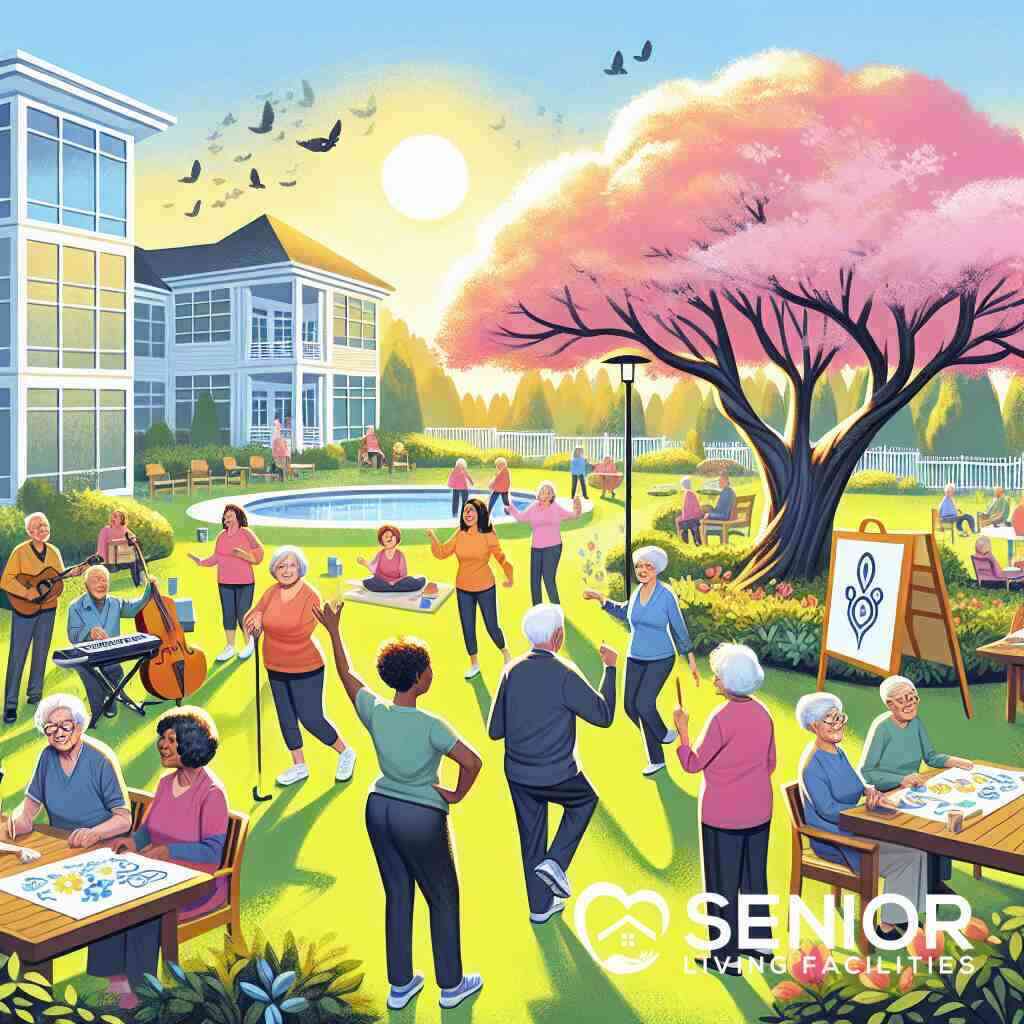
The "Any Family" paradigm represents a fundamental shift in how communities shape well-being by moving away from clinical, individual-focused interventions toward holistic, community-embedded support systems. This approach recognizes that family health is a collective outcome influenced by social connectivity, shared resources, and localized infrastructure rather than just isolated domestic choices or healthcare access.
The Evolution of the "Any Family" Philosophy
In 2026, the concept of "Any Family" has transcended its origins as a niche sociological framework to become a guiding principle for urban planning, public health, and social policy. Historically, well-being was treated as a private responsibility, with the "nuclear family" expected to manage its own health, economic stability, and emotional resilience. However, the systemic stresses of the early 2020s revealed the fragility of this isolated model.
The shift toward a community-centric model is rooted in the understanding that the "Any Family" designation includes nuclear, multi-generational, chosen, and single-parent households. This inclusivity ensures that community resources are not designed for a "standard" unit that no longer represents the majority. By focusing on how communities shape well-being, we move the needle from reactive crisis management to the cultivation of "social capital"—the networks of relationships that enable a society to function effectively.
The Role of Social Determinants of Health (SDOH)
The primary driver of this shift is the aggressive integration of Social Determinants of Health (SDOH) into local governance. Communities are no longer just places where people live; they are active participants in the health outcomes of their residents. Factors such as stable housing, access to nutritious food, safe green spaces, and social inclusion are now viewed as the primary levers for improving family well-being.
Research from organizations like the World Health Organization has long advocated for this systemic view. In 2026, we see this manifesting in "permeable neighborhoods" where services are decentralized. Instead of a family traveling to a distant government building for support, resources are embedded within schools, libraries, and community hubs, reducing the "friction of access" that often prevents families from seeking help early.
Structural Changes: How Communities are Redesigning Well-Being
The physical and digital architecture of 2026 reflects a commitment to the "Any Family" shift. This is not merely about "being nice" to neighbors; it is about intentional structural changes that facilitate communal support.
The 15-Minute Neighborhood and Family Resilience
The rise of the "15-minute neighborhood" has been a cornerstone of this shift. By ensuring that essential services—childcare, healthcare, groceries, and work hubs—are within a short walk or bike ride, communities reduce the time poverty that plagues modern families. When parents spend less time commuting, they have more time for "pro-social" activities, such as participating in neighborhood associations or simply engaging with their children.
This proximity fosters "incidental caregiving," where neighbors look out for one another's children and elderly members naturally. This informal support network is a critical component of the "Any Family" model, providing a buffer against the isolation that often leads to mental health challenges and domestic strain.
Integrated Service Hubs (ISHs)
In 2026, the "siloed" approach to social services is being replaced by Integrated Service Hubs. These are physical locations where healthcare providers, social workers, and educators collaborate in real-time.
- Unified Intake: A family entering an ISH for a child’s vaccination is also screened for housing stability and food security.
- Cross-Disciplinary Case Management: If a family is struggling with a job loss, the hub coordinates mental health support, employment training, and temporary financial assistance simultaneously.
- Community-Led Governance: Many hubs are governed by boards that include local residents, ensuring that the services offered actually meet the specific needs of that unique community.
Comparing Traditional vs. Community-Led Well-Being Models
To understand the magnitude of this shift, it is helpful to compare the traditional individualistic approach with the 2026 "Any Family" community-led model.
| Feature | Traditional Individualistic Model | 2026 Community-Led Model |
|---|---|---|
| Primary Focus | The nuclear family unit | The community ecosystem |
| Responsibility | Private/Individual | Collective/Shared |
| Well-Being Goal | Absence of disease/crisis | Holistic flourishing and resilience |
| Access to Support | Centralized, reactive, clinical | Decentralized, proactive, social |
| Data Usage | Individual patient records | Community-wide health indicators |
| Infrastructure | Segregated residential zones | Mixed-use, high-connectivity zones |
| Economic Basis | Paid professional services | Hybrid of professional and mutual aid |
The Impact of Digital Connectivity on Community Well-Being
While physical infrastructure is vital, the "Any Family" shift is also powered by localized digital ecosystems. By 2026, we have moved beyond global social media platforms toward "Hyper-Local Wellbeing Networks."
Neighborhood Mesh Networks
These digital platforms allow families to share resources—such as tools, childcare hours, or surplus food—without the overhead of commercial apps. This "circular community economy" reduces the financial burden on individual families and builds trust between neighbors. When a community can solve its own minor problems through digital coordination, it builds the collective efficacy needed to tackle larger challenges, such as local environmental issues or economic shifts.
AI-Enhanced Resource Matching
Advanced algorithms are now being used by local municipalities to match community assets with family needs. For example, if a neighborhood has a high concentration of retirees and a shortage of childcare, the system can facilitate "grandparenting" programs that provide social engagement for the elderly and affordable care for young families. This isn't just about efficiency; it's about re-weaving the social fabric that was torn during the rapid urbanization of the late 20th century.
Challenges to the "Any Family" Shift
Despite the progress made by 2026, several significant hurdles remain. The shift from individual to community well-being requires a fundamental change in mindset, funding, and policy.
The Funding Gap
Traditional funding for social services is often tied to specific, measurable "problems" (e.g., a specific disease or a crime rate). Funding the "Any Family" model is more complex because it focuses on prevention and general well-being, which are harder to quantify in the short term. Transitioning to "Well-Being Budgets"—pioneered by countries like New Zealand—requires political courage and a long-term view of return on investment (ROI).
Privacy and Data Ethics
As communities become more integrated and data-driven, the risk of surveillance increases. Families must trust that the data collected to "shape well-being" will not be used for punitive measures or commercial exploitation. In 2026, the most successful communities are those that have established strict "Data Sovereignty" rules, giving residents control over how their information is used within the local ecosystem.
Scaling vs. Localizing
A common mistake in community development is trying to "copy-paste" a successful model from one city to another. The "Any Family" shift relies on local context. What works in a dense urban center like New York will not necessarily work in a rural township in the Midwest. The challenge is creating frameworks that are flexible enough to be localized while maintaining a high standard of care and support.
Practical Steps for Community Leaders and Residents
Shifting how communities shape well-being is a bottom-up and top-down process. Here is how different stakeholders can contribute to the "Any Family" model in 2026.
For Local Policy Makers
- Implement Health-in-All-Policies: Ensure that every zoning decision, transportation project, and economic initiative is evaluated for its impact on family well-being.
- Invest in Social Infrastructure: Prioritize the funding of libraries, parks, and community centers as essential health infrastructure.
- Support Mutual Aid: Provide small grants and legal frameworks to help neighborhood-led support groups flourish without excessive red tape.
For Residents and Families
- Engage in Local Governance: Attend neighborhood council meetings and advocate for family-centric designs in your area.
- Participate in the Sharing Economy: Use local apps to share resources and time, reducing your household's "dependency on the market" for basic needs.
- Foster Intergenerational Connections: Intentionally seek out relationships with neighbors in different life stages to build a broader support network.
For Healthcare Providers
- Move Beyond the Clinic: Partner with community organizations to provide screenings and wellness education in non-clinical settings.
- Adopt Social Prescribing: Instead of only prescribing medication, prescribe social activities, volunteer work, or community classes to address the root causes of loneliness and stress.
The Future of "Any Family" and Community Resilience
As we look toward the latter half of the 2020s, the "Any Family" shift is expected to become the global standard for sustainable development. The goal is no longer just to survive crises but to build communities that are "anti-fragile"—meaning they actually get stronger when faced with stressors.
By placing well-being at the heart of community design, we ensure that "Any Family," regardless of its composition or socioeconomic status, has the foundation it needs to thrive. This shift represents the ultimate recognition that we are not meant to raise children, build careers, or age in isolation. We are part of a larger whole, and our well-being is inextricably linked to the health of the community that surrounds us.
Frequently Asked Questions
What does "Any Family" actually mean in this context?
"Any Family" is an inclusive term used to describe any household unit, moving away from the traditional focus on the nuclear family. It recognizes that in 2026, well-being must be accessible to single parents, multi-generational households, co-living groups, and chosen families. The shift focuses on providing community-level support that is flexible enough to meet the diverse needs of all these configurations.
How do communities "shape" well-being?
Communities shape well-being through three primary channels: physical infrastructure (like parks and transit), social infrastructure (like clubs and mutual aid networks), and policy (like zoning for 15-minute neighborhoods). When these elements are designed to facilitate social connection and reduce stress, the community itself becomes a primary driver of health, rather than just a backdrop for individual effort.
Is this shift just another way of saying "government intervention"?
No. While policy plays a role, the "Any Family" shift emphasizes the role of the "third sector"—the informal networks of neighbors, local businesses, and non-profits. The goal is to create an ecosystem where the government provides the scaffolding (funding and infrastructure), but the community itself provides the care and connection.
How can a community measure the success of these initiatives?
Success is measured through a combination of traditional health metrics (lower rates of chronic illness and mental health issues) and "Social Capital" indicators. These include levels of trust between neighbors, participation rates in local events, and the "Resilience Quotient" of a neighborhood—how quickly it recovers from economic or environmental shocks.
What is the biggest obstacle to implementing this model?
The biggest obstacle is often "siloed" thinking. When different departments (housing, health, education, transport) don't talk to each other, it’s impossible to create a holistic community ecosystem. Breaking down these bureaucratic barriers and moving toward "Integrated Service Hubs" is the most difficult but necessary step.
Final Recommendation: Strengthening Your Local Core
To truly embrace the shift in how communities shape well-being, individuals and leaders should prioritize the revitalization of local social infrastructure. Start by identifying one "under-utilized" community space—whether it is a park, a church basement, or a digital forum—and transforming it into a hub for resource sharing or intergenerational connection. The "Any Family" model thrives when we stop asking "How can I help myself?" and start asking "How can we design our neighborhood to help everyone?"