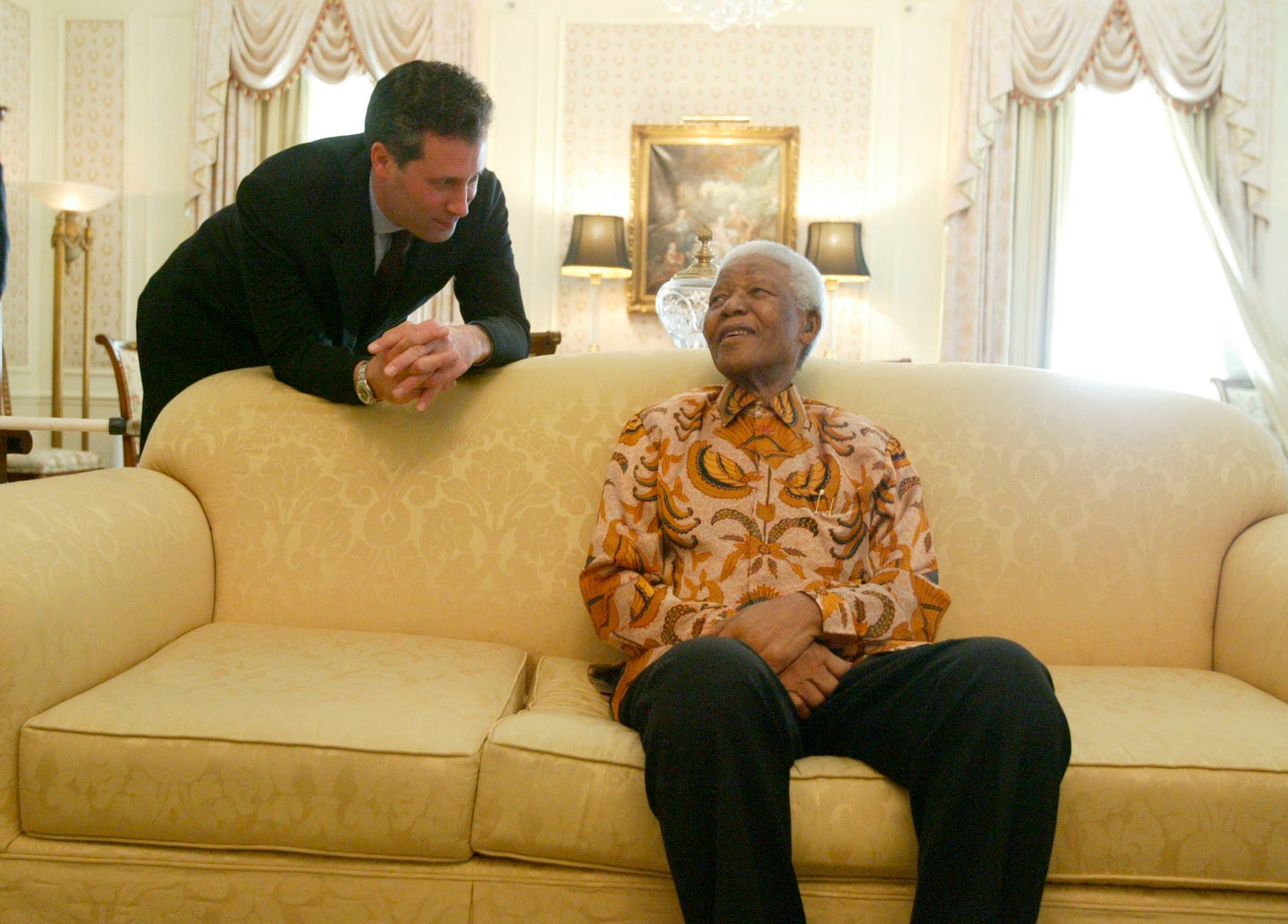
As of 2026, Anthony Marx’s net worth is estimated to be between $5 million and $10 million. This valuation is derived from his extensive tenure as the President and CEO of the New York Public Library (NYPL), his former presidency at Amherst College, and a distinguished academic career, supplemented by board memberships and published intellectual contributions.
The financial standing of a high-profile non-profit leader like Anthony Marx is often a subject of public interest, particularly because the institutions he leads are supported by a combination of public tax dollars and private philanthropy. Unlike the net worth of corporate executives, which is heavily influenced by stock options and market volatility, Marx’s wealth is built on consistent, high-level executive compensation within the educational and cultural sectors.
The Financial Landscape of Non-Profit Leadership
To understand the net worth of Anthony Marx, one must first understand the scale of the New York Public Library (NYPL). Since taking the helm in 2011, Marx has overseen one of the world’s largest library systems, featuring 92 locations and an endowment that exceeds $1.6 billion.
Leading an institution of this magnitude requires a unique blend of academic prestige, political savvy, and financial management. Consequently, the compensation for the President of the NYPL is benchmarked against other major cultural institutions in New York City, such as the Metropolitan Museum of Art and the Lincoln Center for the Performing Arts.
Executive Compensation and Transparency
As a 501(c)(3) non-profit organization, the NYPL is required to file IRS Form 990 annually. These public disclosures provide a clear window into executive compensation. Throughout his tenure leading into 2026, Marx’s total compensation package has generally ranged between $800,000 and $1,100,000 per year.
This package typically includes:
- Base Salary: The core annual pay for his administrative duties.
- Bonus and Incentive Compensation: Performance-based rewards linked to fundraising goals and institutional milestones.
- Other Reportable Compensation: Benefits such as health insurance, retirement contributions, and occasionally housing allowances or travel stipends relevant to his role.
For more information on the financial disclosures of major non-profits, the ProPublica NonProfit Explorer serves as a primary source for verifying these figures.
Career Progression and Wealth Accumulation
The accumulation of Marx’s net worth is a reflection of over three decades in high-ranking academic and administrative roles. His career path demonstrates a steady climb through elite institutions, each contributing to his financial profile and professional influence.
The Academic Foundation at Columbia University
Before entering institutional administration, Marx was a professor of political science at Columbia University for 13 years. During this time, he was not only an educator but also a prolific author. His work on nation-building and race relations, such as "Making Race and Nation," earned him significant academic acclaim. While the salary of a tenured professor at an Ivy League university is substantial—often exceeding $200,000 in contemporary terms—it served more as a foundation for his later, more lucrative administrative roles.
Presidency at Amherst College (2003–2011)
In 2003, Marx was appointed as the 18th president of Amherst College. His presidency was marked by a significant focus on socioeconomic diversity and accessibility. Financially, this role elevated his earning potential significantly. Presidents of top-tier liberal arts colleges typically receive compensation packages in the mid-to-high six-figure range, often accompanied by institutional housing (the President’s House) and other perquisites that allow for high rates of personal capital preservation.
Leadership at the New York Public Library (2011–2026)
When Marx transitioned to the NYPL in 2011, he moved into one of the most visible non-profit roles in the United States. His leadership coincided with a period of massive digital transformation and capital improvement projects, including the controversial and eventually modified Central Library Plan.
By 2026, Marx has served as President for 15 years. If we calculate a conservative average annual compensation of $900,000 over 15 years, the gross institutional earnings exceed $13.5 million. After accounting for New York’s high tax rates and lifestyle expenses, a multi-million-dollar net worth is the logical outcome of such a prolonged executive tenure.
Comparative Executive Compensation Table
To provide context for Anthony Marx's compensation, it is useful to compare the earnings of leaders at similar high-impact non-profit and cultural institutions.
| Institution | Executive Role | Estimated Annual Compensation (Range) | Institutional Revenue/Endowment |
|---|---|---|---|
| New York Public Library | President & CEO | $850,000 – $1,100,000 | ~$1.6 Billion Endowment |
| Metropolitan Museum of Art | CEO/Director | $1,000,000 – $1,500,000 | ~$4 Billion Endowment |
| Harvard University | President | $900,000 – $1,300,000 | ~$50 Billion Endowment |
| American Museum of Natural History | President | $800,000 – $1,000,000 | ~$1 Billion Endowment |
| Smithsonian Institution | Secretary | $800,000 – $950,000 | Mixed Public/Private Funding |
Note: Figures are based on historical 990 filings and standard executive cost-of-living adjustments leading into 2026.
Factors Influencing Net Worth Beyond Salary
While salary is the most visible component of Anthony Marx's net worth, other financial factors play a critical role in the total valuation of a high-level executive’s assets.
Real Estate Assets
Residing in New York City while maintaining ties to the academic community often involves significant real estate holdings. While many institutional leaders receive housing as part of their contract, long-term wealth is frequently tied to private property ownership in high-value markets like Manhattan or the surrounding tri-state area. Public records of property transfers in New York can often provide clues to an individual's private wealth, though many high-net-worth individuals utilize trusts for privacy.
Board Memberships and Advisory Roles
Executive leaders of Marx’s caliber often sit on the boards of other non-profits, foundations, or even corporate entities. While most non-profit board positions are voluntary, some advisory roles or corporate board seats provide additional stipends or equity. Marx has been involved with organizations such as the Council on Foreign Relations, which, while primarily a prestigious networking and policy entity, reinforces his standing in the global elite.
Intellectual Property and Royalties
As a respected scholar, Marx has authored several books. Titles like "Lessons of Struggle" and "Faith in Nation" continue to be cited in academic literature. While academic publishing rarely generates "bestseller" wealth, it provides a consistent stream of passive income and high-fees for speaking engagements, which can range from $10,000 to $50,000 per event for a speaker of his stature.
The Role of Philanthropy in Executive Worth
There is a nuanced relationship between the net worth of a non-profit leader and their personal philanthropic activities. Leaders like Anthony Marx are often expected to be "donors-in-residence," meaning they contribute a portion of their own wealth back to the institutions they lead. This practice, often referred to as "100% board participation," is vital for demonstrating commitment to external donors. These contributions, while reducing liquid net worth, increase the leader's social capital and institutional security.
Criticisms and Public Perception of Executive Pay
The "Anthony Marx net worth" search query often stems from public debates regarding the appropriateness of million-dollar salaries in the public sector. Critics argue that library systems, which often face budget cuts for local branches and reduced hours, should not pay such high sums to top administrators.
Conversely, supporters and the NYPL Board of Trustees argue that to attract a candidate capable of managing a multi-billion-dollar operation and securing hundreds of millions in private donations, the library must offer competitive market rates. Under Marx’s leadership, the NYPL has successfully secured massive gifts, such as the $100 million donation from Stephen A. Schwarzman, which suggests that the "return on investment" for a high-salaried president is significant for the institution’s longevity.
Frequently Asked Questions
Is Anthony Marx still the President of the NYPL in 2026?
As of early 2026, Anthony Marx continues to serve as the President and CEO of the New York Public Library. Having assumed the role in 2011, his tenure is one of the longest in the institution's recent history, focused on expanding digital access and neighborhood library investment.
How does Anthony Marx's salary compare to a librarian's salary?
There is a significant gap between executive pay and staff pay at the NYPL. While a starting librarian in the NYPL system may earn between $55,000 and $70,000 annually, the President’s salary is roughly 15 to 20 times that amount. This disparity is common in large non-profit structures but remains a point of discussion during union negotiations.
Where does the funding for the NYPL President's salary come from?
The NYPL is a unique public-private partnership. While the city provides funding for the operations of the neighborhood branches, the executive salaries and the operations of the research libraries are largely funded through the library’s private endowment and private donations.
What is Anthony Marx's educational background?
Marx holds an undergraduate degree from Yale University and both an MPA and a PhD from Princeton University. His academic rigor is a primary reason for his high earning power in both the collegiate and cultural sectors.
Does Anthony Marx have any corporate affiliations?
While primarily focused on the non-profit sector, Marx’s role necessitates close collaboration with corporate leaders on the NYPL Board. However, he is not known for holding major executive positions in the private sector, keeping his financial profile firmly rooted in institutional leadership.
Next Steps for Researchers
For those looking to verify specific financial details regarding Anthony Marx or the NYPL, the following actions are recommended:
- Review the Latest 990 Filings: Access the most recent tax returns for the New York Public Library via the IRS Tax Exempt Organization Search.
- Analyze Annual Reports: The NYPL publishes annual reports detailing their fundraising successes and how the endowment is utilized.
- Monitor Academic Appointments: Keep an eye on university press releases, as Marx may return to a distinguished teaching role or a "President Emeritus" status, which would alter his income structure.
Understanding the net worth of a figure like Anthony Marx requires looking past the simple dollar amount and recognizing the intersection of academic prestige, public service, and the high-stakes world of New York City philanthropy.