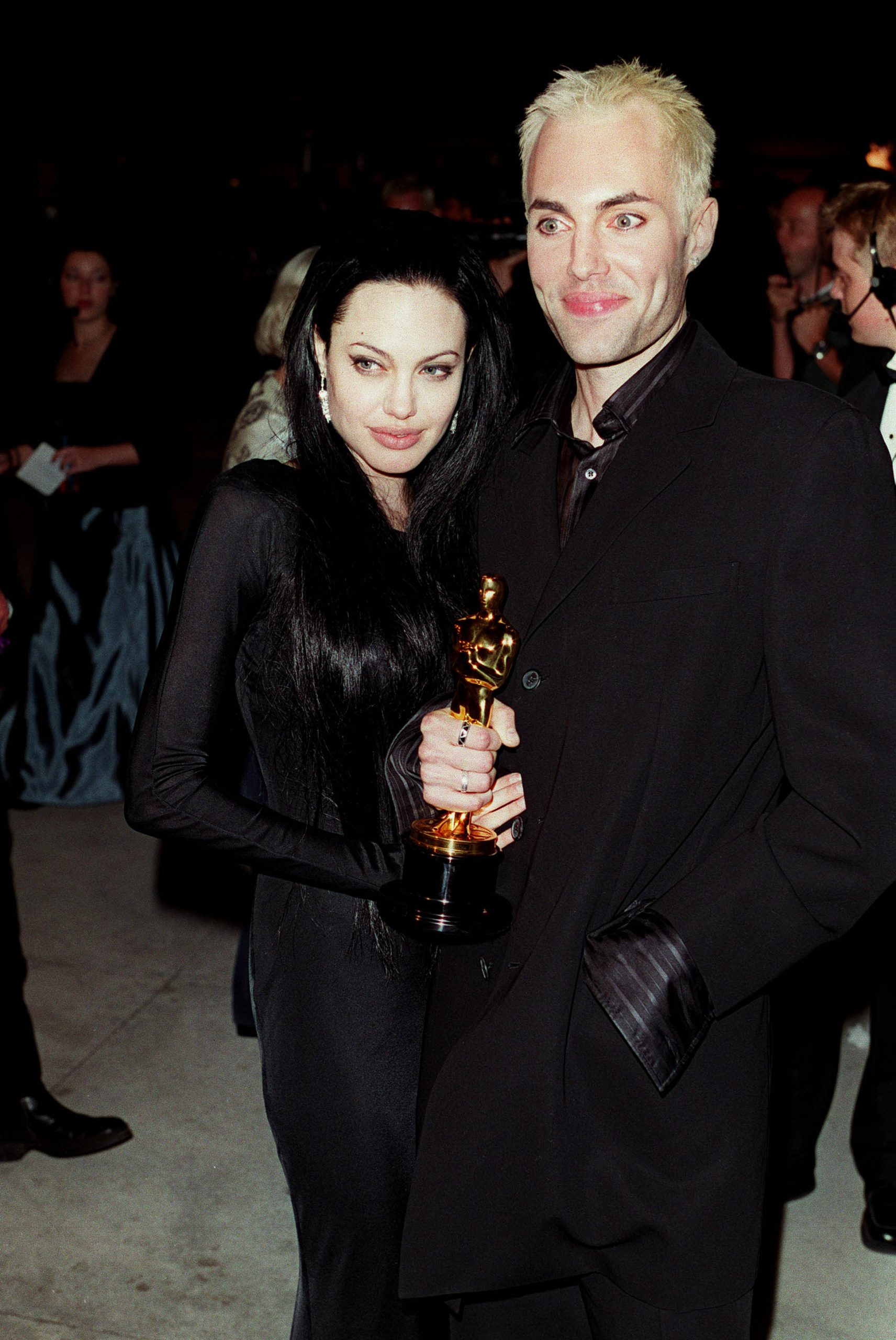
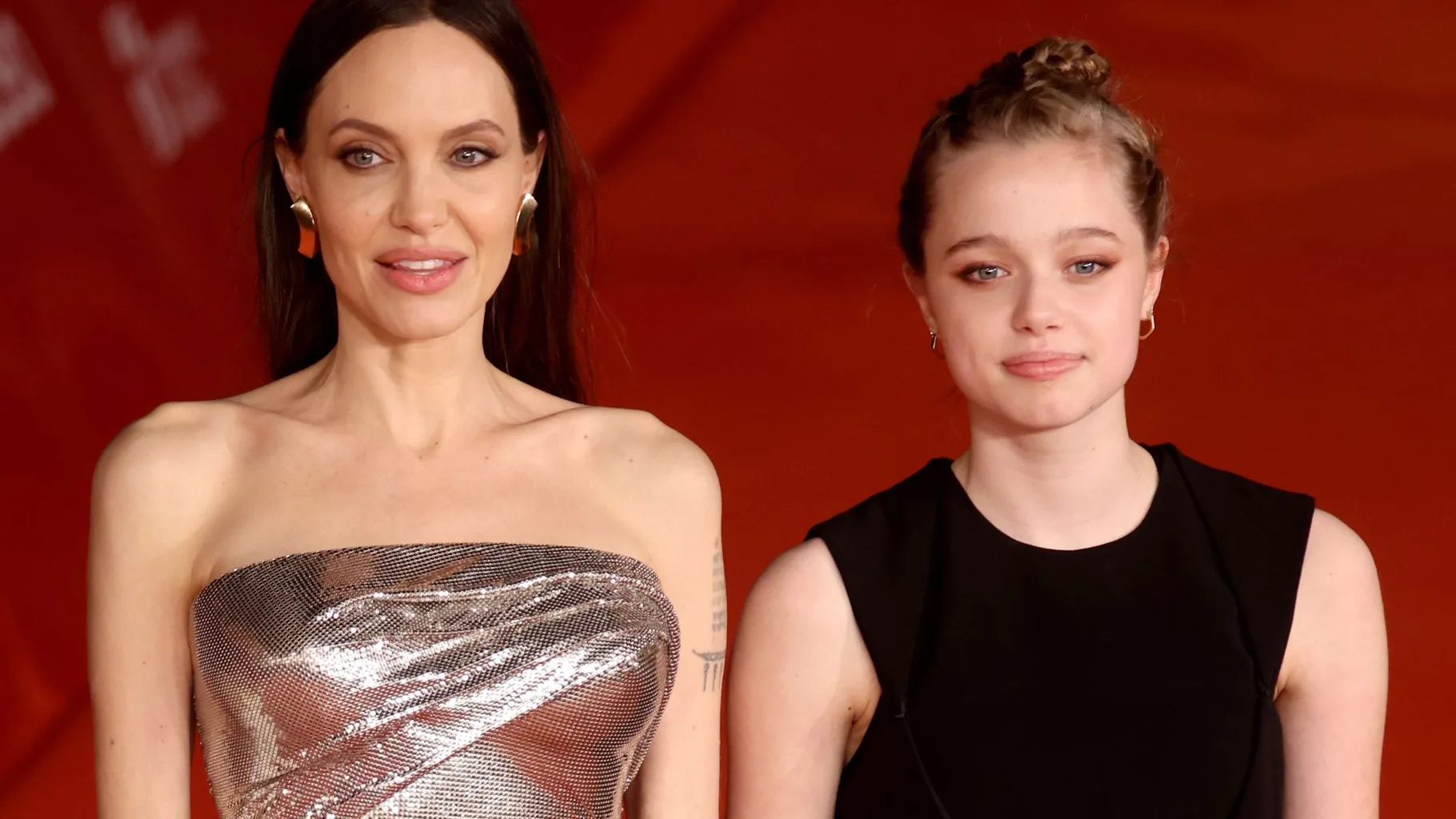
The phenomenon of Angelina Jolie lookalikes centers on individuals who possess a striking physical resemblance to the Academy Award-winning actress and humanitarian. This niche spans professional celebrity impersonators working in the entertainment industry, social media influencers leveraging similar aesthetics, and individuals who share natural facial structural similarities. Understanding this landscape requires distinguishing between curated performance art, digital content creation, and incidental genetic resemblance.
Defining the Celebrity Impersonation Industry
The industry surrounding celebrity lookalikes is a specialized segment of the broader talent and entertainment market. Professional impersonators, often referred to as "lookalikes" or "tribute artists," are individuals hired to embody the likeness of a specific famous person for public appearances, corporate events, film and television productions, and private functions.
For an individual to function professionally as an Angelina Jolie lookalike, the requirements extend far beyond natural facial features. Success in this field typically involves a combination of:
- Mannerisms and Vocal Coaching: Mastering the specific cadence, vocal texture, and physical gestures associated with the actress is essential for a convincing performance.
- Stylistic Consistency: Maintaining a wardrobe and aesthetic profile that reflects the actress’s various "eras"—from her early career styling to her more contemporary, refined public image—is a logistical requirement for professional bookings.
- Professional Representation: Most high-end lookalikes operate through specialized talent agencies that manage bookings, contracts, and liability insurance.
The Role of Social Media and Digital Evolution
In the mid-2020s, the perception of "lookalikes" has been significantly altered by social media platforms and advanced digital editing tools. Unlike the traditional model of the hired stage performer, many individuals gain recognition today based on a singular viral post or a series of short-form videos that highlight a perceived likeness.
This evolution has introduced several complexities:
- AI and Algorithmic Enhancement: Users frequently employ filters, AI-assisted video editing, and specialized lighting to accentuate facial features that align with Angelina Jolie’s bone structure, such as her prominent jawline and eye shape.
- The "Influencer" Model: Some creators cultivate a brand around their resemblance. Unlike professional impersonators who aim to act like the star, these influencers often focus on fashion, beauty tutorials, and lifestyle content, using their resemblance as a stylistic anchor for their personal brand.
- Verification Challenges: With the rise of deepfake technology and sophisticated beauty filters, it is increasingly difficult for the general public to determine if a digital image is a product of natural resemblance, professional makeup artistry, or digital manipulation.
Comparative Analysis: Professional Impersonators vs. Social Media Lookalikes
To navigate the distinction between these groups, one must evaluate the intent and the operational environment of the individual in question.
| Feature | Professional Impersonator | Social Media Influencer/Lookalike |
|---|---|---|
| Primary Goal | Entertainment and Event Booking | Content Creation and Brand Growth |
| Skill Set | Acting, vocal mimicry, stage presence | Video editing, trend-chasing, digital aesthetics |
| Revenue Stream | Appearance fees, private event bookings | Brand deals, affiliate marketing, ad revenue |
| Expectation | High fidelity to the persona | Stylistic interpretation or "vibe" |
Prerequisites for Professional Engagement
If you are looking to hire a professional lookalike for an event, there are specific prerequisites and logistical steps required to ensure a successful outcome. It is important to treat this as a talent booking process rather than an informal arrangement.
- Portfolio Review: Always request a portfolio that includes unedited video footage. Static photos can be deceptive, whereas video reveals the actor’s ability to maintain the likeness through motion and speech.
- Contractual Clarity: Define the scope of work clearly. Does the lookalike need to perform a specific script, interact with guests, or simply serve as a photographic attraction? Establish boundaries regarding character interaction to prevent misrepresentation.
- Insurance and Liability: Professional event planners ensure that the talent holds appropriate liability insurance. This is particularly important if the event involves public interaction or high-profile guests where the line between the lookalike and the actual celebrity could be intentionally blurred by attendees.
- Ethical Considerations: Ensure that the marketing materials for your event do not explicitly state that the actress herself will be attending. Professional impersonators should always be billed as a "tribute artist" or "lookalike" to maintain transparency and avoid legal issues regarding rights of publicity.
Challenges and Common Misconceptions
A frequent source of confusion is the assumption that anyone who shares a physical trait with Angelina Jolie is an "official" or "sanctioned" double. In reality, most lookalikes have no formal connection to the actress or her management team.
Another common mistake involves the expectation of permanence. Because of the inherent nature of human aging, diet, and stylistic evolution, a lookalike who resembles the actress today may not do so in five years. This "shelf life" of a lookalike’s resemblance is a known factor in the industry, often leading to career pivots for those who rely solely on their face as their primary asset.
Addressing Legal and Ethical Boundaries
When discussing celebrity likenesses, legal frameworks regarding the "Right of Publicity" are critical. In many jurisdictions, individuals have the right to control the commercial use of their identity. While parody and entertainment are generally protected forms of free expression, using a person’s likeness to imply an endorsement of a product or service without permission can lead to litigation.
Professional agencies are typically well-versed in these boundaries, but clients engaging in independent hiring must be aware that promoting a lookalike as the actual person is both professionally unethical and legally hazardous.
Frequently Asked Questions
Are professional Angelina Jolie lookalikes affiliated with the actress? No. Professional lookalikes are independent contractors. They are not managed, endorsed, or in any way affiliated with the actress. They operate as entertainers who provide a service based on their physical appearance.
How do professional impersonators maintain their likeness? Most professionals use a combination of expert makeup application, specialized lighting, and styling. Some may undergo temporary hair styling or use period-accurate clothing to reflect the specific "look" of the actress from a certain film or press tour.
Can I hire an Angelina Jolie lookalike for a private party? Yes, you can hire lookalikes through talent agencies that specialize in tribute artists. When doing so, ensure the contract explicitly notes they are a "lookalike" or "tribute performer" to manage guest expectations and avoid confusion.
How common is it for lookalikes to use surgery to achieve their appearance? While some individuals choose plastic surgery to emulate a celebrity, it is not a requirement for the professional entertainment industry. Most successful impersonators rely on natural resemblance combined with high-level makeup artistry and performance skills rather than permanent surgical alterations.
What is the difference between a "deepfake" and a human lookalike? A deepfake is a synthetic media format where a person’s likeness is replaced with someone else’s using artificial intelligence. A human lookalike is a real person whose natural appearance mimics the subject. Deepfakes are digital; lookalikes are physical, human performers.
Recommendations for Future Engagement
If you are exploring this niche for personal interest or professional hiring, start by focusing on the distinction between the craft of performance and the ease of digital filter usage. For professional purposes, always prioritize agencies that provide verified, raw-footage portfolios and clear contractual agreements. If you are a fan observing the rise of digital lookalikes, remain mindful that the content you see on social media platforms is frequently augmented for aesthetic purposes and does not always reflect the creator's real-world appearance or personality.