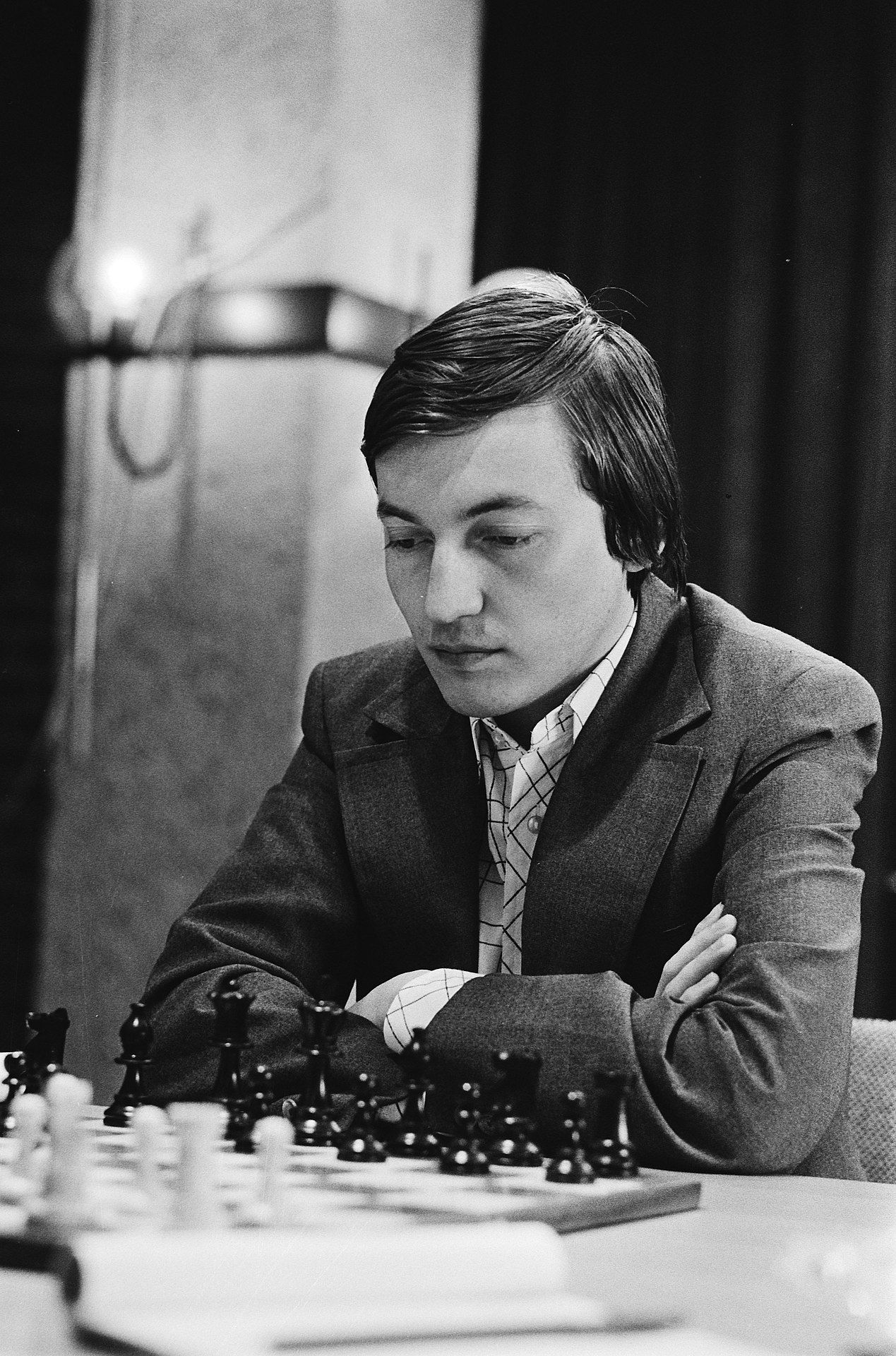
Anatoly Karpov’s net worth is generally estimated between $5 million and $50 million, depending on the valuation of his non-liquid assets. Unlike modern grandmasters whose wealth stems from digital sponsorships and online platforms, Karpov’s financial profile combines historical Soviet prize purses, corporate energy sector ties, Russian parliamentary earnings, and a world-renowned rare stamp collection.
1. Demystifying Anatoly Karpov's Wealth: Public Estimates vs. Financial Reality
Evaluating the financial standing of Anatoly Yevgenyevich Karpov—the 12th Official World Chess Champion—requires moving beyond superficial online net worth aggregators. Popular financial websites often assign flat, unverified numbers to historical figures, missing the complex economic systems that governed elite Soviet athletes.
- [Chess Purses (1970s–1990s)]
- Foreign Currency Deductions (Goskomsport)
- [Rare Philatelic Collection]
- High-Value Illiquid Capital Asset
- [Post-Soviet Energy & Duma]
- Official Disclosures & Corporate Stakes
- Total Net Worth Range: $5M – $50M+
Karpov reigned as undisputed World Chess Champion from 1975 to 1985 and held the FIDE World Champion title from 1993 to 1999. During his peak, he operated at the intersection of elite sports, Soviet state patronage, and global tournament purses. To contextualize his wealth today, one must account for four main pillars:
- Historic Chess Prize Funds: Multi-million-dollar championship match purses, adjusted for Soviet state deductions.
- The Philatelic Collection: A world-class rare stamp collection estimated to be worth tens of millions of dollars.
- Corporate and Business Ventures: Post-Soviet investments, energy sector board positions, and real estate holdings.
- Political and Public Service Disclosures: Official salaries and income disclosures from his long tenure as a Deputy of the Russian State Duma.
Disclaimer: Net worth figures cited in this analysis represent historical estimates, public disclosures, and asset appraisals. They do not constitute formal financial advice, audit reports, or legal appraisals.
2. The Foundation: Chess Earnings and Tournament Purses (1975–1999)
Before Bobby Fischer transformed chess economics in 1972, World Championship purses were relatively modest. Fischer’s demand for a $250,000 prize fund against Boris Spassky set a new global benchmark. When Karpov assumed the crown in 1975 after Fischer defaulted, he inherited a far more lucrative professional ecosystem.
| Historic World Championship Match Purses (Estimated Combined Funds) | Purse |
|---|---|
| 1978 (Baguio City vs. Korchnoi) | ~$560,000 USD total purse |
| 1981 (Merano vs. Korchnoi) | ~$800,000 USD total purse |
| 1984–1985 (vs. Kasparov) | ~$1,200,000+ USD combined purses |
| 1990 (New York / Lyon) | $3,000,000 USD total purse |
The World Championship Match Purses
Throughout his prime, Karpov participated in some of the richest sports events of the late 20th century. His five epic matches against Garry Kasparov between 1984 and 1990 set financial records for board sports.
- 1978 Match (Baguio City, Philippines): Played against Viktor Korchnoi, the match featured a prize purse of roughly $560,000. Karpov secured the winner's portion, which was a massive fortune for that era.
- 1981 Match (Merano, Italy): The prize pool expanded to over $800,000, reinforced by international media coverage and commercial sponsorships.
- 1990 Match (New York / Lyon): The purse reached $3 million. The winner took home $1.725 million, while the runner-up received $1.275 million, making it one of the largest payouts in chess history up to that point.
The Soviet Financial Framework and "State Deductions"
A critical detail often overlooked in standard financial biographies is how Soviet athletes received international prize money. Under the Soviet State Sports Committee (Goskomsport), Soviet grandmasters competing abroad surrendered a substantial percentage of their hard-currency earnings back to the state budget.
During the late 1970s and 1980s, the Soviet government often retained 50% to 80% of foreign prize funds. In exchange, elite champions like Karpov enjoyed state-provided privileges that bypassed normal Soviet consumer limitations:
- Prime Real Estate: High-standard apartments in central Moscow and state-subsidized dachas (country houses).
- Travel and Imports: Unrestricted access to international travel, Western imported luxury goods, and foreign automobiles (such as his famous Mercedes-Benz models, which were extremely rare in the USSR).
- State Pensions and Salaries: Guaranteed stipends as a Master of Sport and chairman of major state-backed civic organizations like the Soviet Peace Fund.
When economic reforms under Perestroika hit in the late 1980s, grandmasters gained direct control over their foreign bank accounts and earnings, allowing Karpov to keep his international payouts in full just as his high-earning matches against Kasparov reached their financial peak.
3. The Philatelic Legacy: Karpov’s Rare Stamp Collection
The single largest source of uncertainty—and potential upside—in estimating Anatoly Karpov’s total net worth lies in his world-renowned stamp collection. Karpov is widely acknowledged by philatelic experts as having built one of the world's most complete and valuable private collections of stamps from the Russian Empire, early Soviet era, and Belgium.
- [Karpov Philatelic Portfolio]
- Belgian Classics
- 1849 "Epaulettes"
- 1850 "Medallions"
- Rare proofs & covers
- Imperial Russian & Early Soviet
- Rare Zemstvo local posts
- Uncut imperforate sheets
- 1920s airmail overprints
- Belgian Classics
- Auction Valuations (David Feldman, Geneva):
- Estimated Total Range: $15,000,000 – $50,000,000
Scope and Historical Significance
Karpov began collecting stamps as a child in the Ural region, focusing on Soviet space themes before expanding into high-rarity classic European and Russian philately. His collection grew to include items of extreme rarity:
- Belgian Stamp Collection: Karpov assembled what is considered by many historians to be the single finest collection of classic Belgian stamps ever formed, covering the famous 1849 "Epaulettes" and 1850 "Medallions" issues.
- Imperial Russian & Soviet Rarities: Rare Zemstvo (local post) stamps, error sheets, and unique historical covers postmarked during wartime periods.
Valuation and Auction Records
The value of high-end collectibles is inherently illiquid and fluctuates based on market demand. However, historical sales and public auction appraisals provide concrete benchmarks:
- David Feldman Auctions (Geneva): Portions of Karpov’s Belgian collection have been put up for sale through top-tier philatelic auction houses like David Feldman SA. Individual lots and specialized sub-collections in these auctions fetched millions of Swiss francs.
- Estimated Portfolio Value: Philatelic experts and financial analysts estimate the total value of Karpov’s full stamp portfolio between $15 million and $50 million.
Because stamps are portable, private, and historically resilient against inflation, this collection represents a secure store of value that far exceeds typical liquid bank deposits.
4. Post-Chess Business Holdings and Energy Sector Ties
Following the dissolution of the Soviet Union and his eventual retirement from full-time competitive chess, Karpov transitioned into corporate governance, investments, and institutional leadership.
- [Post-Soviet Capital Allocation]
- [Energy & Gas Holdings]
- Krymgaz & Board Roles
- Regional Utilities
- [Real Estate & Commercial]
- Moscow Commercial Units
- Residential Assets
- [Global Chess Academies]
- Licensed School Network
- Publishing & Books
- [Energy & Gas Holdings]
Board Positions and Energy Investments
During Russia’s economic transition in the 1990s and 2000s, many prominent national figures moved into corporate management. Karpov leveraged his international contacts and public standing to take on leadership roles in key industries:
- Krymgaz and Utility Companies: Karpov served as the Chairman of the Board of Directors for companies like Krymgaz (a major gas pipeline and utility entity) during the 2000s, earning corporate director compensation and equity stakes.
- Investment Funds: He has participated in various regional investment funds focused on energy distribution, industrial manufacturing, and environmental technology.
Intellectual Property and Chess Academies
Karpov’s brand remains globally valuable. His business interests include:
- Anatoly Karpov Chess Schools: A network of dozens of chess academies operating across Russia, Europe, South America, and the United States. These institutions run through public-private partnerships, licensing agreements, and municipal sponsorship contracts.
- Publishing and Software: Karpov has authored or co-authored over 100 chess books, instructional manuals, and historical memoirs. Royalties from these titles provide steady secondary income.
5. Political Career: State Duma Disclosures and Public Assets
In 2011, Anatoly Karpov entered formal parliamentary politics when he was elected to the Russian State Duma (the lower house of the Federal Assembly) representing the United Russia party. As a public official, Karpov became subject to mandatory annual income and property disclosure filings required of Russian politicians.
- [State Duma Official Disclosures Analysis]
- [Declared Annual Income]
- State Parliamentary Salary
- Official Pension & Awards
- Range: 4M to 12M RUB ($60k–$180k USD equivalent)
- [Declared Property]
- Multiple Moscow Apartments
- Country Land Plots (Dachas)
- Premium Foreign Vehicles
- [Declared Annual Income]
Income Analysis from Official Filings
Mandatory filings submitted by State Duma deputies offer a clear window into Karpov’s declared domestic revenues:
- Duma Salary: A standard State Duma deputy earns an official baseline salary of approximately 4 million to 6 million Russian rubles per year (historically equivalent to $60,000 to $100,000 USD depending on exchange rate fluctuations).
- Declared Real Estate: Public filings have listed multiple residential properties in Moscow, including primary high-end apartments, as well as land plots (dachas) in the Moscow region.
- Vehicles: His official filings have historically listed luxury personal vehicles, reflecting a lifelong interest in foreign automobiles.
Interpreting Public Disclosures vs. Global Net Worth
While parliamentary filings detail domestic income and real property registered within the Russian Federation, they often omit non-real-estate personal property (such as art, stamps, or historical artifacts) and offshore investment structures. Therefore, a politician's official disclosure figure only represents their declared cash income and real estate footprint, not their comprehensive international net worth.
6. Comparative Context: Karpov vs. Other Chess Legends
To understand where Anatoly Karpov fits into the broader economic history of chess, we must compare his wealth drivers against other World Champions across different eras.
| Metric / Dimension | Anatoly Karpov | Bobby Fischer | Garry Kasparov | Magnus Carlsen |
|---|---|---|---|---|
| Peak Playing Era | 1975–1999 | 1966–1972 | 1985–2005 | 2010–Present |
| Estimated Net Worth | $5M – $50M+ | ~$2M (at death) | $5M – $15M | $25M – $50M+ |
| Primary Wealth Driver | Soviet State Perks, Match Purses, Stamps | 1972 Match Purse, 1992 Rematch | Match Purses, Speaking, Tech Investments | Digital Media (Play Magnus Group), Sponsorships |
| Secondary Assets | Rare Philatelic Collection ($15M–$50M) | Minimal (Liquid Cash) | Books, Political Consultancy | Tech Equity, Corporate Endorsements |
| State Support vs. Private | High Soviet State Support / State Duma Salary | Private Purses Only | Transitioned from Soviet to Private Global Market | Entirely Commercial / Private Market |
Key Economic Takeaways from the Comparison
- Fischer Era: Fischer earned unprecedented prize money for a single event (1972), but poor money management, reclusiveness, and financial disputes limited his overall lifetime accumulation.
- Kasparov Era: Kasparov benefited from late-1980s commercial liberalization, earning millions in prize money, book sales, and public speaking across Western markets.
- Carlsen Era: Carlsen represents the pinnacle of modern digital chess economics, converting chess dominance into equity stakes in companies like the Play Magnus Group (acquired by Chess.com).
- Karpov Era: Karpov remains unique because a substantial portion of his net worth is tied up in a physical collectible asset class (rare stamps) combined with state-level post-Soviet corporate positions.
7. Factors Influencing Valuation Uncertainty in 2026
When calculating Anatoly Karpov’s net worth today, several dynamic market conditions introduce variability into any final figure:
1. Philatelic Market Liquidity
Unlike publicly traded stocks or index funds, rare stamps require specialized auctions to liquidate. Realizing the full appraisal value of a $30 million stamp portfolio could take years of staggered sales to avoid oversaturating the collector market.
2. Geopolitical and Sanctions Environment
Following international geopolitical tensions and resulting Western sanctions against Russian political figures, international assets, foreign bank accounts, and European auction activities involving Duma deputies have faced legal restrictions. These factors introduce friction into transferring or appraising wealth across foreign jurisdictions.
3. Currency Volatility
A significant portion of Karpov's liquid pension income, Duma compensation, and domestic business investments are denominated in Russian rubles. Significant exchange rate fluctuations against the US Dollar and Euro directly impact international net worth conversions.
8. Frequently Asked Questions
How much did the Soviet state take from Karpov's prize money?
During the late 1970s and early 1980s, the Soviet State Sports Committee (Goskomsport) routinely withheld between 50% and 80% of foreign currency prize money earned by grandmasters abroad. In return, champions received high-end state housing, international travel allowances, luxury cars, and life-long state pensions.
What is Anatoly Karpov's stamp collection actually worth?
Philatelic experts and international auction houses, such as David Feldman SA, estimate Karpov's rare stamp collection—which focuses heavily on classic Belgian, Imperial Russian, and early Soviet issues—to be worth between $15 million and $50 million, making it one of his single largest financial assets.
Is Anatoly Karpov richer than Garry Kasparov?
Evaluating total net worth between the two depends heavily on the valuation of Karpov's stamp collection. While Kasparov accumulated substantial liquid cash through Western corporate speaking, media deals, and high-earning matches, Karpov’s total asset valuation (inclusive of his rare philatelic portfolio) may equal or exceed Kasparov’s estimated $5M to $15M net worth.
What is Karpov's income as a Russian State Duma deputy?
According to public Russian parliamentary disclosures, State Duma deputies earn an official baseline salary of roughly 4 million to 6 million rubles per year (approximately $60,000 to $100,000 USD, depending on exchange rates), plus state health benefits, security, and official housing allowances.
Did Karpov profit from the Karpov Chess Schools?
Yes. The Anatoly Karpov Chess Schools operate as a global network across multiple countries. The organization generates revenue through training programs, public grant funding, regional government partnerships, and brand licensing fees.
9. Final Financial Assessment: A Legacy Beyond the Chessboard
Anatoly Karpov’s net worth cannot be summarized by a simple single-figure search query. His financial journey reflects a fascinating transition through 20th and 21st-century economic history:
1975–1985
- Soviet Champion
- State Perks & World Purses
1990s
- Perestroika & Direct Prize Retainers
2000s–Present
- Duma Politician, Corporate Assets & Rare Stamps
State-Subsidized Elite (1975–1985): High non-monetary wealth, state privileges, and initial accumulation of rare physical assets (stamps).
Global Prize Earner (1986–1999): Multi-million-dollar championship matches against Kasparov, Timman, Kamsky, and Anand with direct foreign payouts.
Institutional Asset Holder (2000–Present): Corporate energy board seats, Russian State Duma compensation, and capital appreciation of rare collectibles.
For financial analysts and chess historians alike, Karpov’s net worth remains a testament to how an elite mind navigated the complex collapse of Soviet sports patronage to build lasting multi-asset wealth in modern Europe and Eurasia.
EDITORIAL CATEGORY METADATA: