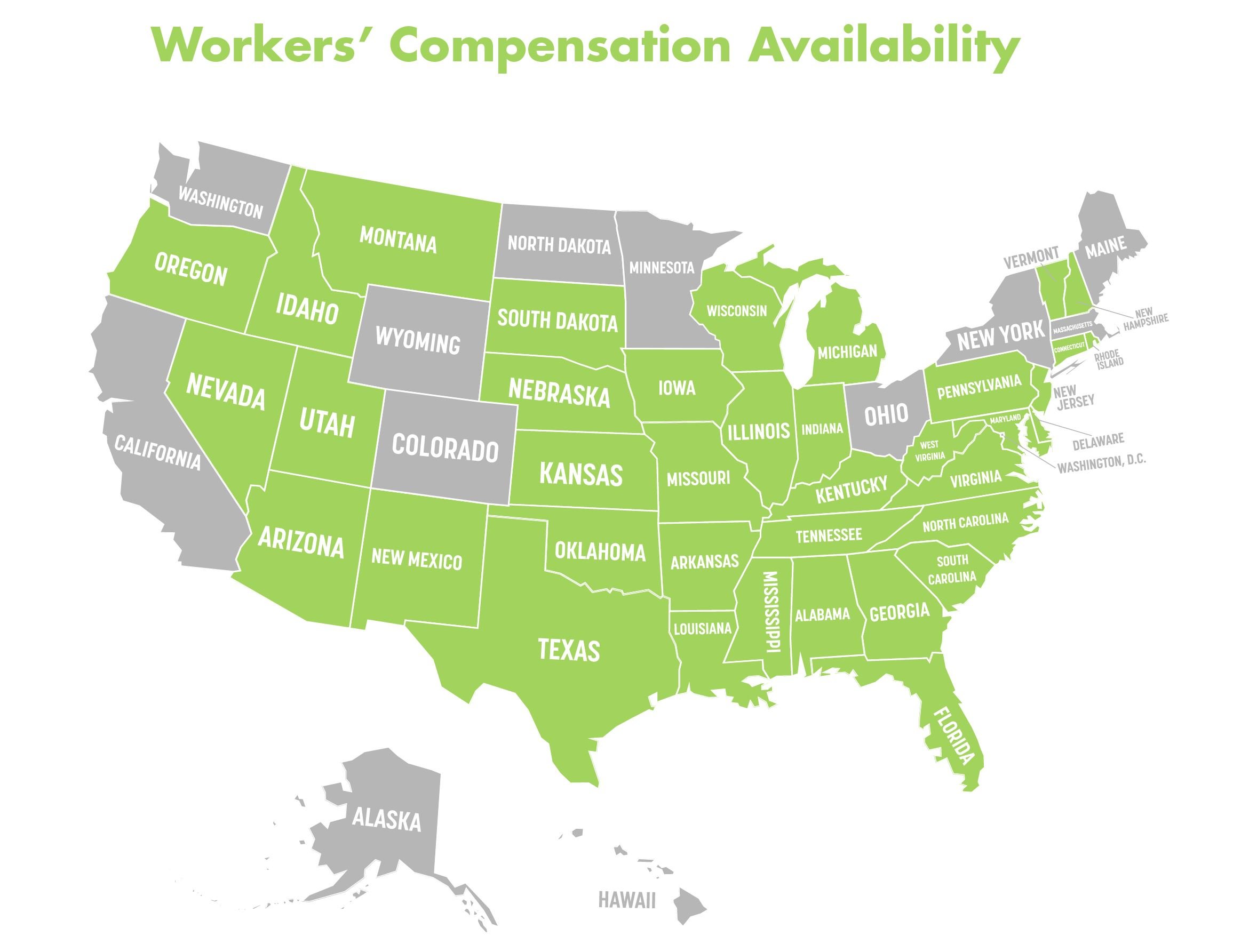
An AmTrust workers compensation dividend is a potential return of a portion of a policyholder's paid premium, distributed by AmTrust Financial Services based on the group's or the individual policy's favorable loss experience over a specific policy term. These programs are designed to reward businesses that maintain rigorous workplace safety standards and successfully control their claims frequency and severity.
Introduction to Workers' Compensation Dividends
Navigating the financial landscape of commercial property and casualty insurance requires businesses to look beyond upfront premium costs. For employers carrying statutory workers' compensation coverage, understanding how insurance carriers structure return-premium initiatives can significantly impact operational overhead. AmTrust Financial Services, a prominent specialty property and casualty insurer focused on small-to-mid-sized businesses, offers workers' compensation insurance coupled with potential dividend programs in qualifying jurisdictions.
A dividend program is not a guaranteed return; rather, it is a contingent financial incentive. When a business purchases a workers' compensation policy, it pays an estimated annual premium based on payroll classifications and historical risk modifiers (such as an Experience Modification Rate or EMR). At the conclusion of the policy period and subsequent financial evaluations, if the aggregate losses incurred by the insurer for that specific risk pool or individual policy are significantly lower than anticipated, the insurer may declare a dividend.
Examining how these programs operate involves understanding regulatory frameworks, underwriting criteria, financial accounting periods, and the critical operational steps required to qualify and maintain eligibility. Because workers' compensation is heavily regulated at the state level, availability, structures, and payout formulas vary widely by geography and industry classification.
The Mechanics of How Workers' Compensation Dividends Work
To comprehend the AmTrust workers' compensation dividend structure, stakeholders must examine the underlying economics of commercial insurance underwriting. Insurance companies collect premiums to pay out future claims, cover administrative expenses, and maintain regulatory reserves. When actual losses—meaning medical payments and indemnity benefits paid to injured workers—are lower than the actuarial projections built into the original premium calculation, an underwriting surplus develops.
Carriers like AmTrust may share a portion of this surplus with policyholders through a declared dividend plan. However, several distinct mechanics govern this process:
- Contingency and Non-Guarantee: State insurance departments strictly prohibit insurers from guaranteeing dividends before or during a policy period. Any marketing material or policy endorsement mentioning a dividend plan must explicitly state that dividends are never guaranteed and their payment is contingent upon board approval and regulatory compliance.
- Loss Ratio Performance: The primary driver of any dividend calculation is the loss ratio—the proportion of incurred losses relative to earned premiums. Lower loss ratios over the designated evaluation window increase the likelihood and magnitude of a potential dividend distribution.
- Evaluation Windows and Adjustments: Workers' compensation claims can remain open for years. Consequently, dividends are rarely calculated immediately after a policy year ends. Insurers typically use multiple adjustment dates (e.g., 18 months, 30 months, and 42 months post-expiration) to account for developing claims before final dividend determinations are locked.
Eligibility Criteria and Program Requirements
Not every business insured through AmTrust qualifies for a workers' compensation dividend program. Eligibility is determined by a strict matrix of underwriting rules, safety profiles, and minimum premium thresholds designed to mitigate adverse selection and ensure statistical credibility within risk groups.
Minimum Premium Thresholds
Insurers generally establish a minimum annual premium requirement for participation in individual policy dividend plans. Smaller accounts may not generate enough premium volume to absorb the administrative costs of specialized dividend accounting or provide the actuarial balance needed to offset individual claim spikes. Businesses typically need to meet or exceed specific baseline premium amounts set by AmTrust's underwriting guidelines in their respective states.
Safety and Risk Management Compliance
Because dividends reward low loss experience, active participation in loss control and workplace safety is mandatory. AmTrust evaluates a company's safety culture, historical EMR, and adherence to risk management recommendations. Employers who fail to implement recommended safety protocols or who exhibit chronic safety violations are typically barred from dividend-paying tiers.
Industry Classification and Hazard Groups
Certain high-hazard industries face distinct underwriting hurdles regarding dividends. While construction, manufacturing, and transportation sectors frequently utilize specialized group dividend programs (such as association-sponsored plans), their individual eligibility depends heavily on industry-specific frequency and severity trends.
| Program Type | Target Audience | Key Eligibility Drivers | Payout Timing |
|---|---|---|---|
| Individual Policy Dividend (IPD) | Single employers meeting minimum premium size | Low individual loss ratio, stable EMR, clean safety history | Evaluated at 18–36 months post-expiration |
| Group Dividend Plan | Trade associations, franchises, or member organizations | Aggregated group loss performance, shared safety initiatives | Annual or multi-year cohort evaluations |
| Flat Dividend Plan | Qualifying low-hazard business segments | Predictable payrolls, minimal historical claims | Standardized schedule per state regulatory rules |
Types of Dividend Structures Offered
AmTrust utilizes various dividend structures depending on the state, the size of the insured entity, and whether the policy is written on an individual basis or through a group program. Understanding these structures helps risk managers project potential financial returns accurately.
Flat Percentage Dividends
Under a flat dividend structure, eligible policyholders receive a predetermined percentage of their earned premium back, provided the group or individual policy achieves a specified benchmark loss ratio. This model provides clear expectations but offers limited scaling for accounts with exceptionally pristine loss records.
Sliding Scale Dividends
Sliding scale plans tie the dividend percentage directly to the policyholder's actual loss ratio. The lower the loss ratio drops, the higher the percentage of premium returned. For example, a policy with a 20% loss ratio might yield a substantial dividend percentage, whereas a policy with a 50% loss ratio might receive a significantly reduced percentage or none at all. This structure heavily rewards superior loss control.
Group vs. Individual Programs
- Individual Programs: Tailored strictly to a single company's performance. The company's own claims experience dictates the outcome entirely.
- Group Programs: Often structured for specific industry associations or buying groups. In these programs, the dividend is calculated based on the combined loss experience of all participating members in the group. While this introduces shared risk—where one member's severe claim can impact the group pool—it also allows smaller businesses that might not meet individual premium thresholds to participate in dividend opportunities.
Financial Impact and Cost Considerations
Evaluating an AmTrust workers' compensation dividend requires a realistic financial perspective. Employers must treat potential dividends as an uncertain bonus rather than a guaranteed accounts-receivable line item in their annual budgets.
When analyzing the total cost of risk (TCOR), savvy financial officers factor in the net premium—gross premium minus historical or expected dividend returns. However, auditors and financial planners caution against aggressive discounting. Because claim development tails can stretch across multiple calendar years, a dividend declared for a policy year that expired two years ago reflects past performance, and future adjustments can occasionally result in retrospective billing if claims worsen unexpectedly.
Furthermore, employers must account for the tax treatment of workers' compensation dividends. In many jurisdictions, a returned premium acts as a reduction of the original business expense deduction rather than taxable income, requiring careful coordination with corporate accountants and payroll tax professionals.
Common Mistakes and Misconceptions
Misunderstandings regarding workers' compensation dividends frequently lead to friction between insured businesses and insurance carriers. Recognizing these pitfalls ensures better risk management alignment.
- Assuming Dividends Are Guaranteed: The most prevalent misconception is treating a quoted dividend scale as a promise. Because statutory regulations and changing loss trends dictate payouts, agents and brokers are legally prohibited from promising specific dividend returns.
- Ignoring Claim Development: Many business owners assume that if a policy year closes with zero reported claims on day one, the dividend is secure. However, workers' compensation claims can be reported months after an incident occurs, provided statutory notification windows are met. Early distributions are often subject to clawback provisions if subsequent adjustments reveal deteriorating loss ratios.
- Neglecting Loss Control Engagement: Enrolling in a dividend-eligible tier without actively maintaining workplace safety programs usually results in high claims frequency, which quickly disqualifies the account from future distributions.
Practical Steps to Maximize Potential Dividend Returns
Businesses seeking to optimize their standing within AmTrust's underwriting framework and enhance their probability of receiving a return premium must execute a disciplined risk management strategy.
- Implement Robust Return-to-Work Programs: Establishing a structured modified-duty program allows injured employees to return to light-duty work sooner, which significantly reduces indemnity benefit costs and lowers the overall claim valuation.
- Conduct Pre-Loss Investigations: Train supervisors to report workplace injuries immediately. Early reporting allows claims adjusters to secure medical intervention quickly, mitigating long-term severity and controlling the claim's financial impact.
- Audit Payroll Classifications Annually: Ensure that payrolls are accurately classified according to National Council on Compensation Insurance (NCCI) or independent bureau standards. Misclassified payrolls distort the baseline earned premium and can negatively skew financial metrics.
- Maintain Active Communication with Loss Control Representatives: Invite AmTrust risk consultants to tour facilities, review safety manuals, and conduct employee training sessions. Documenting these proactive safety measures strengthens the underwriting file.
Frequently Asked Questions
Are AmTrust workers' compensation dividends guaranteed every year?
No. State insurance regulations strictly prohibit guaranteeing workers' compensation dividends. Payouts depend entirely on individual or group loss experience, financial performance, and formal corporate approval.
How long does it take to receive a dividend payout?
Because workers' compensation claims can develop over several years, dividend evaluations typically occur at set intervals—often starting 18 to 36 months after the policy expiration date—to ensure all liabilities are properly accounted for.
What happens if a claim is filed after a dividend has already been paid?
Most dividend plans include adjustment clauses. If subsequent evaluations show that a previously paid dividend was based on incomplete loss data and claims worsened, the insurer may perform a retrospective adjustment, though practices vary by specific contract terms and state regulations.
Do small businesses qualify for AmTrust dividend programs?
Eligibility depends primarily on minimum annual premium thresholds and state availability. While individual policy dividends often require higher premium volumes, small businesses can sometimes access dividend opportunities through industry-specific group programs.
How do I verify if my policy is eligible for a dividend plan?
Review your policy documents, endorsements, and underwriting disclosures, or consult directly with your assigned insurance broker or AmTrust customer service representative to confirm the specific terms attached to your coverage.
Conclusion and Next Actions
Understanding the nuances of an AmTrust workers' compensation dividend program empowers business owners to align their operational safety measures with financial incentives. By prioritizing workplace loss control, maintaining clear communication with safety consultants, and viewing dividends as a performance-based bonus rather than a fixed discount, organizations can effectively manage their total cost of risk. To verify your current policy's standing, review your policy declarations page, contact your licensed insurance agent, or reach out directly to AmTrust Financial Services to discuss your specific state guidelines and eligibility criteria.