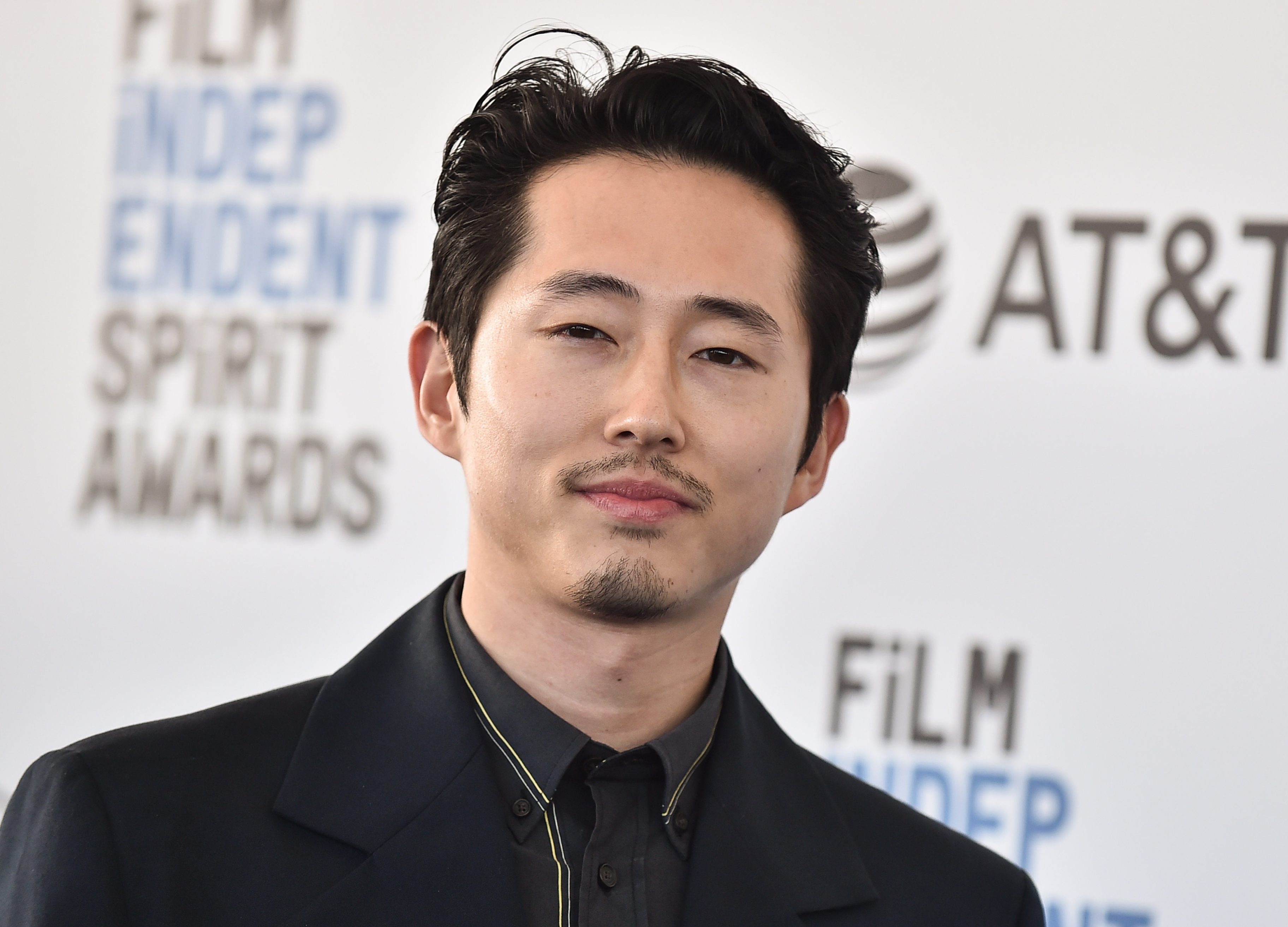
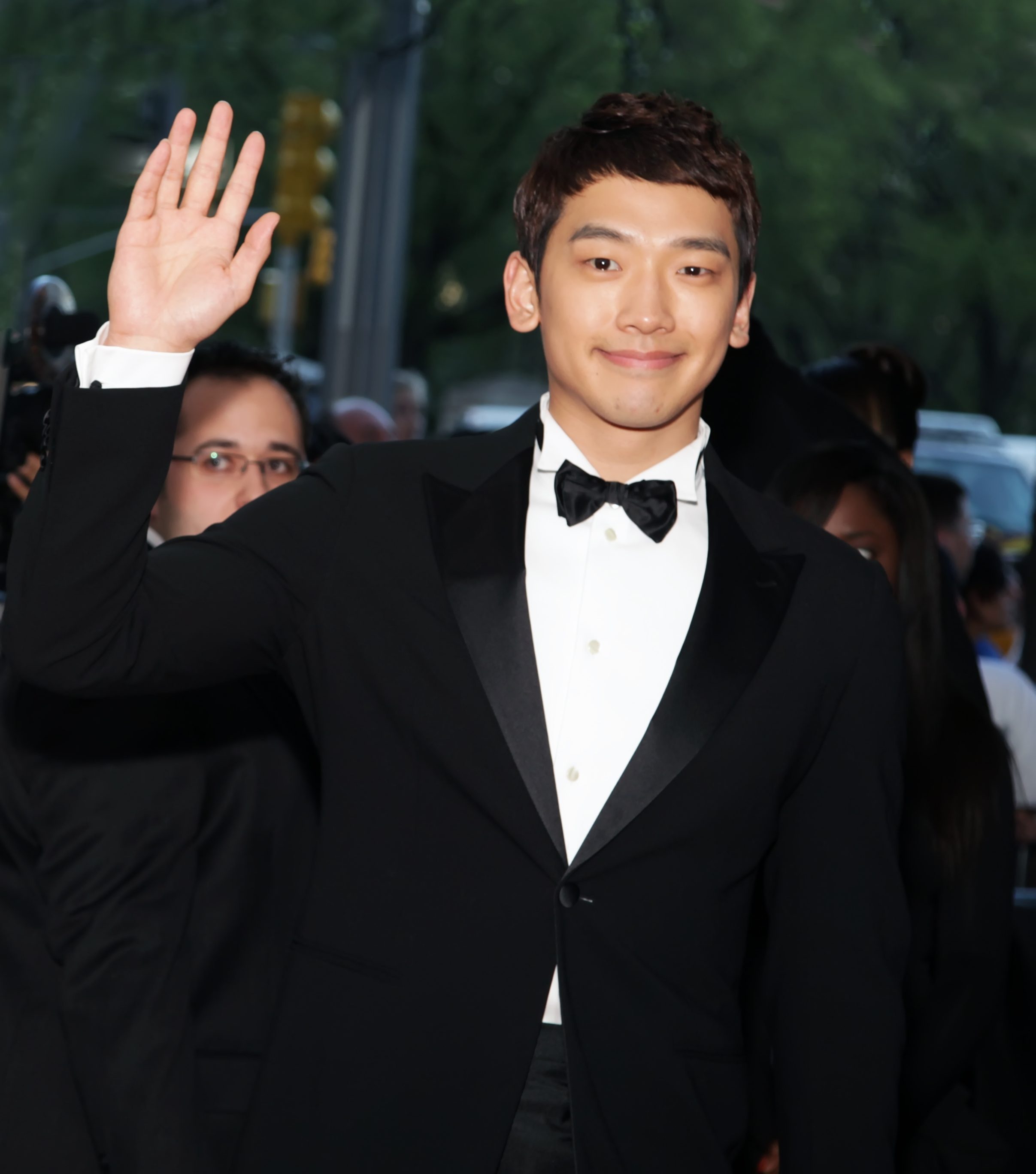
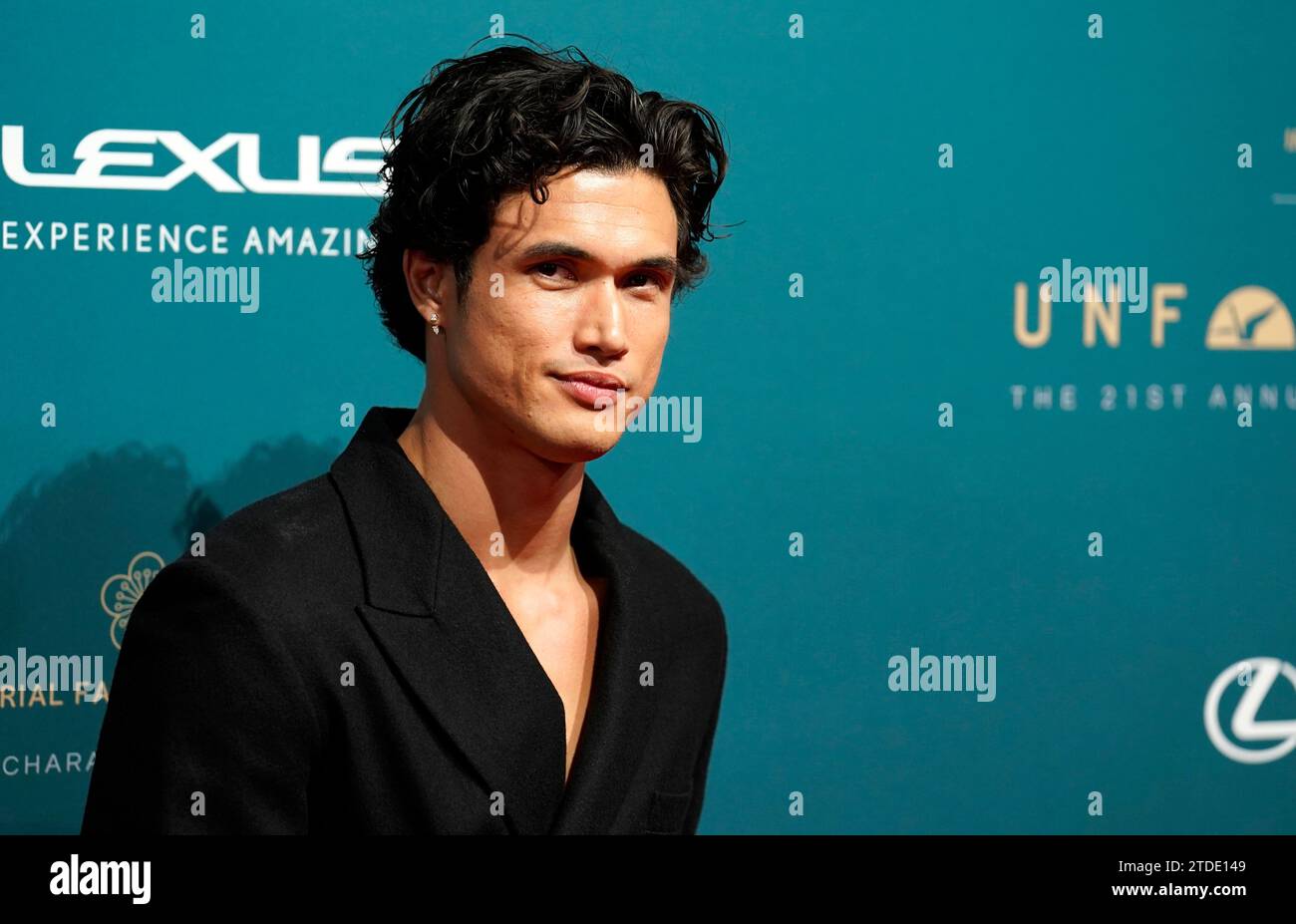
Asian American actors have transitioned from marginalized background players and stereotypical caricatures to become some of the most influential leads in global cinema. As of 2026, the landscape of entertainment reflects a historic shift where AAPI (Asian American and Pacific Islander) talent dictates box office trends and dominates prestigious awards circuits, moving beyond niche "diversity" roles into complex, multifaceted leading characters across all genres.
The journey of the Asian American actor in Hollywood is not merely a story of individual success but a reflection of a century-long struggle for visibility, authenticity, and creative agency. For decades, the industry operated under the shadow of the "Yellowface" era and the "Model Minority" myth, which limited the scope of roles available to talented performers. Today, the conversation has moved from a demand for "inclusion" to a reality of "influence," where Asian American actors are no longer just seeking a seat at the table—they are building the table themselves.
The Historical Foundation: From the Silent Era to the Mid-20th Century
To understand the current dominance of American Asian actors, one must recognize the pioneers who faced systemic exclusion. In the early 20th century, performers like Sessue Hayakawa and Anna May Wong became international icons despite the restrictive laws of the time. Hayakawa was a genuine romantic lead and one of the highest-paid actors in the silent film era, yet his career was eventually hampered by rising anti-Japanese sentiment and the implementation of the Hays Code, which prohibited onscreen miscegenation.
Anna May Wong, often cited as the first Chinese American movie star, faced similar hurdles. Despite her immense talent, she was frequently passed over for lead roles in favor of white actresses in "yellowface." The most famous instance was the 1937 film The Good Earth, where Wong was denied the lead role of O-Lan because the male lead was played by a white actor, Paul Muni, and the code forbade interracial romance onscreen. This era established a painful precedent: Asian actors could be stars, but they were often denied the dignity of portraying their own humanity in leading roles.
By the 1960s and 70s, the paradigm began to shift slightly with the arrival of Bruce Lee. While Lee is often remembered for his martial arts prowess, his contribution to the identity of the Asian American actor was profound. He refused to accept the subservient roles typically offered to Asian men, insisting on characters with strength, charisma, and agency. His success paved the way for future generations to view the screen as a space for power rather than just "otherness."
The Renaissance: 2018 as a Cultural Inflection Point
The year 2018 is frequently cited by industry analysts as the start of the modern "Asian American Renaissance." The release of Crazy Rich Asians proved that a film with an all-Asian cast could be a massive commercial success in the United States and abroad. This wasn't just a win for the box office; it was a psychological breakthrough for Hollywood executives who had long claimed that "Asian-led films don't sell."
Following this breakthrough, the momentum accelerated. The 2020s brought a series of unprecedented victories:
- Parasite (2019/2020): While a South Korean production, its historic Best Picture win at the Oscars opened the floodgates for Western audiences to embrace Asian-centric storytelling.
- Minari (2020): Steven Yeun became the first Asian American to be nominated for the Academy Award for Best Actor, highlighting the specific immigrant experience in the American heartland.
- Everything Everywhere All At Once (2022/2023): This film served as a definitive crowning moment, earning Michelle Yeoh the Oscar for Best Actress and Ke Huy Quan the Oscar for Best Supporting Actor. Their wins symbolized a recognition of both legendary veterans and the "lost" actors who had been forced out of the industry by a lack of opportunity.
Profiles of Influence: Key Asian American Actors in 2026
In the current year of 2026, several actors stand at the forefront of the industry, representing a wide array of backgrounds, styles, and career trajectories. These individuals have moved past "representative" roles and are now evaluated primarily on their artistic range and star power.
Michelle Yeoh: The Global Icon
Michelle Yeoh’s career trajectory is a testament to longevity and evolution. In 2026, she remains a powerhouse, balancing high-octane blockbusters with intimate character studies. Her win in 2023 was a watershed moment that forced Hollywood to reconsider how it treats aging women of color. She has utilized her platform to advocate for more substantial roles for AAPI talent, ensuring that her success is not an isolated incident but a door left open for others.
Steven Yeun: The Dramatic Powerhouse
Steven Yeun has transitioned from his "fan-favorite" status on The Walking Dead to becoming one of the most respected dramatic actors of his generation. His work in Minari and the Netflix series Beef (2023) showcased a willingness to explore the "ugly" and "complicated" sides of the Asian American psyche—moving away from the "perfect immigrant" trope toward a more grounded, sometimes flawed, human portrayal.
Awkwafina: The Genre-Bender
Awkwafina (Nora Lum) broke barriers by proving that Asian American women could be comedic leads on their own terms. Her Golden Globe win for The Farewell (2019) demonstrated her range, proving she could pivot from irreverent comedy to deep, soulful drama. In 2026, she continues to be a staple in voice acting, independent film, and major franchises, maintaining a career that defies easy categorization.
The New Vanguard: Stephanie Hsu and Charles Melton
The younger generation, led by actors like Stephanie Hsu and Charles Melton, represents a shift toward intersectional storytelling. Their roles often focus less on the "clash of cultures" and more on universal themes of identity, sexuality, and ambition. Their success indicates that by 2026, the industry is finally beginning to see Asian American actors as "everyman" or "everywoman" characters, rather than ethnic specialists.
Data and Industry Representation
Despite the visible success of top-tier stars, the industry's structural data provides a more nuanced picture. According to recent industry reports, while AAPI representation in leading roles has increased, it still fluctuates depending on the medium (film vs. television) and the specific platform (streaming vs. theatrical).
| Metric | Status (Circa 2024-2026) | Trend Direction |
|---|---|---|
| Lead Roles in Film | ~10-12% of top-grossing films | Increasing |
| Series Regulars (TV) | ~9% of scripted roles | Stable |
| Award Nominations | Historic highs (post-2022) | Increasing |
| Director/Producer Roles | ~6-8% of major productions | Slowly Rising |
| Pay Equity Ratio | Improving but remains below white peers | Improving |
The data suggests that while the "ceiling" has been shattered for stars, the "middle class" of Asian American actors still faces challenges in securing consistent work that doesn't rely on their ethnicity as a primary plot point.
Navigating the "Bamboo Ceiling" and Modern Stereotypes
In 2026, the challenges facing Asian American actors have evolved. The crude caricatures of the past (the "Long Duk Dong" tropes) have largely been retired, but they have been replaced by more subtle forms of typecasting.
The "Model Minority" Trap
Actors often find themselves funneled into roles that portray them as high-achieving, emotionless professionals—doctors, tech geniuses, or stoic villains. This "Model Minority" stereotyping, while seemingly positive, strips the character of depth and flaws. Modern actors are increasingly pushing back against this by seeking roles that allow for emotional volatility, failure, and moral ambiguity.
The Perpetual Foreigner
A recurring issue for American-born Asian actors is the "Perpetual Foreigner" trope, where their characters are always linked to an overseas homeland, regardless of how many generations their family has been in the United States. In the current casting landscape, there is a concerted effort by AAPI writers and actors to tell stories where the "Asian-ness" of the character is incidental to the plot, much like how race is handled for white actors.
The Rise of AAPI Production Companies
To combat these issues, many actors have moved into producing. Companies like 3AD (founded by Daniel Dae Kim) and UnbeliEVAbly Entertainment (Eva Longoria, though focusing on broader diversity, often partners with AAPI creators) are instrumental in developing projects that prioritize authentic representation from the script stage. This shift ensures that the Asian American actor is not just a tool for the director's vision but a partner in the storytelling process.
The Impact of Global Streaming and K-Content
The explosion of global streaming platforms (Netflix, Disney+, Apple TV+) has fundamentally changed the career trajectory for Asian American actors. The success of international shows like Squid Game or Physical: 100 has "normalized" Asian faces on screens in Western households. This globalized taste has made it easier for Asian American actors to find work in international co-productions, bridging the gap between Hollywood and the massive entertainment markets in Asia.
Furthermore, the "Hallyu" (Korean Wave) has created a halo effect. As audiences become fans of Korean, Japanese, or Chinese cinema, their appetite for AAPI talent in domestic US productions increases. This has led to more cross-pollination, where Asian American actors are frequently cast in roles that are intended for a global audience, rather than just a domestic one.
Guidance for Aspiring Actors in 2026
For those entering the industry today, the path is more visible but no less competitive. Success in 2026 requires a combination of classical training and digital savvy.
- Diversify Skill Sets: The modern actor is often expected to be a multi-hyphenate. Learning to write, produce, or direct provides the leverage needed to create one's own opportunities when the traditional casting process stalls.
- Community Networks: Organizations like CAPE (Coalition of Asian Pacifics in Entertainment) and Gold House have become essential for networking and mentorship. They provide the institutional support that was missing during Anna May Wong’s era.
- Authentic Voice: There is a growing market for specific, authentic stories. Rather than trying to fit a "neutral" mold, actors are finding success by leaning into their unique cultural and personal backgrounds.
- Digital Presence: Platforms like TikTok and YouTube remain viable "backdoors" into the industry. Many casting directors now look for "proof of concept" in an actor's ability to engage an audience independently.
Frequently Asked Questions
Who was the first Asian American actor to win an Oscar?
While James Wong Howe won for Cinematography in the 1950s, the first Asian person to win an acting Oscar was Miyoshi Umeki, who won Best Supporting Actress in 1958 for Sayonara. Haing S. Ngor later won Best Supporting Actor in 1985 for The Killing Fields. It took until 2023 for Michelle Yeoh to become the first Asian woman to win Best Actress in a Leading Role.
What is the "Bamboo Ceiling" in Hollywood?
The "Bamboo Ceiling" refers to the systemic barriers that prevent Asian Americans from reaching top-tier leadership or leading roles in the entertainment industry. While visible progress has been made with actors, the barrier is often still present in executive suites where greenlighting decisions are made.
How has the casting of Asian American actors changed since 2020?
Since 2020, there has been a notable move toward "color-blind" casting for roles that were historically written as white, as well as a surge in "culture-forward" stories where the specific heritage of the actor is central to a nuanced, non-stereotypical plot.
Are South Asian and Southeast Asian actors included in these trends?
Yes, though the pace of progress varies. Actors like Dev Patel, Kumail Nanjiani, and Priyanka Chopra Jonas have led the way for South Asian representation, while the success of films like Raya and the Last Dragon and actors like Ke Huy Quan (who is of Vietnamese descent) have boosted the visibility of Southeast Asians in the industry.
What role do film festivals play for Asian American actors?
Festivals like Sundance, SXSW, and the Asian American International Film Festival (AAIFF) are critical launchpads. Many of the most influential AAPI-led films of the 2020s began as small festival darlings before being acquired by major studios or streamers.
Moving Toward a Post-Representation Era
As we look at the state of the industry in 2026, the ultimate goal for Asian American actors is to enter a "post-representation" era. This is a stage where the casting of an Asian American actor is no longer a political statement or a diversity milestone, but a standard choice based on talent and marketability.
The progress made over the last decade has proven that Asian American stories are not a sub-genre; they are American stories. The success of actors from different backgrounds—East Asian, South Asian, Southeast Asian, and Pacific Islander—has enriched the cinematic landscape, providing audiences with a more accurate and vibrant reflection of the world. For the Asian American actor, the future is no longer about asking for permission to be seen, but about continuing to lead the narrative of global entertainment.
Next Action: For those looking to support or enter this space, engaging with AAPI-led production houses and participating in mentorship programs like those offered by CAPE (Coalition of Asian Pacifics in Entertainment) is the most effective way to foster the next generation of talent.