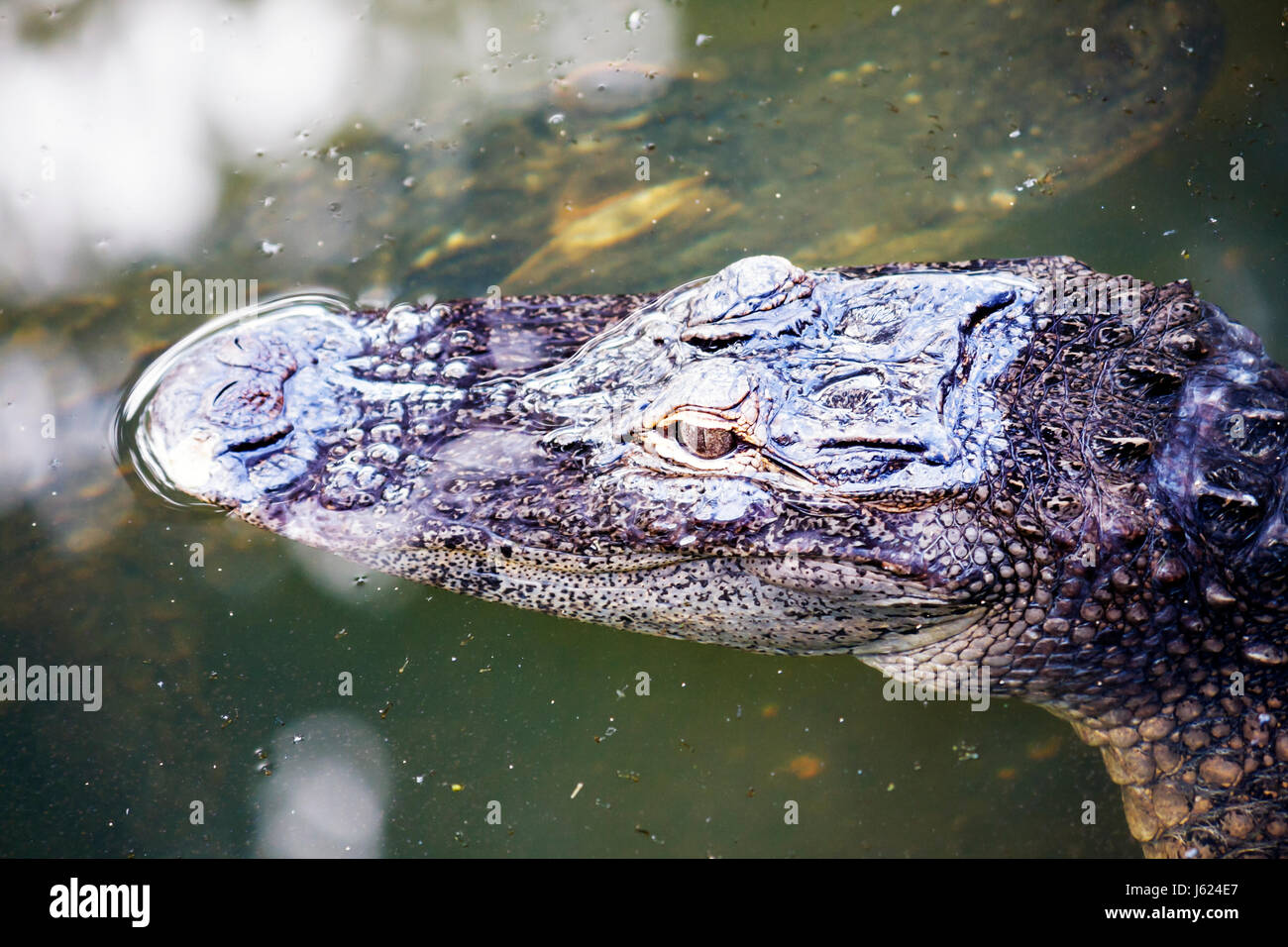
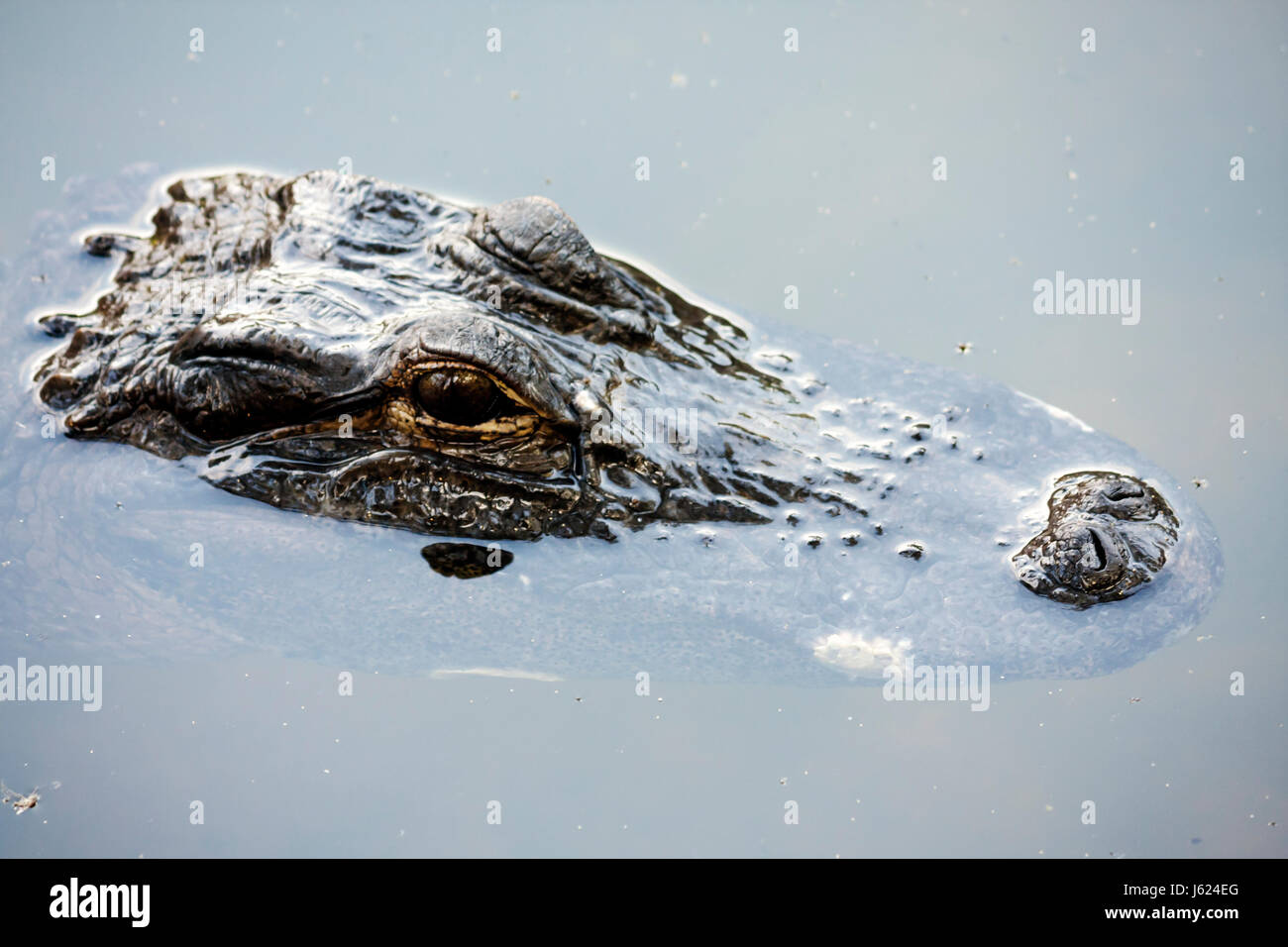
Alligators are not native to Indiana and cannot survive the state's harsh winters in the wild. While sightings are occasionally reported in Hoosier waterways, these involve escaped or illegally released pets rather than established populations. The Indiana Department of Natural Resources (DNR) strictly regulates these "dangerous exotic animals" through mandatory Class III permits.
The Biological Reality of Alligators in the Midwest
The American alligator (Alligator mississippiensis) is a creature of the subtropical Southeast. Its natural range extends as far north as North Carolina and as far west as Texas. Indiana, situated significantly further north, lacks the climate necessary for these reptiles to thrive, or even survive, over a multi-year period.
Ectothermic Limitations and the "Hard Freeze"
As ectothermic (cold-blooded) animals, alligators rely entirely on their environment to regulate their body temperature. In their native habitats, they can survive brief periods of freezing temperatures by utilizing a behavior known as "icing." When a pond freezes over, an alligator will poke its snout through the surface ice to breathe, allowing its body to enter a state of brumation—a reptilian version of hibernation where the heart rate and metabolism slow to a crawl.
However, this survival mechanism is designed for the occasional frost of South Carolina or Louisiana, not the sustained, deep freezes of an Indiana January. In Indiana, ice on ponds and rivers can reach several inches in thickness and remain for weeks or months. This duration exceeds the alligator’s physiological limits. Furthermore, Indiana’s water temperatures do not rise early enough in the spring to support the metabolic needs of a large crocodilian, leading to starvation or opportunistic infections even if the animal survives the initial cold.
Habitat Suitability
While Indiana has an abundance of freshwater—including the Wabash River, the Ohio River, and countless glacial lakes—the ecosystem is tuned for temperate species. Alligators require consistent access to warmth to digest food. If an alligator in Indiana consumes a meal in late October and the temperature drops suddenly, the food may rot in its stomach before it can be digested, leading to fatal septicemia. This biological "bottleneck" ensures that any alligator found in the state is a temporary visitor, usually destined to perish if not captured by wildlife officials.
Historical Sightings and Public Record
Despite the biological impossibilities of a native population, Indiana has a long history of "gator sightings." These reports generally fall into two categories: misidentifications and released captives.
Notable Reports and Captures
In recent years, several confirmed captures have made local headlines. In 2021 and 2022, small alligators (ranging from two to four feet) were recovered from the Wabash River and local retention ponds in suburban areas like Noblesville and Kokomo. In almost every documented case, the Indiana DNR concluded the animals were juvenile pets that had grown too large for their owners to manage.
The pattern is often the same: an individual purchases a hatchling alligator (which may be only six inches long) from a trade show or an out-of-state vendor. Within two to three years, the animal reaches a length of three or four feet and becomes aggressive and difficult to house. Fearful of legal repercussions or unable to find a sanctuary, the owner releases the animal into a nearby creek or lake, mistakenly believing the animal will "be free." In reality, this is a death sentence for the animal and a potential hazard to the local ecosystem.
The Problem of Misidentification
Not every "alligator" reported to the DNR is actually a crocodilian. Indiana is home to several native species that, to an untrained eye or from a distance, can mimic the appearance of an alligator.
- Common Snapping Turtle (Chelydra serpentina): Large snappers can have long, spiked tails and rugged shells that look like gator scales when breaking the water's surface.
- Northern Water Snake (Nerodia sipedon): While much smaller, the dark banding and way they swim with their heads above water can startle onlookers.
- Large Fish: Species like the Longnose Gar or Bowfin have elongated snouts and primitive scales. When surfacing for air, they can create a silhouette easily mistaken for a small reptile.
Legal Status and Indiana DNR Regulations
As of 2026, the Indiana Department of Natural Resources maintains strict control over the possession of crocodilians. Under Indiana Administrative Code (312 IAC 9-11), alligators are classified as "Class III Wild Animals." This is the same category that includes bears, wolves, and venomous reptiles.
Obtaining a Class III Permit
Possessing an alligator in Indiana without a permit is a criminal offense. The requirements for obtaining a permit are intentionally rigorous to ensure public safety and the welfare of the animal.
- Application Process: An applicant must submit a detailed plan to the DNR, including the origin of the animal and the specific location where it will be kept.
- Enclosure Standards: The DNR mandates specific cage dimensions based on the size of the animal. For an alligator, the enclosure must be "escape-proof" and include both a dry resting area and a pool of water deep enough for the animal to submerge completely.
- Secondary Containment: There must be a secondary barrier (such as a perimeter fence) to prevent the public from coming into contact with the primary enclosure.
- Inspections: Conservation officers conduct initial and periodic inspections to ensure the facility meets all safety and sanitation codes.
- Liability Insurance: Owners are often required to carry substantial liability insurance to cover potential damages or injuries caused by the animal.
The Consequences of Illegal Possession
If an individual is caught with an unlicensed alligator, the animal is typically seized immediately. Because most zoos and sanctuaries are already at capacity with "rescue" gators, these seized animals are often euthanized if a suitable home cannot be found quickly. The owner may face fines, the loss of other hunting or fishing licenses, and even jail time depending on the severity of the violation and whether the animal was released into the wild.
Comparing Indiana Wildlife to the American Alligator
To help residents distinguish between actual threats and native wildlife, the following table compares the characteristics of the American alligator with common Indiana species often involved in "false alarm" sightings.
| Characteristic | American Alligator | Common Snapping Turtle | Longnose Gar |
|---|---|---|---|
| Average Length | 6–12+ feet | 8–18 inches (shell) | 2–4 feet |
| Skin Texture | Bony plates (osteoderms) | Rugged shell / Scaly skin | Hard, diamond-shaped scales |
| Snout Shape | Broad, rounded | Beak-like mouth | Long, needle-like snout |
| Swimming Style | Tail-driven, head above water | Mostly submerged, slow moving | Darting, often near surface |
| Native Status | Non-native (Exotic) | Native to Indiana | Native to Indiana |
| Legal Status | Permit Required (Class III) | Regulated (Hunting license) | Protected/Regulated |
Public Safety and Ecological Impact
While a four-foot alligator in an Indiana pond is unlikely to hunt a human, it does pose a significant risk to pets and local wildlife. Furthermore, the presence of a "dangerous exotic" can lead to park closures and the unnecessary expenditure of taxpayer resources as DNR officers and local police work to capture the animal.
The Risk to Local Ecosystems
Indiana’s ecosystems are delicate. The introduction of an apex predator, even temporarily, can disrupt local food chains. Alligators are opportunistic feeders; they will consume native fish, waterfowl, and even endangered turtles. Because they have no natural predators in Indiana, a single released alligator can decimate a local pond's population of breeding birds or rare amphibians before the winter cold sets in.
What to Do If You See an Alligator
If you believe you have spotted an alligator in an Indiana waterway, follow these steps:
- Do Not Approach: Even small alligators have a powerful bite and incredibly fast reflexes. They are significantly faster on land than they appear.
- Document from a Distance: If possible, take a photograph or video. This is the most helpful tool for DNR officers to determine if the sighting is a misidentified native species or a genuine alligator.
- Note the Location: Identify specific landmarks or GPS coordinates.
- Contact the DNR: Call the Indiana DNR Division of Law Enforcement or a local Conservation Officer. Do not attempt to capture the animal yourself.
Common Questions Regarding Alligators in Indiana
Can alligators survive in the Ohio River?
No. While the Ohio River is a massive waterway, its winter temperatures frequently drop to near freezing. While alligators might survive a mild autumn in the river, they cannot withstand the sustained low temperatures of mid-winter. Any alligator found in the Ohio River is an escaped or released animal.
Is it legal to buy an alligator at an Indiana reptile show?
It is legal for vendors to display animals, but an Indiana resident cannot legally take possession of an alligator without first having an approved Class III Wild Animal Permit from the DNR. Most reputable breeders will not sell to individuals who cannot prove they hold the necessary state permits.
Are there "alligator-like" dinosaurs or fossils in Indiana?
Indiana has a rich paleontological history, but it is primarily known for fossils from the Paleozoic era (crinoids, brachiopods) and the Pleistocene (mastodons, mammoths). While crocodilian ancestors existed elsewhere during the age of dinosaurs, Indiana’s surface geology from that period is largely absent due to erosion and glacial activity, meaning you won't find "Indiana gator" fossils in your backyard.
Could climate change bring alligators to Indiana naturally?
Current climate models suggest a gradual northward shift in the habitable zones for many species. However, the "natural" migration of alligators into Indiana would require a significant warming of winter minimum temperatures over decades or centuries, as well as a continuous corridor of suitable habitat through Kentucky. As of 2026, the "thermal barrier" remains too high for natural northern expansion into the Great Lakes region.
Final Recommendations for Residents
The presence of alligators in Indiana remains a human-driven phenomenon rather than a biological one. For the safety of the public and the welfare of the animals themselves, it is critical to respect state wildlife laws.
If you are interested in crocodilians, the best way to experience them in Indiana is by visiting accredited facilities like the Indianapolis Zoo or Potawatomi Zoo, where these animals are kept in climate-controlled environments that meet their complex biological needs. If you currently possess an alligator illegally, contact the DNR or a licensed exotic animal rescue immediately. "Dumping" the animal into a local lake is not an act of kindness; it is an act of ecological negligence that results in the animal's suffering and potential danger to your neighbors.
For further information on permits or to report a sighting, visit the official Indiana Department of Natural Resources website or contact your district’s conservation office.