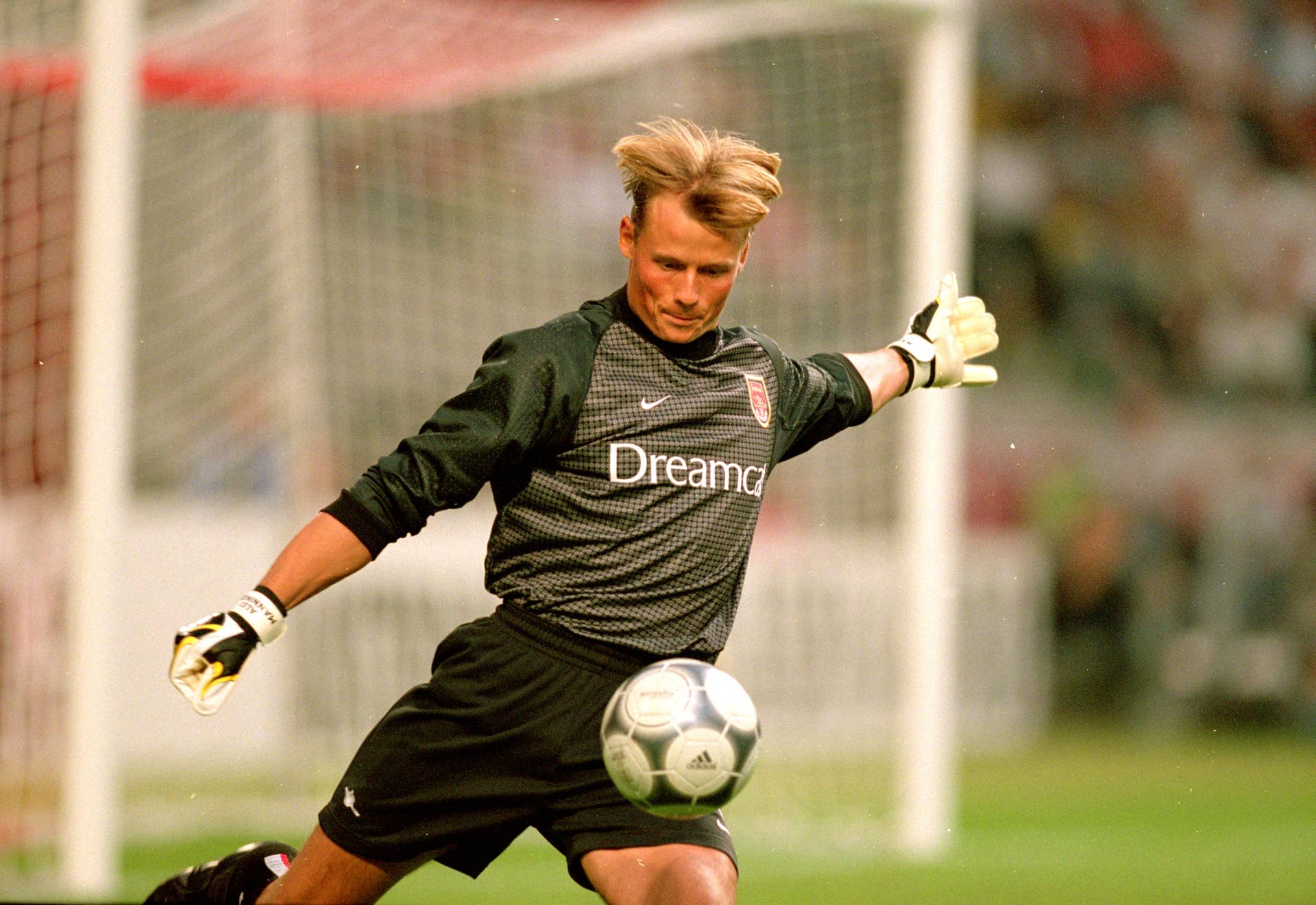
As of 2026, former professional footballer Alexander Manninger is alive and well. Reports or searches regarding a "cause of death" for the retired Austrian goalkeeper are based on misinformation or internet hoaxes. Manninger has transitioned from a successful 22-year football career into a private life focused on furniture restoration and real estate.
The Origin of Misinformation and Search Trends
In the digital age, it is not uncommon for retired athletes who maintain a low public profile to become the subjects of "death hoaxes." These rumors often propagate through social media platforms where unverified "R.I.P." pages or automated news scrapers generate headlines based on high-volume search queries. For a figure like Alex Manninger, who spent years in the high-intensity environments of the English Premier League, Serie A, and the Bundesliga before retiring to a quieter life, the lack of daily media coverage can sometimes leave a void that misinformation fills.
The search for "Alex Manninger cause of death" typically stems from three primary sources: confusion with individuals of a similar name, malicious "clickbait" articles designed to drive ad revenue, or the general phenomenon of celebrity death hoaxes. It is essential for fans and researchers to rely on reputable sports news outlets or official club communications (such as those from Arsenal, Juventus, or Liverpool) to verify the status of former players. As of the current year, no credible source has reported any health crisis or passing related to Manninger.
A Retrospective on the Career of Alex Manninger
To understand why Manninger remains a figure of public interest, one must look at his expansive career. Born on June 4, 1977, in Salzburg, Austria, Alexander Manninger established himself as one of the most reliable and professional "number two" goalkeepers in European football history. His career spanned over two decades, characterized by his technical proficiency, shot-stopping ability, and his professionalism in supporting world-class starting goalkeepers.
The Rise at Austria Salzburg
Manninger began his journey in the youth ranks of SV Austria Salzburg. His physical presence and quick reflexes were evident from a young age. While he initially struggled for consistent first-team minutes in a competitive Austrian squad, a loan spell at Vorwärts Steyr provided the necessary exposure. His performance eventually earned him a move to Grazer AK, where his talent caught the eye of one of the world's most astute talent scouts: Arsène Wenger.
The Arsenal Years (1997–2002)
In 1997, Manninger made a high-profile move to Arsenal to serve as the understudy to the legendary David Seaman. His impact was immediate and historic. During the 1997–1998 season, when Seaman was sidelined with an injury, Manninger stepped into the starting lineup during a crucial stretch of the Premier League title race.
He famously kept six consecutive clean sheets, a club record at the time. The most pivotal moment of this run was a 1-0 victory over Manchester United at Old Trafford, where Manninger made several world-class saves to preserve the win. This performance was instrumental in Arsenal securing the "Double" (the Premier League and FA Cup) that year. For his contributions, Manninger was named the Premier League Player of the Month in March 1998, a rare feat for a reserve goalkeeper.
Navigating the Italian and Spanish Leagues
After his tenure at Arsenal, Manninger embarked on a journey through some of Europe’s most prestigious leagues. His time in Italy, in particular, solidified his reputation as a "safe pair of hands" for clubs facing the pressures of Serie A.
Experiences with Fiorentina, Siena, and Torino
Manninger’s move to Fiorentina in 2001 was intended to be a fresh start, but the club’s financial instability led to a period of uncertainty. He later spent time at Espanyol in Spain and had brief stints with Torino and Bologna. However, it was at AC Siena where he found consistent playing time and regained his best form. Between 2005 and 2008, Manninger was the undisputed first-choice goalkeeper for Siena, making over 60 appearances and helping the club maintain its status in the top flight of Italian football.
The Juventus Era (2008–2012)
His consistent performances at Siena led to a move to Juventus in 2008. At Juventus, he was signed to provide cover for Gianluigi Buffon. Much like his time at Arsenal, Manninger was called upon due to an injury to the primary starter. During the 2008–2009 season, he filled in for Buffon for a significant portion of the campaign, proving that he could still compete at the highest level of European football, including in the UEFA Champions League. During his four years in Turin, he was part of the squad that began Juventus's decade-long dominance of Italian football.
Later Career and the Final Chapter at Liverpool
As Manninger entered the twilight of his career, he showed no signs of slowing down his commitment to the sport. He returned to Germany, joining FC Augsburg in 2012. He spent four seasons with the Bundesliga side, providing veteran leadership and appearing in nearly 40 matches.
The Surprise Move to Anfield
In 2016, at the age of 39, Manninger made a surprise return to the Premier League by signing a short-term contract with Liverpool. Managed by Jürgen Klopp, the club needed an experienced third-choice goalkeeper who could mentor younger players like Loris Karius and Simon Mignolet. Klopp praised Manninger’s influence in the dressing room, citing his professionalism and elite training habits.
Although he did not make a competitive first-team appearance for Liverpool, his presence was highly valued. In May 2017, Manninger announced his retirement from professional football, marking the end of a career that had seen him play for some of the biggest clubs in the world.
Life After Football: Professionalism Beyond the Pitch
Since his retirement in 2017, Manninger has stayed largely out of the spotlight, which has contributed to the occasional rumors about his wellbeing. Unlike many of his contemporaries who moved into coaching or punditry, Manninger pursued interests that he had cultivated during his playing days.
Furniture Restoration and Joinery
One of the most unique aspects of Alex Manninger's post-football life is his passion for carpentry and furniture restoration. Manninger has often spoken about his love for working with wood, a hobby he took seriously even during his playing days in Italy. In 2026, he continues to focus on this craft, often involved in high-end joinery and property development projects in his native Austria.
Real Estate and Personal Life
In addition to his craftsmanship, Manninger has invested in real estate and property management. He has maintained a disciplined approach to his finances and personal health, which is consistent with the professional reputation he held for 22 years on the pitch. He lives a relatively private life, occasionally appearing at charity events or club anniversaries for his former teams, such as Arsenal's "Legends" matches.
Comparison of Career Statistics and Major Clubs
The following table highlights the key phases of Manninger's career, demonstrating his longevity and the caliber of clubs he represented.
| Club | Years | League | Notable Achievement |
|---|---|---|---|
| Arsenal | 1997–2002 | Premier League | 1997-98 Premier League & FA Cup Winner |
| ACF Fiorentina | 2001–2002 | Serie A | Key starter during club transition |
| AC Siena | 2005–2008 | Serie A | Over 60 appearances as first-choice |
| Juventus | 2008–2012 | Serie A | Serie A Champion (2011-12) |
| FC Augsburg | 2012–2016 | Bundesliga | Helped stabilize club in top flight |
| Liverpool | 2016–2017 | Premier League | Veteran mentor under Jürgen Klopp |
Understanding the Risks of Digital Misinformation
The search for a "cause of death" for a living person highlights a broader issue within the digital landscape: the speed at which misinformation travels. When a name like Alex Manninger is entered into a search engine alongside terms like "death" or "accident," algorithms sometimes prioritize recent "trending" queries over established facts.
Why Do These Rumors Persist?
- Algorithmic Feedback Loops: If a few people search for a death rumor, search engines may suggest the phrase to others, creating a false sense of urgency.
- Scraper Sites: Low-quality websites use scripts to find trending names and automatically generate "obituary" templates to capture search traffic.
- Social Media Hoaxes: These are often started for "likes" or "shares" and can go viral before they are debunked by official sources.
For fans of Manninger, it is important to verify any such news through official channels such as the Austrian Football Association (ÖFB) or the official websites of his former clubs.
Frequently Asked Questions
Is Alex Manninger still alive?
Yes, Alexander Manninger is alive. As of 2026, he is 48 years old and living a private life after retiring from professional football in 2017. There have been no credible reports of his passing or any serious illness.
What is Alex Manninger doing now?
Manninger has moved away from professional football coaching to focus on his interests in carpentry, furniture restoration, and real estate. He is known for his skill in high-end joinery and remains active in property development in Austria.
Did Alex Manninger win the Premier League?
Yes, Manninger was a vital part of Arsenal's 1997–1998 Premier League-winning squad. Although he was the backup to David Seaman, he played enough games (including a crucial 6-clean-sheet run) to earn a winner's medal and was a hero of that campaign.
When did Alex Manninger retire?
Manninger officially retired from professional football in May 2017 after his final season with Liverpool. He cited the physical demands on his body and a desire to pursue other professional interests outside of sports.
Which national team did Alex Manninger play for?
Manninger represented the Austrian national team. He earned 33 caps for his country and was part of the squad for the 1998 FIFA World Cup and the 2008 UEFA European Championship.
Summary and Final Recommendation
The persistent rumors regarding the "cause of death" of Alex Manninger are entirely unfounded. The former Arsenal and Juventus goalkeeper remains a respected figure in the football community, currently enjoying a productive post-retirement life in Austria. His transition from elite sports to skilled craftsmanship serves as a model for many athletes looking for a fulfilling second career.
For those seeking the latest updates on former professional players, it is recommended to follow official veteran organizations or the "Legends" sections of major football clubs. Verifying information through multiple reputable news sources is the best way to avoid being misled by internet hoaxes.