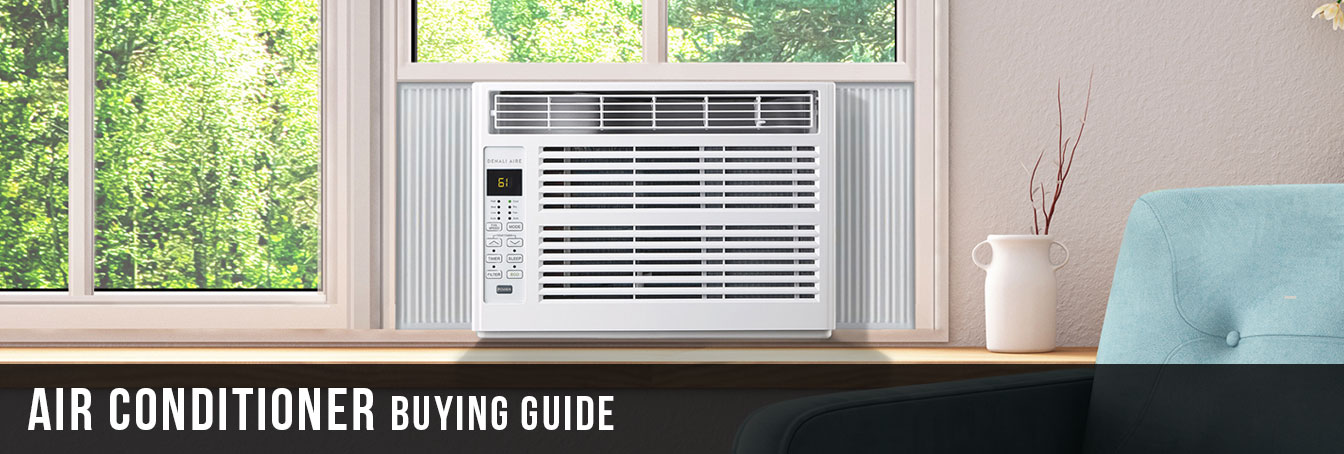
Choosing the right air conditioner requires balancing cooling capacity, energy efficiency, room size, and installation constraints to ensure home comfort without unexpected utility costs. This guide details how to calculate cooling loads, compare system types, evaluate efficiency ratings, and select a unit that fits your space and budget.
Understanding Your Cooling Needs
Selecting an air conditioner begins with calculating the cooling load required for your space. Cooling capacity is measured in British Thermal Units (BTUs) per hour. A unit that is too small will run continuously without effectively cooling the room, while a unit that is too large will cool the space too quickly before cycling off, failing to properly dehumidify the air.
Calculating BTU Requirements
To determine the appropriate BTU rating for a room or open-plan area, you must account for several physical factors:
- Square Footage: Multiply the length of the room by the width to get the total square footage. Standard guidelines suggest roughly 20 BTUs per square foot of living space, though this baseline shifts based on environmental factors.
- Sun Exposure: If the room receives direct, heavy sunlight throughout the day, increase the BTU capacity by 10 percent. Conversely, if the room is heavily shaded, you can reduce the capacity by 10 percent.
- Occupancy: Add 600 BTUs for each person who regularly occupies the room beyond two people.
- Kitchen Usage: If the air conditioner is going in or adjacent to a kitchen, add 4,000 BTUs to account for heat generated by appliances.
- Climate: Homes in intensely hot and humid regions may require higher-capacity units to maintain comfortable indoor conditions.
Room Size to BTU Reference Table
| Room Area (Square Feet) | Capacity Needed (BTUs/Hour) | Recommended Appliance Type |
|---|---|---|
| Up to 150 sq. ft. | 5,000 BTU | Small Window Unit |
| 150 to 250 sq. ft. | 6,000 to 7,000 BTU | Standard Window Unit |
| 250 to 350 sq. ft. | 8,000 to 10,000 BTU | Large Window or Portable Unit |
| 350 to 500 sq. ft. | 10,000 to 12,000 BTU | Heavy-Duty Window or Ductless Mini-Split |
| 500 to 700 sq. ft. | 14,000 to 18,000 BTU | Large Portable, Mini-Split, or Multi-Room Setup |
Comparing Air Conditioner Types
Different living situations demand different cooling configurations. Whether you live in a rental apartment with window restrictions or a single-family home requiring whole-house climate control, understanding the mechanics of each system type is essential.
Window Air Conditioners
Window units are self-contained appliances installed directly into a standard double-hung window. They represent the most cost-effective and straightforward cooling solution for single rooms.
- Pros: Lower initial purchase price, easy DIY installation, high energy efficiency relative to cost, and readily removable for winter storage.
- Cons: Obstructs the window view, blocks natural light, creates operational noise inside the room, and requires a secure mounting bracket to prevent accidental falls.
Portable Air Conditioners
Portable air conditioners sit inside the room on the floor and exhaust hot air through a flexible hose connected to a window vent kit.
- Pros: Can be moved from room to room on caster wheels, does not require lifting heavy units into window frames, and works well in sliding or casement windows where standard window units cannot fit.
- Cons: Generally less energy efficient than window units because the appliance itself radiates heat back into the room; single-hose models can create negative air pressure, drawing warm outside air into the home.
Ductless Mini-Split Systems
Ductless mini-splits consist of an outdoor compressor paired with one or more indoor air-handling units mounted directly to a wall or ceiling. They connect via a small conduit running through an exterior wall.
- Pros: Highly energy-efficient, whisper-quiet operation, zone-based temperature control for individual rooms, and provides both heating and cooling in a single system.
- Cons: Significantly higher upfront equipment and professional installation costs; indoor units remain permanently visible on the wall.
Central Air Conditioning
Central systems use a split system configuration—an outdoor condenser unit paired with an indoor evaporator coil—and distribute conditioned air throughout the entire house via a network of air ducts.
- Pros: Cools the entire home simultaneously, keeps windows unobstructed, hides major equipment out of sight, and filters indoor air through a centralized duct system.
- Cons: Expensive installation costs if ductwork is not already present; energy waste can occur if ducts leak or cool unoccupied rooms.
Evaluating Efficiency and Energy Ratings
Energy efficiency directly impacts your monthly utility bills. When evaluating cooling appliances, look closely at standardized efficiency metrics established by regulatory bodies such as the U.S. Department of Energy (DOE) and the U.S. Environmental Protection Agency's ENERGY STAR program.
Key Efficiency Metrics
- EER (Energy Efficiency Ratio): Measures how efficiently a window or portable air conditioner operates when outdoor temperatures reach 95°F and indoor temperatures are 80°F. A higher EER rating indicates greater energy efficiency.
- CEER (Combined Energy Efficiency Ratio): Replaced standard EER for window units to account for energy consumed while the appliance is in standby mode, providing a more accurate reflection of annual energy use.
- SEER2 (Seasonal Energy Efficiency Ratio 2): Used for central air conditioners and ductless mini-splits, this metric measures the total cooling output divided by total electric energy input over a typical cooling season under updated testing procedures.
Energy-Saving Features to Look For
Modern air conditioners include smart technologies designed to minimize power consumption without sacrificing comfort:
- Inverter Technology: Unlike traditional compressors that constantly cycle fully on and off, inverter-driven compressors adjust their speed dynamically to maintain a consistent temperature, drawing only the power necessary.
- Programmable Timers: Allows you to schedule cooling cycles around your daily routine so the unit does not run in an empty home.
- Eco or Sleep Modes: Gradually adjusts the temperature upward during overnight hours when human metabolic heat production drops and the body requires less intensive cooling.
- Filter Clean Reminders: Built-in alerts notify you when dust buildup begins restricting airflow, which forces the motor to work harder and consume more electricity.
Essential Features and Practical Considerations
Beyond raw cooling power and efficiency, several operational features influence daily usability, maintenance requirements, and overall satisfaction with your purchase.
Noise Levels
Air conditioner noise is measured in decibels (dB). Window units typically operate between 50 and 65 dB, comparable to a standard refrigerator or normal conversation. If you are purchasing a unit for a bedroom or home office, look for models featuring quiet-operation modes or inverter compressors, which operate significantly quieter than traditional single-stage units.
Smart Connectivity and Controls
Wi-Fi enabled air conditioners allow you to monitor and adjust indoor temperatures remotely via smartphone applications or integrate with smart home assistants like Amazon Alexa and Google Assistant. This functionality ensures you can cool down a room before arriving home or turn off a forgotten unit remotely.
Maintenance Access
Regular maintenance is mandatory for optimal performance. Evaluate how easy it is to remove, wash, or replace the air filter. Neglected filters restrict airflow, reduce efficiency, and can lead to frozen evaporator coils or compressor failure.
Frequently Asked Questions
Should I buy a larger air conditioner to cool my room faster?
No. Oversized air conditioners cool the room too quickly before the compressor has adequate time to run. This short-cycling prevents the unit from removing sufficient humidity from the air, leaving the room feeling cold and clammy rather than comfortably cool.
How often should I clean or replace my air conditioner filter?
You should inspect and clean reusable air filters every two to four weeks during the heavy cooling season. Wash them gently with warm water and mild soap, ensure they are completely dry before reinstalling, and replace them entirely if they show signs of tearing or permanent degradation.
Do portable air conditioners require continuous drainage?
Most modern portable air conditioners feature self-evaporating systems that vaporize condensation and exhaust it automatically through the window hose. However, in high-humidity environments, excess moisture may accumulate in an internal reservoir, requiring you to manually drain the unit via a bottom plug.
Can I install a window air conditioner in a casement or sliding window?
Standard window air conditioners require double-hung vertical-opening windows. If you have horizontal sliding or crank-out casement windows, you must purchase a specialized vertical window unit or a portable air conditioner equipped with a custom window panel kit.
What is the average lifespan of a residential air conditioner?
Well-maintained window and portable units typically last between 5 and 10 years. Central air conditioning systems and ductless mini-splits generally last between 12 and 15 years, provided they receive annual professional tune-ups and regular filter replacements.
Conclusion and Next Actions
Choosing the right air conditioner requires an accurate measurement of your square footage, an honest assessment of your installation constraints, and careful attention to energy efficiency ratings like CEER or SEER2. Start by calculating your exact BTU requirements using room dimensions and sunlight exposure, then select the appliance category that matches your housing situation. Review local utility rebate programs for ENERGY STAR certified models before making your final purchase to offset upfront equipment costs.