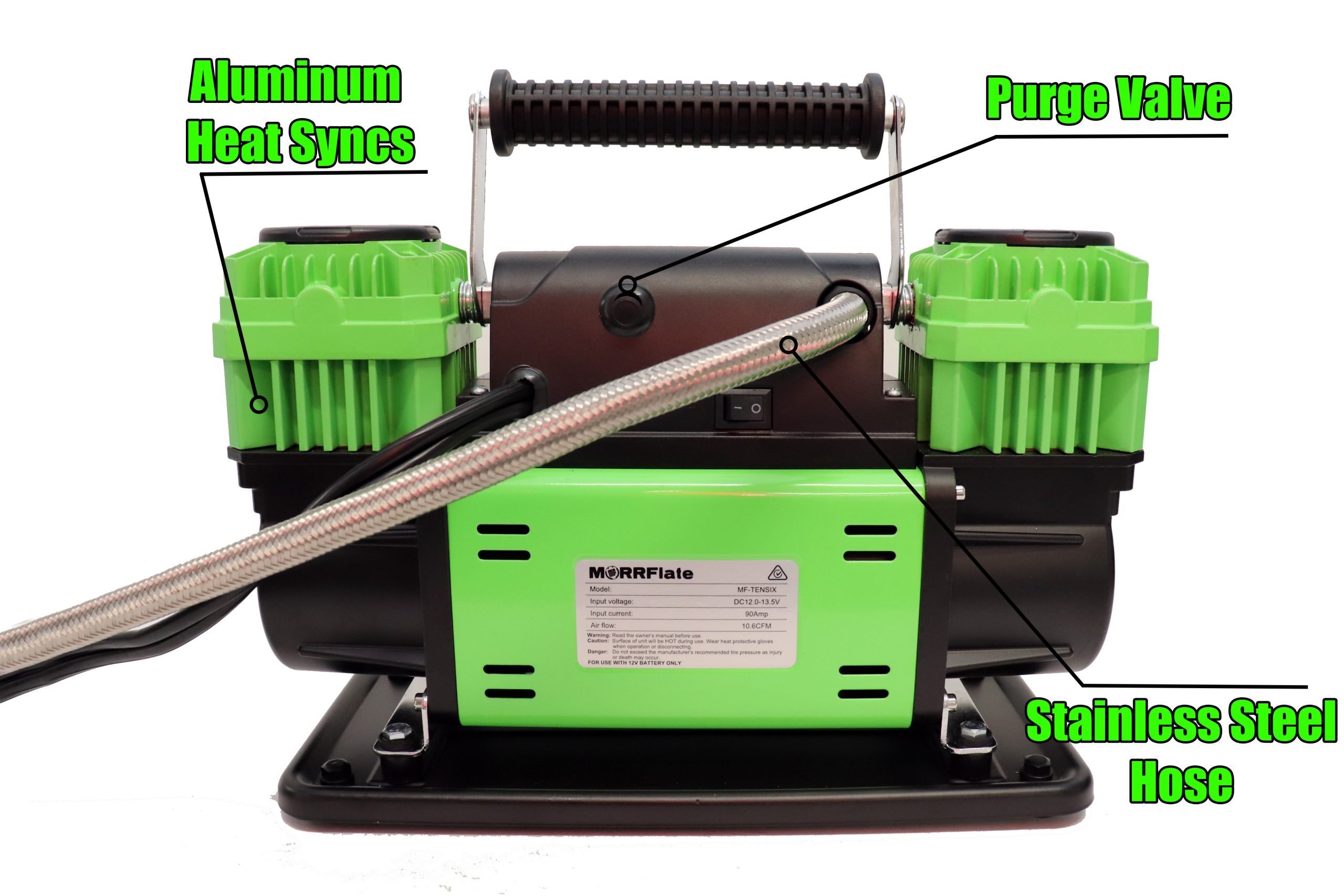
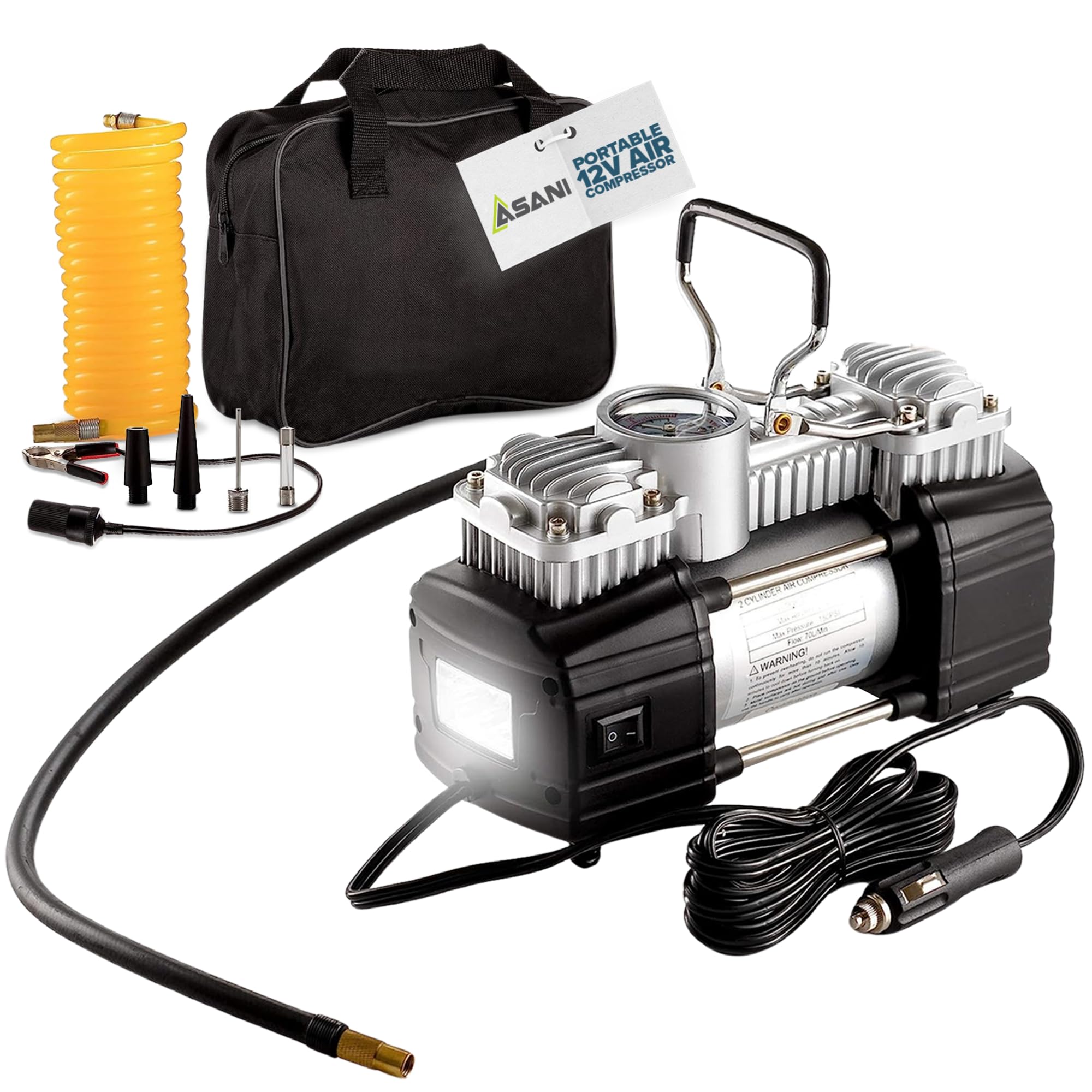
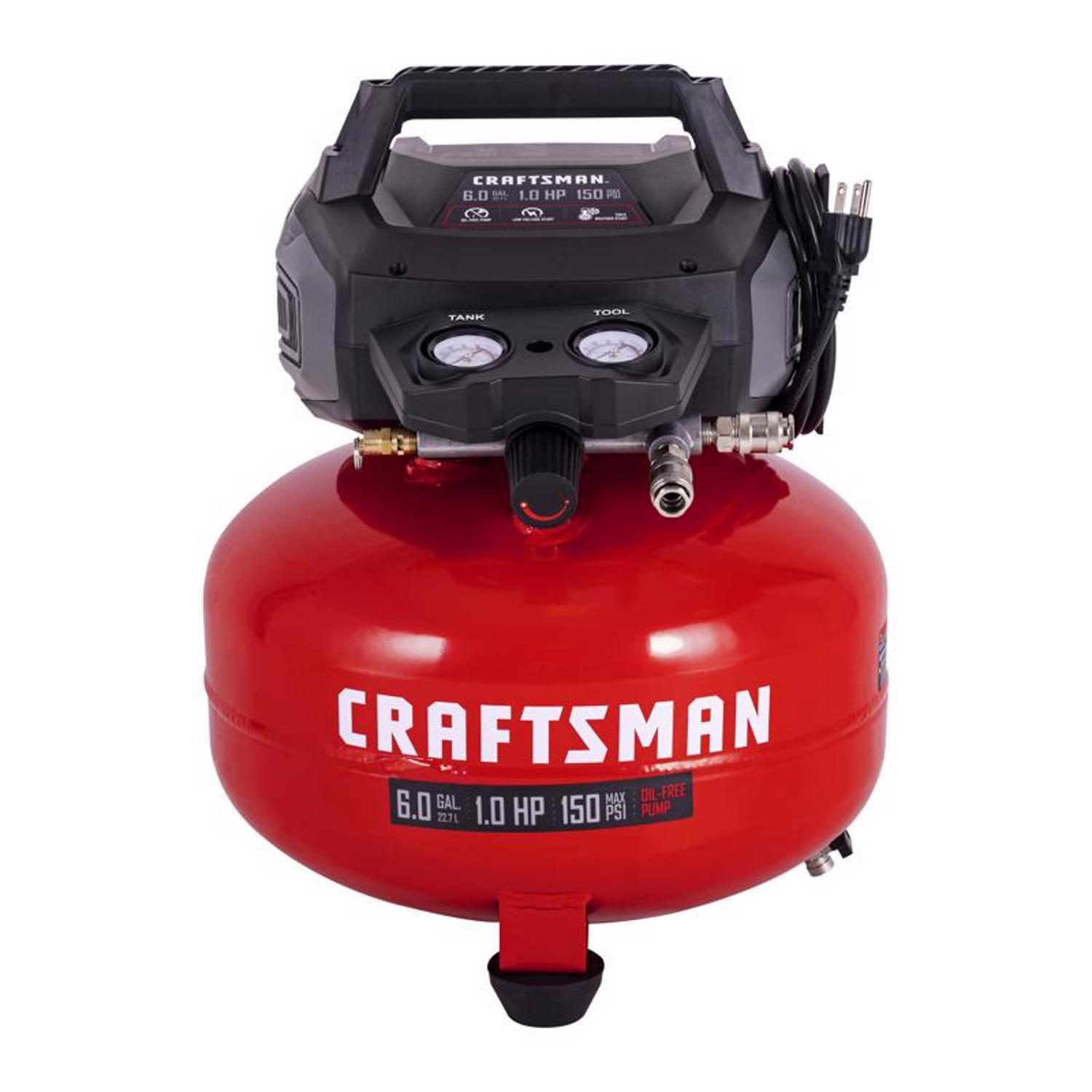
Understanding air compressor specifications requires looking beyond raw horsepower to analyze key metrics like CFM (Cubic Feet per Minute), PSI (Pounds per Square Inch), and tank capacity. By matching these performance indicators to your specific pneumatic tools and duty cycles, you can select the right equipment, prevent operational bottlenecks, and ensure long-term mechanical reliability.
Introduction to Air Compressor Specifications
Choosing the right pneumatic equipment requires looking past marketing claims and examining the core engineering metrics that define a machine's capability. Many buyers rely solely on horsepower (HP) ratings, only to discover that their new compressor cannot keep up with a continuous-use tool like a sander or a high-volume paint spray gun.
Understanding air compressor specifications means decoding the relationship between pressure, volume, and power. Whether you are outfitting a home garage for occasional automotive maintenance, managing a bustling cabinet-making shop, or specifying an industrial assembly line, deciphering metrics such as CFM, PSI, and duty cycle prevents costly mismatches.
This guide breaks down every essential metric, explains how to calculate air demand for your specific tools, evaluates the impact of tank sizes, and compares power sources to help you make an informed investment.
Decoding the Big Three: CFM, PSI, and Horsepower
To evaluate any air compressor, you must first understand the interplay between its three primary metrics: CFM, PSI, and horsepower. Each measures a fundamentally different aspect of performance, and evaluating them in isolation will lead to poor equipment selection.
PSI (Pounds per Square Inch)
PSI measures the force or pressure with which compressed air is delivered. Most standard pneumatic tools, such as brad nailers, impact wrenches, and tire inflators, operate effectively between 90 and 100 PSI.
- Maximum PSI: This indicates the upper pressure limit the compressor pump can achieve before the pressure switch shuts the motor off.
- Regulated PSI: This is the working pressure delivered downstream to your tool via the pressure regulator.
Higher PSI does not mean a tool will run better if it exceeds its manufacturer rating; in fact, over-pressurizing tools accelerates wear and creates safety hazards. Conversely, if a tool requires 90 PSI at 4 CFM, a compressor that drops below 90 PSI under load will cause the tool to stutter and stall.
CFM (Cubic Feet per Minute)
CFM measures the volume of air a compressor can deliver in a given minute. If PSI is the water pressure coming out of a hose, CFM is the volume of water flowing through it. Pneumatic tools consume varying volumes of air; while a standard pneumatic staple gun might use less than 1 CFM, a heavy-duty dual-action sander can consume 10 to 14 CFM continuously.
Evaluating CFM requires looking closely at how it is rated:
- SCFM (Standard Cubic Feet per Minute): Measured under standardized conditions (typically 68°F, 36% relative humidity, and 14.7 psia). This is the industry benchmark for comparing different compressors.
- ACFM (Actual Cubic Feet per Minute): Reflects real-world delivery under specific operating temperatures and pressures, usually lower than SCFM.
- Displacement CFM: A theoretical calculation based solely on cylinder bore size and pump RPM. This metric ignores volumetric efficiency and leakages, making it largely a marketing figure rather than a practical measure of performance. Always look for SCFM ratings at specific pressure levels (e.g., "5.2 SCFM at 90 PSI").
Horsepower (HP)
Horsepower measures the mechanical output of the electric motor or gas engine driving the compressor pump. While consumers often equate high HP with high performance, peak HP ratings on many portable consumer units are inflated through short-duration testing that does not reflect continuous running capability.
True running horsepower matters more than peak horsepower. A well-designed 2-HP industrial pump can easily outperform a poorly engineered "5-HP" consumer model because the industrial unit maintains higher volumetric efficiency and better thermal management under heavy loads.
| Metric | What It Measures | Standard Baseline for Workshop Tools | Common Misconception |
|---|---|---|---|
| PSI | Delivery pressure / force | 90 PSI | Higher PSI means the compressor pushes more total air volume. |
| CFM | Volumetric air delivery rate | Varies by tool (typically 3–10 SCFM at 90 PSI) | Horsepower dictates how much CFM a compressor produces. |
| Horsepower (HP) | Motor power output | 2 HP to 5 HP (typical workshops) | Peak marketing HP equals sustained real-world pneumatic output. |
Tank Size and Configuration Considerations
The air receiver tank acts as a reservoir, storing compressed air to smooth out pressure fluctuations and handle short bursts of high-demand tool usage. However, a common misconception is that a larger tank increases the continuous output of the compressor. The pump creates the CFM; the tank simply stores it.
Understanding Tank Capacities
- 1 to 6 Gallons: Ideal for ultra-portable, low-demand applications such as trim nailing, inflating tires, and dusting off workbenches. These units cycle on frequently because their storage capacity is small.
- 15 to 30 Gallons: Suited for serious DIYers and light automotive work. They can handle intermittent use of impact wrenches, ratchets, and light paint spraying without the motor running constantly.
- 60 to 80+ Gallons: Found in professional automotive shops and light industrial settings. These large receivers reduce motor cycling frequency and provide adequate buffer volume for sustained operations.
Tank Orientation: Vertical vs. Horizontal
- Horizontal Tanks: Provide a lower center of gravity, making wheelbarrow-style units easy to roll around a job site. However, they take up a larger footprint on the workshop floor.
- Vertical Tanks: Conserve valuable floor space in cramped shops. They require stable mounting or proper leveling feet, as their higher center of gravity makes them vulnerable to tipping if placed on uneven ground.
Duty Cycle and Thermal Management
Duty cycle is one of the most critical yet frequently overlooked air compressor specifications. It defines the percentage of time a compressor can run safely within a given 10-minute window before it must rest to cool down.
Interpreting Duty Cycle Ratings
- 50% Duty Cycle: The compressor can run for 5 minutes and must rest for 5 minutes.
- 100% Duty Cycle (Continuous Duty): Built with heavy-duty cast-iron pumps and efficient cooling fins, these units can run indefinitely without thermal overload, making them essential for commercial production lines and busy auto repair bays.
Exceeding a compressor's duty cycle causes excessive heat generation. This breaks down lubricating oil, scorches piston rings, warps valve plates, and eventually triggers the thermal overload switch or burns out the electric motor entirely.
Pump Design: Single-Stage vs. Two-Stage Compressors
The internal mechanics of the compressor pump dictate its efficiency, maximum pressure capabilities, and thermal profile.
Single-Stage Pumps
In a single-stage compressor, air is drawn into the cylinder and compressed to its final pressure in one stroke, then sent directly to the tank.
- Maximum Pressure: Typically limited to 115 to 135 PSI.
- Best For: Light-to-medium residential and contractor applications where high pressure is unnecessary.
Two-Stage Pumps
In a two-stage compressor, air is drawn into a large low-pressure cylinder, compressed partially, passed through an intercooler tube to reduce its temperature, and then compressed a second time in a smaller high-pressure cylinder.
- Maximum Pressure: Easily reaches 175 PSI or higher.
- Efficiency: Because cooling the air between stages requires less energy, two-stage units are significantly more energy-efficient when delivering high volumes of air at elevated pressures.
- Best For: Industrial applications, commercial shops, and running high-demand pneumatic tools continuously.
Power Sources: Electric, Gas, and Battery-Powered Units
Choosing the right power source depends entirely on your working environment and access to utility infrastructure.
Electric Compressors (120V vs. 230V/240V)
Electric motors are clean, quiet, and require minimal maintenance, making them the standard choice for indoor workshops.
- 120V Units: Plug into standard household outlets. They are limited by standard circuit breaker amperages (typically drawing up to 15 amps), which caps their practical output around 2 HP and 4–5 CFM at 90 PSI.
- 230V/240V Units: Require dedicated heavy-duty electrical wiring. They deliver higher horsepower, greater CFM output, and improved efficiency without tripping standard workshop breakers.
Gas-Powered Compressors
Designed for remote job sites, roofing contractors, and mobile service trucks where electrical grid access is unavailable. These units feature internal combustion engines that belt-drive the compressor pump. Proper ventilation is mandatory to prevent carbon monoxide accumulation when operating gas compressors.
Cordless Lithium-Ion Compressors
Emerging battery-powered micro-compressors excel at ultra-portable tasks like finish nailing and emergency tire inflation. While convenient, their runtime and CFM output are strictly limited by battery capacity, ruling them out for continuous high-volume tool operation.
How to Calculate Your Air Consumption Requirements
Purchasing a compressor without calculating your actual air tool consumption leads to frustration and premature equipment failure. Follow this systematic approach to determine your facility's requirements:
- List Every Tool: Identify all the pneumatic tools you plan to run simultaneously.
- Check Tool CFM Ratings: Look up the SCFM rating for each tool at 90 PSI (or the manufacturer's specified operating pressure).
- Account for Simultaneous Use: In a hobby shop, you rarely run more than one tool at a time. In a commercial shop, multiple technicians might operate tools concurrently. Sum the CFM requirements of all tools that will run at the exact same time.
- Apply the Safety Margin: Multiply your total combined CFM requirement by 1.25 to 1.5 (a 25% to 50% safety buffer). This accounts for system air leaks, worn tool efficiencies, pressure drops across long airline runs, and prevents the compressor motor from running at maximum capacity 100% of the time.
Noise Levels and Environmental Factors
Air compressors are notoriously loud, making noise metrics an important specification—especially for residential workshops or indoor commercial spaces.
- Decibel (dB) Ratings: Standard oil-lubricated cast-iron direct-drive or belt-drive compressors typically operate between 75 dB and 90 dB, comparable to a loud lawnmower or heavy traffic.
- Quiet/Ultra-Quiet Compressors: Newer models feature enclosed pump designs, dual-piston low-RPM motors, and sound-dampening shrouds that drop noise levels below 60 dB. This allows conversation in the workspace without hearing protection.
- Oil-Lubricated vs. Oil-Free: Oil-lubricated pumps last significantly longer and run quieter because oil reduces friction and dampens mechanical vibration. Oil-free pumps utilize Teflon-coated rings and are lighter, but they wear out faster and produce a high-pitched operational noise.
Common Specification Pitfalls to Avoid
Navigating manufacturer spec sheets requires vigilance. Watch out for these common marketing traps:
- Peak Horsepower Fallacy: Ignoring running HP in favor of inflated peak HP numbers. Always check the running amperage on the motor nameplate.
- Ignoring Pressure Drops: Failing to account for PSI loss over long hose runs or through restrictive quick-disconnect fittings and undersized piping.
- Displacement vs. Delivery CFM: Purchasing a unit based on piston displacement rather than actual SCFM delivered at 90 PSI.
- Neglecting Ambient Conditions: Operating compressors in high-ambient-temperature environments without upgrading cooling capacity, leading to thermal shutdowns and premature pump failure.
Troubleshooting Low Air Pressure and Volume
If your compressor meets the theoretical specifications but your tools still lack power, investigate these common operational bottlenecks:
- Restricted Airflow: Check for collapsed inner hose linings, undersized quick-connect fittings (e.g., using 1/4-inch fittings when 3/8-inch is required for high-CFM tools), or clogged intake filters.
- Pressure Switch Miscalibration: Inspect the cut-in and cut-out pressure settings. If the pressure switch cuts out at 80 PSI instead of 125 PSI, your effective working volume drops sharply.
- Unloader Valve Malfunctions: If the check valve leaks, high-pressure air bleeds back into the pump head, preventing the motor from restarting under load.
- Excessive Moisture: High humidity combined with warm compressed air creates condensation. If moisture is not drained daily from the tank via the petcock valve, rust develops internally and water contaminates downstream paint guns and air tools.
Frequently Asked Questions
What is the difference between SCFM and ACFM?
SCFM measures air delivery under standardized laboratory conditions, allowing direct comparison between different compressor brands. ACFM measures actual air delivery under real-world operating conditions, which vary based on temperature, altitude, and intake pressure. Always use SCFM ratings when matching a compressor to tool requirements.
Why does my air compressor keep tripping the circuit breaker?
This is typically caused by drawing more current than the circuit can handle. It often happens when running a heavy-duty compressor on a shared 120V household circuit, during cold weather when thick oil makes the pump hard to turn over, or if there is an electrical fault in the motor winding or pressure switch.
Do I need an oil-lubricated or oil-free air compressor?
Oil-lubricated compressors last significantly longer, run quieter, and handle heavier duty cycles, making them ideal for workshops and industrial environments. Oil-free compressors are lighter, require no maintenance regarding oil changes, and prevent oil contamination, making them popular for finish carpentry and medical or laboratory applications where pure air is mandatory.
How often should I drain my air compressor tank?
You should drain the condensation from your air receiver tank at the end of every working day. Leaving water inside the tank promotes internal rust, weakens the structural integrity of the steel vessel, and forces moisture through your air lines to ruin pneumatic tools and paint finishes.
Can I use an extension cord with my air compressor?
Generally, no. Electric air compressor motors draw massive startup currents. Running them through standard extension cords causes a voltage drop across the wire, leading to motor overheating, nuisance breaker trips, and permanent motor burnout. If an extension cord is unavoidable, consult the manufacturer manual for strict gauge and length requirements.
Conclusion
Mastering air compressor specifications allows you to cut through marketing noise and select equipment engineered for your exact operational demands. By carefully evaluating CFM delivery at required PSI levels, matching tank capacity to your workflow, respecting duty cycles, and planning for proper electrical infrastructure, you ensure reliable performance and protect your tool investment for years to come.