Navigating the landscape of life insurance requires balancing financial stability with policy features, and the AIG life insurance review with NerdWallet provides a structured, third-party assessment of the company’s offerings. NerdWallet’s evaluation typically focuses on AIG’s financial strength, product variety—specifically its proprietary American General Life Insurance Company policies—customer satisfaction ratings, and the accessibility of its digital application process.
The Role of Third-Party Reviews in Life Insurance Decisions
When you search for an "AIG life insurance review with NerdWallet," you are looking for an objective filter to evaluate one of the largest insurance organizations in the world. Life insurance is a long-term contract; unlike a consumer electronics purchase, the quality of an insurer is measured by its solvency over decades and its responsiveness during the claims process.
NerdWallet functions as an aggregator and evaluator, providing a standardized rubric that allows potential policyholders to compare AIG against other national carriers. Their reviews generally synthesize data from regulatory filings, consumer complaint databases—such as those maintained by the National Association of Insurance Commissioners (NAIC)—and the company’s own published policy provisions. By using this framework, you can move beyond marketing materials to see how AIG performs in areas like underwriting speed, medical exam requirements, and the availability of riders (add-ons that customize your coverage).
Identifying the Subject: AIG and American General
It is essential to clarify that when you investigate "AIG life insurance," you are primarily interacting with the life insurance subsidiaries of American International Group, Inc. In the United States, the life insurance products are generally underwritten by American General Life Insurance Company (AGL) and, in some jurisdictions, The United States Life Insurance Company in the City of New York (US Life).
NerdWallet’s review process correctly identifies these entities, as the policyholder’s contract is legally bound to the specific insurance carrier rather than the parent holding company. Understanding this distinction is vital because AIG as a massive multinational entity has a broad portfolio, but your security is tied specifically to the claims-paying ability of the subsidiary that issues your policy.
Core Components of the NerdWallet Evaluation
When consulting a review, it is helpful to understand the metrics that professional financial reviewers use to score an insurer like AIG. These metrics serve as a proxy for the reliability of the company.
Financial Strength Ratings
Financial stability is the most critical factor in life insurance. Because these policies are designed to pay out decades into the future, the insurer must demonstrate consistent fiscal health. NerdWallet and other independent reviewers look at ratings from agencies like A.M. Best, Moody’s, and Fitch. These organizations analyze the company's capital reserves, investment strategy, and liability management to assign a grade reflecting the likelihood of the company meeting its obligations. AIG consistently maintains strong financial strength ratings, which is a foundational element in their positive review scores.
Product Diversity and Policy Types
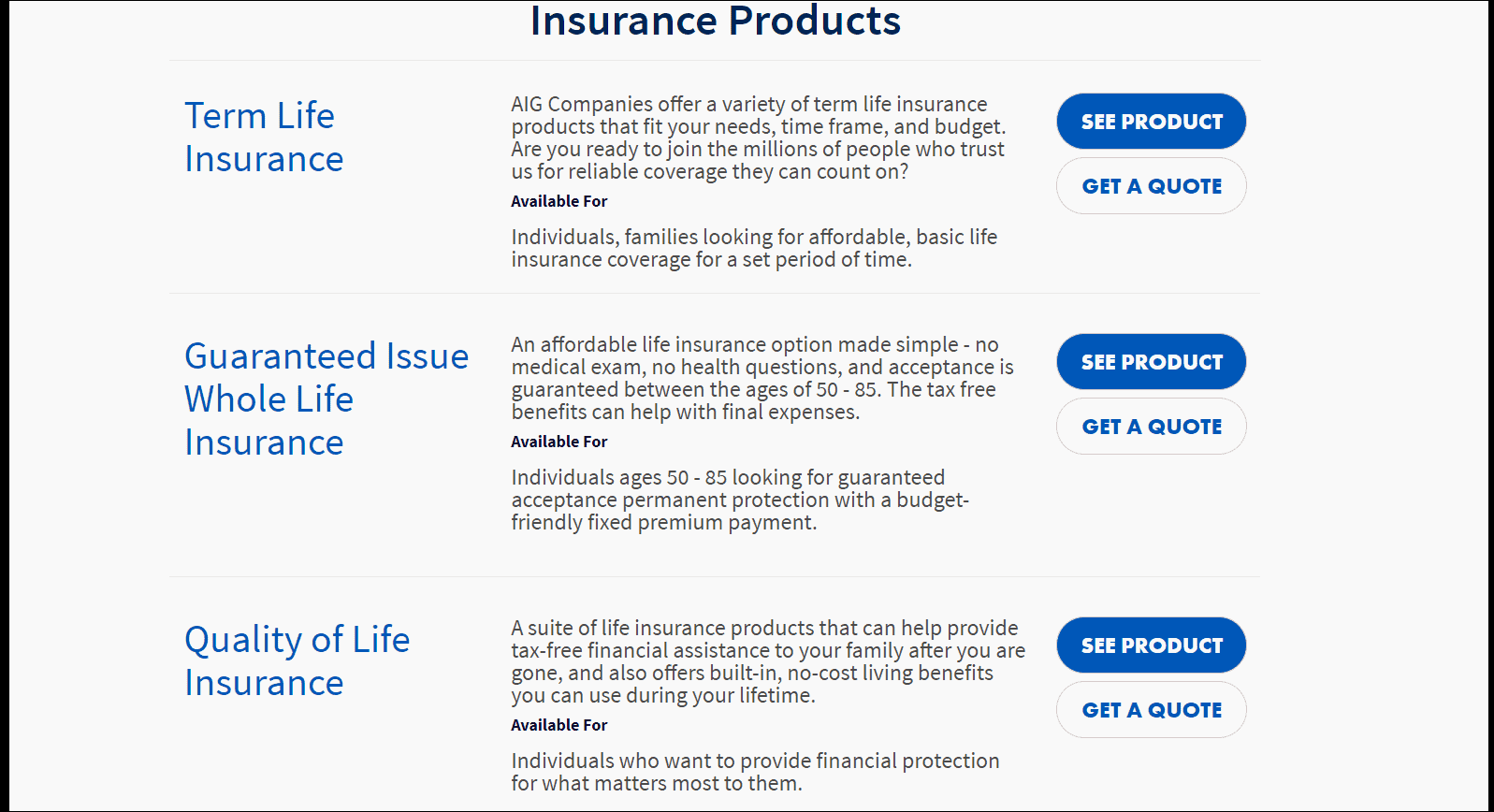
AIG is known for a robust portfolio that spans several categories of life insurance. The NerdWallet review usually breaks these down into:
- Term Life Insurance: Coverage for a specific period, typically offering the most affordable premiums for death benefit protection.
- Universal Life Insurance: A flexible permanent policy that allows for adjustable premiums and death benefits, often including a cash-value component.
- Index Universal Life (IUL): A form of permanent insurance where the cash value growth is tied to the performance of a market index, such as the S&P 500, offering potential for higher returns alongside risks.
- Variable Universal Life (VUL): Policies where cash value is invested in sub-accounts resembling mutual funds, requiring a higher tolerance for market volatility.
Complaint Ratios and Customer Experience
The NAIC maintains a database of consumer complaints relative to the size of an insurance company’s market share. This "complaint ratio" is a standard metric in NerdWallet reviews. A company with a lower-than-average complaint ratio is generally viewed as having a more efficient and fair claims and customer service operation. NerdWallet evaluates how easily a consumer can manage their policy, update beneficiaries, or access customer support, as these operational details dictate the ease of the policyholder experience.
Comparing AIG to Industry Competitors
A central part of the NerdWallet review experience is the ability to place AIG in context. While AIG offers a wide array of permanent life insurance options, other carriers might specialize in simplified underwriting or specific niches like high-net-worth estate planning.
| Feature | AIG / American General | Industry Standard for Top Carriers |
|---|---|---|
| Financial Strength | Typically A or higher | A or higher |
| Term Policy Availability | Extensive options | Common across most carriers |
| Permanent Product Depth | High (IUL, VUL, Whole) | Varies; some focus only on Whole |
| Digital Underwriting | Accelerated process available | Becoming standard for healthy applicants |
| Customer Complaint Level | Generally industry-average | Lower is better |
When reviewing this table, consider your specific needs. If you are seeking a straightforward term policy, AIG’s financial stability is a major asset. If you are seeking a complex permanent policy for estate tax planning, their diversity of products is a distinct advantage.
Prerequisites for Applying for AIG Coverage
Before proceeding with an application based on an online review, understand that the "best" insurer for the public may not be the "best" insurer for your specific health profile. AIG’s underwriting guidelines are specific. When you move to the application phase, you will encounter several requirements:
- Medical Underwriting: Unless you qualify for an "accelerated" or "no-exam" path, AIG will likely require a paramedical exam. This involves a nurse visiting you to collect vitals (blood pressure, height/weight) and biological samples (blood and urine).
- Financial Disclosure: For high-value policies, AIG may require proof of income or a net worth statement to justify the amount of coverage applied for, a practice known as "insurable interest."
- Application Accuracy: Any discrepancy between your application and your medical records can lead to a delay in approval or a denial of coverage. NerdWallet’s guides often emphasize that honesty is the best policy, as AIG—like all insurers—will verify health data via the MIB (Medical Information Bureau) and pharmacy benefit databases.
Interpreting Pros and Cons in the Context of 2026
In 2026, the life insurance industry continues to emphasize digital transformation. AIG has invested in platforms that reduce the time between application and policy issuance. However, reviewers often point to consistent pros and cons that remain relevant.
The Pros:
- Global Brand Recognition: The scale of AIG provides a level of institutional permanence that smaller, niche carriers may lack.
- Flexible Permanent Options: AIG offers a suite of universal life products that can be customized to serve as both insurance and a potential, albeit long-term, financial asset.
- Competitive Pricing for Certain Demographics: Through their tiered underwriting classes, healthy individuals may find that AIG’s rates are highly competitive, especially for larger face amounts.
The Cons:
- Complexity of Permanent Policies: Products like Variable Universal Life are complex financial instruments. NerdWallet often cautions that these require a significant understanding of market risks and fees.
- Customer Service Variability: As with many large global insurers, customer service experiences can be inconsistent depending on the department or the specific type of policy held.
- Strict Underwriting for Pre-existing Conditions: AIG’s guidelines can be rigid. If you have chronic health issues, their automated underwriting systems may steer you toward a more expensive "table rating" or a denial, whereas other specialized carriers might be more lenient.
Frequently Asked Questions (FAQ)
Does AIG offer term life insurance without a medical exam? Yes, AIG offers accelerated underwriting programs for qualified applicants. This allows many individuals to bypass the traditional medical exam if their digital application and health data meet specific criteria. However, if your medical history is complex, the company will revert to traditional full-underwriting, which requires a medical exam.
How does NerdWallet determine their AIG rating? NerdWallet calculates ratings based on a weighted scoring system that incorporates financial strength ratings from major agencies (A.M. Best, Moody's, etc.), the NAIC complaint index, the transparency of the product offerings, and the ease of the online user interface. They do not accept payment to influence these ratings, which is why they are considered a neutral third party.
Should I buy life insurance directly from AIG or through a broker? While you can purchase directly, many financial advisors recommend using an independent broker who can compare AIG’s quotes against those of other carriers. An independent broker can provide a "needs analysis" to determine if AIG’s specific product suite aligns with your unique financial goals, ensuring you aren't over-insuring or under-insuring yourself.
Is AIG life insurance good for seniors? AIG offers products that can be attractive to older adults, particularly those interested in universal life policies for legacy planning or estate liquidity. However, premiums for seniors are significantly higher. It is essential to weigh the benefit of the policy against the total premiums paid over the life of the policy to ensure the math remains sound.
How do I verify the current financial rating of my AIG policy? You can visit the A.M. Best or Fitch Ratings websites and search for the specific American General insurance subsidiary that issued your policy. These ratings are updated periodically and reflect the company's current ability to meet long-term insurance obligations.
Making an Informed Decision
An "AIG life insurance review with NerdWallet" serves as a starting point, not the final word. Your decision should be guided by a comprehensive review of your own financial landscape—your debts, your dependents, and your long-term goals. Once you have read the review, your next action should be to consult with a licensed, independent life insurance agent. Request a personalized quote based on your specific health information to see if the theoretical benefits highlighted in the review translate into a practical, affordable policy for your unique situation.
Always review the policy’s prospectus and the summary of benefits provided by the company before signing. Life insurance is a commitment, and ensuring that you understand the terms, the cash-value fluctuations (in the case of permanent policies), and the premium structure is the most important step in protecting your family's future.