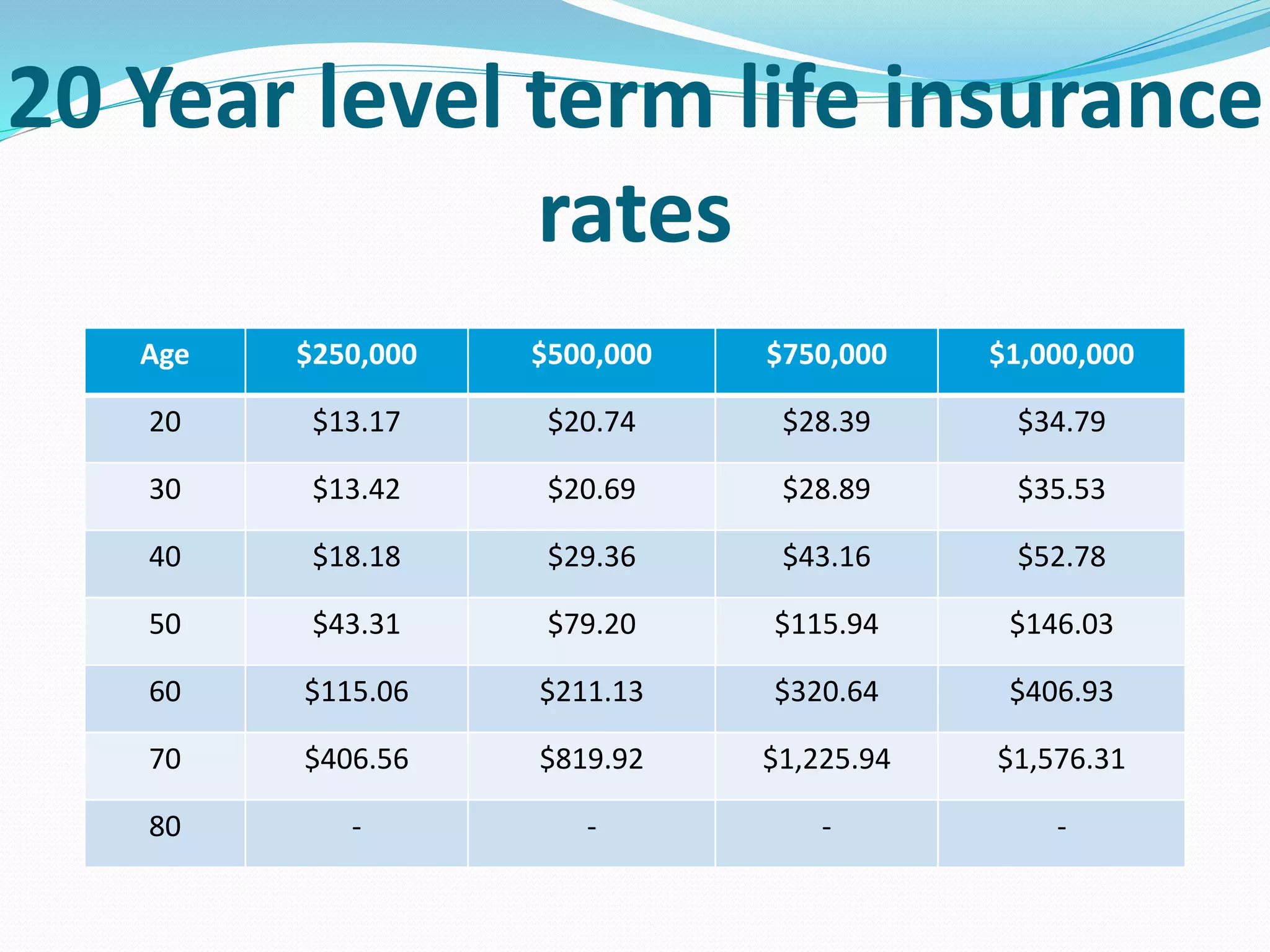
Most insurance providers set an upper age limit for issuing new term life insurance policies, typically ranging between 70 and 85 years old. Eligibility depends on the specific carrier, the requested term length, and your personal health profile. While older applicants face higher premiums and stricter underwriting requirements, options remain available for those seeking coverage well into their senior years.
Understanding Term Life Insurance Age Constraints
Term life insurance is designed to provide financial protection for a specific period—typically 10, 15, 20, or 30 years. Because the risk of mortality increases as an individual ages, insurance companies utilize age bands to determine eligibility. When you apply for a policy, the "issue age"—the age you are at the time the policy is finalized—is the primary metric underwriters use to decide if you qualify for a specific term length.
In 2026, the marketplace offers varying cutoffs based on the risk appetite of the insurer. While many mainstream carriers cap new term policies at age 70 or 75, specialized insurers catering to the "silver market" may extend these limits to 80 or 85. It is crucial to understand that these limits refer to the age at which you can start a new policy, not necessarily the age at which your coverage must end, though some policies do contain "expiry ages" where the term is forced to conclude.
Why Insurers Impose Age Limits
The primary driver behind age limits is actuarial science. Insurance companies rely on data-driven mortality tables to estimate the likelihood of a claim being filed during the life of the policy. As an applicant advances in age, the probability of health complications increases, making it statistically more expensive to insure them.
Beyond the raw probability of death, insurance companies must balance the cost of coverage against the duration of the policy. A 20-year term policy issued to an 80-year-old would extend coverage to age 100, a duration that carries significant financial risk for the insurer. To manage this, many companies "ladder" their offerings: they might allow a 75-year-old to purchase a 10-year term but restrict them from purchasing a 20-year or 30-year term.
Factors Influencing Eligibility Beyond Age
While your age is a binary gatekeeper for the application process, the underwriting process is where the actual decision is made. Even if you are within the permissible age limit, your eligibility for a standard rate depends on several critical variables:
- Medical History: Chronic conditions such as heart disease, diabetes, or a history of cancer are weighted more heavily for older applicants.
- Current Medications: Reliance on certain pharmaceuticals can influence your risk class, which in turn affects your premiums.
- Lifestyle Factors: Habits such as smoking or nicotine use have a compounding effect when combined with advanced age, often making standard term life insurance prohibitively expensive or unavailable.
- Driving Record: High-risk driving behavior, such as multiple moving violations or DUI convictions, may lead to an automatic decline in coverage, regardless of age.
- Financial Need: Insurers require you to demonstrate an "insurable interest," meaning your death would cause a measurable financial loss to your beneficiaries. Applying for an excessive amount of coverage relative to your income or estate size may trigger additional scrutiny.
Comparison of Coverage Options by Age Group
The following table illustrates typical availability for term life insurance based on current industry standards. Please note that these are generalizations; individual carrier guidelines vary significantly.
| Applicant Age | Typical Max Term Available | Underwriting Intensity | Availability |
|---|---|---|---|
| 40–50 | 30 Years | Standard | High |
| 51–60 | 20–30 Years | Moderate | High |
| 61–70 | 10–20 Years | High | Moderate |
| 71–80 | 5–10 Years | Very High | Low to Moderate |
| 81+ | 5 Years or None | Extreme | Rare |
The Underwriting Process for Seniors
If you are applying for term life insurance at an older age, you will likely encounter a more rigorous application process than a younger applicant. This often involves a "paramedical exam," which is a health screening conducted by a medical professional. This exam usually includes:
- Vitals Check: Measuring height, weight, pulse, and blood pressure.
- Blood and Urine Analysis: Screening for cholesterol levels, liver function, blood sugar, and presence of nicotine or illicit substances.
- Medical History Interview: A deep dive into your records, including past surgeries, hospitalizations, and prescriptions.
For those who prefer to avoid the needle and the physical examination, "simplified issue" or "no-exam" term life insurance is available. However, these policies often have lower death benefits, higher premiums, and a "graded death benefit" clause, which means the full policy amount may not be paid out if you pass away within the first two or three years of the policy.
Alternatives When Term Life Insurance Limits are Exceeded
If you have passed the age limit for a traditional term life policy, or if the premiums have become unaffordable, you are not necessarily without options. Several alternatives can provide financial security for your dependents:
1. Final Expense Insurance (Burial Insurance) These are small, whole-life policies designed specifically to cover funeral costs and minor end-of-life debts. They typically have much higher age limits—often up to 85 or 90—and involve very simplified underwriting.
2. Guaranteed Universal Life (GUL) GUL policies act like a hybrid between term and whole life insurance. They provide a fixed premium and a guaranteed death benefit, often up to age 100 or 120. While more expensive than term, they offer longer-term security for those who need it.
3. Group Life Insurance If you are still working, your employer may offer group life insurance as a benefit. These policies often have less stringent age requirements than individual market policies, and sometimes they require no medical underwriting at all.
4. Policy Renewals and Conversions If you already hold a term policy that is approaching its expiration, check the "conversion" or "renewal" clauses. Many term policies allow you to convert to a permanent life insurance policy without requiring a new medical exam, which is a powerful way to retain coverage if your health has declined.
Common Mistakes to Avoid
When shopping for coverage as an older adult, avoid these frequent pitfalls:
- Waiting too long to apply: The cost of premiums rises annually. If you know you need coverage, applying sooner rather than later is almost always more cost-effective.
- Failing to disclose medical history: Any omission on your application can lead to a denial of a future claim by your beneficiaries. Always be transparent.
- Ignoring the "Conversion Option": Many people let a term policy expire, not realizing they could have transitioned it to a permanent policy that offers lifelong coverage.
- Over-insuring: Carefully calculate your actual financial needs—such as outstanding mortgage balances or income replacement—rather than picking a round number like $1,000,000, which might trigger unnecessary underwriting hurdles.
Professional Guidance and Legal Limitations
Financial and insurance products are governed by state-level regulations in many jurisdictions. The information provided here is for educational purposes and does not constitute financial, legal, or medical advice. Because individual health profiles and financial circumstances are unique, it is highly recommended to consult with a licensed independent insurance agent. An independent agent can compare policies from multiple carriers, helping you identify those that are more lenient regarding age or health conditions.
Always request a copy of the policy’s "prospectus" or "specimen contract" before signing. This document contains the precise language regarding age limits, benefit payouts, and exclusion clauses, providing you with the exact rules governing your coverage.
Frequently Asked Questions
Can I get a 30-year term policy at age 65? Generally, no. Most carriers limit 30-year term policies to individuals aged 50 to 55 and under. At age 65, your options are typically restricted to 10-year or 15-year terms, as insurers do not want to carry the mortality risk into the applicant's 90s.
Will my premiums increase if I get older while my policy is active? No. In a standard term life insurance policy, your premiums are "level," meaning they are guaranteed to remain the same for the entire duration of the term, regardless of how your health changes or how much older you get.
Is a medical exam always required for older applicants? It depends on the policy size and the carrier. While many policies for older individuals require a paramedical exam, some "simplified issue" policies do not. Be aware that policies without an exam usually come with higher premiums for the same amount of coverage.
What happens if I outlive my term policy? Once your term expires, the coverage ends. You will no longer pay premiums, but you will no longer have a death benefit. If you still need coverage, you may be able to renew the policy at a significantly higher premium or convert it to a permanent plan, depending on the contract’s original terms.
Do I need an agent to find age-friendly policies? While you can research online, using a licensed independent broker is highly beneficial. They have access to the specific "niche" guidelines of various insurance companies and can identify which carriers are currently more favorable to older applicants, saving you the time of applying to companies that would likely deny you based on age alone.
Next Steps for Securing Coverage
If you are ready to explore your options, begin by documenting your specific financial needs. Determine the amount of debt you wish to cover and the number of years you truly need the protection. Next, reach out to a reputable, independent life insurance broker. Request a "needs analysis" and ask specifically for quotes from carriers known for higher age-limit thresholds. When you apply, have your medical records and a list of all current medications ready to ensure the underwriting process proceeds as smoothly as possible.