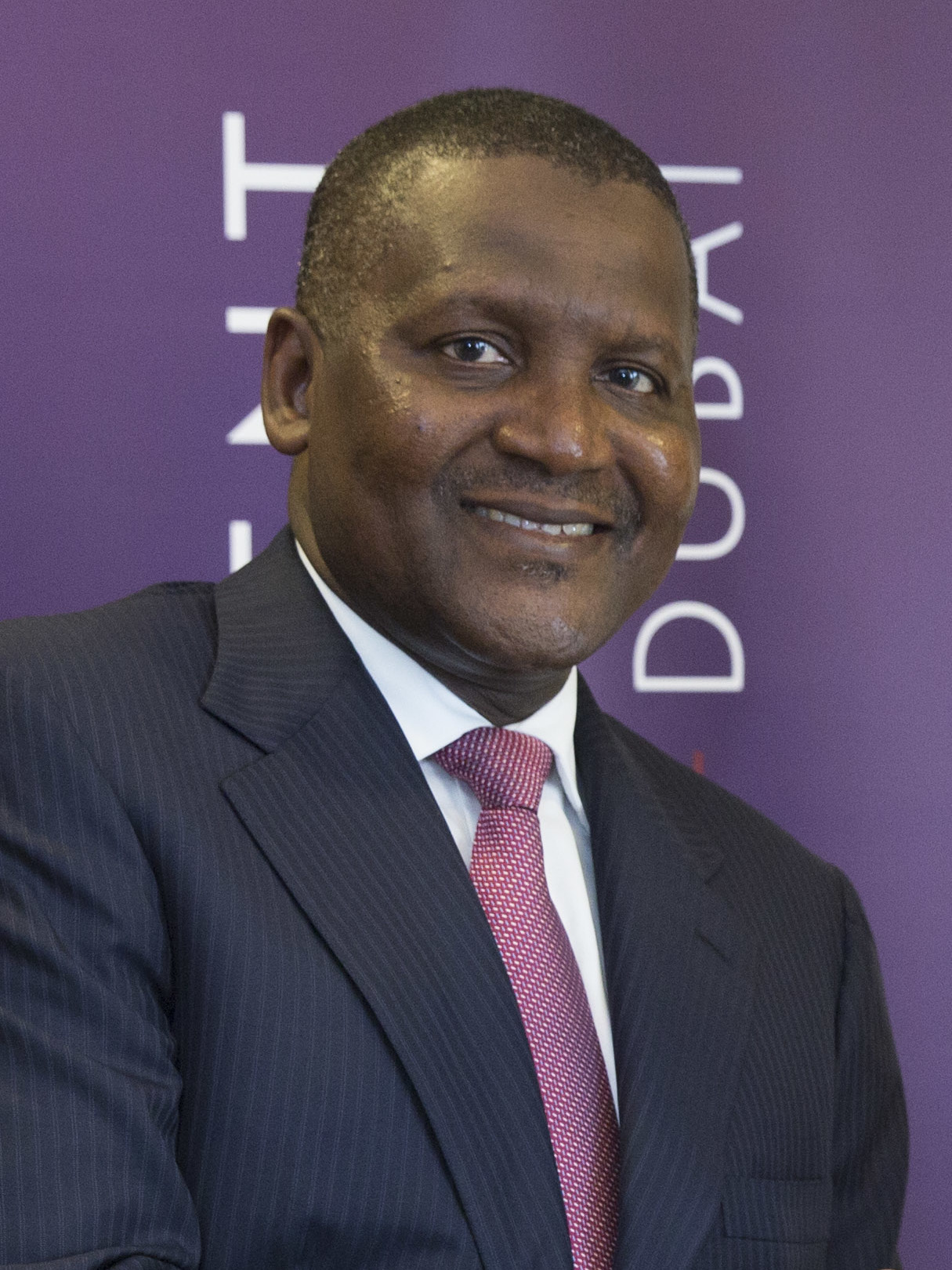
As of 2026, the landscape of African billionaires and their net worth reflects a complex interplay between industrial expansion, global commodity fluctuations, and resilient consumer markets. The continent’s wealthiest individuals, led by titans like Aliko Dangote and Johann Rupert, currently command a collective fortune exceeding $85 billion, primarily driven by investments in cement, luxury goods, mining, and telecommunications.
The State of Extreme Wealth in Africa in 2026
The accumulation of wealth among Africa’s elite has undergone a significant transformation over the last decade. In 2026, we see a shift from traditional extraction-based fortunes toward diversified industrial conglomerates and technology-driven enterprises. While South Africa and Nigeria remain the primary hubs for billionaire activity, emerging markets in North Africa and East Africa are increasingly producing high-net-worth individuals who leverage regional trade agreements and digital transformation.
The primary driver of net worth for many of these individuals remains their ability to scale operations across multiple borders. The maturation of the African Continental Free Trade Area (AfCFTA) has allowed billionaires to consolidate their market share in sectors such as construction materials, fast-moving consumer goods (FMCG), and financial services. However, this wealth remains highly sensitive to currency volatility, particularly the fluctuations of the Nigerian Naira and the South African Rand against the US Dollar.
Top African Billionaires and Their Economic Impact
Understanding the specific holdings and strategic maneuvers of the continent's wealthiest figures provides insight into the broader African economy. These individuals do not merely hold passive wealth; they are often the primary drivers of infrastructure and industrialization in their respective nations.
Aliko Dangote: The Industrial Titan
Aliko Dangote continues to hold a prominent position at the summit of African wealth. As the founder of Dangote Industries, his net worth in 2026 is heavily anchored by Dangote Cement, the largest producer in Sub-Saharan Africa. The completion and full-scale optimization of the Dangote Refinery have been the most significant catalysts for his valuation in recent years.
By 2026, the refinery has moved beyond initial production phases to become a critical hub for petroleum products and petrochemicals, reducing Nigeria’s dependence on fuel imports. This vertical integration—from raw resource processing to distribution—insulates his wealth from some of the shocks typical of the raw commodity market. His strategy involves aggressive expansion into regional markets, ensuring that his revenue streams are diversified across multiple African currencies.
Johann Rupert and Family: Luxury and Diversification
Johann Rupert’s wealth is fundamentally different in origin and structure compared to West African industrial magnates. As the chairman of Compagnie Financière Richemont, his fortune is tied to the global luxury goods market. Richemont owns prestigious brands such as Cartier, Montblanc, and Van Cleef & Arpels.
In 2026, Rupert’s net worth has benefited from the sustained demand for "hard luxury" (jewelry and watches) in Asian and North American markets. Unlike industrialists who face localized logistical hurdles in Africa, Rupert’s wealth is globally distributed, making his net worth more stable during periods of domestic economic instability in South Africa. His investment vehicle, Remgro, also provides him with exposure to South Africa’s banking, healthcare, and media sectors.
Nicky Oppenheimer: The Legacy of Mining and Private Equity
The Oppenheimer family, formerly the leaders of the De Beers diamond empire, represents the transition of African wealth from direct mining to sophisticated private equity and venture capital. After selling their stake in De Beers to Anglo American in 2012, Nicky Oppenheimer has focused on Tana Africa Capital, a private equity fund that invests in African consumer goods and agriculture.
In 2026, Oppenheimer’s net worth remains highly liquid compared to his peers. His strategy focuses on the "rising African middle class," investing in companies that provide essential services and products to a growing urban population. This shift from extractive industries to consumer-focused private equity highlights a broader trend in how legacy wealth is being preserved and grown on the continent.
Nassef Sawiris: North Africa’s Construction and Investment Powerhouse
Nassef Sawiris is the wealthiest individual in Egypt and a key player in the global construction and fertilizer industries. Through OCI N.V. and Orascom Construction, Sawiris has capitalized on global infrastructure booms and the rising demand for nitrogen-based fertilizers.
His net worth is also bolstered by a significant stake in Adidas and his involvement in professional sports ownership. In 2026, Sawiris’s portfolio is a prime example of a "global-local" strategy, where the capital generated from African infrastructure projects is reinvested into high-growth international equities.
Comparative Analysis of African Billionaires (2026 Estimates)
The following table summarizes the primary wealth drivers and estimated net worth for the leading billionaires in Africa for the current 2026 period.
| Name | Country | Primary Industry | Est. Net Worth (USD) | Key Asset |
|---|---|---|---|---|
| Aliko Dangote | Nigeria | Manufacturing/Oil | $14.5 Billion | Dangote Cement, Dangote Refinery |
| Johann Rupert | South Africa | Luxury Goods | $11.8 Billion | Richemont, Remgro |
| Nicky Oppenheimer | South Africa | Diamonds/Finance | $9.2 Billion | Tana Africa Capital |
| Nassef Sawiris | Egypt | Construction/Invest. | $8.7 Billion | OCI N.V., Adidas Stake |
| Abdulsamad Rabiu | Nigeria | Cement/Sugar | $6.9 Billion | BUA Group |
| Mike Adenuga | Nigeria | Telecoms/Oil | $6.5 Billion | Globacom, Conoil |
| Issad Rebrab | Algeria | Industrial | $4.8 Billion | Cevital |
| Patrice Motsepe | South Africa | Mining | $2.9 Billion | African Rainbow Minerals |
Sector-Specific Drivers of African Wealth
To understand how these billionaires maintain their net worth, one must analyze the sectors that consistently produce high returns within the African context.
The Role of Infrastructure and Cement
Infrastructure remains the backbone of wealth creation in Africa. As nations urbanize, the demand for cement and steel is insatiable. Billionaires like Aliko Dangote and Abdulsamad Rabiu have capitalized on this by creating massive manufacturing footprints that benefit from high entry barriers and economies of scale. In 2026, the profitability of these firms is increasingly linked to energy efficiency and the ability to source raw materials locally, bypassing the high costs of logistics and import duties.
Telecommunications and Digital Services
Telecommunications is the second pillar of African wealth. Figures like Mike Adenuga (Globacom) have built fortunes by providing the essential connectivity that powers the continent’s digital economy. By 2026, these telcos have evolved into fintech giants. The integration of mobile money services within telecommunications networks has created a "sticky" ecosystem where users rely on the same provider for both communication and financial transactions, leading to high margins and consistent cash flow.
Mining and Commodities
While the world moves toward a green energy transition, Africa’s mineral wealth—including cobalt, lithium, and platinum group metals—continues to sustain the fortunes of billionaires like Patrice Motsepe. In 2026, the focus has shifted toward the "responsible sourcing" of these minerals. Billionaires in this sector are reinvesting their profits into renewable energy projects to power their mines, thereby lowering operational costs and meeting global ESG (Environmental, Social, and Governance) standards.
Factors Influencing Net Worth Volatility
The net worth of African billionaires is notably more volatile than that of their counterparts in Europe or North America. Several systemic factors contribute to this:
- Currency Devaluation: Most African billionaires hold assets denominated in local currencies, but their net worth is reported in US Dollars. Significant devaluations of the Naira, Rand, or Egyptian Pound can result in "paper losses" of billions of dollars overnight, even if the underlying business is performing well.
- Regulatory Shifts: Changes in government policy regarding trade, import bans, or taxation can have an immediate impact on billionaire valuations. Business empires that are closely aligned with national development goals tend to be more resilient, but they are also more exposed to political transitions.
- Global Commodity Prices: For those in the oil, mining, and sugar industries, global price fluctuations remain a constant risk. Diversification into value-added manufacturing (such as refining sugar or oil rather than just exporting raw materials) is the primary strategy used in 2026 to mitigate this volatility.
Future Outlook: The Rise of Tech Billionaires
While the current list is dominated by industrial and commodity magnates, 2026 marks a turning point where founders of African "unicorns" (startups valued at over $1 billion) are beginning to enter the billionaire conversation. Companies in the fintech, e-logistics, and renewable energy sectors are scaling rapidly across West and East Africa.
Unlike the traditional billionaires who own physical assets like factories and mines, these new entrants hold wealth in equity valuations based on user growth and market disruption. While few have yet surpassed the $1 billion individual threshold in liquid net worth, their influence on the continent's economic direction is growing, and they are expected to dominate the lists by the 2030s.
Frequently Asked Questions
Who is the richest person in Africa in 2026?
Aliko Dangote remains the richest person in Africa as of 2026. His wealth is primarily derived from his majority stake in Dangote Cement and his massive integrated oil refinery in Lagos, Nigeria. His ability to maintain the top spot is attributed to the essential nature of his products—cement and fuel—which remain in high demand regardless of minor economic downturns.
How do African billionaires protect their wealth from currency inflation?
Billionaires often protect their net worth by diversifying their holdings internationally and investing in "hard assets" like real estate and manufacturing plants. Additionally, many are expanding their operations into multiple African countries, allowing them to earn revenue in various currencies, which hedges against a crash in any single local currency.
Are there any female billionaires in Africa?
Historically, women like Folorunsho Alakija and Isabel dos Santos have been featured on billionaire lists. In 2026, female representation remains a challenge due to structural barriers in access to capital and property rights in certain regions. However, many high-net-worth African women lead massive family offices and private equity firms that influence the continent's wealth landscape, even if they do not always appear on public billionaire rankings.
Which African country has the most billionaires?
South Africa and Nigeria consistently compete for the highest number of billionaires. South Africa tends to have a more diversified group of billionaires involved in retail, finance, and luxury goods, while Nigeria’s billionaires are often concentrated in the industrial, telecommunications, and oil sectors. Egypt also maintains a high concentration of ultra-wealthy individuals in the construction and manufacturing industries.
What industries are most likely to create new African billionaires?
In 2026, the most promising industries for wealth creation are fintech, renewable energy (specifically solar and green hydrogen), and specialized agriculture (agritech). As the continent's population grows and urbanizes, any business that can solve logistical inefficiencies or provide affordable financial services at scale has the potential to generate billionaire-level returns.
Recommendations for Tracking Wealth Trends
For those interested in the ongoing shifts in African wealth, it is advisable to monitor the quarterly earnings reports of major African conglomerates and follow updates from the African Development Bank regarding trade volume. Investors and researchers should look beyond the headline net worth figures and analyze the debt-to-equity ratios of these large empires to understand their long-term sustainability in a high-interest-rate environment.