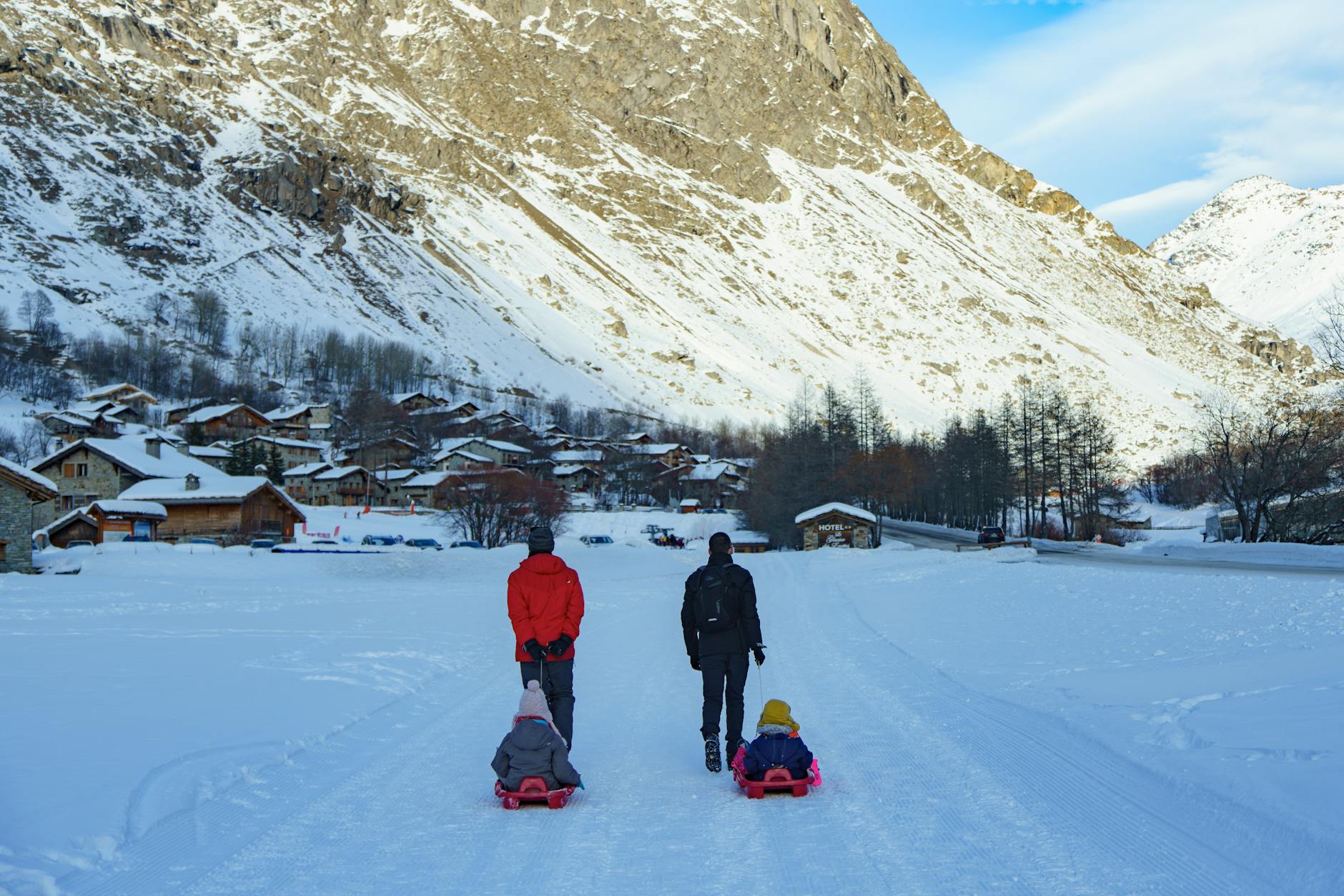
Planning a budget-friendly winter getaway requires balancing the high demand of peak travel periods with strategic timing, destination selection, and logistical flexibility. Families can achieve significant cost savings by targeting shoulder-season dates, utilizing secondary regional hubs, and prioritizing destinations where the natural landscape provides the primary entertainment, thereby minimizing expenditures on expensive, ticketed attractions.
Understanding the Economics of Winter Travel
The cost of a winter vacation is primarily dictated by the interaction between supply and demand. December remains the most expensive month due to the confluence of school holidays and festive peak pricing. Conversely, the weeks immediately following the New Year, particularly in mid-to-late January and early February, often see a sharp decline in occupancy rates for both lodging providers and airlines.
For families, the "affordability" of a vacation is not merely the price of a flight or a hotel room; it is the total cost of ownership for the duration of the trip. This includes meals, transportation at the destination, equipment rentals, and activity fees. When selecting a destination, it is critical to perform a "hidden cost audit." A remote cabin may appear inexpensive, but if it requires renting a 4WD vehicle, purchasing specialized winter gear, and buying groceries for all meals, the final expenditure may exceed that of a more traditional, all-inclusive, or centrally located package.
Strategic Destination Selection
To maximize value, families should look beyond marquee resorts that carry a premium brand name. Instead, identify "Tier 2" destinations—regions that offer similar geography or climate to popular hotspots but lack the global name recognition that drives up prices.
Geographic Comparison for Budget-Conscious Travelers
When evaluating potential locations, compare the infrastructure requirements against your family's baseline needs.
| Destination Type | Primary Cost Driver | Savings Strategy | Best For |
|---|---|---|---|
| Mountain/Ski Resorts | Lift tickets and rentals | Choose smaller "locals" mountains | Active families |
| Tropical/Beach | Airfare and peak lodging | Travel in early February | Sun-seeking families |
| Cultural/Urban | Accommodation and dining | Use public transit; apartment rentals | Educational immersion |
| National Parks | Park fees and gear | Off-peak entry and cabin stays | Nature-oriented families |
The Value of Regional Alternatives
If a family’s intent is to experience snow and winter sports, consider state-managed ski areas or smaller municipal resorts rather than large, international-scale destinations. These smaller venues often provide significantly lower daily lift ticket prices and reduced costs for children’s lessons, which are often the most prohibitive expenses for a family of four or more.
Similarly, for families seeking a reprieve from the cold, look at regional travel within lower latitudes rather than long-haul international flights. Short-distance travel minimizes the "transportation tax" represented by flight costs, which often accounts for 30% to 50% of the total budget for a family vacation.
Logistics: Managing Flight and Accommodation Costs
Airfare pricing algorithms are sensitive to advance booking windows and weekend travel patterns. For a 2026 winter trip, the optimal booking window for domestic travel is typically 30 to 60 days before departure. Using fare-tracking tools allows families to receive alerts when prices dip below a historical baseline for their chosen route.
Accommodations: Beyond the Hotel Room
Staying in a traditional hotel often forces families into purchasing two rooms or an expensive suite. Furthermore, the reliance on hotel dining or takeout can inflate a budget rapidly. For family travel, vacation rental platforms—when vetted for location and hidden cleaning fees—often provide the best value.
- Kitchen Access: A kitchenette or full kitchen allows families to manage meal costs by preparing breakfast and dinner, leaving only lunch or a special outing as a variable expense.
- Space Optimization: Properties that offer a separate bedroom for parents allow for a more consistent bedtime schedule, which is essential for maintaining the quality of the vacation experience.
- Utility Fees: Always confirm if the advertised rate includes cleaning fees, local taxes, and parking, as these can add 20% or more to the base nightly rate.
Managing Activity Expenditures
One of the most common pitfalls is over-scheduling. Each activity adds not only a financial cost but also a logistical burden that increases the probability of burnout. A successful, affordable winter vacation balances one "anchor activity" per day with unstructured, low-cost activities.
- Public Lands: National and state parks are often under-utilized during winter. While certain high-altitude roads may be closed, the trails that remain accessible offer free, high-quality recreation.
- Community Events: Many towns host free winter festivals, light displays, or public ice skating sessions supported by municipal budgets. Researching the local municipal calendar of your destination is a high-yield, low-effort task that can fill entire afternoons without costing a cent.
- Gear Stewardship: Avoid the "new gear" trap. For families with growing children, purchasing brand-new winter clothing for a single trip is rarely financially efficient. Utilize high-quality resale sites or borrow gear from local community lending programs or relatives to ensure everyone is equipped for the climate without the retail price tag.
Frequently Asked Questions
What is the cheapest time to take a family winter vacation?
The cheapest time is typically the second and third weeks of January, after the holiday travel surge has ended and before the mid-winter break or Presidents' Day weekend. During this period, demand for air travel and lodging reaches a seasonal low, often leading to reduced rates and increased availability of mid-range properties.
How can I avoid "hidden" costs when booking a rental?
Always review the final payment screen before confirming. Look specifically for "Resort Fees," "Cleaning Fees," and "Service Fees," which are often excluded from the advertised daily rate. Furthermore, verify if the property requires a security deposit, which, while refundable, represents a temporary reduction in available liquid capital.
Is it better to book an all-inclusive package or plan the trip independently?
All-inclusive packages can offer predictable costs, which is a major advantage for family budgeting. However, they are often priced based on the "average" consumer. If your family does not utilize the premium services included (such as spa access or nightly entertainment), you are effectively paying for services you don’t need. Independent planning allows for the allocation of funds toward the specific experiences your family values most.
How much should I budget for daily food costs during a trip?
A safe baseline for a family of four, when utilizing a mix of grocery store runs and occasional dining out, is to budget 1.5 times your typical home food expenditure. This accounts for the higher cost of convenience dining and the lack of a fully stocked pantry at your destination.
Are last-minute winter deals reliable for families?
Last-minute deals are generally intended for couples or single travelers who can navigate flexible flight availability and limited seating. For families requiring multiple seats on the same flight or larger accommodations, last-minute booking often leads to higher prices due to scarcity. It is generally safer to prioritize early booking for better inventory selection.
Recommended Next Steps for Planning
- Define a "Hard Ceiling": Establish the absolute maximum budget for the trip, including all transportation, accommodation, and daily expenses.
- Define the "Must-Haves": List the top three non-negotiable experiences (e.g., skiing, indoor pool, proximity to a specific park). Eliminate destinations that do not meet these requirements regardless of the price.
- Cross-Reference Availability: Use price-tracking software to monitor the specific dates you’ve selected. If the prices remain high 60 days out, be prepared to shift your dates by 2–3 days, which can often result in significant savings on flights.
- Final Verification: Before finalizing your booking, verify the cancellation policy. In the winter, weather-related travel disruptions are common; ensure your booking allows for flexibility or that you have adequate travel insurance to cover potential rescheduling costs.