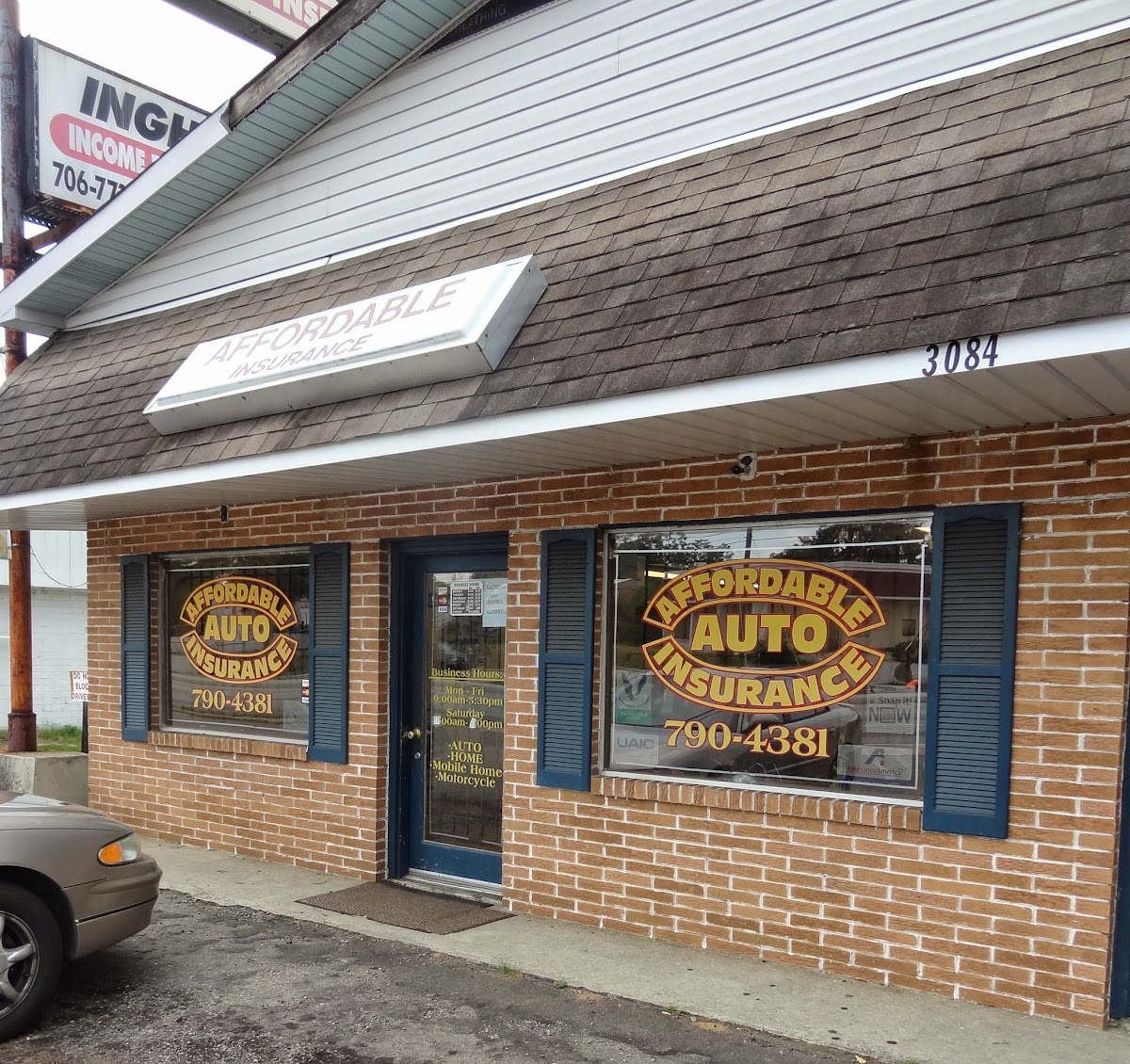
Securing policy coverage through an affordable auto insurance local company often delivers significant cost savings and personalized customer support that massive national carriers struggle to match. Regional insurers and local independent agencies leverage deep knowledge of community driving conditions, state-specific regulations, and tailored discount structures to offer highly competitive premiums without sacrificing financial reliability.
Understanding the Landscape of Local and Regional Auto Insurers
When drivers begin searching for vehicle coverage, the market appears dominated by a handful of mega-corporations spending billions on national advertising. However, beneath this high-visibility surface lies a robust ecosystem of local and regional insurance carriers, regional mutual companies, and local independent agencies. Understanding how these entities operate is essential for drivers who want to reduce their annual auto insurance expenditure while retaining quality claims handling.
A local auto insurance company typically operates within a single state or a specific geographic region spanning a few neighboring states. Many of these organizations are structured as mutual insurance companies, meaning they are owned by their policyholders rather than public shareholders. Because mutual companies do not face quarterly Wall Street pressure to maximize short-term profits for external investors, they frequently reinvest excess earnings back into the business, maintaining lower premium rates, returning dividends to policyholders, or keeping capital reserves strong.
In contrast, local independent insurance agencies act as intermediaries between drivers and a curated network of local, regional, and national underwriting companies. Unlike captive agents—who represent only one specific national brand—independent local agents analyze multiple underwriting systems simultaneously. They can match a driver's unique risk profile, household setup, and vehicle type with regional underwriters that offer the most advantageous pricing structure in that specific zip code.
- LOCAL AUTO INSURANCE ECOSYSTEM
- Regional Mutuals
- Owned by policyholders
- Low marketing overhead
- Local claim adjusters
- Local Independent Brokers
- Access to multiple regional underwriters
- Tailored risk assessment by zip code
- Personalized community-focused service
- Regional Mutuals
Why Local Auto Insurance Companies Can Offer Lower Premiums
Consumers often assume that larger corporations benefit from economies of scale that allow them to charge less. In auto insurance, however, operating locally or regionally creates distinct operational efficiencies that frequently result in lower policy costs for drivers.
1. Minimal Advertising Expenses
National insurance giants spend hundreds of millions—and in some cases billions—of dollars every year on national television campaigns, professional sports sponsorships, and digital marketing. These astronomical advertising budgets are ultimately funded by policyholder premiums. Local and regional companies rely primarily on word-of-mouth recommendations, community engagement, and local agency networks, drastically reducing overhead expenses and allowing those savings to be passed down to policyholders.
2. Precise Regional Risk Modeling
National carriers must build broad actuarial models designed to cover extreme weather patterns, dense urban traffic, high litigation environments, and varying accident rates across fifty states. A local auto insurance company focuses its underwriting expertise exclusively on the specific roadways, climate trends, traffic density, and legal environment of its operational area. This localized precision allows the insurer to price risk accurately without padding rates to offset losses incurred in distant states.
3. Lower Fraud and Overhead Costs
Fraudulent claims and high operational bureaucracy significantly increase insurance costs nationwide. Regional and local insurers typically operate leaner corporate offices and employ claims adjusters who live and work within the communities they serve. Local adjusters can verify claims faster, inspect damaged vehicles in person without delay, and identify fraudulent filings early, suppressing overall loss ratios and keeping baseline rates affordable.
Comparing Local Auto Insurers vs. National Insurance Carriers
Evaluating whether a local provider or a national brand best suits your needs requires comparing key performance metrics, pricing structures, and service capabilities.
| Metric / Feature | Local & Regional Insurance Companies | National Insurance Corporations |
|---|---|---|
| Pricing Dynamics | Often lower for average to low-risk drivers; highly tailored to local zip codes. | Standardized pricing models; higher marketing overhead built into premiums. |
| Customer Service | Direct access to local representatives and dedicated agents who know the area. | Call center routing or AI chatbot assistance; rotating service agents. |
| Claims Resolution | Local adjusters who inspect vehicles quickly within the community. | Regional or centralized claim centers; heavy reliance on photo app submissions. |
| Digital Tools & Apps | Functional mobile apps for basic management, but sometimes fewer automated features. | Highly sophisticated mobile apps with real-time tracking and instant filing. |
| Out-of-State Support | Coverage applies nationwide, but roadside assistance networks may rely on partners. | Extensive nation-wide network of preferred repair shops and direct tow services. |
| Policyholder Loyalty | High retention rates; potential for mutual dividends or policyholder rebates. | Frequent rate adjustments based on national loss trends across multiple states. |
How to Verify the Reliability of a Local Insurance Provider
Choosing a smaller or regional company requires due diligence to ensure the insurer possesses the financial strength to pay out major claims and maintains a solid reputation for fair treatment. Evaluating a local company involves checking several independent resources and state regulatory databases.
Assessing Financial Stability
Before purchasing a policy, verify the financial rating of the insurance carrier through independent credit rating agencies. The standard benchmark for insurance solvency is A.M. Best, which evaluates an insurer's balance sheet strength, operating performance, and profile. Look for companies rated "A-" (Excellent) or higher. A strong rating confirms that the regional company has sufficient capital reserves to handle catastrophic weather events or widespread claim spikes without risking insolvency.
Checking State Insurance Department Records
Every state maintains a Department of Insurance (or Division of Insurance) that licenses carriers, enforces consumer protection laws, and tracks official complaints. Consumers can search their state department’s public database to review an insurer's licensing status, financial filings, and formal complaint records.
Additionally, the National Association of Insurance Commissioners (NAIC) provides a public Consumer Insurance Search tool. This system allows you to check a company's National Complaint Index ratio. A complaint index score below 1.00 indicates that the carrier receives fewer complaints than average for a company of its size, signalling strong customer satisfaction and reliable business practices.
- Step 1: Check A.M. Best Financial Rating
- Step 2: Review NAIC Complaint Index Ratio
- Step 3: Verify Licensing via State Insurance Department
- Step 4: Compare Local Agency Quotes & Policy Terms
Step-by-Step Guide to Finding and Buying Local Auto Insurance
Navigating the local auto insurance market requires a structured approach to ensure you get comprehensive coverage at the lowest possible price. Follow this step-by-step process:
Step 1: Gather Your Current Driving and Vehicle Details
Before requesting quotes, compile all necessary information to ensure precise estimates:
- Driver’s license numbers and dates of birth for all household members.
- Vehicle Identification Numbers (VINs) for all covered automobiles.
- Current policy declarations page showing existing coverage limits and deductibles.
- Accurate estimate of annual mileage driven per vehicle.
- Vehicle safety feature details (e.g., anti-theft systems, collision avoidance).
Step 2: Identify Reputable Regional Carriers and Independent Brokers
Search for regional mutual insurers operating in your state, as well as independent insurance agencies. Independent agents represent multiple regional carriers simultaneously, making them an efficient resource for gathering competing quotes from trusted local providers.
Step 3: Request Customized Coverage Quotes
When requesting quotes, ensure that you compare identical coverage limits across all providers. Key coverage components to evaluate include:
- Bodily Injury Liability: Covers medical costs for others if you cause an accident.
- Property Damage Liability: Pays for damage caused to another party's vehicle or property.
- Comprehensive Coverage: Protects your vehicle against non-collision damage such as theft, vandalism, weather events, or animal strikes.
- Collision Coverage: Pays for damage to your vehicle resulting from an impact with another vehicle or object.
- Uninsured/Underinsured Motorist Coverage: Protects you if hit by a driver without adequate insurance.
- Personal Injury Protection (PIP) or Medical Payments: Covers immediate medical expenses for you and your passengers regardless of fault.
Step 4: Review Discount Opportunities
Ask the local carrier or agent to apply all eligible discounts. Local providers frequently offer unique savings programs tailored to regional demographics, including:
- Multi-Policy Bundling: Combining auto insurance with homeowners, renters, or umbrella policies.
- Multi-Vehicle Discount: Insuring more than one automobile on the same policy.
- Good Driver / Clean Record Discounts: Rewards for maintaining three to five years of accident-free driving.
- Affiliation Discounts: Lower rates for members of local credit unions, regional alumni associations, or community civic organizations.
- Pay-in-Full / Auto-Pay Discounts: Reduced premiums for paying annually or setting up automatic bank deductions.
Step 5: Finalize Policy Details and Transition Seamlessly
Once you select a local provider, review the policy terms carefully before signing. Set your new policy's start date to coincide exactly with your previous policy's cancellation date to avoid any coverage gaps, which can lead to legal penalties and higher future rates. Notify your prior insurer in writing to cancel coverage once your new policy is active, and confirm receipt of your refund for any unused premium balance.
Key Considerations and Potential Limitations of Local Carriers
While an affordable auto insurance local company offers distinct advantages, drivers should consider potential limitations before making the switch.
Geographic Footprint During Travel
A regional insurer provides full financial coverage nationwide, meaning your policy remains valid if an accident occurs in another state. However, the insurer's immediate physical resources—such as direct-adjuster field networks or preferred repair shop partnerships—may be less accessible when traveling far outside their primary service territory. If you frequently travel across the country in your vehicle, verify how the local carrier manages claims and roadside assistance requests outside their immediate region.
Digital Capabilities and App Technology
National carriers invest heavily in proprietary mobile apps featuring real-time claims tracking, instant digital ID cards, telematics monitoring, and zero-touch online policy adjustments. While many regional insurers now offer robust mobile platforms, smaller local companies may have simpler online interfaces. If seamless app integration and automated digital management are top priorities, evaluate the local provider's digital portal before committing.
High-Risk Driver Policies
Some smaller regional insurers specialize in low-risk, established drivers with clean driving records. If a driver in your household has multiple recent moving violations, at-fault accidents, or requires an SR-22 filing due to a severe infraction, certain local carriers may quote higher rates or decline coverage. In these situations, working with an independent local broker who has access to specialized non-standard insurance markets is essential.
Frequently Asked Questions
Will a local auto insurance company cover me if I have an accident in another state?
Yes. Auto insurance policies written by licensed local or regional insurance companies provide coverage across all 50 U.S. states, U.S. territories, and Canada. If an accident occurs outside your home state, your policy automatically adjusts to meet the minimum legal coverage requirements of the state where the incident occurred, provided your existing limits do not already exceed them.
Are local auto insurance companies as financially stable as national brands?
Many local and regional auto insurance companies maintain exceptional financial stability, often holding "A" ratings or higher from independent rating agencies like A.M. Best. Because many regional carriers operate as mutual companies owned by policyholders, they frequently maintain conservative capital reserves relative to their total risk exposure. Drivers should verify a company's financial grade via A.M. Best or the NAIC database before signing a policy.
How do I get quotes from multiple local insurance companies at once?
The most efficient way to gather multiple quotes from regional carriers is through a local independent insurance agent. Unlike captive agents representing a single national brand, independent agents maintain contracts with multiple local and regional insurance underwriters. They can input your driving profile into their systems to generate side-by-side pricing comparisons quickly.
What happens to my auto insurance policy if I move to a different city or state?
If you move to a new zip code within your local insurer's licensed operating state, you must notify your carrier to update your policy address, which may adjust your premium based on local traffic patterns and risk metrics. If you move to a state outside the local company’s licensed territory, you will need to cancel your policy and obtain coverage from a carrier licensed in your new home state.
Do local auto insurance companies offer usage-based or telematics insurance?
Many regional insurers now offer telematics and usage-based insurance programs through mobile apps or plug-in OBD-II devices. These programs monitor driving habits such as speed, braking, time of day, and total mileage, offering safe drivers potential discounts off their base premium. Check directly with the local carrier to see if they provide telematics options.
Recommended Action Steps for Securing Affordable Local Auto Insurance
To find the most affordable auto insurance local company while maintaining total protection, follow these immediate actionable steps:
- Review Your Current Policy: Download your current policy declaration page to establish a baseline for your coverage limits, deductibles, and annual cost.
- Locate Independent Local Agencies: Search for independent insurance agents and regional mutual insurers licensed within your home state.
- Verify Carrier Credentials: Check A.M. Best ratings (aim for A- or higher) and look up company complaint ratios on the NAIC Consumer Insurance Search tool.
- Compare Equivalent Quotes: Obtain at least three comparative quotes from regional carriers, ensuring that coverage limits, deductibles, and endorsement terms match your current policy.
- Inquire About Local Discounts: Ask each provider about bundling auto with home/renters coverage, affinity discounts for local organizations, and safe-driver rewards.
- Execute a Seamless Transition: Establish your new policy start date before canceling your old policy to prevent any lapse in coverage.
By combining regional market efficiency, personalized independent guidance, and thorough regulatory verification, drivers can lower their auto insurance costs while securing responsive, high-quality local support.