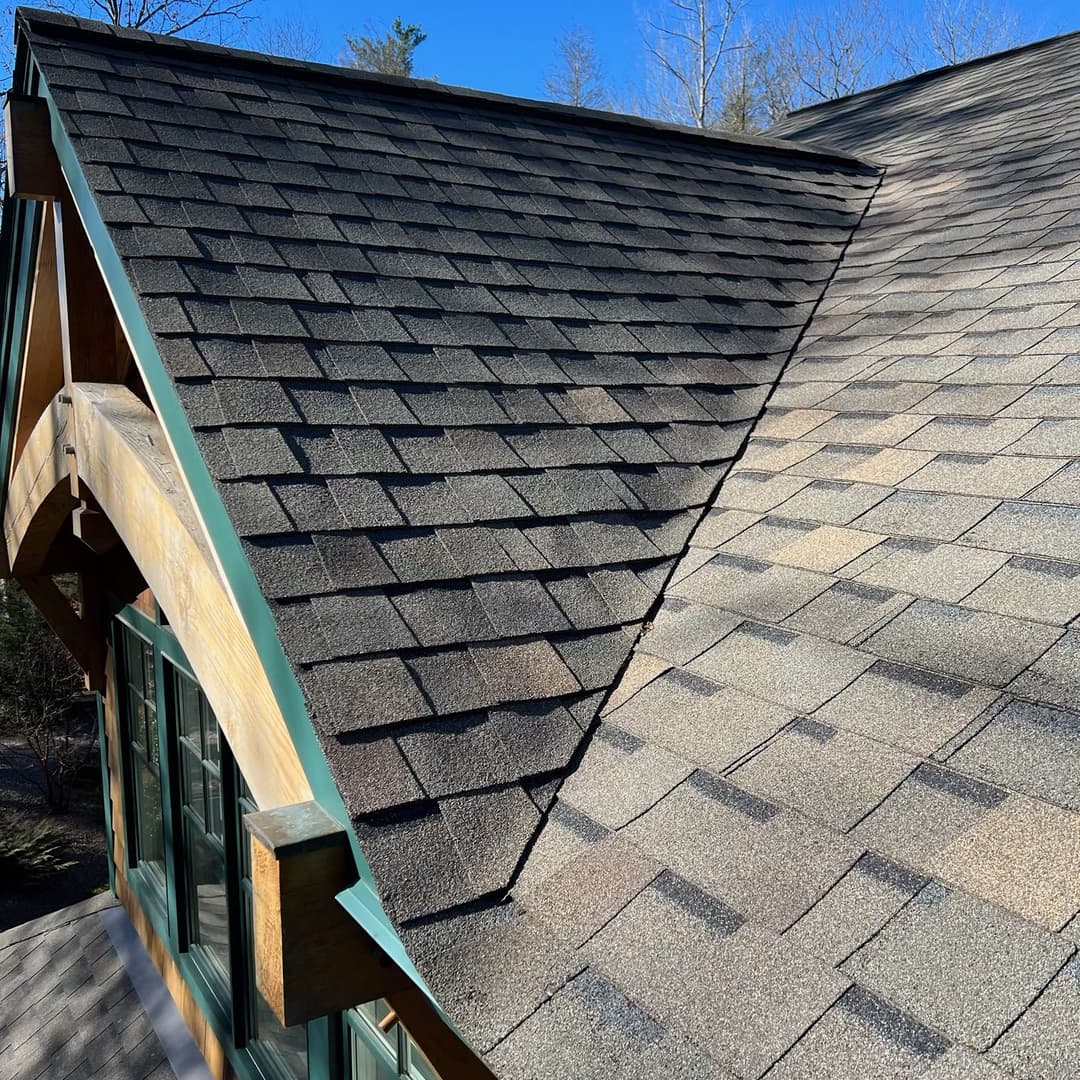
Advanced roofing in Mishawaka encompasses specialized residential and commercial roof installation, repair, and material selection tailored to northern Indiana's distinct seasonal weather patterns, local building codes, and architectural styles. Property owners evaluating roofing solutions in this region must navigate a range of advanced shingle technologies, metal systems, and energy-efficient insulation strategies designed to withstand heavy winter snow loads and freeze-thaw cycles.
Understanding the Mishawaka Roofing Market and Climate Factors
Roofing performance in Mishawaka, Indiana, is heavily dictated by the local climate, which features cold, snowy winters, humid summers, and frequent precipitation throughout the year. Local contractors operating in this market must address specific environmental stressors that impact structural longevity, energy efficiency, and material degradation.
When planning a roofing project in St. Joseph County, property owners encounter unique geographical challenges. Freeze-thaw cycles are particularly damaging; as snow melts on a warm roof deck and runs down to freeze at the colder eaves, ice dams can form. These dams force standing water back up under shingles, leading to leaks, rot, and interior water damage. Consequently, advanced roofing strategies in Mishawaka place significant emphasis on proper attic ventilation, high-performance ice and water shields, and continuous waterproof underlayments.
Furthermore, local building codes require strict adherence to wind-resistance ratings. Northern Indiana experiences severe thunderstorm activity, high winds, and occasional severe weather events that test the mechanical fastening and wind uplift resistance of shingle and metal assemblies. Professional contractors must ensure that every installation complies with the Indiana Department of Homeland Security Building Safety Division standards and local municipal ordinances enforced by the City of Mishawaka.
Core Services Offered by Advanced Roofing Contractors
Advanced roofing providers in the Mishawaka area go beyond basic shingle replacement, offering a comprehensive suite of exterior construction and maintenance services designed to preserve building integrity over decades. Understanding these service categories helps property owners select the right contractor for their specific project scope.
Residential Roof Replacement and Installation
A complete roof replacement involves removing all existing layers down to the wooden roof deck, inspecting for structural compromise, and installing a new, integrated system. Advanced installations incorporate multi-layered protection components, including:
- Deck Armor and Underlayment: Breathable, high-tear-resistant synthetic underlayment that protects the wood deck from moisture during installation.
- Starter Strip Shingles: Specialized adhesive strips installed along the eaves and rakes to prevent wind uplift at the most vulnerable roof edges.
- Architectural or Luxury Shingles: Dimensional asphalt shingles designed with multi-layer construction to offer enhanced wind resistance and aesthetic depth.
- Hip and Ridge Caps: Matching, high-profile accessory shingles that protect the highest stress points of the roof structure.
Commercial Low-Slope and Flat Roofing Systems
Commercial properties in Mishawaka often feature low-slope or flat roof configurations that require specialized membranes rather than traditional shingles. Advanced commercial roofing contractors specialize in:
- Ethylene Propylene Diene Terpene (EPDM): A durable synthetic rubber roofing membrane known for its longevity, UV resistance, and ease of repair.
- Thermoplastic Polyolefin (TPO): A single-ply reflective membrane that offers excellent energy efficiency by deflecting solar heat, reducing cooling loads during Indiana's humid summers.
- Modified Bitumen: Multi-ply systems combining asphalt with rubber modifiers, reinforced with fiberglass or polyester mats to provide exceptional puncture resistance and tensile strength.
Emergency Repair and Storm Damage Mitigation
Severe weather frequently impacts northern Indiana, resulting in wind-blown debris, hail impacts, and missing shingles. Advanced contractors offer 24/7 emergency response services, including professional tarping, structural stabilization, and detailed damage documentation to assist property owners through the insurance claims process.
Material Selection for Northern Indiana Weather
Choosing the correct roofing material is the most critical decision in any advanced roofing project. Each material offers distinct advantages regarding lifespan, maintenance requirements, upfront costs, and thermal performance.
| Material Type | Average Lifespan | Wind Resistance | Estimated Cost (Per Square Installed) | Primary Advantage |
|---|---|---|---|---|
| Architectural Asphalt Shingles | 25 – 30 Years | Up to 110–130 mph (with high-wind nailing) | Moderate ($350 – $550) | Excellent balance of cost, aesthetics, and availability. |
| Standing Seam Metal | 40 – 70 Years | Up to 150 mph | High ($900 – $1,400+) | Superior longevity, snow shedding, and fire resistance. |
| Synthetic Slate / Shake | 50+ Years | Up to 110 mph | Premium ($1,200 – $1,800+) | High-end architectural appearance without structural weight of natural stone. |
| TPO / EPDM (Commercial) | 20 – 35 Years | High (fully adhered systems) | Moderate to High ($400 – $800) | Seamless waterproofing for low-slope and flat building designs. |
Architectural Asphalt Shingles
Asphalt shingles remain the most popular choice for residential properties in Mishawaka due to their cost-effectiveness and versatility. Advanced architectural (or dimensional) shingles feature a heavier fiberglass mat base coated with weather-resistant asphalt and ceramic-coated mineral granules. These shingles resist algae growth—a common issue in humid Midwestern microclimates—and offer architectural depth that mimics traditional wood shake or slate.
Standing Seam Metal Roofing
For property owners seeking maximum durability and energy efficiency, standing seam metal roofing represents the pinnacle of modern roofing technology. These systems feature vertical panels with concealed fasteners that lock together, eliminating exposed screw holes where water infiltration typically begins. Metal roofs excel in Mishawaka because snow slides off smoothly during winter, preventing dangerous weight accumulation and ice dam formation. Furthermore, metal reflects solar radiation, significantly reducing attic temperatures and summer cooling costs.
Energy Efficiency and Ventilation Integration
An advanced roofing system functions as a complete thermal envelope rather than just a waterproof outer shell. Proper integration of attic insulation, intake ventilation, and exhaust ventilation is essential for preventing premature shingle degradation and managing indoor climate control.
The Science of Balanced Ventilation
Without adequate ventilation, trapped heat and moisture in the attic space can bake roofing materials from underneath during summer and cause destructive condensation and ice damming during winter. Advanced roofing designs implement a balanced ratio of Net Free Vent Area (NFVA), combining continuous soffit vents (for cool air intake) with ridge vents or static box vents (for warm air exhaust). This continuous airflow maintains deck temperatures close to ambient outdoor temperatures, preserving shingle manufacturer warranties and extending roof life.
Insulation and Radiant Barriers
Upgrading attic insulation—such as blown-in fiberglass or cellulose—alongside a roof replacement ensures compliance with current energy conservation standards. In some advanced assemblies, radiant barrier foils are installed beneath the roof deck to reflect radiant heat away from the living space, improving overall thermal efficiency in residential and commercial structures alike.
Evaluating Contractor Credentials and Warranties
Investing in an advanced roofing system requires partnering with a qualified, reputable contractor. Because roofing involves structural alterations and significant financial capital, property owners must verify specific professional credentials before signing a construction agreement.
Essential Licensing, Bonding, and Insurance
In Indiana, roofing contractors must carry adequate liability insurance and worker's compensation coverage to protect property owners from liability in the event of workplace accidents or property damage. While statewide general contractor licensing varies, local municipalities often enforce specific registration requirements. Homeowners should always request proof of insurance directly from the provider's insurance carrier.
Manufacturer Certifications and Warranty Protection
Top-tier roofing manufacturers—such as GAF, Owens Corning, and CertainTeed—offer tiered warranty programs that can only be issued by factory-certified or master-level contractors. These certifications require ongoing training and adherence to strict installation guidelines. Property owners should distinguish between standard material warranties and enhanced system warranties, which can cover both materials and workmanship for up to 50 years.
Frequently Asked Questions
How do I know if my Mishawaka home needs a roof replacement or just a repair?
The decision depends on the extent of the damage, the age of the existing roof, and whether the issues are localized or systemic. If your roof is approaching or exceeding 20 to 25 years of age, exhibits widespread granule loss, curling shingle edges, or has sustained multiple leaks across different planes, a full replacement is typically more cost-effective than ongoing repairs. Localized damage from falling tree branches or isolated flashing failures can often be resolved with targeted repairs.
What causes ice dams on Mishawaka roofs, and how can they be prevented?
Ice dams occur when heat escapes from the living space into the attic, warming the roof deck and melting the bottom layer of accumulated snow. This meltwater runs down to the colder eaves and refreezes, forming a barrier. Prevention requires sealing attic air leaks, upgrading attic insulation to maintain a cold roof deck, installing a waterproof ice and water shield membrane under the shingles at the eaves, and ensuring proper attic ventilation.
Are metal roofs noisy during heavy rain or hail storms?
Contrary to popular belief, modern standing seam metal roofs are not noisy during rainstorms. When installed properly over a solid wood roof deck, heavy underlayment, and rigid insulation, metal roofs absorb sound effectively. Homeowners frequently report that metal roofs are just as quiet—if not quieter—than traditional asphalt shingle roofs during severe weather events.
How long does a typical residential roof replacement take?
For an average-sized single-family residential home in Mishawaka, a complete roof tear-off and replacement typically takes between one to three days, weather permitting. Complex architectural designs, steep pitches, multi-story structures, or extensive structural deck repairs can extend the project timeline.
Can a new roof be installed directly over existing shingles?
While a roof overlay (installing a second layer of shingles over the first) is sometimes permitted by building codes if the existing roof is single-layer and structurally sound, most advanced roofing professionals strongly recommend a complete tear-off. Tearing off old materials allows the contractor to inspect the wooden deck for rot, replace damaged flashing, install modern underlayments, and ensure full compliance with manufacturer warranty requirements.
Next Steps for Property Owners
If you are planning a roofing project in Mishawaka, begin by conducting a safe ground-level visual inspection of your property to document visible wear, missing shingles, or gutter issues. Next, schedule professional evaluations and estimates from multiple licensed, insured contractors who hold manufacturer certifications. Request detailed, written proposals that outline exact material specifications, ventilation plans, estimated timelines, and warranty terms before committing to a contract.