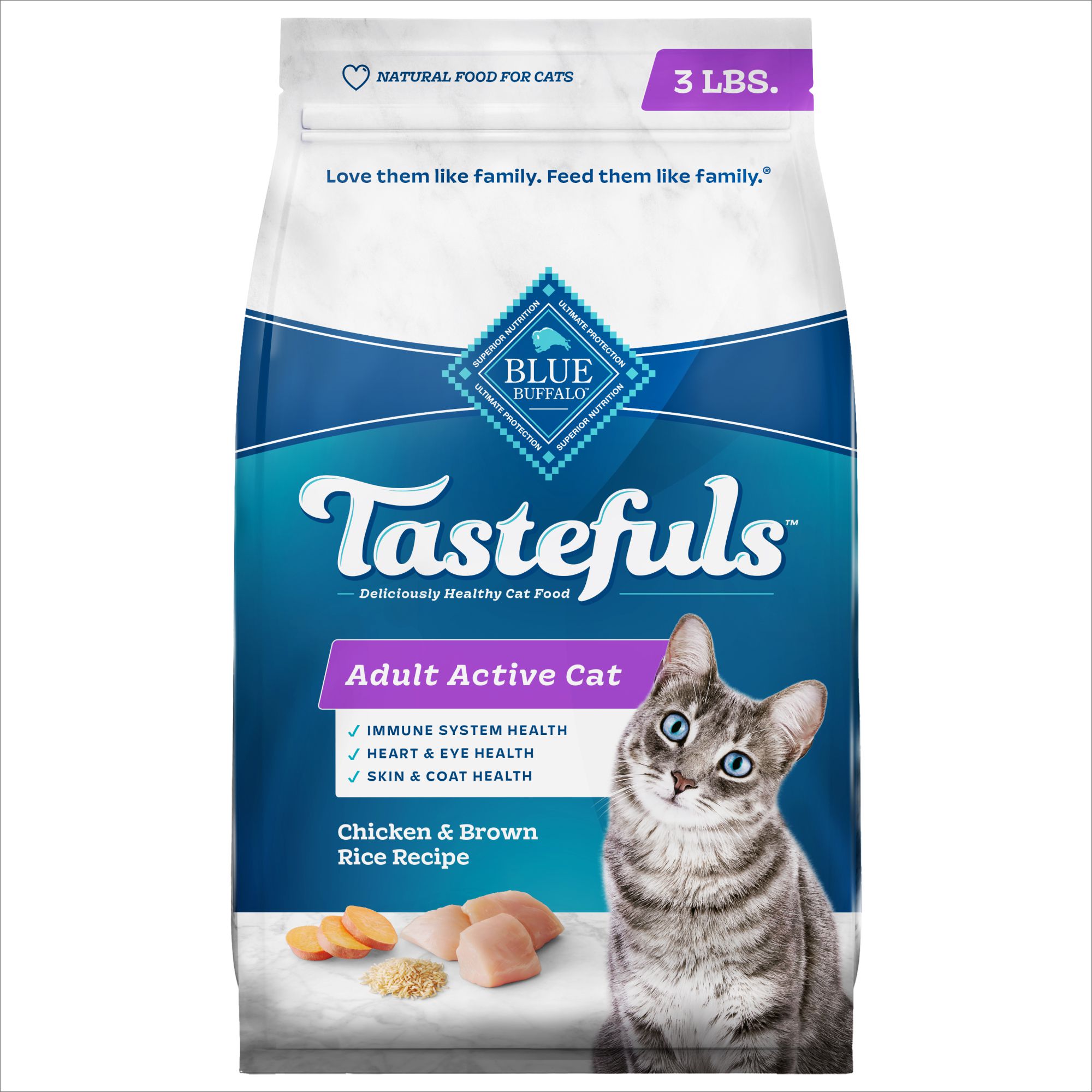
Adult cat food is unsuitable for kittens because it lacks the high energy density, elevated protein levels, and precise mineral balance required for rapid skeletal, muscular, and neurological growth. Feeding an adult formula long-term to a developing kitten can lead to severe nutrient deficiencies, impaired skeletal growth, lethargy, and a failure to reach normal physical milestones.
The Biological Reality of Kitten Growth
During the first 12 months of life, a kitten undergoes an extraordinary biological transformation. A newborn kitten typically weighs between 80 and 100 grams, but by the time it reaches one year of age, its body mass increases by 30 to 40 times. This phase of accelerated development places metabolic demands on a kitten's body that far exceed those of a fully grown, adult feline.
Cats are obligate carnivores, meaning their metabolic pathways are uniquely adapted to process animal tissues for energy and vital nutrients. However, the metabolic workload of a kitten is distinct from that of a mature cat. Adult cats require nutrition primarily for tissue maintenance, cellular repair, and metabolic homeostasis. In contrast, kittens require nutrition not only for maintenance but also for building new bone tissue, synthesizing muscle mass, developing organs, and expanding their neural networks.
Because a kitten's stomach capacity is extremely small relative to its metabolic rate, the animal cannot consume large volumes of food at once. Consequently, every gram of food a kitten consumes must contain a higher concentration of bioavailable energy and essential nutrients than an equivalent portion fed to an adult. When a kitten is fed adult cat food, its physical stomach limit prevents it from consuming enough total volume to meet its daily nutrient requirements.
Disclaimer: This article provides educational information on feline nutrition based on established veterinary standards. It is not a substitute for professional veterinary care. Always consult a licensed veterinarian for specific dietary recommendations tailored to your kitten's individual health status.
Key Nutritional Differences: Kitten vs. Adult Formulas
Pet food formulations are governed by standardized nutrient profiles established by regulatory and scientific bodies, such as the Association of American Feed Control Officials (AAFCO) and the European Pet Food Industry Federation (FEDIAF). These organizations define distinct profiles for two primary life stages: Growth and Reproduction (which includes kittens and pregnant/nursing mothers) and Adult Maintenance.
- Kitten Development Needs
- High Caloric Density (Energy for Growth)
- Elevated Protein & Amino Acids
- Essential Fatty Acids
- Healthy Muscle, Skeletal, and Neurological Formation
Protein and Amino Acid Profiles
Protein supplies the amino acid building blocks required for developing lean muscle tissue, skin, hair, internal organs, and enzymes.
- Kitten Requirements: According to AAFCO standards, kitten food must contain a minimum of 30% crude protein on a dry matter basis, though many premium kitten foods contain 35% to 40% or more. Furthermore, kittens require elevated levels of specific amino acids, including lysine, methionine, arginine, and taurine.
- Adult Maintenance: Adult cat formulas require a minimum of only 26% crude protein on a dry matter basis.
If a kitten eats adult maintenance food, its body receives fewer amino acids per meal, which can result in poor muscle development, a compromised immune system, and subpar coat quality.
Caloric and Fat Density
Fat is the primary source of metabolic energy in feline diets and supplies vital fat-soluble vitamins (A, D, E, and K) alongside essential fatty acids.
- Kitten Energy Needs: Kittens require approximately two to three times more calories per pound of body weight than an adult cat. To support this high energy expenditure without overloading the kitten's digestive tract, kitten food features a higher crude fat percentage (typically 18% to 22% on a dry matter basis).
- Adult Energy Needs: Adult cat food generally ranges between 10% and 15% fat. Lower energy density prevents weight gain in mature cats with lower activity levels. A kitten fed adult food must burn extra energy just digesting lower-calorie food, leading to severe energy deficits.
DHA and Fatty Acid Integration
Docosahexaenoic acid (DHA) is a specific omega-3 polyunsaturated fatty acid crucial for the structural development of the brain, retina, and central nervous system. Mother's milk is naturally rich in DHA. Once weaned, kittens rely on their diet to provide sufficient levels of DHA for cognitive and visual development. While modern kitten foods explicitly fortify their recipes with DHA (often sourced from fish oil or microalgae), standard adult cat foods typically omit fortified DHA, as mature felines no longer undergo rapid brain and eye growth.
Mineral Ratios: Calcium and Phosphorus
The balance of minerals in a pet food formula is as critical as the absolute quantities. Skeletal formation requires significant amounts of calcium and phosphorus, provided in a precise ratio to ensure proper bone mineral density.
- Balanced Growth Ratios: Kitten foods maintain a strict calcium-to-phosphorus ratio (ideally between 1.1:1 and 1.4:1). Deviations in this ratio can disrupt mineral absorption in the small intestine.
- Adult Mineral Balance: Adult cat food contains lower total amounts of calcium and phosphorus to reduce the metabolic load on mature kidneys. Feeding these lower mineral concentrations to a growing kitten can lead to soft bones, joint deformities, and pathological fractures.
Nutritional Comparison: Growth vs. Adult Maintenance
The following table highlights the structural differences between AAFCO minimum nutritional guidelines for feline life stages (expressed on a Dry Matter basis):
| Nutritional Component | Kitten / Growth Minimum | Adult Maintenance Minimum | Primary Biological Function |
|---|---|---|---|
| Crude Protein | 30.0% | 26.0% | Muscle synthesis, organ growth, tissue repair |
| Crude Fat | 9.0% (optimal 18-22%) | 9.0% (optimal 10-15%) | Concentrated metabolic energy, cellular structure |
| Calcium | 1.0% | 0.6% | Bone density, muscular contraction, neural signaling |
| Phosphorus | 0.8% | 0.5% | Skeletal development, cellular energy transfer (ATP) |
| Calcium:Phosphorus Ratio | 1.1:1 to 1.4:1 | 1:1 to 2:1 (broader tolerance) | Prevents metabolic bone disease and mineral leaching |
| DHA (Omega-3) | Recommended/Required | Not Required | Retinal integrity, central nervous system growth |
| Caloric Density (Avg) | ~400–450 kcal/cup | ~300–375 kcal/cup | Fueling rapid metabolism within small stomach capacity |
Health Risks of Feeding Adult Cat Food to Kittens
Consistently feeding a kitten an adult maintenance diet introduces several distinct health risks that can negatively impact the animal's long-term wellbeing.
- Chronic Intake of Adult Cat Food
- Deficient Caloric & Protein Density
- Failure to Thrive
- Muscle Wasting
- Hypoglycemia Risk
- Imbalanced Mineral & DHA Intake
- Metabolic Bone Disease
- Cognitive Impairment
- Retinal Dysplasia
- Deficient Caloric & Protein Density
1. Failure to Thrive and Stunted Growth
"Failure to thrive" is a medical classification for young animals that fail to gain weight and develop at normal biological rates. When a kitten is fed adult cat food, its daily caloric intake consistently falls short of its total energy expenditure. The kitten consumes all the food its stomach can physically hold, yet remains in a chronic caloric deficit. Over time, this deficit results in stunted stature, diminished bone length, and low overall muscle mass.
2. Muscle Wasting and Immune Compromise
Kittens require elevated levels of bioavailable dietary protein to synthesize new tissue. If dietary protein intake is insufficient, the kitten's body breaks down its own structural muscle mass via catabolism to supply essential amino acids to vital organs like the heart and liver.
Additionally, antibodies (immunoglobulins) rely heavily on dietary amino acids for synthesis. Kittens fed low-protein adult diets often exhibit weakened immune responses, leaving them far more susceptible to upper respiratory infections, gastrointestinal parasites, and common feline pathogens.
3. Skeletal Deformities and Metabolic Bone Disease
The feline skeleton undergoes rapid mineralization during the first six months of life. If a kitten receives the lower calcium and phosphorus levels typical of an adult diet—or if the ratio between those minerals is imbalanced—its body draws calcium out of the bones to maintain constant calcium levels in the bloodstream.
This condition, known as secondary nutritional hyperparathyroidism or metabolic bone disease, causes the bones to become thin, brittle, and soft. Affected kittens may exhibit:
- Bowed legs or abnormal gait
- Severe joint pain and reluctance to play or jump
- Spontaneous fractures from minimal impact
- Spinal misalignments
4. Hypoglycemia and Energy Crashes
Young kittens have limited glycogen storage capacity in their liver and muscle tissues. Because their metabolic rate is exceptionally high, they deplete their energy reserves quickly. Adult cat foods, which have lower fat and caloric density, may fail to keep blood glucose levels stable. This can cause sudden drops in blood sugar (hypoglycemia), presenting as lethargy, weakness, unsteadiness, or, in severe cases, seizures and loss of consciousness.
What to Do If a Kitten Accidentally Eats Adult Food
It is common for kittens living in multi-cat households to sample food from an adult cat's bowl. Understanding the difference between acute (one-off) exposure and chronic ingestion helps prevent unnecessary alarm while maintaining proper nutrition.
- Kitten Ingests Adult Food
- Single Incident (Accidental Nibble)
- Monitor for mild upset
- Ensure fresh water access
- Keep kitten on main diet
- Chronic Exposure (Days to Weeks of Feeding)
- High risk of growth deficits
- Schedule veterinary exam
- Transition immediately to Growth/All Life Stages diet
- Single Incident (Accidental Nibble)
Acute Exposure (Single Event)
If a healthy, weaning kitten eats a small amount of adult cat food on a single occasion, it is unlikely to suffer long-term health consequences. The primary short-term concern is mild gastrointestinal disruption. The kitten's digestive system may react to the unfamiliar texture, protein sources, or fiber levels of the adult kibble, leading to temporary symptoms such as:
- Soft stools or mild diarrhea
- Minor stomach upset or vomiting
- Temporary flatulence
Action Steps:
- Ensure the kitten has continuous access to clean, fresh water to prevent dehydration if mild diarrhea occurs.
- Provide the kitten's regular kitten food at the next scheduled feeding time.
- Do not withhold food or fast a growing kitten, as this increases the risk of hypoglycemia.
Chronic Exposure (Days to Weeks)
If a kitten has been fed adult cat food exclusively for several days or weeks—whether due to an oversight or a lack of available kitten formula—a proactive medical approach is necessary.
Action Steps:
- Transition Immediately: Begin introducing an appropriately formulated kitten food or an AAFCO-certified "All Life Stages" formula.
- Schedule a Veterinary Checkup: Have a veterinarian evaluate the kitten for signs of nutritional deficiency, track its weight curve, assess bone density, and examine muscle tone.
- Avoid Self-Supplementation: Do not add over-the-counter calcium tablets, vitamins, or mineral supplements to the food without direct veterinary oversight. Incorrectly supplementing minerals like calcium can cause severe skeletal problems that are just as damaging as a deficiency.
Selecting the Right Food: Identifying Proper Formulations
Navigating the pet food aisle requires reading pet food labels carefully to ensure the product meets established growth criteria.
Understanding AAFCO Statements
The most reliable indicator of a food's nutritional suitability is the AAFCO Statement of Nutritional Adequacy, located on the back or side of the package. Look for one of the following official phrasing variations:
- "Product X is formulated to meet the nutritional levels established by the AAFCO Cat Food Nutrient Profiles for growth and reproduction."*
- "Product X is formulated to meet the nutritional levels established by the AAFCO Cat Food Nutrient Profiles for all life stages."*
Products marked for "Adult Maintenance" should be strictly avoided for growing kittens.
What Is "All Life Stages" Food?
An "All Life Stages" formula is designed to meet the highest nutritional minimums required by any life stage—meaning it fulfills the stringent nutrient and caloric demands of a growing kitten while remaining safe for a fully grown adult cat.
These foods offer a convenient solution for multi-cat homes, as they remove the risk of nutrient deficiencies if a kitten eats food meant for older cats. However, because "All Life Stages" foods are calorie- and nutrient-dense, adult cats eating them should have their portions strictly monitored to prevent unhealthy weight gain.
Wet vs. Dry Kitten Food
Both wet (canned) and dry (kibble) kitten formulas can provide complete and balanced nutrition, but combining both often provides distinct practical benefits:
- Wet Kitten Food: Contains high moisture content (around 75% to 80%), which supports kidney health and hydrations. Its soft texture is easy for small deciduous (baby) teeth to chew and digest during the early weaning phase (4 to 8 weeks of age).
- Dry Kitten Food: Highly caloric per cup, making it a cost-effective way to meet a kitten's high daily energy requirements. It can be left out for controlled free-feeding in young kittens with high energy demands, provided the kitten drinks enough water.
Feeding Schedules and Daily Energy Needs
A kitten's nutritional requirements change rapidly during its first year of life. Adjusting feeding schedules and food consistency based on age ensures proper development at every stage:
- Kitten Feeding Timeline
- 0–4 Weeks: Nursing / Replacement Milk Only
- 4–8 Weeks: Weaning Phase (Gruel/Wet Food)
- 2–6 Months: Rapid Growth (3-4 Meals/Day), Dense Energy
- 6–12 Months: Maturation (2-3 Meals), Transition Prep
1. Newborn to 4 Weeks (Nursing Phase)
- Diet: Mother's milk or a commercially prepared Kitten Milk Replacer (KMR). Never feed cow's milk or adult cat food.
- Frequency: Every 2 to 4 hours round-the-clock.
2. 4 to 8 Weeks (Weaning Phase)
- Diet: Transition from milk replacement to a slurry or gruel created by mixing wet kitten food or ground kitten kibble with warm kitten milk replacer or water.
- Frequency: 4 to 6 times daily.
3. 2 to 6 Months (Rapid Growth Phase)
- Diet: Dedicated kitten food (wet, dry, or a combination) labeled for growth or all life stages.
- Frequency: 3 to 4 meals daily. Kittens at this age burn energy quickly and require frequent, protein-rich meals to maintain stable blood sugar and support growth.
4. 6 to 12 Months (Maturation Phase)
- Diet: Dedicated kitten food or All Life Stages food. Growth rates slow down during this period, but internal organ and bone consolidation continues.
- Frequency: 2 to 3 meals daily. Portion sizes should be monitored closely to prevent early-onset obesity after spaying or neutering.
Guidance on feline dietary management and caloric calculations can be found through the World Small Animal Veterinary Association (WSAVA) Global Nutrition Committee, which provides evidence-based toolkits for pet owners.
Managing Multi-Cat Households: Separate Feeding Strategies
One of the most common challenges pet owners face is preventing kittens from eating adult food—and preventing adult cats from eating high-calorie kitten food. Managing a multi-cat household requires proactive feeding strategies.
- Multi-Cat Feeding Strategies
- Microchip Feeders (Restricts Access by Identification)
- Spatial Separation (High Surfaces vs. Enclosed Rooms)
- Timed Meal Feeding (Removes Unattended Food Bowls)
1. Spatial Separation
Feed the kitten and adult cat in entirely separate rooms. Close the doors during mealtime and leave the cats separated for 20 to 30 minutes until both have finished eating. Pick up any leftover food before opening the doors.
2. High-Elevation vs. Ground-Level Feeding
Young kittens often lack the athletic ability and jumping power to reach high countertops or elevated cat trees. Placing the adult cat's food bowl on a high surface allows the adult cat to eat undisturbed, while keeping adult food out of the kitten's reach on the floor.
3. Microchip-Activated Selective Feeders
Microchip-activated pet feeders use a cat's existing microchip or an RFID collar tag to open access flaps only for the designated pet. When the kitten approaches an adult feeder, the lid remains closed, preventing unauthorized access to adult maintenance food.
4. Transition Away from Free-Feeding
Leaving bowls of dry kibble out all day ("free-feeding") makes it virtually impossible to control which cat eats which food. Switching all cats in the home to a schedule of set, timed meals allows you to monitor exactly how much food each cat consumes.
When to Transition a Kitten to Adult Cat Food
While feeding adult food too early is risky, continuing kitten food for too long can lead to unnecessary weight gain. Because kitten food is high in fat and calories, feeding it to a mature cat with a stabilized metabolism can cause rapid weight gain and obesity.
General Age Guidelines
Most cats should transition from kitten food to adult maintenance food at around 12 months of age. However, this timeframe varies based on breed size and individual development:
- Domestic Short/Medium/Longhairs (Standard Breeds): Transition at 12 months.
- Large Breeds (e.g., Maine Coon, Norwegian Forest Cat): These giant breeds grow more slowly and may take up to 18 to 24 months to reach full skeletal maturity. They often benefit from staying on a growth or specialized large-breed kitten formula for up to 1.5 to 2 years under veterinary guidance.
How to Transition Safely
To avoid gastrointestinal distress such as vomiting or diarrhea, transition from kitten food to adult food gradually over 7 to 10 days using the following ratio mix:
- Day 1-3: 75% Kitten Food + 25% Adult Food
- Day 4-6: 50% Kitten Food + 50% Adult Food
- Day 7-9: 25% Kitten Food + 75% Adult Food
- Day 10+: 0% Kitten Food + 100% Adult Food
Monitor your cat's stool quality and appetite throughout the transition period. If soft stools occur, return to the previous ratio for an extra two days before stepping up the adult food percentage again.
Frequently Asked Questions
Can a kitten eat adult cat food for a day or two in an emergency?
If you run out of kitten food unexpectedly, feeding an adult cat food formula for a day or two is better than letting the kitten go hungry. However, it should only be a short-term compromise. If possible, choose an adult wet food over dry kibble, as wet food is easier for small teeth to chew. Return to a dedicated kitten or "All Life Stages" diet as soon as possible.
What is the difference between "Growth" and "All Life Stages" cat food?
A "Growth" formula is designed specifically for young kittens and nursing mothers, focusing on high caloric density and muscle development. An "All Life Stages" formula meets the nutritional standards for both growing kittens and adult cats. Both options are safe and appropriate for kittens, whereas an "Adult Maintenance" formula is not.
Why does adult cat food cause diarrhea in some kittens?
Adult cat food contains different concentrations of protein, fat, and dietary fiber than kitten food. A kitten's immature digestive system can struggle to break down these ingredients, leading to gastrointestinal irritation, soft stools, or diarrhea.
Can an adult cat eat kitten food?
While adult cats can safely eat kitten food without suffering immediate harm, doing so long-term is generally not recommended. The high fat and caloric density of kitten food can quickly lead to weight gain, chronic obesity, and related health conditions in mature cats. The primary exception is pregnant or lactating adult cats, who require the high calorie and nutrient levels found in kitten food to support their litters.
How do I know if my kitten is getting enough nutrients?
A well-nourished kitten should exhibit steady weight gain (typically gaining 50 to 100 grams per week during peak growth), a soft and shiny coat, bright clear eyes, high play energy, and firm, well-formed stools. If your kitten appears lethargic, loses weight, or has a dull coat, consult your veterinarian to evaluate its diet.
Practical Next Steps for Kitten Owners
To set your kitten up for a lifetime of good health, build a nutritional plan tailored specifically to their early growth needs:
- Check Your Labels Immediately: Inspect your current cat food packaging for the AAFCO Nutritional Adequacy Statement. Verify that it explicitly lists suitability for "Growth" or "All Life Stages."
- Weigh Your Kitten Weekly: Use a digital kitchen scale to track your kitten's growth. Consistent weight gain is the best indicator that their diet provides enough calories and usable nutrients.
- Establish a Scheduled Feeding Routine: Shift away from unattended free-feeding bowls. Set up 3 to 4 scheduled meal times daily to monitor intake and keep adult cats away from kitten food.
- Consult Your Veterinarian: During your kitten's routine vaccination and wellness visits, discuss their growth trajectory and ask your vet to recommend an appropriate time to transition to adult maintenance food.