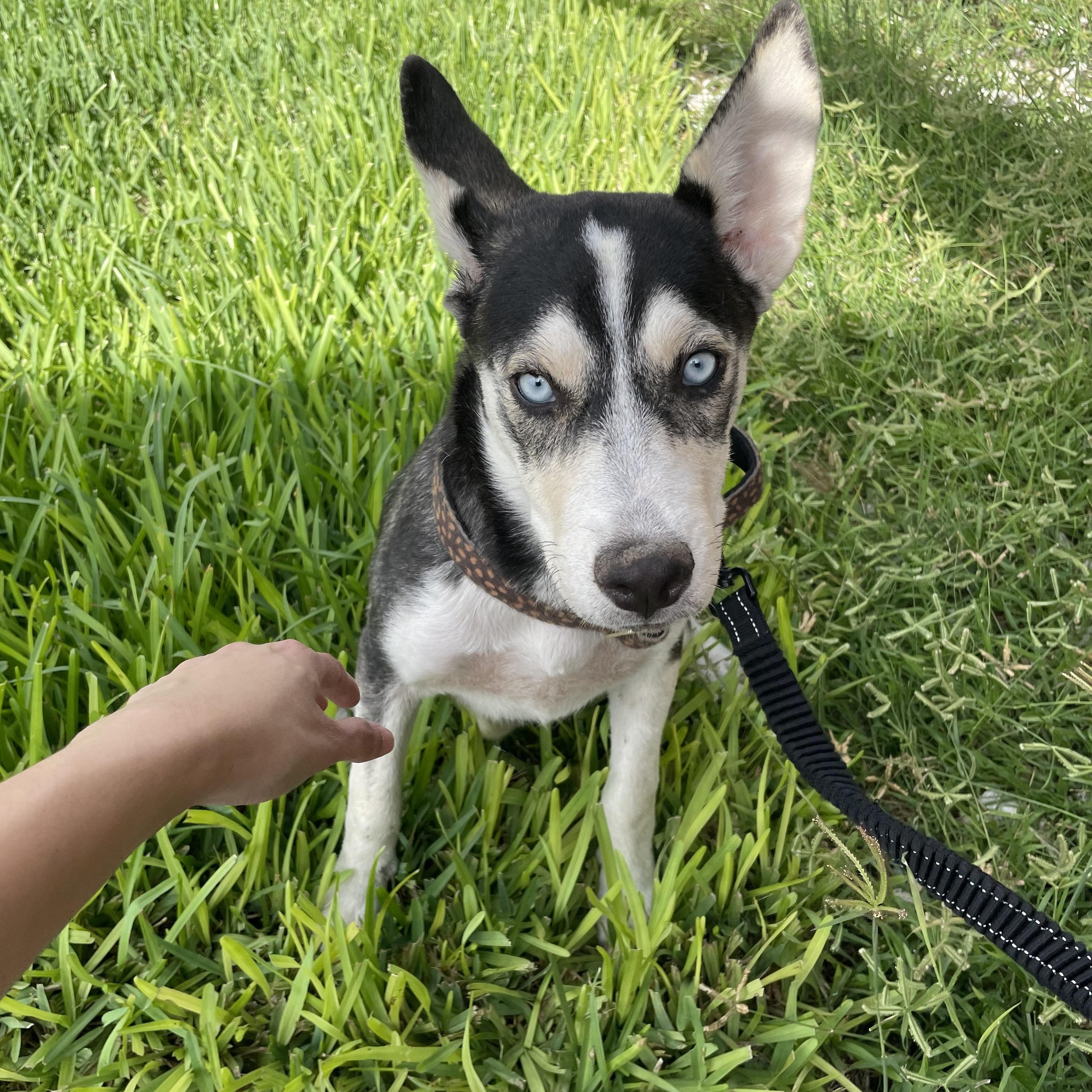
Adopting a dog like Athena—typically a high-energy, intelligent, and loyal companion—transforms your life by balancing profound emotional joy with a series of critical lifestyle choices. This journey requires navigating the complexities of modern pet ownership, including financial planning for 2026 veterinary standards, dedicated behavioral training, and adjusting your daily environment to meet a rescue dog's unique needs.
The decision to bring a dog named Athena into your home is rarely just about adding a pet to the household; it is a commitment to a specific type of companionship. Athena, a name often bestowed upon strong, spirited breeds like German Shepherds, Huskies, or Pit Bull mixes, carries a certain expectation of character. In the landscape of 2026, where the bond between humans and animals has become a cornerstone of personal wellness, understanding the nuances of this adoption process is essential for a successful transition.
The "Athena" Archetype: Understanding Your New Companion
In the context of animal rescue, certain names recur for dogs with distinct personalities. "Athena" often signifies a female dog who is perceived as wise, protective, and athletic. When you choose to adopt a dog with this profile, you are typically looking at a medium-to-large breed with significant exercise and mental stimulation requirements.
Choosing to adopt instead of purchase from a breeder is the first major choice in this journey. In 2026, shelters and rescues have refined their matching processes, using behavioral assessments to ensure that "Athena" fits your specific living situation. However, the "joy" mentioned in the title is not instantaneous; it is cultivated through the "choices" made during the first few months of decompression and integration.
The Significance of the Breed Profile
While "Athena" can be any dog, the name is frequently associated with "working" or "herding" lineages. These dogs bring a specific type of joy: the joy of partnership. They are not merely "couch potatoes" but active participants in their owners' lives. The choice to adopt such a dog means choosing a lifestyle that includes:
- High-intensity physical activity: Daily walks are rarely enough; these dogs often require hiking, running, or agility work.
- Cognitive engagement: Working breeds need "jobs" to do, such as nose work, advanced trick training, or interactive puzzle solving.
- Vigilant socialization: Ensuring that a powerful and intelligent dog remains well-adjusted in urban or suburban environments is a constant, rewarding task.
The Emotional Landscape: Why Adopting Athena Brings Joy
The psychological impact of dog adoption is well-documented. For many owners in 2026, the primary driver for adoption is the search for a meaningful connection in an increasingly digital world. Athena provides a tactile, grounding presence.
The "Rescue Glow" and Mutual Healing
There is a unique emotional satisfaction found in rescuing a dog that may have had a difficult start in life. This "joy" stems from witnessing the transformation of a shy or reactive animal into a confident, happy family member. Research into the human-canine bond suggests that the release of oxytocin during interactions with a pet can significantly lower stress levels and improve cardiovascular health.
Purpose and Routine
Adopting Athena forces a structured routine onto the adopter. For individuals working remotely or in high-stress environments, the necessity of caring for a living being provides a sense of purpose that transcends professional obligations. The "choice" to wake up early for a walk or to spend an evening at a training class creates a rhythm that can alleviate symptoms of anxiety and depression.
Navigating the Essential Choices of the Adoption Process
The joy of adoption is underpinned by several logistical and ethical choices. These decisions dictate the long-term success of the relationship and the well-being of the dog.
1. The Choice of Environment: Creating a Sanctuary
Preparing your home for Athena involves more than just buying a bed and a bowl. In 2026, "pet-centric" home design has become a standard.
- Safety Upgrades: For a dog like Athena, who may be a high-jumper or an "escape artist," fencing must be at least six feet high and securely anchored.
- Sensory Management: Creating a "decompression zone"—a quiet area of the house where the dog can retreat—is vital for rescue dogs who may feel overwhelmed by new sights and sounds.
- Smart Home Integration: Many owners now choose to install pet cameras with two-way audio or automated treat dispensers to manage separation anxiety while they are away from home.
2. The Choice of Nutrition: Precision Feeding in 2026
Nutrition is no longer a "one-size-fits-all" category. For a high-energy dog like Athena, the choice of diet directly impacts her lifespan and behavior.
- Customized Diets: Many owners are moving toward subscription-based, fresh-food diets tailored to the dog’s specific weight, age, and activity level.
- Supplementation: In 2026, it is common to include joint supplements (such as glucosamine and chondroitin) early in a large dog’s life to prevent the onset of hip dysplasia or arthritis, which are common in "Athena-type" breeds.
3. The Choice of Training Philosophy
How you choose to communicate with Athena will define your bond. Modern veterinary behaviorists, such as those associated with the American Veterinary Society of Animal Behavior (AVSAB), advocate for Positive Reinforcement (LIMA—Least Intrusive, Minimally Aversive) methods.
- Building Trust: Especially for a rescue dog, "dominance-based" training can be damaging. Choosing a trainer who focuses on rewarding desired behaviors creates a safe environment for Athena to learn.
- Ongoing Education: Training is not a "one-and-done" event. It is a lifelong choice to keep the dog's mind sharp and her manners consistent.
Financial Realities: The Cost of Joy in 2026
Adopting a dog is a significant financial commitment. To ensure the "joy" isn't overshadowed by financial stress, potential adopters must be realistic about the costs involved in 2026.
| Expense Category | Estimated Initial Cost (USD) | Estimated Annual Cost (USD) | Notes |
|---|---|---|---|
| Adoption Fees | $250 – $600 | N/A | Usually includes spay/neuter and initial vaccines. |
| Veterinary Care | $300 – $800 | $500 – $1,200 | Includes annual exams, bloodwork, and preventatives. |
| Pet Insurance | N/A | $600 – $1,500 | Highly recommended for large breeds in 2026. |
| Premium Food | $100 – $200 | $1,200 – $2,400 | Based on high-quality fresh or specialized kibble. |
| Training & Socialization | $200 – $1,000 | $200 – $500 | Group classes or private behavioral sessions. |
| Supplies & Tech | $300 – $700 | $150 – $300 | Bedding, crates, GPS collars, and toys. |
| TOTAL | $1,150 – $3,300 | $2,650 – $5,900 | Costs vary significantly by location and dog health. |
Health Management: Long-term Considerations for Athena
Ensuring that Athena lives a long, healthy life requires proactive choices regarding her medical care. In 2026, the focus has shifted from reactive "sick care" to proactive "wellness management."
Preventative Medicine and Diagnostics
Regular check-ups are the foundation of canine health. For a rescue dog whose history may be unknown, initial diagnostic choices are critical:
- DNA Testing: Services like Embark or Wisdom Panel are frequently used to identify potential genetic predispositions to conditions like Degenerative Myelopathy (DM) or Multi-Drug Sensitivity (MDR1).
- Microchipping and GPS: Ensuring Athena is microchipped is a legal requirement in many jurisdictions and a practical necessity. Many 2026 adopters also choose wearable GPS trackers that monitor the dog’s heart rate and activity levels.
Addressing "Rescue-Specific" Health Issues
Many dogs named Athena come from high-stress shelter environments, which can lead to suppressed immune systems or chronic conditions like "kennel cough" or skin allergies. The choice to invest in high-quality dermatological care or allergy testing early on can prevent years of discomfort for the dog.
The Social Choice: Impact on Your Community
Adopting Athena is also a social statement. By choosing a rescue dog, you are participating in a movement that prioritizes the welfare of existing animals over the production of new ones.
Being a Responsible "Bully Breed" or "Large Breed" Advocate
If Athena is a breed that is often misunderstood by the public (such as a Pit Bull mix or a Doberman), your choice to adopt her comes with the responsibility of being an ambassador. This means:
- Impeccable Public Manners: Ensuring she is well-trained in public spaces.
- Education: Gently correcting misconceptions that neighbors or family members may have about her breed.
- Leash Laws: Strict adherence to local ordinances to ensure both Athena and the community remain safe.
Common Mistakes to Avoid During the Transition
Despite the best intentions, the "choices" made in the first 72 hours of adoption can set the tone for the entire relationship.
- Over-stimulation: Many new owners want to show off Athena to friends and family immediately. This can lead to sensory overload. The "Rule of Three" (3 days to decompress, 3 weeks to learn the routine, 3 months to feel at home) is a vital guideline.
- Inconsistent Rules: If Athena isn't allowed on the couch, that rule must be enforced from day one. Inconsistency causes confusion and anxiety in rescue dogs.
- Neglecting Self-Care: "Puppy blues" or "Adoption regret" is a real phenomenon. The choice to seek support from local dog-owner communities or trainers can help human owners manage the stress of a changing lifestyle.
Frequently Asked Questions
How do I prepare my home for a dog like Athena?
Preparation involves both safety and comfort. Secure your yard with high fencing, remove toxic plants, and create a designated "safe space" with a crate or bed in a low-traffic area. Ensure you have high-quality cleaning supplies for "accidents" during the transition period and secure any loose wires or small objects the dog might chew.
What are the average adoption costs in 2026?
While adoption fees themselves range from $250 to $600, the total "first-year" cost often exceeds $3,000 when accounting for veterinary check-ups, high-quality gear, training classes, and premium nutrition. Pet insurance has become a standard expense, costing between $50 and $125 per month depending on coverage.
How long does the "decompression" period last?
Most experts, including those at the American Society for the Prevention of Cruelty to Animals (ASPCA), recommend following the 3-3-3 rule. It takes about three days for the initial shock to wear off, three weeks for the dog to start showing its true personality, and three months for the dog to build a complete bond of trust with the new owners.
What should I do if Athena has behavioral issues?
Behavioral issues like separation anxiety or leash reactivity are common in rescue dogs. The best choice is to consult a certified professional dog trainer (CPDT-KA) or a veterinary behaviorist early. Avoid "quick fix" tools like shock or prong collars, which can exacerbate fear-based behaviors.
Is pet insurance worth it for a rescue dog?
Yes. In 2026, veterinary costs for specialized surgeries or chronic disease management have risen. Insurance provides a safety net that ensures you never have to make a life-or-death decision based on your bank account balance. Look for policies that cover hereditary conditions and offer "direct pay" to veterinarians.
Next Steps for Prospective Adopters
If you are ready to experience the joy and make the choices required to adopt Athena, your first step should be to research local breed-specific rescues or high-quality municipal shelters. Schedule a "meet and greet" where all members of your household—including existing pets—can interact with the dog in a controlled environment.
Before bringing Athena home, finalize your choice of veterinarian and trainer. Having these professional resources in place before the dog arrives ensures that you can focus entirely on building a bond of trust and love. Adopting Athena is a transformative journey that, while demanding, offers a level of companionship and mutual growth that few other life choices can match.