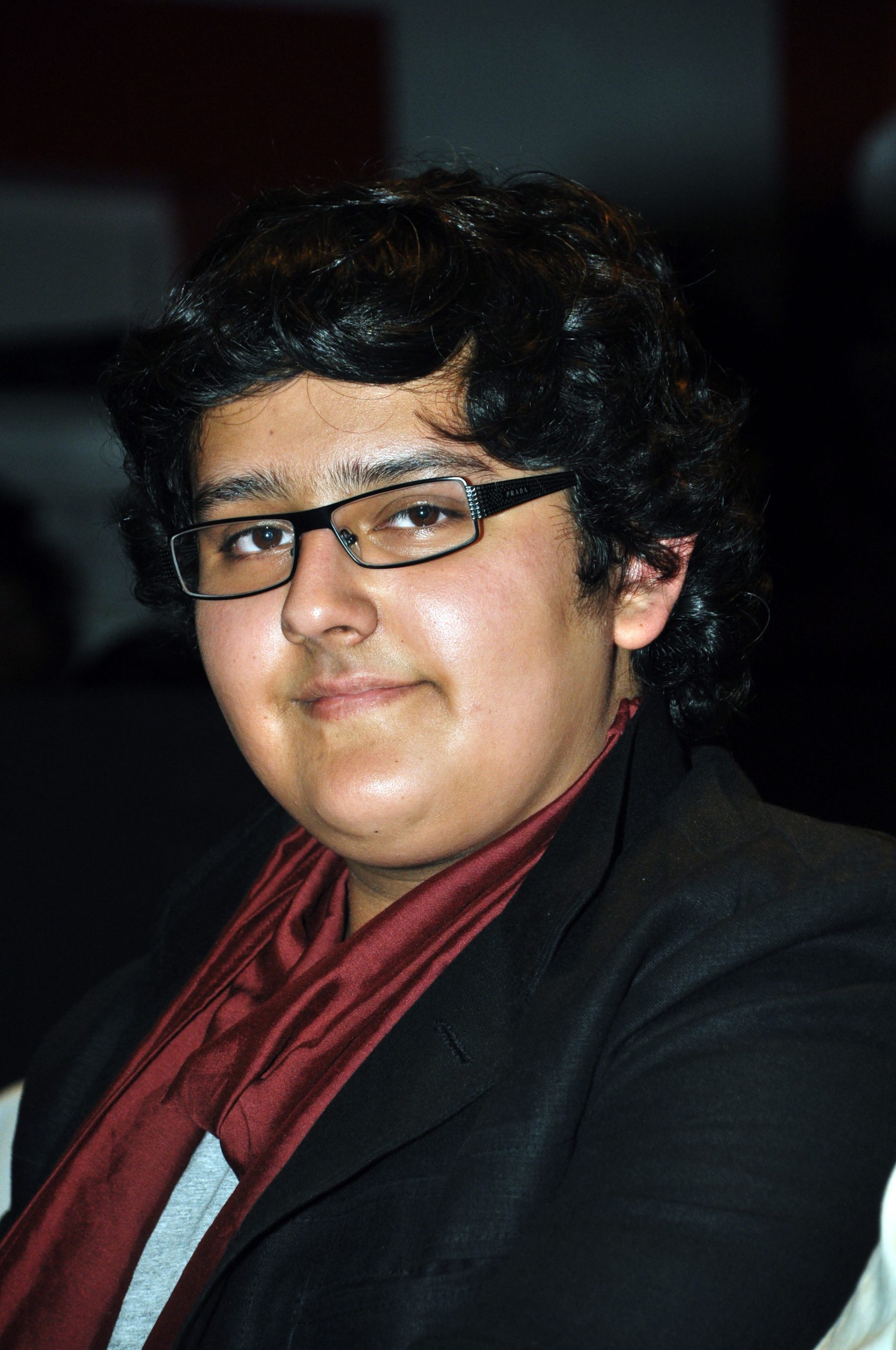
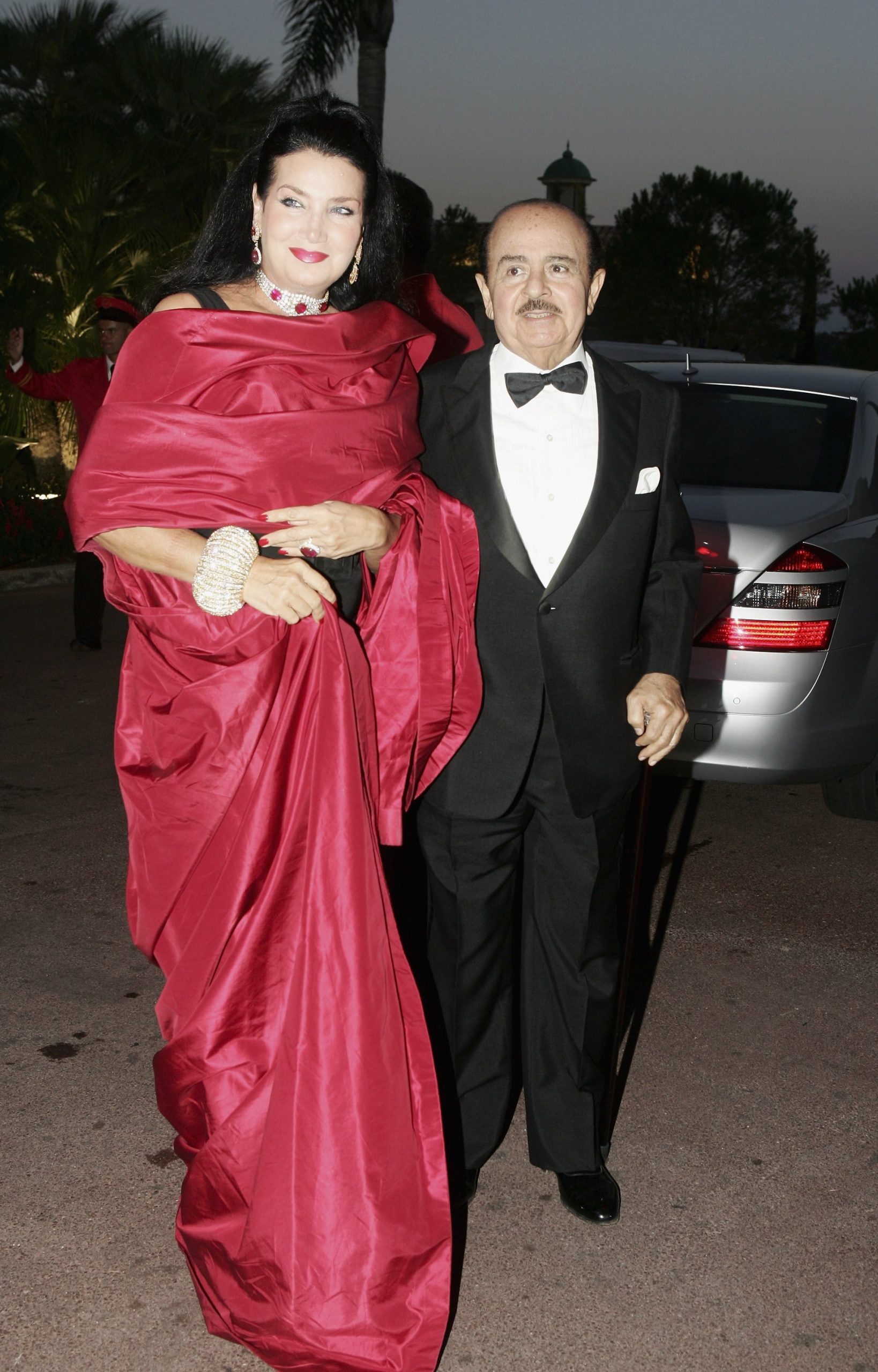
Adnan Durrani’s net worth is primarily derived from his success as a serial entrepreneur and pioneer in the natural food and beverage industries. As of 2026, his wealth is estimated between $50 million and $100 million, largely driven by his majority stake in American Halal Company (Saffron Road) and previous successful exits like Vermont Pure Springs.
The Entrepreneurial Journey of Adnan Durrani
The financial trajectory of Adnan Durrani is a case study in identifying untapped market niches and scaling them through ethical business practices. Long before he became a household name in the global Halal food market, Durrani was establishing a reputation for building high-growth companies that prioritized social responsibility alongside profitability. His career has spanned several decades, moving from financial services to consumer packaged goods (CPG), with a consistent focus on the "conscious consumer" segment.
Understanding Durrani’s net worth requires looking past simple salary figures. Most of his wealth is tied to equity—the ownership he maintains in the companies he founds or directs. In the world of private equity and venture capital, wealth is often "illiquid" until an exit event (like an IPO or acquisition) occurs. However, his previous track record of taking companies public or selling them to larger conglomerates has provided a significant capital base that supports his current ventures and investment portfolio.
Vermont Pure Springs: The First Major Liquidity Event
One of the most significant contributors to Adnan Durrani’s early wealth was Vermont Pure Springs. Founded in the early 1990s, this venture was a pioneer in the bottled water industry. At a time when the market was dominated by a few large players, Durrani positioned Vermont Pure as a premium, socially responsible alternative.
Durrani served as the founder and president, leading the company through its initial public offering (IPO). This was a landmark event, as it was one of the first "socially responsible" companies to go public on a major exchange. The successful scaling of Vermont Pure Springs and its subsequent market performance provided Durrani with the capital necessary to transition into larger-scale impact investing. When the company eventually merged with other entities in the beverage space, the valuation of his equity stake served as the foundation for his future financial endeavors.
Saffron Road and the Rise of American Halal Company
The centerpiece of Adnan Durrani’s current financial portfolio is the American Halal Company, which owns the Saffron Road brand. Launched in 2010, Saffron Road was a revolutionary concept in the North American grocery market. Durrani recognized that the Muslim population was underserved by mainstream retailers, but he also realized that the "Halal" designation could appeal to a much broader audience if it were paired with "Natural," "Non-GMO," and "Certified Humane" labels.
Market Positioning and Revenue Growth
By 2026, Saffron Road has expanded from a niche frozen entree brand into a multi-category powerhouse, offering snacks, sauces, and shelf-stable meals in over 25,000 stores across the United States. The company’s valuation is a primary driver of Durrani's net worth. In the CPG industry, companies are often valued at 2 to 4 times their annual revenue, depending on growth rates and profit margins.
Saffron Road’s ability to capture the "Clean Label" enthusiast has allowed it to command premium pricing. This strategy ensures healthy margins, which in turn increases the enterprise value of the company. As the majority shareholder, Durrani’s personal wealth fluctuates with the company’s valuation, which has steadily climbed as the global Halal market is projected to exceed trillions of dollars in trade.
The Inclusive Marketing Strategy
A key factor in the financial success of Saffron Road is its "inclusive" marketing. Roughly 80% of Saffron Road’s consumers are not Muslim; they are "foodies" and health-conscious shoppers who trust the Halal certification as a proxy for higher quality and ethical sourcing. This crossover appeal has allowed the brand to avoid being pigeonholed in the "ethnic" aisle, moving instead into the mainstream natural foods section of retailers like Whole Foods Market, Kroger, and Costco.
Private Equity and Condor Ventures
Beyond his operational roles, Adnan Durrani has a sophisticated background in finance and private equity. As a partner at Condor Ventures, he has played a role in identifying and funding early-stage companies that align with his philosophy of "doing well by doing good."
His experience at Condor Ventures involved:
- Analyzing emerging trends in the natural products sector.
- Providing strategic guidance to portfolio companies to prepare them for acquisition.
- Managing capital distributions that provide consistent returns to partners.
This background in finance means that Durrani’s net worth is not solely dependent on a single company. A diversified portfolio of investments in other high-growth startups likely contributes a significant secondary stream of wealth. In the 2020s, as ESG (Environmental, Social, and Governance) investing became a dominant theme in global markets, Durrani’s early positioning in this space likely yielded substantial dividends.
Estimating Net Worth: Revenue Multiples and Equity Stakes
To explain Adnan Durrani’s net worth in a technical sense, we must look at the standard valuation metrics for the food industry. Unlike tech companies, which may trade at 10x or 20x revenue, food brands are valued based on their distribution footprint and brand equity.
| Component | Estimated Value Contribution | Description |
|---|---|---|
| Saffron Road Equity | $40M - $70M | Based on majority ownership of a company with high eight-figure annual revenue. |
| Real Estate & Personal Assets | $5M - $10M | Primary residences and personal investment holdings. |
| Historical Exits (Vermont Pure, etc.) | $10M - $20M | Retained earnings and reinvested capital from previous sales/IPOs. |
| Private Equity Portfolio | $5M - $10M | Managed investments through Condor Ventures and other vehicles. |
Note: These figures are estimates based on available market data and industry standards as of 2026. Private equity holdings are not publicly disclosed.
The growth of Saffron Road remains the most volatile and high-potential element of this calculation. If the company were to be acquired by a giant like Nestlé or General Mills—a common path for successful natural brands—Durrani’s net worth could easily double overnight based on the acquisition premium typically paid for category-leading brands.
The Impact of Social Entrepreneurship on Personal Wealth
Durrani is frequently cited as a pioneer of "Social Entrepreneurship." This isn't just a philanthropic label; it is a business strategy that has direct implications for his financial standing. By adhering to strict ethical standards—such as Fair Trade and Certified Humane—his brands build a level of consumer loyalty that is difficult for traditional brands to replicate.
This loyalty translates into a lower Customer Acquisition Cost (CAC) and a higher Lifetime Value (LTV) for the brand's consumers. In financial terms, this makes his companies more "capital efficient." A capital-efficient company requires less venture debt or external equity dilution to grow, allowing the founder to retain a larger percentage of the company for a longer period. This is a major reason why Durrani’s net worth is significant despite him not having the multi-billion dollar exits seen in the tech sector; he owns more of what he builds.
Leadership and Board Positions
In addition to his CEO role, Durrani has served on numerous boards, including the Social Venture Network (now American Social Impact Investors) and the Board of Trustees of Fairfield University. While these roles are often motivated by service, they also provide a high-level networking environment that facilitates deal-making and investment opportunities.
Being at the center of the "Impact Investing" community gives Durrani "first-look" access to new deals. In the world of wealth management, this access is often more valuable than a high salary, as it allows for the compounding of wealth through early-stage investments in the next generation of successful companies.
Challenges and Financial Resilience
No analysis of a founder’s net worth is complete without acknowledging the risks. The CPG industry is notoriously difficult, characterized by thin margins, high slotting fees (the price paid to retailers for shelf space), and complex supply chains.
Durrani’s financial success is a result of navigating several crises, including:
- Supply Chain Volatility: The costs of sourcing organic and Halal-certified ingredients can fluctuate wildly.
- Market Competition: Large conglomerates frequently launch "copycat" brands to compete with successful startups.
- Economic Downturns: During recessions, consumers may trade down from premium organic brands to private labels.
His ability to maintain Saffron Road’s growth through these challenges is what sustains his net worth. A founder who can guide a company to profitability in a difficult sector is often viewed as a "de-risked" asset by investors, which further increases the value of their equity.
FAQ: Understanding the Financial Profile of Adnan Durrani
How did Adnan Durrani make his money?
Adnan Durrani built his wealth through a combination of founding high-growth consumer brands and making strategic investments in the natural products sector. His most notable successes include taking Vermont Pure Springs public and scaling Saffron Road into a leading national food brand.
What is Saffron Road's annual revenue in 2026?
While as a private company Saffron Road does not disclose exact tax filings, industry analysts estimate the brand’s annual revenue to be in the range of $100 million to $150 million. This growth is driven by expanded distribution and the increasing consumer demand for ethically sourced, clean-label foods.
Is Adnan Durrani a billionaire?
No, there is no public evidence to suggest that Adnan Durrani is a billionaire. His net worth is firmly in the multi-millionaire category, typically estimated between $50 million and $100 million. This puts him among the most successful entrepreneurs in the niche CPG and natural foods space.
Does he own Saffron Road entirely?
No, while Adnan Durrani is the founder and CEO of American Halal Company (which owns Saffron Road), the company has received backing from various private equity and venture capital firms over the years. However, Durrani is believed to maintain a significant equity stake that represents the largest portion of his net worth.
What is the future outlook for his wealth?
The future of Durrani’s net worth is largely tied to a potential liquidity event for Saffron Road. If the brand continues its upward trajectory and is eventually sold to a major food conglomerate, his net worth could see a substantial increase based on the exit valuation.
Practical Next Action for Aspiring Entrepreneurs
If you are looking to replicate the financial success of leaders like Adnan Durrani, focus on category creation rather than just category competition. Durrani did not just start another frozen food brand; he created the "Natural Halal" category. By combining two disparate market trends—Halal requirements and the Natural Foods movement—he created a "Blue Ocean" strategy that minimized direct competition and allowed for higher profit margins. Investors and founders should prioritize identifying these overlapping consumer needs to build defensible, high-value enterprises.