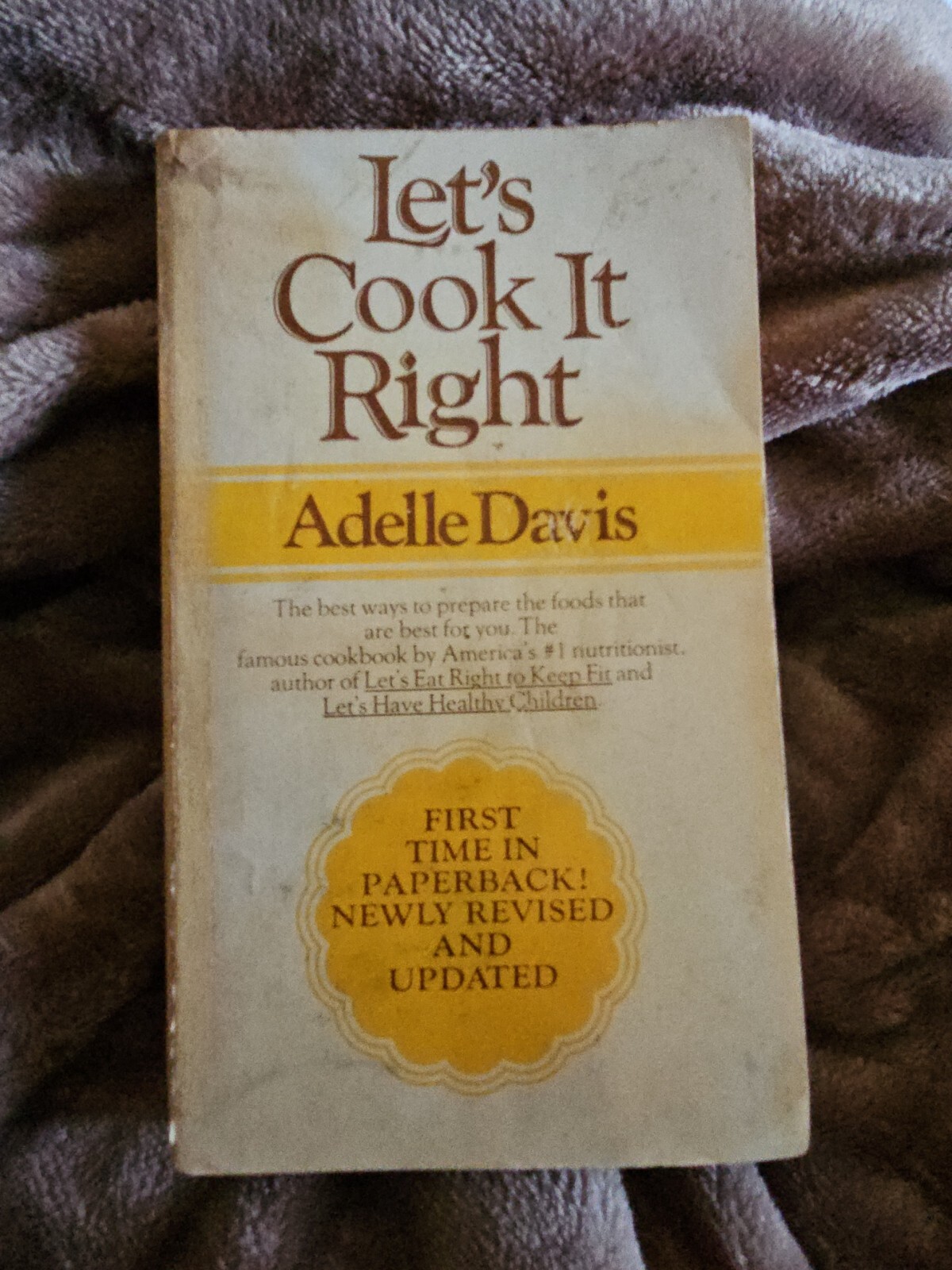
Adelle Davis died on May 31, 1974, at the age of 70. The official cause of death was multiple myeloma, a form of bone marrow cancer. Her passing occurred at her home in Palos Verdes Estates, California, following a year-long battle with the disease that contradicted many of her widely published nutritional theories.
Adelle Davis was arguably the most influential nutritionist of the mid-20th century. Her books sold millions of copies, shaping the dietary habits of a generation. However, her death from cancer remains a significant point of historical discussion, primarily because she had spent decades asserting that most diseases—including cancer—were the result of nutritional deficiencies and could be prevented through proper diet and supplementation. As we look back from 2026, the intersection of her life's work and her ultimate cause of death continues to offer insights into the evolution of nutritional science and the complexities of public health messaging.
The Circumstances of Adelle Davis’s Passing
In early 1973, Adelle Davis was diagnosed with multiple myeloma. Multiple myeloma is a cancer that forms in a type of white blood cell called a plasma cell. These cells help fight infections by making antibodies that recognize and attack germs. In multiple myeloma, cancerous plasma cells accumulate in the bone marrow and crowd out healthy blood cells. Rather than produce helpful antibodies, the cancer cells produce abnormal proteins that can cause kidney problems and bone damage.
At the time of her diagnosis, Davis was at the height of her fame. She was a regular guest on late-night talk shows and her books, such as Let’s Eat Right to Keep Fit and Let’s Get Well, were staples in American households. When the news of her illness became public, it sent shockwaves through the health-food community. Davis had frequently suggested that cancer was a "deficiency disease" and famously remarked in her writings that she had "never seen anyone get cancer who drank a quart of milk daily... and ate no refined sugar."
Davis faced the diagnosis with a mix of defiance and rationalization. She reportedly attributed her illness to the "junk food" she had consumed during her childhood and college years before she discovered nutrition. She also cited the extreme stress of her professional life and the "poisonous" environment of the modern world as contributing factors. Despite her efforts to treat her condition with the very vitamins and minerals she championed, the disease progressed, leading to her death in late May 1974.
Understanding Multiple Myeloma in the 1970s
To understand the impact of Davis's death, one must consider the medical context of 1974. Multiple myeloma was, and remains, a difficult cancer to treat. In the early 1970s, the primary treatments were chemotherapy (specifically melphalan and prednisone) and radiation therapy. Bone marrow transplants were still in their experimental infancy and were not a viable option for a 69-year-old patient at that time.
The prognosis for multiple myeloma in 1974 was generally poor, with median survival rates often measured in months rather than years. Davis lived for roughly a year after her diagnosis, which was consistent with the clinical outcomes of the era. For many of her critics in the medical establishment, her death was a tragic confirmation that nutrition, while important for general health, is not a panacea for complex genetic and cellular malfunctions like malignancy.
The Irony and the Nutritional Controversy
The central controversy surrounding Adelle Davis’s cause of death is the perceived irony of her situation. Davis was a pioneer of the "orthomolecular" approach—the idea that the right molecules in the right amounts can cure almost anything. She was a vocal critic of the "white bread and sugar" American diet, which she blamed for the rise in chronic illnesses.
The Clash with Medical Science
Davis’s assertions often put her at odds with the American Medical Association (AMA) and the Food and Drug Administration (FDA). While she held a Master of Science in biochemistry from the University of Southern California and had trained at prestigious institutions, many scientists accused her of "anecdotal evidence" and "cherry-picking" data. Her death from cancer was used by some medical professionals to argue that her dietary advice was overblown or even dangerous if it led patients to eschew traditional medical treatment in favor of vitamins.
The Argument for Prevention vs. Cure
In the years following 1974, supporters of Davis argued that her death did not invalidate her theories. They posited that her long life—reaching age 70 at a time when the average female life expectancy was roughly 75—was actually a testament to her health practices, especially considering the "nutritional insults" she claimed to have suffered in her youth. However, the specific claim that cancer was impossible under her regimen was a hurdle that even her most ardent followers found difficult to clear.
The Life and Career of Adelle Davis
Adelle Davis was born in 1904 in Lizton, Indiana. Her interest in nutrition began at a young age, leading her to study at Purdue University and later graduate from the University of California, Berkeley. She began her career as a dietetic consultant and later moved into writing, where she found her true calling.
Major Publications and Influence
Davis’s influence was rooted in four major books that redefined how Americans viewed their plates:
- Let’s Cook It Right (1947): Focused on preserving nutrients during the cooking process.
- Let’s Have Healthy Children (1951): Provided advice on prenatal and infant nutrition, which later became a source of legal controversy.
- Let’s Eat Right to Keep Fit (1954): Her most popular work, outlining the necessity of vitamins and minerals.
- Let’s Get Well (1965): A guide to using nutrition to combat specific ailments.
By the early 1970s, she had become a cultural icon. She was the face of the nascent "health food" movement, advocating for whole-grain breads, fresh vegetables, and the avoidance of additives and preservatives. Her message resonated with a public that was becoming increasingly wary of industrial food processing.
Historical Timeline of Adelle Davis’s Career and Death
The following table outlines the key milestones in Davis’s life, focusing on her professional rise and the timeline leading to her death.
| Year | Milestone/Event | Historical Significance |
|---|---|---|
| 1904 | Born in Lizton, Indiana | Beginning of her life in a rural, agricultural setting. |
| 1927 | Graduated from UC Berkeley | Earned a degree in dietetics, forming her academic foundation. |
| 1938 | M.S. from USC | Obtained her Master's in Biochemistry, adding scientific weight to her claims. |
| 1947 | Publication of Let’s Cook It Right | Established her as an authority on healthy food preparation. |
| 1954 | Publication of Let’s Eat Right to Keep Fit | Became a massive bestseller and a cornerstone of the nutrition movement. |
| 1971 | Ryan v. Adelle Davis Lawsuit | A landmark case regarding the dangers of high-dose potassium advice for infants. |
| 1973 | Diagnosis of Multiple Myeloma | The beginning of her personal battle with cancer. |
| 1974 | Death in Palos Verdes Estates | Her passing at age 70 due to bone marrow cancer. |
Criticisms and Scientific Backlash
While Davis was beloved by the public, she was frequently scrutinized by the scientific community. The "Adelle Davis cause of death" is often cited in medical history classes as a cautionary tale regarding health claims that exceed scientific evidence.
Dangerous Recommendations
One of the most significant criticisms leveled against Davis involved her recommendations for extremely high doses of certain vitamins. For instance, she advocated for levels of Vitamin A and Vitamin D that modern science recognizes as potentially toxic. This came to a head in the early 1970s when the estate of Adelle Davis was sued following the death of an infant whose mother followed Davis's advice for treating "colic" with high doses of potassium. The case was settled, but it tarnished her reputation among clinical nutritionists.
Lack of Peer Review
Critics argued that Davis’s books lacked the rigor of peer-reviewed literature. She often cited studies that were obscure, outdated, or taken out of context. The Harvard nutritionist Dr. Frederick Stare was one of her most vocal opponents, frequently debating her in public forums and characterizing her work as "nutritional fantasy."
The Legacy of Adelle Davis in 2026
In 2026, we can view Adelle Davis with a more balanced perspective. While her specific cause of death—multiple myeloma—undercut her claim that nutrition could prevent all cancer, her broader impact on American life is undeniable.
Successes of Her Philosophy
Many of the ideas Davis championed are now mainstream:
- Whole Foods: The emphasis on unrefined grains and fresh produce is now the cornerstone of global dietary guidelines.
- Prenatal Nutrition: The link between maternal diet and fetal health, which she emphasized, is now fundamental to obstetric care.
- Supplementation: While the "mega-dose" theory is largely discredited, the use of targeted supplements (like folic acid for pregnancy) is standard practice.
The Evolution of Nutrition Science
Today, we recognize that cancer is a multifactorial disease involving genetics, environmental exposures, and random cellular mutations, in addition to lifestyle factors. Davis’s death served as a pivotal moment that forced the health food movement to reconcile with the limits of dietary intervention. It helped usher in a more nuanced era of nutrition—one that values the benefits of a healthy diet while acknowledging the necessity of modern medical intervention.
Frequently Asked Questions
What exactly is multiple myeloma?
Multiple myeloma is a type of blood cancer that develops in the bone marrow. It affects plasma cells, which are a vital part of the immune system. When these cells become cancerous, they grow out of control and produce a protein (M protein) that can damage the kidneys, bones, and immune function. In the 1970s, treatment options were very limited, which contributed to Adelle Davis’s relatively rapid decline after diagnosis.
Did Adelle Davis follow her own nutritional advice while sick?
Yes, reports from the time indicate that Davis continued to use high-dose vitamin therapy and specific dietary regimens throughout her illness. However, she also eventually sought traditional medical care as the cancer progressed. She remained a firm believer in the power of nutrition until her final days, though she admitted that her past "mistakes" in diet might have been her undoing.
Was her death considered premature?
At age 70, Davis was close to the average life expectancy for a woman in 1974. However, because she projected an image of "invincible health" and claimed her methods could lead to a significantly longer, disease-free life, many people at the time viewed her death at 70 as premature and as a failure of her dietary philosophy.
How do modern nutritionists view her work today?
Modern nutritionists generally view Adelle Davis as a visionary who was ahead of her time regarding the dangers of processed foods, but who was also prone to dangerous exaggerations. She is credited with sparking the organic and health food movements, but her specific clinical advice is usually disregarded in favor of evidence-based, peer-reviewed nutritional science.
What was the "Ryan v. Adelle Davis" case?
This was a legal action taken after a young child suffered permanent damage (and another child in a separate incident died) allegedly due to following the advice in Davis's book Let's Have Healthy Children. Specifically, the advice involved giving infants large amounts of potassium. The case highlighted the dangers of providing medical and nutritional advice through popular media without sufficient clinical testing or warnings.
Final Recommendation
For those researching the life of Adelle Davis or investigating her cause of death, it is essential to separate her historical impact from her clinical accuracy. Davis remains a monumental figure in the history of wellness, but her passing from multiple myeloma serves as a reminder that nutrition is one component of health, not a guaranteed shield against all biological vulnerabilities. When considering nutritional changes, always prioritize evidence-based guidelines from accredited health organizations and consult with a registered dietitian or medical professional to ensure safety and efficacy.