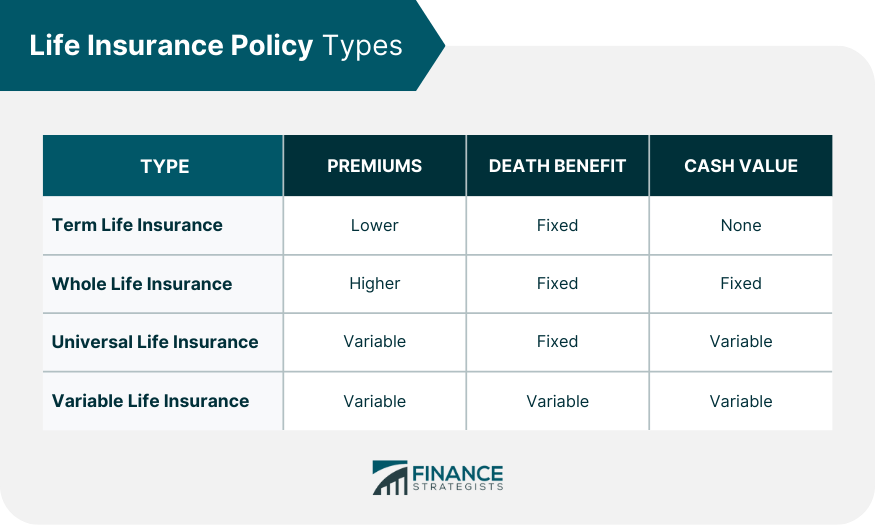
Managing the liquidity within your life insurance policy to contribute to an Individual Retirement Account (IRA) is a strategic financial move that requires careful navigation of tax codes, surrender charges, and contribution limits. Because you cannot directly transfer funds from an insurance policy to an IRA, the process involves withdrawing cash value from the policy as an individual and subsequently using those proceeds to fund a tax-advantaged retirement account, provided you meet the IRS eligibility requirements for the current tax year.
Understanding the Mechanics of Policy Liquidity
To effectively fund an IRA from your life insurance, you must first understand the distinction between the death benefit and the cash value of a permanent life insurance policy, such as whole life or universal life insurance. The cash value component acts as a savings element that grows over time. When you access this money, you are essentially borrowing from or withdrawing your own equity in the policy.
Unlike a bank account, accessing cash value often carries implications for your policy’s face value. If you make a permanent withdrawal, the death benefit paid to your beneficiaries upon your passing may be reduced. Conversely, if you treat the funds as a loan against the policy, you must pay interest to the insurance company to prevent the policy from lapsing. For the purpose of funding an IRA, you must ensure that the source of your contribution is "post-tax" capital—meaning money you have already received from the insurance carrier—as the IRS does not allow direct institutional rollovers from insurance products into retirement accounts.
Prerequisites for IRA Contributions in 2026
Before initiating a withdrawal, you must confirm your eligibility to contribute to an IRA for the 2026 tax year. The IRS establishes strict guidelines regarding who can contribute and how much.
- Earned Income Requirement: You must have taxable compensation for the 2026 tax year. This includes wages, salaries, commissions, or net earnings from self-employment. Investment income, such as dividends or interest from your life insurance policy, does not qualify as "earned income" for the purpose of IRA eligibility.
- Contribution Limits: For 2026, the annual contribution limit for a Traditional or Roth IRA remains subject to federal adjustments. If you are under age 50, you are limited to a specific statutory cap; those aged 50 and older may be eligible for an additional "catch-up" contribution.
- Income Thresholds: If you are contributing to a Roth IRA, your Modified Adjusted Gross Income (MAGI) must fall below the IRS phase-out limits for your tax filing status. If your income exceeds these limits, your ability to contribute directly to a Roth IRA may be restricted, though you might still be eligible for a non-deductible Traditional IRA contribution.
The Procedural Steps for Execution
Because there is no direct link between insurance carriers and IRA custodians, you must act as the intermediary. Follow this sequence to maintain compliance and financial efficiency:
Step 1: Verify Policy Cash Value Contact your insurance provider to request a "current cash surrender value" statement. This document confirms the amount available to you without triggering a policy lapse. Ask specifically for the "cost basis" of your policy—the total amount of premiums you have paid. Withdrawals up to your cost basis are generally considered tax-free, as the IRS views these as a return of your own principal.
Step 2: Request the Withdrawal or Loan Submit a formal request for a partial surrender or a policy loan. Note the date of the transaction. A withdrawal reduces your cash value and death benefit permanently, whereas a loan requires repayment. If you intend to fund your IRA, a withdrawal of your cost basis is often the most tax-efficient method.
Step 3: Transfer to a Liquid Account Deposit the proceeds from your insurance provider into a personal checking or savings account. Do not attempt to move the funds directly from the insurer to the brokerage; this will cause administrative errors or rejection of the transfer.
Step 4: Execute the IRA Contribution Once the funds have cleared in your personal account, initiate the contribution to your IRA. Ensure you designate the contribution for the 2026 tax year. Keep documentation of the insurance withdrawal and the IRA deposit as part of your financial records to verify the source of funds during tax filing.
Comparative Analysis: Withdrawals vs. Loans
When choosing how to access policy funds for your IRA, the decision between a withdrawal and a loan is critical.
| Feature | Policy Withdrawal | Policy Loan |
|---|---|---|
| Repayment | Not required | Required with interest |
| Tax Status | Tax-free up to cost basis | Generally tax-free |
| Death Benefit | Permanently reduced | Reduced by outstanding balance |
| Policy Risk | Low risk of lapse | Risk of lapse if interest accumulates |
If you withdraw up to your cost basis, you avoid income taxes. Any amount withdrawn above your cost basis is taxed as ordinary income, which could negate the tax advantages of your IRA contribution. Loans are generally not taxable, but if the policy lapses while a loan is outstanding, the IRS may treat the unpaid balance as a taxable distribution.
Potential Pitfalls and Professional Guidance
The most common mistake when funding an IRA via insurance proceeds is exceeding the cost basis and triggering a taxable event. If you withdraw more than you have paid in premiums, the insurance company will issue a Form 1099-R, and you will owe taxes on the gains.
Additionally, ensure that your life insurance policy remains in force. If the withdrawal is too large, the remaining cash value may be insufficient to cover the cost of insurance (the "COI" charges), causing the policy to terminate. This is particularly dangerous in universal life policies where the policyholder controls the premium schedule.
Because individual tax situations vary based on state laws and specific policy riders, it is essential to consult with a licensed tax professional or a certified financial planner. They can perform a sensitivity analysis to ensure that removing liquidity from your insurance does not undermine your long-term estate planning or death benefit goals.
Frequently Asked Questions
Can I move money directly from my life insurance to an IRA? No. There is no tax-code provision that allows for a direct rollover or transfer between a life insurance policy and an IRA. You must withdraw the funds into your personal possession and make a new contribution to your IRA account.
Are life insurance withdrawals considered taxable income? Withdrawals up to your "basis" (the total amount of premiums paid) are typically tax-free. Any withdrawal that exceeds your basis is considered a gain and is subject to ordinary income tax. Always request a "basis report" from your insurer before proceeding.
Does a policy loan count as an IRA contribution? No. The IRS requires that IRA contributions be made with "earned income." While the physical cash can come from a loan, the eligibility to contribute is strictly tied to your income from work, not the source of your liquid assets.
What happens if my insurance policy lapses after I withdraw funds? If a policy lapses while a loan is outstanding, the IRS considers the forgiven loan balance as income. This can result in a significant, unexpected tax bill in the year the policy terminates. Always monitor your policy's "no-lapse guarantee" or "secondary guarantee" status.
Can I use these funds for a Spousal IRA? Yes, provided you and your spouse file a joint tax return. You can use your insurance proceeds to fund a Spousal IRA, subject to the same total contribution limits and earned income requirements applicable to your household.
Final Recommendation
To move forward with this strategy, first obtain an in-force illustration from your insurance carrier to identify your exact cost basis and the potential impact of a withdrawal on your death benefit. Once you have confirmed that you have sufficient cost basis to cover your desired IRA contribution without triggering taxable gains, proceed with the withdrawal, deposit the funds into a bank account, and complete your IRA contribution through your brokerage portal. Maintain a file containing the insurance distribution statement and the IRA contribution confirmation for your tax records.