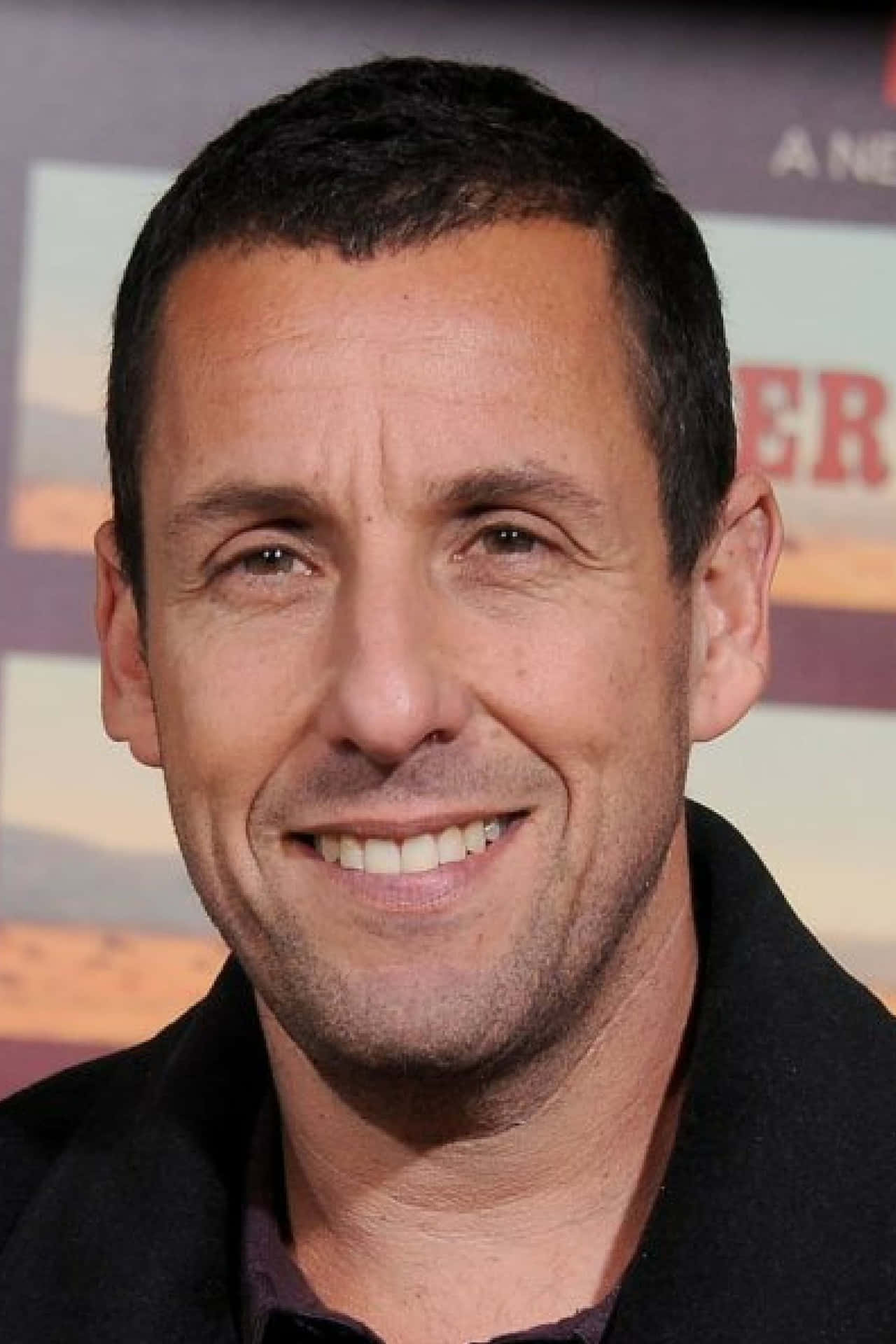
Securing an Adam Sandler picture for professional use, personal collections, or editorial purposes requires navigating complex intellectual property laws, licensing agreements, and digital distribution rights. As of 2026, obtaining high-quality imagery of high-profile celebrities like Adam Sandler involves verifying usage rights, understanding copyright ownership, and adhering to strict publicity statutes to ensure compliance with global media standards.
The Nature of Celebrity Imagery and Copyright Law
When individuals search for an "Adam Sandler picture," the intent often fluctuates between casual consumption—such as viewing personal fan sites or social media—and professional acquisition for commercial or editorial media. It is vital to distinguish between public domain, licensed, and protected intellectual property.
In the United States and many international jurisdictions, a photograph of a celebrity is protected by two distinct legal frameworks: copyright and the right of publicity. The photographer or the agency that commissioned the photograph generally holds the copyright. This means that even if a picture of Adam Sandler is publicly visible on the internet, it does not imply that the image is free to use for commercial, marketing, or even certain editorial purposes without explicit permission.
The "right of publicity" further complicates the landscape. This legal concept protects an individual’s right to control the commercial use of their name, image, and likeness. For a public figure like Adam Sandler, using his likeness in a way that suggests an endorsement of a product or service without a formal contract is a violation of these rights. Consequently, simply downloading a picture from a search engine result does not grant the user the legal authority to redistribute, print, or commercialize that image.
Primary Sources for Licensed Photography
For those requiring high-quality imagery for legitimate projects, professional stock photography agencies act as the primary clearinghouse for rights-managed and royalty-free content. These platforms bridge the gap between the content creator and the end-user by ensuring that all necessary releases have been secured.
Professional Stock Agencies
Agencies such as Getty Images, Shutterstock, and Alamy maintain massive catalogs of celebrity photography. When acquiring an Adam Sandler picture from these sources, the user is typically presented with a tiered licensing agreement. These agreements define:
- Editorial Use: The image can be used in newspapers, magazines, or documentaries to accompany a story about the subject.
- Commercial Use: This is significantly more restrictive and often requires an additional "model release" signed by the celebrity, which permits the image to be used in advertising, product packaging, or promotional materials.
- Territorial Limits: Some licenses are restricted by geography, meaning an image purchased for use in North America may not be authorized for European or Asian markets.
Public Relations and Press Kits
When the objective is to support an upcoming film release or a specific project associated with Adam Sandler—such as a film produced through his company, Happy Madison Productions—the most reliable source is the official press kit. Studios and publicists distribute high-resolution promotional stills specifically intended for editorial coverage. These images usually come with a "press license," allowing journalists and bloggers to use the photos within the scope of reporting on that specific project.
Technical Considerations for High-Quality Imagery
Selecting the right Adam Sandler picture involves more than just finding a clear shot. Technical specifications play a significant role in how the image performs across different media formats. Editors and digital creators must account for resolution, aspect ratio, and file formats.
Resolution and DPI
For print media, a standard of 300 Dots Per Inch (DPI) is required to ensure the image remains sharp when transferred to physical paper. If a web-optimized image is used for print, the resulting output will appear pixelated. Conversely, for web and mobile displays, high-resolution files are often optimized for speed; loading a 50MB TIFF file on a website will result in poor user experience and search performance.
Metadata and IPTC Standards
Professional images are embedded with IPTC (International Press Telecommunications Council) metadata. This data contains critical information, including:
- The date the photo was taken.
- The location of the shoot.
- Copyright information and ownership details.
- Keywords and descriptive captions.
Removing this metadata—sometimes called "stripping"—can be a violation of digital rights management policies and can make it difficult for rights holders to track the unauthorized use of their property.
Comparison of Image Acquisition Methods
The following table summarizes the different avenues for accessing celebrity photography based on specific user needs and legal constraints.
| Acquisition Method | Intended Use | Cost Structure | Legal Risk |
|---|---|---|---|
| Stock Agency | Commercial & Editorial | Pay-per-use or Subscription | Low (if licensed correctly) |
| Studio Press Kit | Professional Reporting | Generally Free | Low (within scope) |
| Social Media | Personal/Fan use | Free | High (if re-shared) |
| Google/Search Engines | Research Only | N/A | High (for republication) |
Common Pitfalls and Troubleshooting
Users often encounter issues when attempting to source images. One of the most common mistakes is assuming that "fair use" covers the unauthorized use of celebrity photos on commercial websites. Fair use is a legal defense in copyright cases, not a blanket permission to use images. It typically applies to transformative works, commentary, or criticism. A company using a celebrity's face to sell a non-related product is rarely protected under fair use.
Troubleshooting Missing Information
If you have an image but lack the proper licensing documentation:
- Perform a Reverse Image Search: Tools like Google Lens can help identify the original source or the agency that holds the copyright.
- Consult the "About" Section: If the image is on a personal or corporate blog, check if there is an image credit or a link to the photographer’s portfolio.
- Avoid "Orphan" Works: If an image's origin is impossible to verify, it is considered an "orphan work." Using these carries a high risk of copyright infringement lawsuits, as the creator could theoretically appear at any time to claim damages.
Frequently Asked Questions
1. Can I use an Adam Sandler picture for my personal blog?
If the blog is purely for personal expression and not monetized, you may face less scrutiny, but the legal risk remains. Many bloggers use "creative commons" or royalty-free images; however, these are rarely available for major celebrities. It is safer to use images provided by publicists or official press agencies.
2. Is it legal to edit an Adam Sandler picture for a meme?
While social media platforms have informal norms, creating a meme from a copyrighted photo technically infringes on the creator's rights. Whether it qualifies as "parody" under fair use is a legal determination often decided in court, making it a risky endeavor for professional content creators.
3. How do I know if an image has a model release?
When browsing professional stock sites like Getty Images, the metadata or licensing description will explicitly state if a "Model Release" is on file. If the site does not explicitly state this, you should assume no release exists, meaning the photo is not for commercial use.
4. Why are some photos of celebrities marked "Editorial Use Only"?
These photos are captured in public spaces (e.g., a red carpet or a public street). Because the photographer did not get the celebrity to sign a model release, the photos are legally restricted to news or documentary reporting only, as they cannot be used to endorse a product or brand.
Next Steps for Professional Users
If your professional requirement for an Adam Sandler picture is absolute, follow these steps:
- Identify the Purpose: Determine if you need the image for editorial reporting (news) or commercial promotion.
- Contact the Right Agency: If for editorial work, contact the film studio’s press department or a major photo wire service.
- Verify the License: Ensure the licensing agreement specifically covers your intended medium (e.g., social media vs. television broadcast vs. print).
- Maintain Documentation: Save the invoice or licensing agreement in your project files as proof of legal acquisition.
By following these procedures, you ensure that your projects remain compliant with intellectual property regulations while effectively utilizing professional media to meet your creative goals.