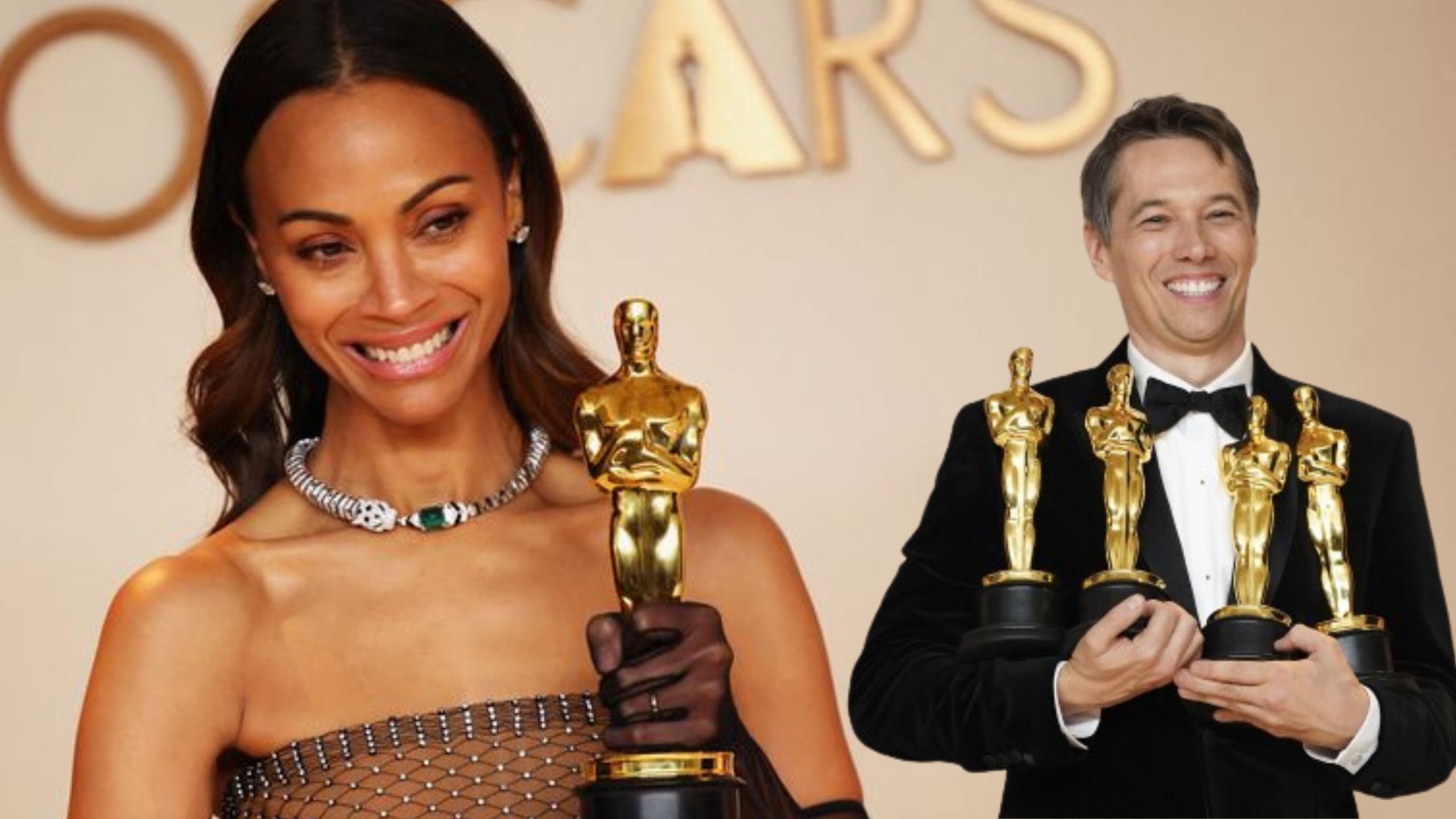
Navigating Academy Award coverage requires understanding how major media outlets, entertainment journalists, industry guilds, and digital platforms report on the Oscars. This ecosystem spans pre-season precursor tracking, red carpet logistics, live ceremony broadcasting, and post-show analysis, requiring strategic planning for audiences, professionals, and publishers alike.
The Evolution of Academy Award Coverage
The landscape of reporting on the Academy Awards has transformed dramatically over the decades, shifting from print-exclusive studio bulletins and next-day newspaper reviews to real-time digital ecosystems, multi-platform streaming, and social media commentary. Understanding how this coverage operates involves examining the structural phases of the awards cycle, the accreditation requirements for journalists, the technical logistics of live broadcasting, and the strategic distribution of content across global markets.
Contemporary media coverage does not begin on the night of the ceremony; rather, it represents a year-round enterprise. Outlets ranging from traditional trades like Variety and The Hollywood Reporter to consumer-facing entertainment sites and independent creators must navigate complex rules regarding embargoes, screenings, guild awards, and Academy policies. For industry professionals, enthusiasts, and media consumers, analyzing this coverage requires a grasp of how information flows from the Academy of Motion Picture Arts and Sciences (AMPAS) to the public.
The Seasonal Timeline of Oscar Reporting
Academy Award coverage is structured around distinct calendar phases. Each phase demands different types of content, analytical depth, and resource allocation from news organizations.
- Fall Film Festivals and Kickoff
- [Fall Festivals: Telluride/Venice/TIFF]
- Precursor Season and Guild Awards
- [Precursor Season: Guilds & Critics]
- The Nominations Window and Shortlists
- [Nominations Announcement]
- Final Voting and Campaigning
- [Voting Windows & Final Campaigns]
- The Ceremony and Immediate Analysis
- [The Ceremony & Immediate Analysis]
1. Fall Film Festivals and Kickoff
The road to the Academy Awards traditionally begins at major autumn film festivals, including the Venice International Film Festival, the Telluride Film Festival, and the Toronto International Film Festival (TIFF). Coverage during this period focuses on early critical reception, studio acquisitions, and Oscar buzz. Journalists evaluate which films possess the artistic merit and narrative resonance required to capture the attention of Academy voters months before official campaigning commences.
2. Precursor Season and Guild Awards
Following the autumn festivals, attention shifts to regional critic association awards, the Golden Globes, the Critics' Choice Awards, and crucially, the industry guild awards. These include:
- Directors Guild of America (DGA) Awards
- Producers Guild of America (PGA) Awards
- Screen Actors Guild (SAG) Awards
- Writers Guild of America (WGA) Awards
Because guild members often overlap significantly with the branches of AMPAS, coverage during January and February treats these ceremonies as vital statistical indicators rather than standalone events. Journalists track statistical correlations to predict eventual Academy Award nominees and winners.
3. The Nominations Window and Shortlists
Before nominations are announced, the Academy releases shortlists in categories such as International Feature Film, Documentary Feature, and Makeup and Hairstyling. Comprehensive coverage evaluates these shortlists to identify frontrunners and surprise omissions. The live nominations broadcast itself represents a major news event, requiring rapid-fire analysis, reaction interviews, and statistical breakdowns of representation, studio dominance, and historical milestones.
4. Final Voting and Campaigning
During the final voting window—typically spanning a week to ten days prior to the ceremony—media outlets publish exhaustive category-by-category predictions. This phase also frequently features reporting on studio FYC (For Your Consideration) campaigns, industry controversies, and voting trends.
Accreditation, Access, and Media Logistics
Securing access to cover the Academy Awards physically requires navigating strict credentialing processes managed by AMPAS and its public relations partners. Demand for press credentials vastly outstrips physical capacity at the Dolby Theatre and the associated red carpet and press rooms.
Press Credentials and Eligibility
Media organizations must apply months in advance for red carpet positions, backstage press room access, and pool photography slots. Priority is typically granted to established wire services, major television networks, Tier-1 trade publications, and outlets with proven global reach. Freelance journalists and digital creators must often rely on syndicated reporting, press release distribution, or virtual press room (VPR) access.
The Virtual Press Room and Embargoes
For modern digital coverage, the Virtual Press Room serves as an essential hub. It provides accredited journalists with real-time press releases, high-resolution winner photographs, transcriptions of acceptance speeches, and backstage interview clips. Outlets must strictly adhere to embargo times set by the Academy, particularly regarding red carpet fashion galleries, press room quotes, and designated winner announcements to prevent premature leaks during live international broadcasts.
Broadcast Rights and Global Distribution
The dissemination of Academy Award coverage is governed by strict intellectual property rights and exclusive licensing agreements. ABC holds the long-term domestic broadcast rights in the United States under agreements extending through the decade, while international broadcasters acquire localized rights through regional distribution partners.
| Region / Broadcaster Type | Primary Distribution Channel | Coverage Restrictions & Rights |
|---|---|---|
| United States (Domestic) | ABC Television Network / Hulu | Exclusive live broadcast, digital streaming via authenticated TV Everywhere apps. |
| International Broadcasts | Local Licensees (e.g., ITV in the UK, Seven Network in Australia) | Subject to regional windowing, delayed broadcasts, or subscription paywalls. |
| Digital & Social Media | AMPAS Official Channels (YouTube, TikTok, Instagram) | Limited clip sharing, official highlight reels, real-time photo distribution via Getty Images. |
These rights agreements dictate how secondary news organizations can report on the ceremony. While fair use laws allow for brief excerpting, critical commentary, and textual live-blogging, unauthorized rebroadcasting of the video feed, audio stream, or extended clip packages results in rapid digital copyright takedowns and potential loss of future accreditation.
Strategic Elements of Comprehensive Digital Coverage
For publishers and digital platforms, successful Academy Award coverage requires a balanced mix of speed, accuracy, and depth. Audiences look for distinct types of content depending on their level of engagement.
Real-Time Live Blogging and Interactive Trackers
During the ceremony, live blogs serve as the primary vehicle for minute-by-minute updates. These pages combine rolling commentary, immediate winner confirmations, sartorial critiques, and social media reactions. Interactive ballots and visual trackers allow users to make their own predictions or score their office pools in real time.
Post-Show Analysis and Industry Impact
Once the statuettes are handed out, coverage pivots toward analytical depth. Critics and industry analysts examine the cultural and commercial ramifications of the winners. Key angles include:
- Box Office Correlations: How winning Best Picture or major acting categories impacts theatrical box office performance and streaming viewership.
- Historical Milestones: Tracking demographic achievements regarding race, gender, international representation, and generational records.
- The "Oscar Bounce": Analyzing career trajectories, salary negotiations, and future project greenlights for winning actors, directors, and below-the-line talent.
Frequently Asked Questions
What constitutes official Academy Award coverage versus independent commentary?
Official coverage is sanctioned, distributed, or hosted directly by the Academy of Motion and Picture Arts and Sciences or its official broadcast partners. Independent commentary encompasses journalism, reviews, predictions, and analysis produced by external media organizations relying on fair use, press accreditation, and public information.
How do media outlets obtain advance screeners for Oscar contenders?
Historically, studios mailed physical DVD screeners to critics and guild members. Modern coverage relies on secure, digital streaming portals (such as Screeners.com or studio-specific platforms) that require verified industry credentials, unique watermarking, and secure multi-factor authentication to prevent piracy.
Why do some major films get overlooked despite extensive campaign coverage?
The Academy uses a preferential voting system for the Best Picture category, which favors films with broad passionate support rather than those that simply divide audiences with polarizing artistic choices. Campaign coverage often hypes critical acclaim, but actual voting outcomes reflect the diverse personal tastes and professional biases of over 10,000 global industry members.
Can independent creators use red carpet footage in their social media coverage?
Generally, no. Commercial or independent social media channels cannot use copyrighted video broadcasts or official red carpet livestreams without a licensing agreement. Creators typically rely on official press imagery distributed under specific editorial licenses, red carpet interviews conducted by accredited personnel, or text-based commentary.
Where can historical Academy Award data and winner archives be verified?
The definitive source for verified historical records, nominations, and ceremony data is the official Academy Awards Database, maintained directly by AMPAS.
Practical Next Actions for Media Consumers and Professionals
For professionals entering the entertainment journalism space or media consumers seeking signal over noise, preparation is key. Establish relationships with primary studio public relations contacts well ahead of the fall festival circuit to secure access to review screeners and press releases. For viewers, bookmarking verified industry databases and curating a mix of trade publications alongside trusted independent critics ensures a well-rounded understanding of the cinematic landscape during awards season.