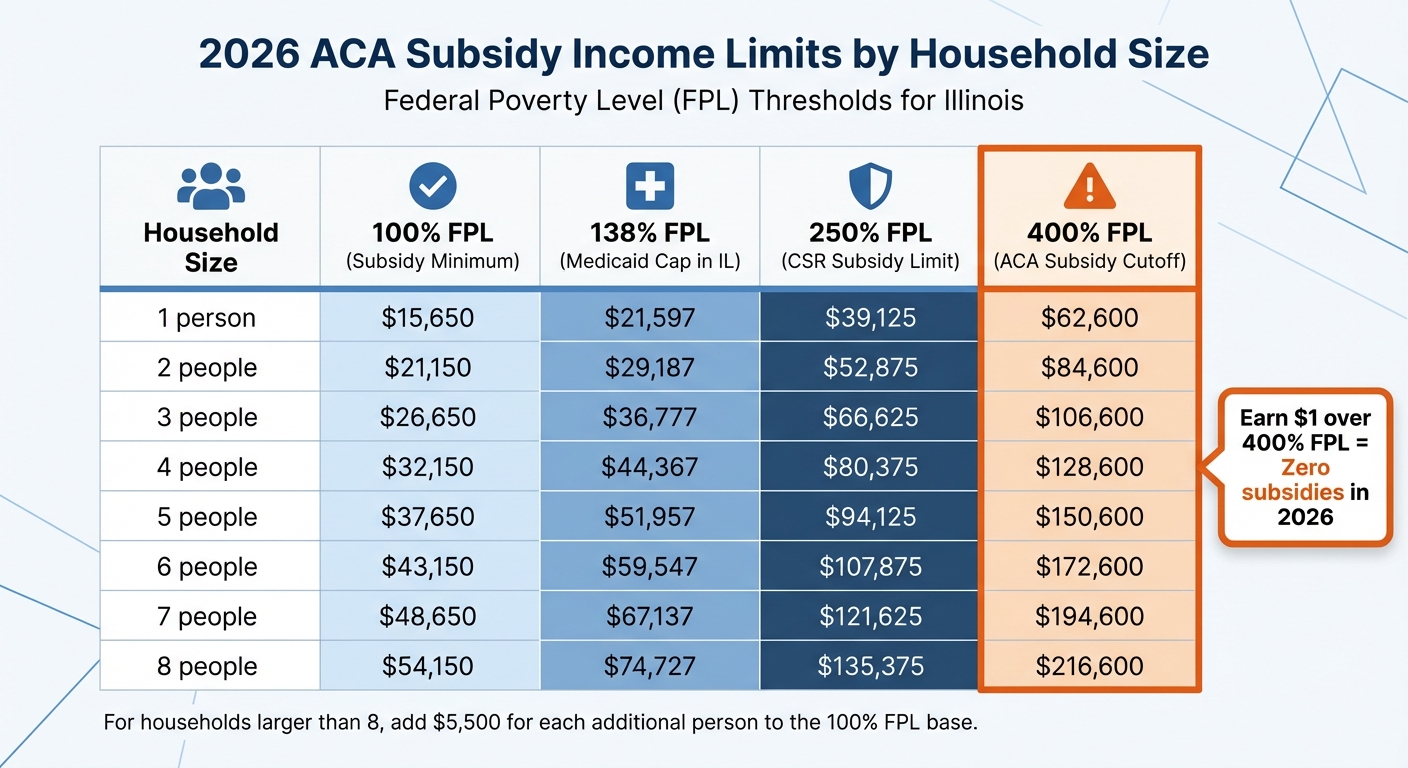
Navigating Affordable Care Act (ACA) insurance in Illinois involves choosing individual health plans through the state-run marketplace, Get Covered Illinois, which partners with federal infrastructure to offer structured coverage tiers, potential financial assistance, and essential health benefits tailored to state residents.
The implementation of the Affordable Care Act transformed the landscape of individual and family health insurance across the United States. In Illinois, residents seeking health coverage navigate a unique ecosystem that combines federal consumer protections with state-specific administrative structures. Understanding how the ACA operates within Illinois requires a clear grasp of marketplace mechanics, enrollment timelines, financial assistance thresholds, and plan categories. Whether you are transitioning away from employer-sponsored coverage, losing Medicaid eligibility, or seeking an alternative to private options, the Illinois health insurance marketplace provides a standardized framework designed to ensure transparency and access.
The Role of Get Covered Illinois
Get Covered Illinois (GCI) serves as the official health insurance marketplace for the state of Illinois. While the state previously utilized the federal HealthCare.gov platform exclusively, Illinois transitioned to a State-Based Marketplace using the federal platform (SBM-FP) model, and later expanded its state-level operational footprint. GCI acts as the centralized portal where residents can compare health plans side-by-side, check eligibility for financial assistance, and complete enrollment.
The primary advantage of utilizing Get Covered Illinois is that it is the exclusive gateway for qualifying individuals and families to access federal premium tax credits and cost-sharing reductions. Private insurance brokers and off-exchange purchases cannot apply these subsidies. Furthermore, GCI integrates with the Illinois Department of Healthcare and Family Services (HFS), meaning that individuals who submit an application through the marketplace and fall below specific income thresholds are automatically evaluated for Medicaid or the Children's Health Insurance Program (CHIP).
Understanding Metal Tiers and Coverage Categories
ACA-compliant health insurance plans sold through the Illinois marketplace are categorized into metal tiers: Bronze, Silver, Gold, and Platinum. These tiers do not reflect the quality of medical care provided by the doctors or hospitals within the network. Instead, they indicate how costs are shared between the insured individual and the insurance carrier.
| Metal Tier | Estimated Insurance Share | Estimated Patient Share | Typical Consumer Profile |
|---|---|---|---|
| Bronze | 60% | 40% | Individuals seeking low monthly premiums who want protection against catastrophic medical events and utilize few routine services. |
| Silver | 70% | 30% | Moderate users of healthcare services; essential for those who qualify for cost-sharing reductions (CSRs). |
| Gold | 80% | 20% | Individuals with predictable, ongoing medical needs who prefer higher monthly premiums in exchange for lower out-of-pocket costs. |
| Platinum | 90% | 10% | Consumers with extensive, high-cost medical requirements who want minimal out-of-pocket expenses at the point of service. |
Beyond these four standard tiers, catastrophic plans are available to adults under the age of 30 or individuals who qualify for a hardship exemption. These plans feature very high deductibles and low monthly premiums, protecting against major accidents or severe illnesses but requiring out-of-pocket payment for routine care until the deductible is met.
Financial Assistance: Premium Tax Credits and Cost-Sharing Reductions
The affordability of ACA insurance in Illinois is heavily dependent on financial assistance provided through the federal government, calculated based on household size and Modified Adjusted Gross Income (MAGI).
Premium Tax Credits
Advance Premium Tax Credits (APTC) are applied directly to lower the monthly premium of a marketplace plan. Under current federal guidelines, premium caps ensure that eligible individuals do not spend more than a specified percentage of their household income on a benchmark Silver-level plan. If an individual qualifies for a substantial tax credit, they may be able to enroll in a Bronze plan with a $0 monthly premium or purchase a Silver or Gold plan at a significantly reduced rate.
Cost-Sharing Reductions (CSRs)
Cost-sharing reductions are extra savings available only to individuals who enroll in a Silver-tier plan and have a household income between 100% and 250% of the federal poverty level (FPL). Unlike tax credits that lower monthly payments, CSRs lower out-of-pocket expenses—such as deductibles, copayments, and coinsurance—making medical care significantly more affordable when services are actually rendered.
Essential Health Benefits
Every ACA-compliant plan offered in Illinois must cover ten categories of Essential Health Benefits (EHBs) without annual or lifetime dollar limits on these services. This regulatory standard ensures that no consumer is sold a policy that excludes fundamental medical needs. The required categories include:
- Ambulatory patient services (outpatient care received without being admitted to a hospital).
- Emergency services and emergency transportation.
- Hospitalization (such as surgery and overnight stays).
- Maternity and newborn care (including pre-natal and post-natal care).
- Mental health and substance use disorder services, including behavioral health treatment.
- Prescription drugs.
- Rehabilitative and habilitative services and devices (helping people gain or recover mental and physical skills).
- Laboratory services.
- Preventive and wellness services and chronic disease management.
- Pediatric services, including oral and vision care for children.
Preventive services—such as annual physical exams, routine immunizations, and specific cancer screenings—must be covered at 100% with no copayment or deductible required, provided the patient utilizes an in-network healthcare provider.
Enrollment Windows and Special Enrollment Periods
Securing ACA insurance in Illinois requires strict adherence to enrollment timelines. Missing designated windows typically means waiting until the next cycle to obtain coverage, unless a specific qualifying life event occurs.
Open Enrollment Period (OEP)
The standard Open Enrollment Period occurs annually, typically running from November 1 through January 15 in most states utilizing the federal platform, with specific deadlines established for coverage to take effect on January 1 or February 1. During this window, any eligible Illinois resident can enroll in, change, or drop marketplace coverage without needing a special life circumstance.
Special Enrollment Periods (SEPs)
Outside of the annual OEP, individuals can only enroll in ACA insurance if they experience a Qualifying Life Event (QLE). A Special Enrollment Period generally lasts for 60 days following the date of the event. Common QLEs include:
- Loss of qualifying health coverage (such as losing job-based insurance, aging off a parent's plan at age 26, or losing Medicaid eligibility).
- Changes in household structure (such as marriage, divorce, having a baby, or adopting a child).
- Changes in residence (such as moving to Illinois from another state or moving to a different county within Illinois that changes available plan options).
- Other qualifying events, such as changes in income that impact subsidy eligibility or gaining citizenship status.
Network Structures: HMOs, PPOs, and EPOs
When selecting an ACA plan in Illinois, consumers must evaluate the provider network. Insurance carriers contract with specific hospitals, primary care physicians, and specialists to form networks. Understanding network types prevents unexpected out-of-network bills.
- Health Maintenance Organization (HMO): Requires members to see doctors within the plan's specific network and usually requires a primary care physician (PCP) referral to see a specialist. Out-of-network care is generally not covered except in emergencies.
- Preferred Provider Organization (PPO): Offers greater flexibility to see out-of-network providers without a referral, though seeing in-network doctors remains significantly less expensive. PPO options have become less common on the individual Illinois marketplace over time.
- Exclusive Provider Organization (EPO): Combines features of HMOs and PPOs. Members must use doctors and hospitals within the network (no out-of-network coverage except for emergencies), but referrals to specialists are typically not required.
Frequently Asked Questions
What happens if I do not have health insurance in Illinois?
At the federal level, the tax penalty for not having health insurance was reduced to $0 beginning in the 2019 tax year. However, residents should verify whether state-level tax laws or specific circumstances impose local requirements. Maintaining coverage remains vital to protect against high medical debt resulting from unexpected accidents or illnesses.
Can I enroll in ACA insurance outside of the Open Enrollment Period?
You can only enroll outside of the annual Open Enrollment Period if you experience a Qualifying Life Event, such as losing job-based coverage, moving, getting married, or having a child. If you experience a QLE, you typically have a 60-day window from the date of the event to submit an application and select a plan.
Are premiums the same for everyone of the same age in Illinois?
No. While the ACA dictates that insurance companies cannot charge higher rates based on pre-existing conditions or gender, premiums in Illinois can vary based on your exact age, tobacco use, and geographical location (rating area) within the state. Financial assistance via tax credits can offset these variations based on household income.
What documents do I need to apply for Get Covered Illinois?
To complete an application and accurately verify your eligibility for financial assistance, you should prepare your Social Security numbers (or document information for legal immigrants), tax return documents or recent wage statements (such as W-2s or pay stubs) to prove household income, and details regarding any current employer-sponsored health insurance available to your family.
Can self-employed individuals and freelancers buy ACA insurance in Illinois?
Yes. Self-employed individuals, independent contractors, freelancers, and small business owners who do not provide group coverage are prime candidates for the individual marketplace. Income for self-employed individuals is calculated using your estimated Net Adjusted Gross Income for the upcoming tax year, allowing deductions for business expenses.
Next Steps for Enrollment
To explore your options and secure ACA insurance in Illinois, visit the official Get Covered Illinois website or work with a certified application counselor or licensed insurance broker. Review your estimated annual income carefully to ensure accurate calculation of premium tax credits, and evaluate local provider networks to ensure your preferred doctors and hospitals are included in your chosen plan tier.