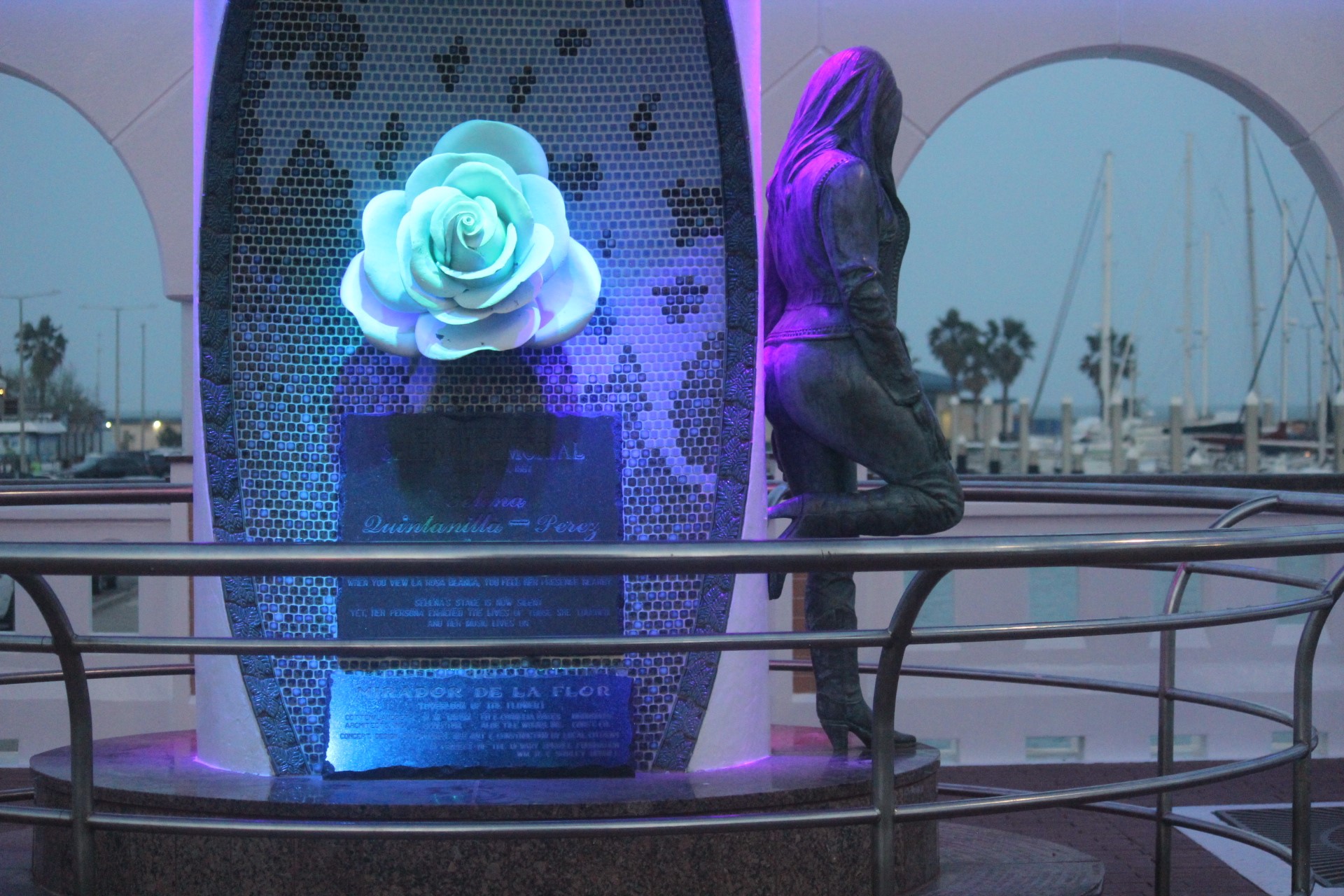
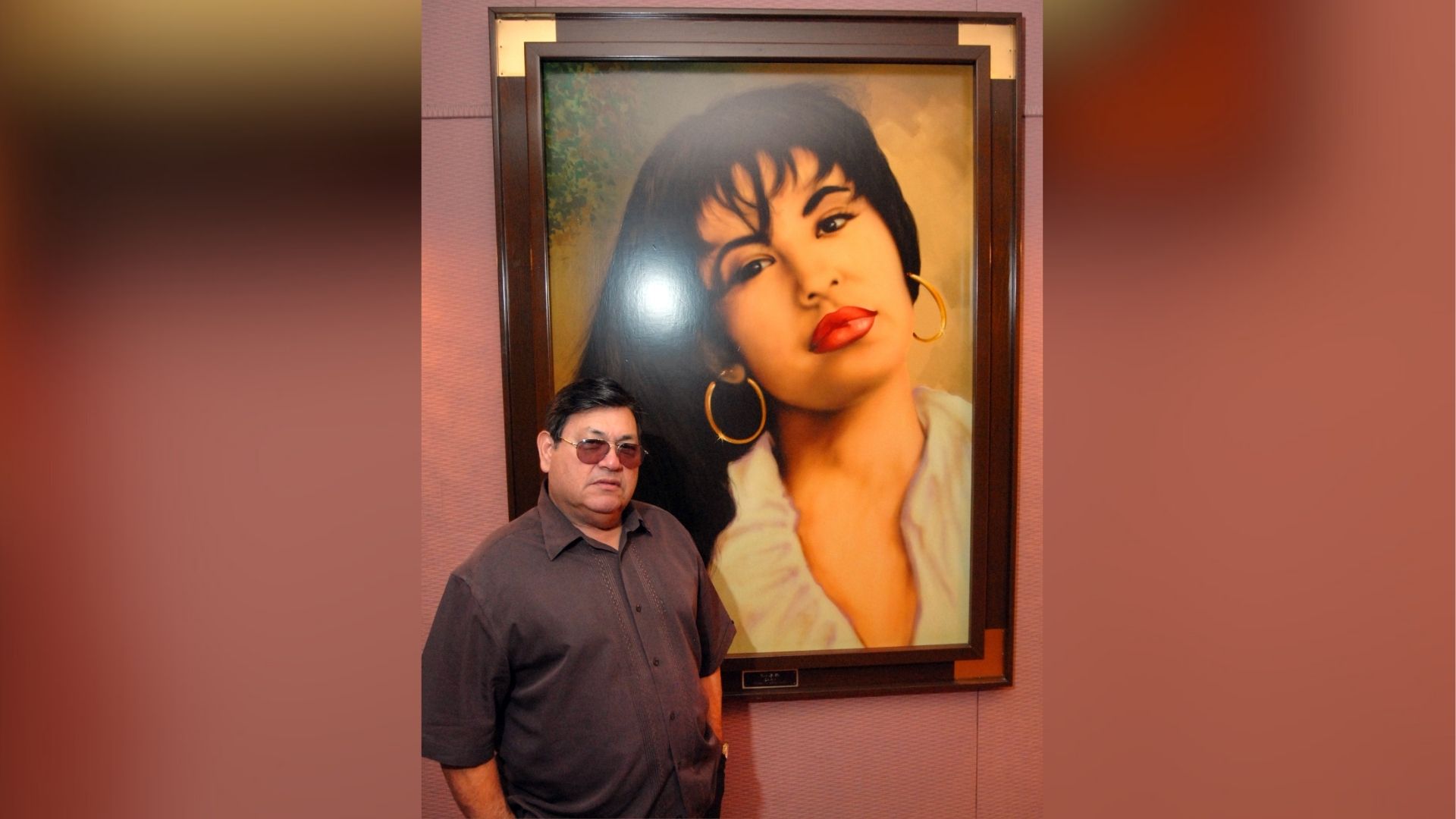
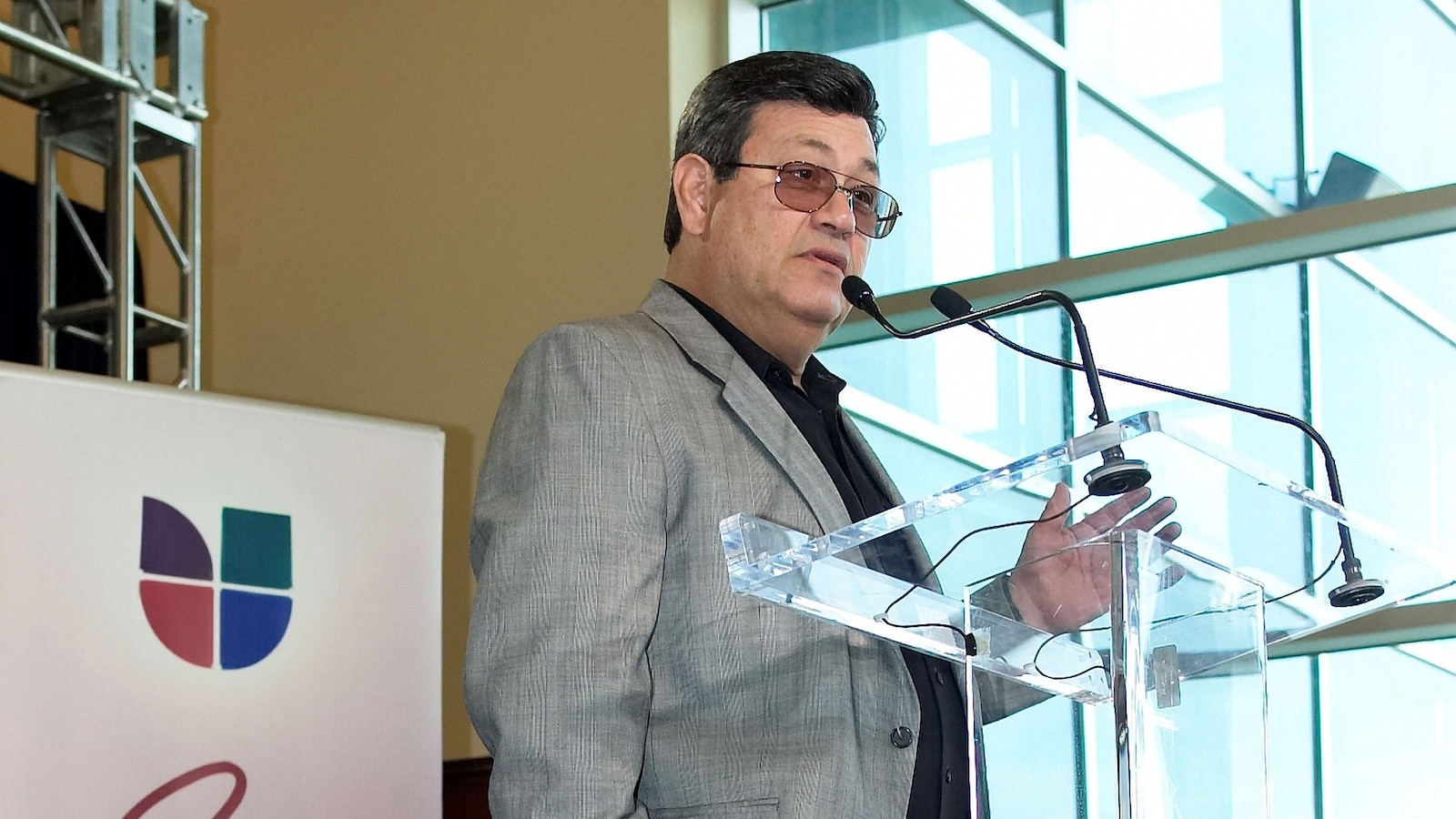
Abraham Quintanilla Jr. stands as a foundational figure in Tejano music history, renowned globally as the architect, manager, and father behind the legendary career of Selena Quintanilla. Understanding his profound legacy involves examining not only the tragic conclusion of Selena's life in 1995 but also how he sustained her musical immortality, managed her estate, and navigated the complex cultural impact of her enduring catalog over the subsequent decades.
The Patriarch of Tejano Music: Background and Early Influence
Long before guiding his youngest daughter to international superstardom, Abraham Quintanilla Jr. pursued his own musical ambitions. Born in Corpus Christi, Texas, in 1932, Quintanilla possessed a deep passion for doo-wop and traditional Mexican-American music. In the 1950s, while stationed at Joint Base Lewis-McChord in Washington with the United States Army, he formed a vocal group called The Dinos. Although the group enjoyed modest regional success and recorded several tracks, systemic discrimination and the rigid commercial barriers facing Mexican-American artists in post-war America limited their broader breakthrough.
Returning to Texas, Quintanilla balanced conventional employment with his unyielding love for music. When he recognized natural vocal talent in his children—first with his son Abraham III (A.B.) on bass, daughter Suzette on drums, and finally Selena as the lead vocalist—he channeled his thwarted industry ambitions into his family. In 1981, he established Papa G Productions and opened a family-run Tex-Mex restaurant, Blue Bonnets, where the young band, Selena y Los Dinos, performed. When the restaurant business faltered during the early 1980s oil bust, the family faced severe financial hardship, losing their home and relying on music to survive. Quintanilla assumed the role of taskmaster, booking agent, manager, and songwriter, steering the group through the male-dominated, fiercely competitive Tejano music scene of South Texas.
Managing Selena y Los Dinos and Breaking Barriers
As Selena y Los Dinos gained traction, Abraham Quintanilla’s rigorous management style became the driving force behind the group's professionalization. He recognized that the Tejano genre, traditionally dominated by male artists and accordion-driven polka beats, needed a modern, crossover-friendly aesthetic. Quintanilla pushed his children to incorporate contemporary pop, R&B, and synth-pop elements into their arrangements, while A.B. Quintanilla emerged as a prolific songwriter and producer.
Navigating the music industry as an independent, family-operated Tejano act required immense resilience. Quintanilla negotiated contracts, secured performance venues across Texas, and eventually forged a pivotal partnership with Freddie Records, before transitioning Selena to EMI Latin in 1989 as their flagship artist. His strict oversight protected Selena from predatory industry practices, ensuring she retained her artistic autonomy and wholesome public image. Under his guidance, Selena broke gender barriers within Tejano music, culminating in historic achievements such as winning the Grammy Award for Best Mexican-American Album in 1994 for Selena Live!—a first for a female Tejano artist.
The 1995 Tragedy and the End of an Era
The trajectory of Selena y Los Dinos came to a sudden, devastating halt on March 31, 1995, when Selena was shot and killed in Corpus Christi, Texas, by Yolanda Saldívar, the founder of her fan club and manager of her boutiques. The event marked an unprecedented cultural shockwave for the Hispanic community and the broader music industry. For Abraham Quintanilla, the loss was simultaneously a personal devastation as a father and a professional end to the daily collaborative engine he had built with his daughter.
The aftermath of Selena's death initiated a complex legal and public grieving process. Quintanilla became the primary spokesperson for the grieving family, balancing public transparency with the protection of his family's privacy. He collaborated closely with law enforcement and prosecutors during the subsequent murder trial of Saldívar, which resulted in a conviction and a life sentence. The conclusion of Selena's active career forced Quintanilla to pivot from an active tour manager and producer to a custodian of a cultural legacy, ensuring that the final chapter of her musical journey did not extinguish her artistic footprint.
Preserving the Legacy: Estates, Biopics, and Posthumous Releases
Following Selena's passing, Abraham Quintanilla assumed control of Selena Productions, dedicating his life to managing her estate and preserving her cultural impact. His efforts ensured that her posthumous crossover album, Dreaming of You (1995), debuted at number one on the Billboard 200, a historic milestone for a Latin artist. Quintanilla faced the delicate challenge of releasing unfinished recordings and archival material while safeguarding his daughter's reputation against commercial exploitation.
His stewardship extended into cinematic and television projects that introduced Selena to subsequent generations. Quintanilla served as an executive producer for the landmark 1997 biographical film Selena, directed by Gregory Nava and starring Jennifer Lopez in a breakout role. Over two decades later, he collaborated as an executive producer on the Netflix biographical streaming series Selena: The Series (2020–2021). These productions allowed Quintanilla to maintain editorial control over the narrative of Selena's life and career, countering unauthorized biographies and sensationalized accounts.
| Project Type | Title / Release Year | Abraham Quintanilla's Role | Impact and Significance |
|---|---|---|---|
| Posthumous Album | Dreaming of You (1995) | Executive Producer / Manager | Debuted at No. 1 on the Billboard 200, cementing crossover appeal. |
| Feature Film | Selena (1997) | Executive Producer | Propelled Jennifer Lopez to stardom and established the definitive cinematic biography. |
| Documentary Series | Selena: The Series (2020–2021) | Executive Producer | Provided a multi-episode exploration of the family's rise in the Tejano industry. |
| Foundation Work | Selena Foundation (1995–Present) | Founder / Director | Supports community charities and provides musical instruments to underprivileged youth. |
Legal Battles and Intellectual Property Control
Managing a globally recognized music icon involves continuous legal vigilance. Over the decades, Abraham Quintanilla has actively protected the trademark rights, image rights, and master recordings associated with Selena. This stewardship has occasionally led to high-profile legal disputes regarding unauthorized merchandise, biographical books, and unapproved television projects produced outside the family's purview.
Quintanilla’s strict approach to intellectual property management stems from a desire to maintain the integrity of Selena's brand. By retaining tight control over master tapes, photographs, and likeness rights, the Quintanilla family ensures that commercial ventures align with their standards. This operational model has successfully insulated Selena's catalog from depreciation, maintaining steady streaming revenues and physical sales decades after her passing. Furthermore, through the Selena Foundation, Quintanilla directs a portion of these proceeds into community outreach programs, supporting educational initiatives and domestic violence awareness organizations.
Frequently Asked Questions
What was Abraham Quintanilla’s role in Selena’s career?
Abraham Quintanilla served as Selena’s manager, producer, songwriter, and father. He recognized her talent early, formed Selena y Los Dinos, guided the group through the male-dominated Tejano music industry, and negotiated her landmark recording contract with EMI Latin, laying the foundation for her international success.
How did Abraham Quintanilla respond to Selena's death in 1995?
Following her tragic murder by the president of her fan club in March 1995, Quintanilla became the primary spokesperson for the family, assisted law enforcement during the criminal investigation and trial, and subsequently shifted his focus toward managing her estate and preserving her musical legacy.
Was Abraham Quintanilla a musician himself?
Yes. In the 1950s, Quintanilla sang lead for a doo-wop and vocal group called The Dinos. Although the group achieved regional recognition in Texas and the Pacific Northwest, systemic discrimination against Mexican-American artists limited their commercial reach, inspiring Quintanilla to channel his ambitions into his children's musical group.
What is the Selena Foundation, and what does it do?
Established by the Quintanilla family shortly after Selena's death, the Selena Foundation is a charitable organization that raises funds for children in crisis, supports community food banks, and provides musical instruments and scholarships to underprivileged students pursuing the arts.
How does the Quintanilla family protect Selena’s intellectual property?
The family maintains rigorous legal control over Selena's name, image, likeness, and master recordings through Selena Productions. This involves monitoring unauthorized commercial merchandising, evaluating biographical proposals, and pursuing legal action against copyright infringements to preserve her public image.
Next Actions and Continuing Studies
For researchers, music historians, and fans seeking a deeper understanding of Abraham Quintanilla's impact on American music, examining primary source materials offers essential context. Reviewing historical archives of the Tejano music industry from the 1970s through the 1990s illuminates the structural challenges independent artists faced. Additionally, studying the business strategies behind EMI Latin's crossover campaign provides valuable insights into the globalization of Latin music. Reviewing authorized documentaries, legal records from the 1995 trial, and the catalog of Selena y Los Dinos ensures an accurate, well-rounded perspective on a defining era in popular music history.