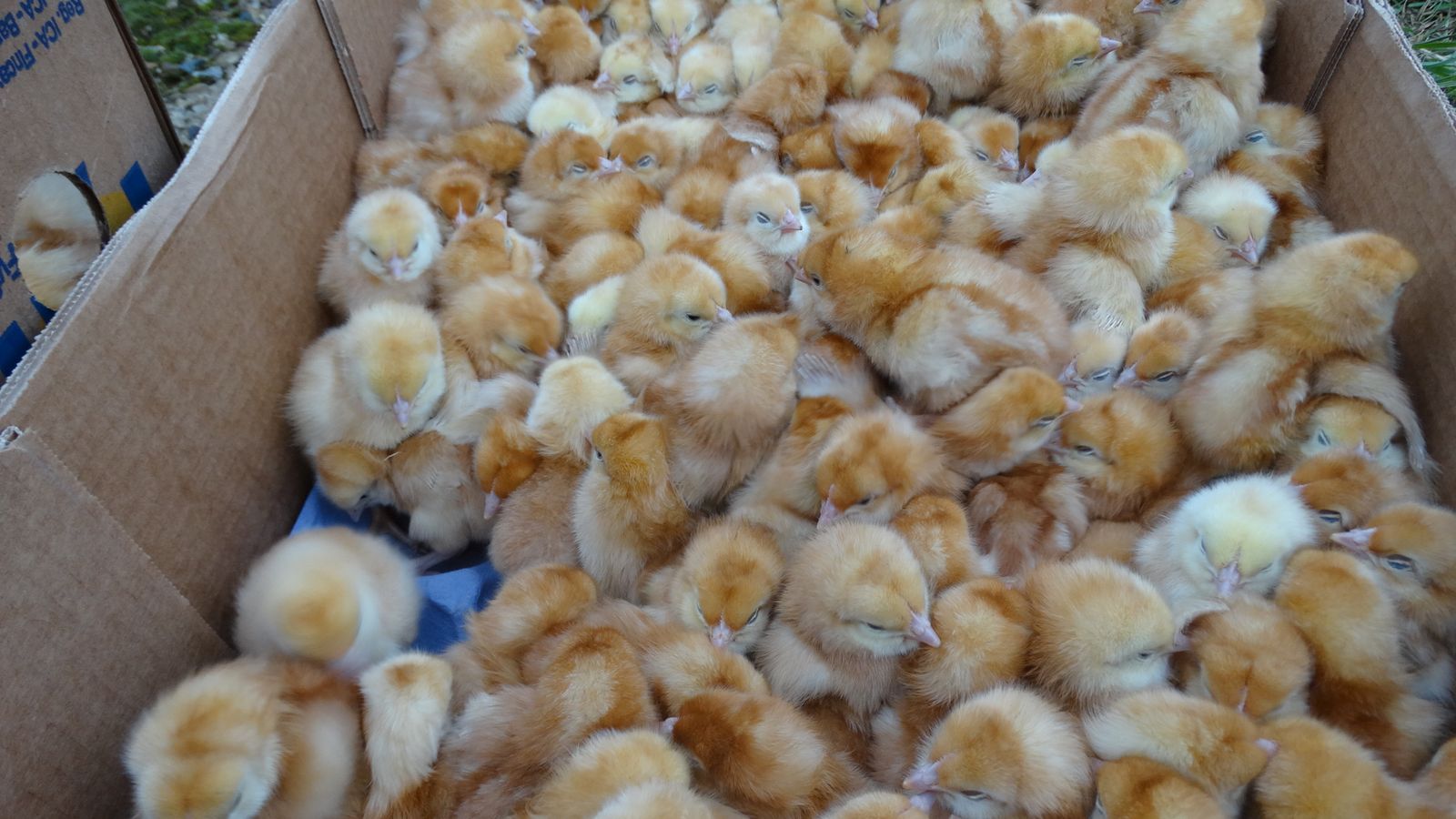
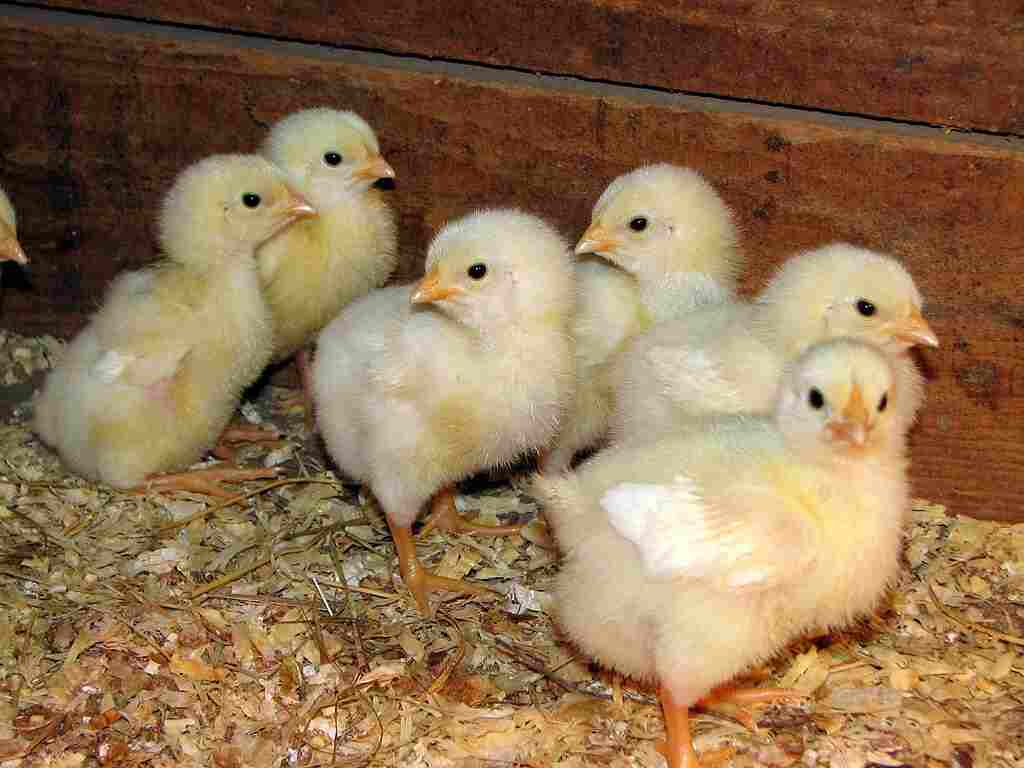
If you encounter or receive abandoned chicks in a USPS truck, the situation is a critical emergency requiring immediate intervention. Day-old chicks can survive only up to 72 hours without food or water by utilizing their internal yolk sacs. Abandonment usually results from logistical delays, extreme weather, or misrouted shipments, and immediate hydration and warmth are necessary to save survivors.
The shipment of live poultry through the United States Postal Service (USPS) is a long-standing tradition that allows small-scale farmers and backyard enthusiasts to access diverse breeds. However, when the system fails, the results can be devastating. Whether you are a recipient tracking a delayed shipment or a postal worker encountering a neglected crate, understanding the technical, legal, and biological factors at play is essential for a successful resolution.
The Logistics of Shipping Live Poultry via USPS
The USPS is the only major carrier in the United States that regularly handles the transport of live day-old chicks. While private carriers like FedEx or UPS may handle certain types of livestock under strict commercial contracts, the USPS remains the primary artery for the American poultry industry. This specialized service is governed by USPS Publication 52, Hazardous, Restricted, and Perishable Mail, specifically Section 526, which outlines the requirements for mailing live animals.
The biological premise that makes this shipping possible is the "yolk sac" phenomenon. Just before a chick hatches, it absorbs the remainder of its yolk sac into its abdomen. This provides the neonate with enough nutrients and moisture to survive for approximately 48 to 72 hours without external sustenance. Hatcheries timed their shipments so that chicks hatch, are sorted, boxed, and shipped within hours, ideally arriving at their destination within the 48-hour window.
In 2026, while automation in sorting facilities has improved, the "last mile" of delivery—the time spent in a USPS truck—remains the most vulnerable stage of the journey. If a truck breaks down, is delayed by weather, or if a driver is unable to complete a route, the chicks are essentially "abandoned" in an environment that may not be climate-controlled.
Why "Abandonment" Occurs: Root Causes of Transit Failures
The term "abandoned" in the context of USPS chicks often refers to shipments that have been left in trucks or sorting bays longer than the safe biological window. This rarely happens due to intentional neglect; rather, it is usually a symptom of systemic logistical failure.
1. Logistical Bottlenecks and Sorting Errors
Chicks are supposed to be handled as "Special Standard" or "Priority Mail Express" items. However, if a crate is mislabeled or loses its "Live Animal" marking, it may be routed into standard processing streams. In these scenarios, chicks may sit in a sorting facility for days or be loaded onto a truck heading in the wrong direction. Once the 72-hour mark passes, the mortality rate increases exponentially.
2. Environmental Exposure
USPS delivery trucks are notoriously poorly insulated. In the summer, internal temperatures in the cargo area can exceed 120°F (49°C), leading to rapid dehydration and heatstroke. In the winter, temperatures can drop below freezing, causing the chicks to huddle for warmth until the ones at the bottom of the pile are smothered or the entire group succumbs to hypothermia. If a truck is parked overnight with live cargo inside due to a scheduling error, it constitutes a de facto abandonment of the animals' safety needs.
3. Staffing and Service Interruptions
As seen in historical precedents, such as the widely reported delays in 2020 and subsequent logistical shifts through the mid-2020s, staffing shortages can lead to "undeliverable" routes. When a route is not completed, the mail—including live animals—may remain on the truck until the next shift, which might be 12 to 24 hours later. For a bird with only a few hours of life-support remaining, this delay is fatal.
Technical Specifications for Live Poultry Shipments
To understand when a shipment has been handled improperly, one must know the legal and technical standards required for these parcels. According to USPS Publication 52, the following conditions must be met:
| Feature | Requirement / Standard |
|---|---|
| Ventilation | Boxes must have perforated holes that can be opened or closed based on ambient temperature. |
| Shipping Window | Must be shipped early in the week (Monday-Wednesday) to avoid weekend holdovers. |
| Transit Time | Must be delivered within 72 hours of hatching. |
| Quantity | Generally, a minimum of 15–25 chicks is required per box to maintain collective body heat. |
| Labeling | Must be clearly marked "Live Poultry" and include the date and time of hatching. |
| Documentation | Must include a health certificate or NPIP (National Poultry Improvement Plan) documentation where required by state law. |
What to Do If Your Shipment Is Delayed or Abandoned
If you are tracking a shipment and realize it has been sitting in a truck or a hub for an extended period, or if you are a postal employee who discovers "forgotten" chicks, the following steps are critical.
Immediate Contact and Intervention
- Call the Local Postmaster: Do not rely on the national 1-800 number. Call the specific local branch where the truck is stationed. State clearly that there are live animals at risk.
- Request Pickup: Most post offices will allow the recipient to pick up live animal shipments at the loading dock rather than waiting for the truck to finish its route. If the chicks are "abandoned" on a truck that hasn't left yet, ask to retrieve them immediately.
- Documentation: If the chicks are found dead or in poor condition, take photos of the box, the shipping label, and the condition of the interior. This is essential for insurance claims.
Emergency First Aid for Rescued Chicks
If you have successfully retrieved chicks that were abandoned or delayed, they will be in a state of extreme stress.
- Hydration is Priority One: The chicks will be dehydrated before they are hungry. Use room-temperature water. Do not submerge them. Dip each chick's beak into the water at a 45-degree angle, ensuring they swallow.
- The Sugar Water Solution: For lethargic chicks, add 1 tablespoon of sugar or raw honey to a quart of water. This provides an immediate glucose boost to their system. Alternatively, use specialized poultry electrolytes and vitamins.
- Heat Regulation: Get them under a heat lamp or brooder plate immediately. The temperature should be exactly 95°F (35°C) for the first week. If they have been chilled in a truck, they may look dead but are actually in a state of torpor; slow warming can sometimes revive them.
- Gro-Gel: Many commercial hatcheries include a green gel (Gro-Gel) in the box. If they haven't eaten it, encourage them to do so, as it provides both hydration and initial nutrients.
Ethical and Animal Welfare Considerations
The practice of shipping chicks is a point of contention among animal welfare advocates. While the 72-hour yolk sac window is a biological reality, it is a narrow margin for error. When chicks are abandoned in a USPS truck, it raises questions about the responsibility of the hatchery and the carrier.
Hatchery Responsibility: Reputable hatcheries (such as McMurray or Meyer) monitor weather patterns across the country. If a heatwave or a blizzard is predicted, they should hold shipments. "Abandonment" often starts at the point of origin if a hatchery ships into a known logistical storm.
Carrier Liability: Under the PACT Act (Prevent All Cigarette Smuggling Act) and other postal regulations, the USPS has a "duty of care" for the items it accepts. While the USPS limits its liability for "perishable" items, gross negligence—such as leaving a live shipment in an unventilated truck over a holiday weekend—can sometimes be grounds for a claim beyond the standard insurance.
Financial Recourse and Insurance Claims
If your chicks arrive deceased due to abandonment in a USPS vehicle, the financial loss can be significant, especially for rare or expensive breeds.
Filing a Claim
- Indemnity: Most Priority Mail Express shipments come with $100 of insurance. However, this often only covers the postage, not the value of the "merchandise" (the chicks), unless additional insurance was purchased.
- Hatchery Guarantees: Most major hatcheries offer a "48-hour live arrival guarantee." If the chicks are abandoned and die, the hatchery is usually the one to refund you or reship. They will then handle the claim with the USPS on their end.
- Proof of Loss: USPS may require a "damage report" (Form 3831) signed by the postmaster at the time of delivery or pickup. If you find the chicks dead, do not leave the post office without a written acknowledgment from the staff.
Identifying Heat Stress and Dehydration in Abandoned Chicks
When chicks have been trapped in a hot USPS truck, they suffer from heat stress. Unlike humans, chicks do not sweat; they pant to dissipate heat.
- Symptoms of Heat Stress: Panting, wings held away from the body, and extreme lethargy.
- Treatment: Move them to a cooler area (around 80°F) before putting them under a 95°F brooder. Sudden temperature changes can cause shock.
- Symptoms of Dehydration: Sunken eyes, "sticky" or pasted-shut vents, and a thin, wiry appearance to the legs.
The Future of Live Shipping in 2026
As of 2026, the poultry industry has pushed for "Live Animal Priority Lanes" within the postal system. This proposed change aims to ensure that any box chirping is automatically flagged for climate-controlled storage if a delivery delay occurs. However, until such infrastructure is fully realized, the burden of vigilance remains on the buyer and the local postal workers.
Technology has also introduced Bluetooth-enabled temperature sensors that some high-end hatcheries now include in their boxes. These sensors can alert a recipient via a mobile app if the internal temperature of the box in the USPS truck exceeds safe limits, allowing for real-time intervention before the chicks are "abandoned" to the elements.
FAQs
What is the maximum time a chick can survive in a USPS truck?
The biological limit is roughly 72 hours from the moment of hatch. However, environmental factors like extreme heat or cold can reduce this window to as little as 6 to 12 hours. If a truck remains stationary in high heat, mortality can occur very rapidly due to lack of airflow.
Can I sue the USPS for abandoned or dead chicks?
Generally, no. The USPS is protected by sovereign immunity against many types of lawsuits. Your primary recourse is through the USPS claims process for insurance or through the hatchery’s refund policy. Only in cases of extreme, documented animal cruelty by an employee might legal action be viable under local animal welfare laws, but this is rare.
Does the USPS provide food and water to chicks if they are delayed?
No. USPS employees are generally prohibited from opening mail, including live animal crates. Furthermore, the design of chick shipping boxes does not allow for the mess that traditional waterers would create. The chicks are expected to survive on their yolk sacs until they reach the final destination.
Why does the USPS still ship chicks if abandonment is a risk?
USPS is a service mandated to serve every address in the United States, including rural areas where poultry is a vital part of the economy and food security. No other carrier has the infrastructure to reach these locations affordably. Despite the risks, the vast majority of shipments arrive safely.
How can I prevent my chicks from being left on a truck?
Always choose "Hold for Pickup" when ordering. This ensures the box stays at the post office behind the counter in a climate-controlled environment rather than being loaded onto a delivery truck for a 6-to-8-hour route.
Summary of Actionable Recommendations
If you are dealing with a situation involving abandoned chicks in a USPS truck, follow these steps immediately:
- Immediate Retrieval: Use your tracking number to locate the specific local branch and demand to pick up the birds at the dock.
- Rehydration: Use a glucose/electrolyte solution immediately upon rescue.
- Temperature Control: Slowly bring the birds to a stable 95°F environment.
- Documentation: Record everything for the hatchery and the USPS to ensure you are compensated for any losses.
- Proactive Ordering: In the future, only ship during temperate months (April, May, September, October) and always select the "Hold for Pickup" option to bypass the delivery truck entirely.