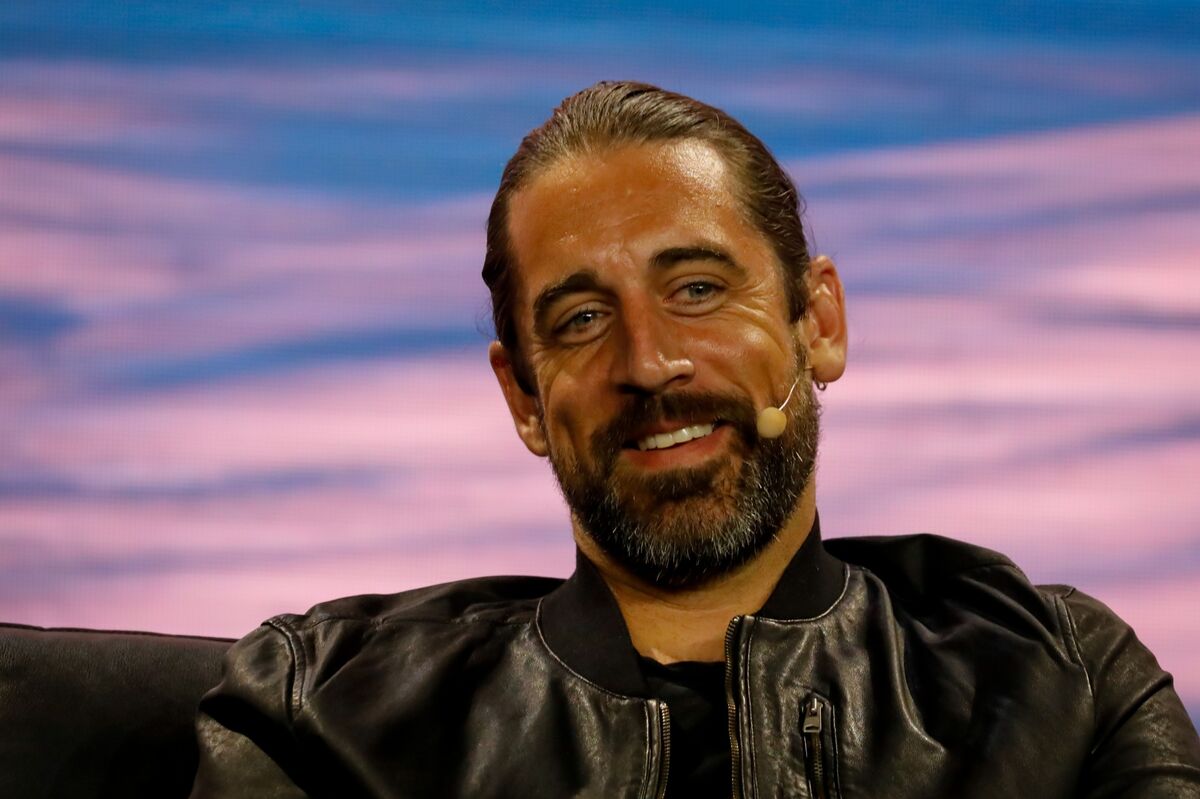
Aaron Rodgers has played a transformative role in bringing psychedelics into mainstream public discourse, shifting cultural attitudes toward substances like ayahuasca through high-profile media appearances and candid discussions about his personal healing experiences. By detailing his use of entheogens within structured retreat settings, the NFL quarterback helped dismantle long-standing stigmas associated with alternative therapies, prompting athletes, policymakers, and cultural commentators to re-evaluate the therapeutic potential of non-ordinary states of consciousness.
The Genesis of the Public Conversation
The intersection of Aaron Rodgers and the psychedelics conversation became a major cultural flashpoint during a July 2022 appearance on the Aubrey Marcus Podcast. During the interview, Rodgers detailed his experiences participating in ceremonies involving ayahuasca—a traditional plant brew containing the psychedelic compound N,N-DMT and a monoamine oxidase inhibitor—in South America. He credited these experiences with profound personal growth, improved mental health, and a renewed passion for football, which he stated directly contributed to his subsequent back-to-back NFL Most Valuable Player (MVP) award-winning seasons.
Rodgers's disclosure marked a distinct shift from traditional athletic media training, which typically discourages high-profile athletes from discussing illicit or countercultural activities. By framing his psychedelic use not as recreational deviance but as a rigorous, intentional tool for mental wellness and leadership development, Rodgers provided a new framework for public figures discussing alternative medicine. The conversation rapidly expanded beyond sports journalism into mainstream news, morning talk shows, and political circles, elevating public awareness around an ongoing renaissance in psychedelic research.
Breaking the Athletic Stigma
Professional sports have historically maintained strict disciplinary frameworks regarding mind-altering substances, driven by anti-doping policies, legal restrictions, and corporate branding concerns. When an active, elite athlete of Rodgers's stature openly discussed consuming a potent psychedelic substance, it challenged the traditional archetype of the stoic, rule-abiding sports star.
Key aspects of this paradigm shift include:
- Redefining Performance Enhancement: Shifting the conversation from physical PEDs (performance-enhancing drugs) to mental and emotional optimization.
- Vulnerability in Leadership: Normalizing discussions about mental health struggles, existential burnout, and the emotional pressures of elite competition.
- Challenging Controlled Substance Narratives: Contrasting traditional pharmaceutical interventions with indigenous, plant-based entheogens.
Ayahuasca and the Mechanics of the Experience
To understand the scope of the conversation ignited by Rodgers, it is necessary to examine the substance at its center. Ayahuasca is a botanical decoction indigenous to the Amazon basin, traditionally brewed by boiling the bark of the Banisteriopsis caapi vine alongside the leaves of the Psychotria viridis shrub.
The chemical interaction within the brew is scientifically notable:
- DMT (N,N-Dimethyltryptamine): A powerful serotonergic psychedelic molecule found in Psychotria viridis. When ingested orally, DMT is normally broken down immediately in the digestive tract by monoamine oxidase (MAO) enzymes, rendering it inactive.
- MAO Inhibitors (Harmala Alkaloids): The Banisteriopsis caapi vine provides reversible MAO inhibitors that temporarily disable these digestive enzymes, allowing the DMT to enter the bloodstream and cross the blood-brain barrier.
Clinical and anthropological studies indicate that the subjective experience typically lasts between four to six hours, characterized by vivid internal visions, intense emotional introspection, and a dissolution of ego boundaries. Proponents and clinical researchers study these mechanisms for their potential to foster neuroplasticity—the brain's ability to reorganize itself by forming new neural connections—which may assist individuals in breaking rigid, maladaptive thought patterns associated with depression, anxiety, and trauma.
Comparison of Psychedelic Modalities Discussed in Media
While Rodgers specifically popularized ayahuasca, his public openness created an umbrella conversation that frequently incorporates other legal and illicit psychedelic substances currently undergoing clinical evaluation.
| Substance | Primary Source / Class | Typical Setting | Current Legal Status (US Federal) | Primary Investigated Applications |
|---|---|---|---|---|
| Ayahuasca | Plant brew (DMT + MAOI) | Guided retreat centers (often international) | Schedule I (Illegal; religious exemptions rare) | Depression, trauma, spiritual alignment |
| Psilocybin | Fungi (Psilocybe mushrooms) | Clinical trials or legal state frameworks (e.g., Oregon, Colorado) | Schedule I (Decriminalized in select municipalities/states) | Treatment-resistant depression, end-of-life anxiety |
| MDMA | Synthetic empathogen | Clinical psychotherapy trials | Schedule I (Evaluated for FDA approval pathways) | Post-Traumatic Stress Disorder (PTSD) |
| Ketamine | Synthetic dissociative anesthetic | Licensed medical clinics / Infusion centers | Schedule III (Legal via prescription/off-label use) | Rapid-onset depression, chronic pain |
Cultural, Legal, and Medical Implications
The public dialogue catalyzed by high-profile endorsements intersects directly with a rapidly evolving regulatory and scientific landscape. While institutions like the Multidisciplinary Association for Psychedelic Studies (MAPS) and academic centers like Johns Hopkins University Center for Psychedelic and Consciousness Research have advanced clinical understanding through rigorous trials, celebrity narratives play a unique role in public perception.
The Duality of Celebrity Advocacy
Public health experts and policy advocates hold nuanced views regarding athletes discussing psychedelic use:
- The Benefit of Awareness: Advocates argue that cultural normalization reduces fear, encourages funding for clinical research, and destigmatizes individuals seeking relief from treatment-resistant conditions.
- The Risk of Misinformation and Imitation: Medical professionals caution that public figures often gloss over the psychological risks, potential contraindications with psychiatric medications, and the lack of standardization in unregulated retreat tourism. Ayahuasca ceremonies can induce intense psychological distress and physical purging, making preparation and professional integration vital.
Legislative Shifts and State-Level Reform
Concurrently with cultural conversations, legal frameworks in the United States have begun to shift. States such as Oregon and Colorado established regulated frameworks for the therapeutic use of psilocybin, while numerous municipal jurisdictions deprioritized the enforcement of laws concerning entheogenic plants. This regulatory movement operates independently of professional sports leagues, which maintain distinct collective bargaining agreements and substance policy guidelines.
Frequently Asked Questions
What specific psychedelic did Aaron Rodgers discuss using?
Aaron Rodgers primarily discussed his experiences with ayahuasca, a traditional South American plant brew containing DMT and monoamine oxidase inhibitors. He shared that he participated in structured ceremonial retreats abroad, which he credited with helping him confront personal challenges and achieve professional success.
Did Aaron Rodgers's comments violate NFL substance abuse policies?
No. Ayahuasca is not tested for under the NFL’s policy on substances of abuse during the offseason, and the league’s drug policies focus primarily on performance-enhancing drugs and recreational substances tested under specific testing windows. Rodgers's public disclosure did not trigger league disciplinary action.
What are the medical risks associated with ayahuasca?
Ayahuasca can cause intense physical distress, including severe vomiting and nausea. Psychologically, it can trigger acute anxiety, psychosis in vulnerable individuals, and dangerous physiological interactions when combined with certain prescription medications, particularly antidepressants like SSRIs, due to serotonin syndrome risks.
How has the public conversation impacted psychedelic research?
High-profile discussions by figures like Aaron Rodgers contribute to broader cultural acceptance, which correlates with increased philanthropic funding, public interest, and legislative momentum for clinical trials studying entheogens for mental health disorders.
Are psychedelics legal for recreational use in the United States?
At the federal level, substances like DMT, psilocybin, and MDMA remain classified as Schedule I controlled substances under the Controlled Substances Act, indicating no accepted medical use and a high potential for abuse. However, a growing number of states and municipalities have decriminalized or established regulated access models for specific plant medicines.
Conclusion and Next Actions
The conversation initiated by Aaron Rodgers regarding psychedelics underscores a broader cultural re-evaluation of alternative mental health modalities. For readers tracking this subject, the most constructive next steps involve examining peer-reviewed literature from academic institutions, reviewing state-specific legislative developments regarding entheogens, and consulting qualified medical professionals before considering any alternative therapeutic interventions.