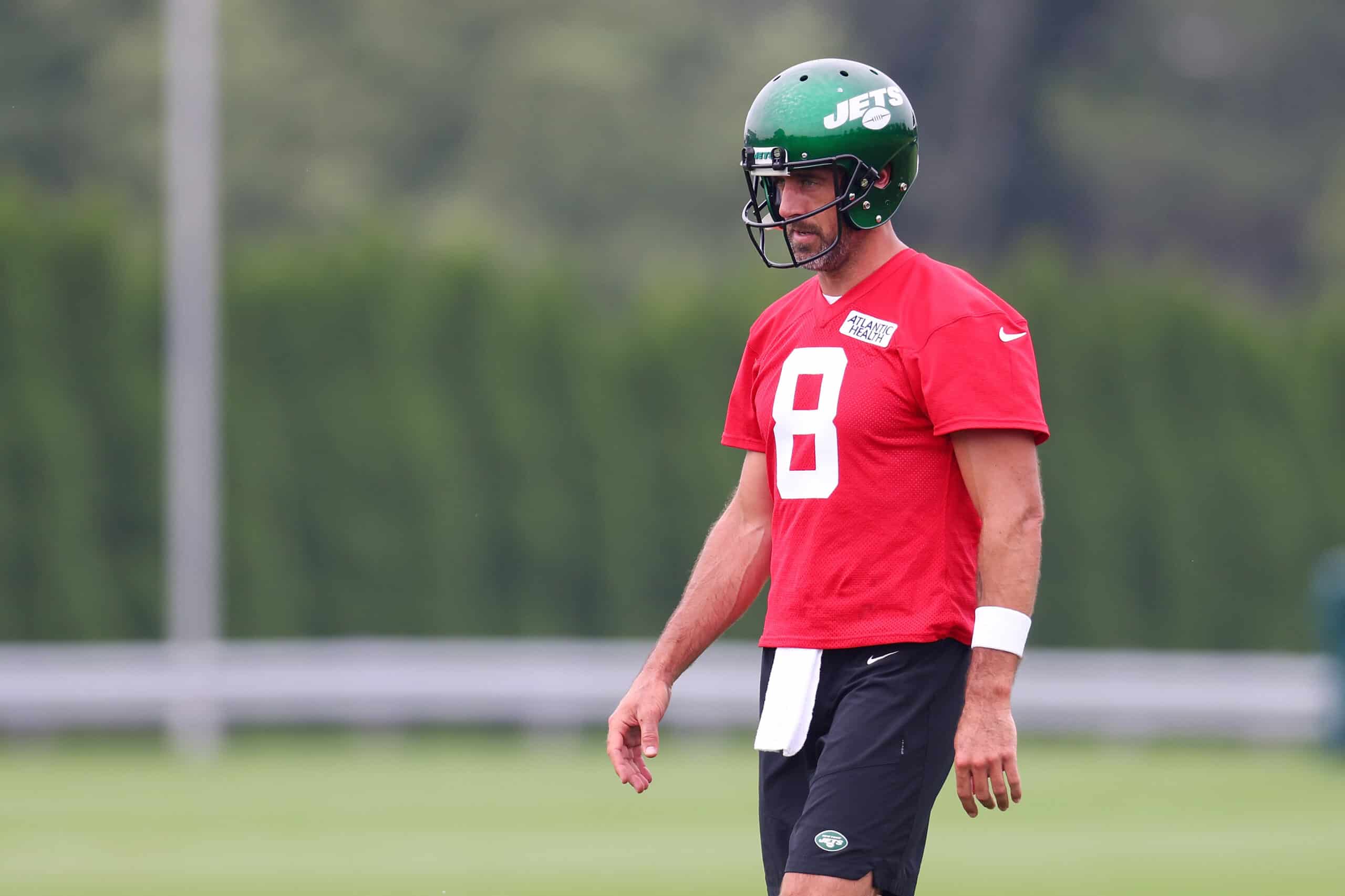
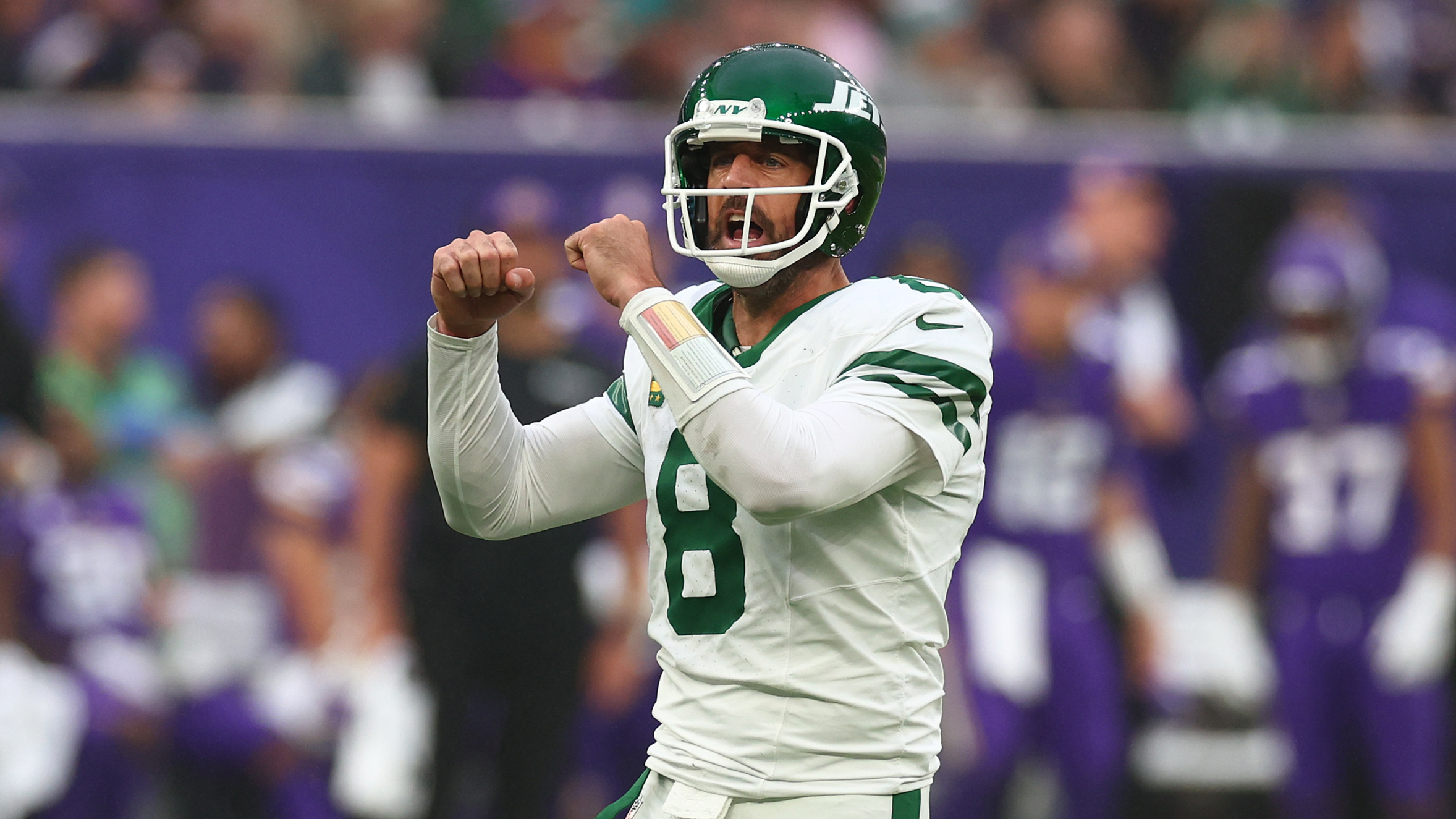
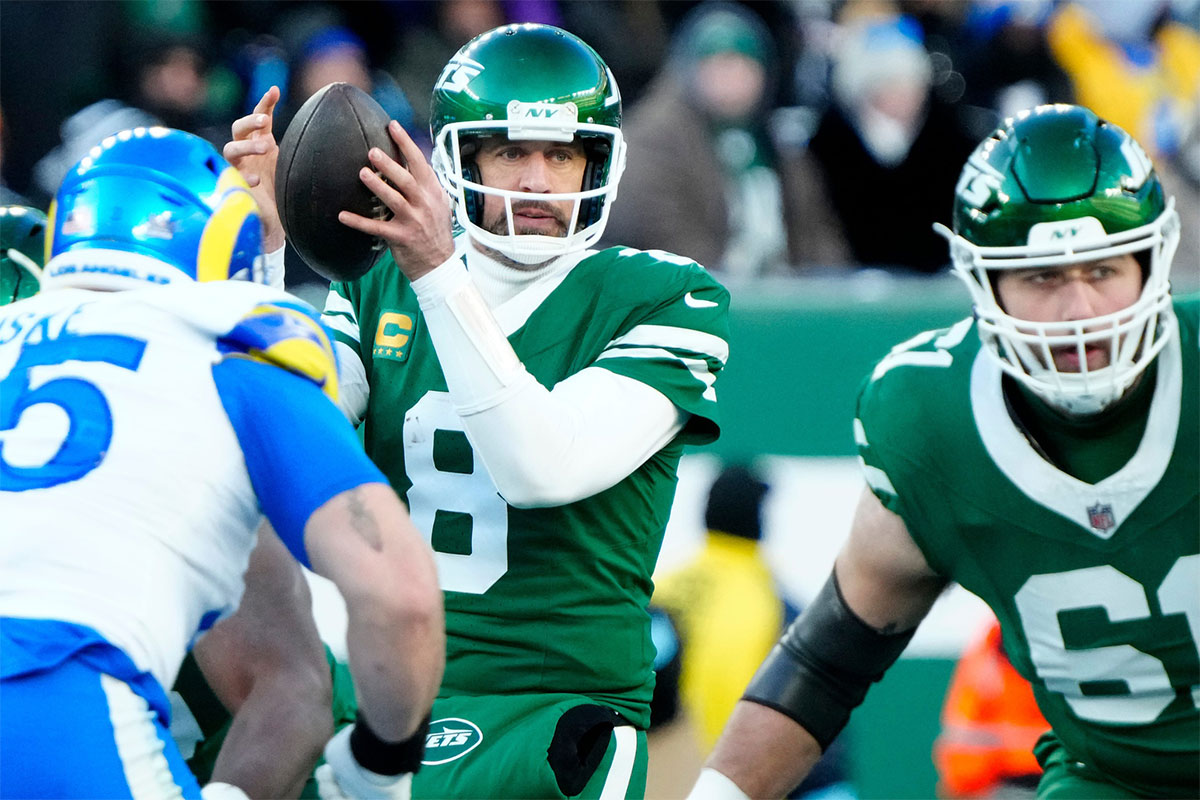
When Aaron Rodgers agreed to a restructured contract upon joining the New York Jets, he accepted a significant pay reduction from the original terms of his existing deal with the Green Bay Packers. This move was primarily designed to provide the Jets with the necessary salary cap flexibility to build a competitive roster around him, effectively trading immediate personal compensation for a more potent surrounding team.
Contextualizing the Restructure
In the landscape of the National Football League (NFL), player contracts are governed by the Collective Bargaining Agreement (CBA), which enforces a strict salary cap for all 32 teams. When the New York Jets acquired Aaron Rodgers in 2023, the financial mechanics of his existing contract—inherited from his previous stint in Green Bay—presented a potential hurdle. Rodgers was carrying a heavy financial burden that threatened to restrict the front office’s ability to sign key free agents and retain essential talent.
To address this, Rodgers entered into a two-year, $75 million agreement with the Jets. This deal represented a notable reduction compared to the approximately $110 million that remained on his previous contract. By electing to take a pay cut, Rodgers shifted his earnings from a guaranteed, high-salary structure to a deal that prioritized the team’s fiscal health. This financial maneuver is often referred to in professional sports as "cap-friendly" structuring, allowing the club to allocate resources elsewhere.
The Salary Cap Mechanics
To understand why this pay cut was vital, one must understand how the NFL salary cap functions. The cap is a hard limit on the total amount of money each team can spend on its players’ salaries in a given league year. Teams often struggle with "cap space"—the difference between their total player payroll and the limit set by the league.
When a team is "up against the cap," they are restricted in their ability to sign new talent or negotiate extensions for existing players. By reducing his base salary, Rodgers effectively lowered his "cap hit"—the amount of money charged against the team's salary limit for that specific season.
Components of an NFL Contract
- Base Salary: The fixed amount paid to a player over the course of the season.
- Signing Bonus: A lump sum paid at the time of signing, usually prorated over the life of the contract to manage cap space.
- Guaranteed Money: The portion of the contract the player is entitled to receive regardless of injury or performance.
- Cap Hit: The annual impact of a player’s contract on the team's total salary expenditure.
By lowering his base salary, Rodgers freed up millions in immediate cap space. This maneuver allowed the Jets' management to pursue supplementary roster additions—such as offensive line support or additional receiving weapons—that they might otherwise have been unable to afford under the previous financial constraints.
Strategic Motivations for the Player
While a pay cut is often viewed as a sacrifice, in the context of professional sports, it is frequently a calculated strategic decision. For a veteran quarterback like Rodgers, the primary objective is winning a championship. If a team has a depleted roster due to salary cap constraints, the chances of competing at a high level diminish.
By accepting a lower salary, Rodgers essentially invested in the team's immediate success. A more talented roster increases the team's likelihood of winning, which can have secondary benefits for a player, including individual accolades, legacy preservation, and potential off-field endorsements that are often tied to team performance and market visibility.
Comparisons: Traditional Restructuring vs. Pay Cuts
It is important to distinguish between a standard contract restructure and a true pay cut. A "restructure" often involves converting a player's base salary into a signing bonus. This spreads the cap hit out over several years, effectively pushing the financial burden into the future.
Conversely, the move made by Aaron Rodgers was a genuine reduction in total compensation. This is less common in the NFL, as players are generally incentivized to maximize their earnings during their limited playing windows. The following table highlights the differences between common contract adjustments:
| Strategy | Mechanism | Effect on Salary Cap |
|---|---|---|
| Restructure | Converts base salary to signing bonus | Reduces current year cap hit by spreading cost |
| Pay Cut | Total compensation value is reduced | Lowers total cost to the team permanently |
| Extension | Adds years to the contract | Lowers annual cap hit by spreading bonuses |
| Release | Terminates contract | Removes player from cap entirely |
Impact on New York Jets Roster Construction
The immediate effect of the restructure was felt in the Jets' ability to maneuver during free agency. With additional breathing room under the cap, the organization was able to bring in veteran players who aligned with Rodgers' timeline for a championship run.
Beyond just the immediate signings, this gesture served a symbolic purpose within the locker room. When the face of the franchise demonstrates a willingness to prioritize team success over personal gain, it sets a standard for the rest of the organization. It signals that the pursuit of a championship is the collective priority, which can foster a more cohesive and team-oriented culture.
Risks and Considerations
While the move provided benefits, it is not without risk. For the player, accepting less money means forfeiting guaranteed income. For the team, relying on aging star players can be a volatile strategy. If the team fails to perform despite the increased roster flexibility, the financial concessions may be viewed as wasted capital.
Furthermore, the NFL is a sport characterized by high injury rates. If a player sustains a long-term injury, the restructured contract is what dictates their remaining salary. Rodgers' commitment was a gamble on his own health and the ability of the organization to capitalize on the window he helped open.
Frequently Asked Questions
Why would an NFL player choose to take a pay cut? Players often take pay cuts to help their team acquire better talent. By reducing their own salary, they create space under the league's salary cap, allowing the front office to sign other players who can improve the team's chances of winning games and reaching the playoffs.
Did Aaron Rodgers lose money permanently? Yes, in the context of his contract with the Jets, the reduction was a permanent decrease in the total value of the deal he was scheduled to receive. It was not a simple deferral of payment, but an actual surrender of contractually obligated earnings.
Does this mean Aaron Rodgers has less influence in the NFL? No, his influence remains significant. The decision to take a pay cut is usually a sign of a veteran player looking to leverage their remaining years to secure a championship, which is often a priority for elite athletes reaching the latter stages of their careers.
How does this affect the Jets' future salary cap? Because the pay cut reduced the total financial commitment rather than just pushing it to future years, it provided the Jets with cleaner balance sheets. It prevented the "dead money" scenarios that often plague teams that constantly push cap hits into the future.
Can other players follow this model? Yes, and many do. However, it is a voluntary process. A team cannot force a player to take a pay cut unless the player agrees to the change in terms. It is a negotiation between the athlete’s representation and the team’s general manager.
Recommendation for Further Analysis
Readers interested in the ongoing financial health of the New York Jets should monitor the team's annual "Cap Space" reports, which are published following the end of each NFL league year. Understanding these reports requires looking at "Dead Cap" figures, which track money paid to players no longer on the roster, and "Effective Cap Space," which accounts for the minimum costs required to field a full 53-man team. By tracking these figures, one can see how the front office manages the balance between star power and supporting depth.